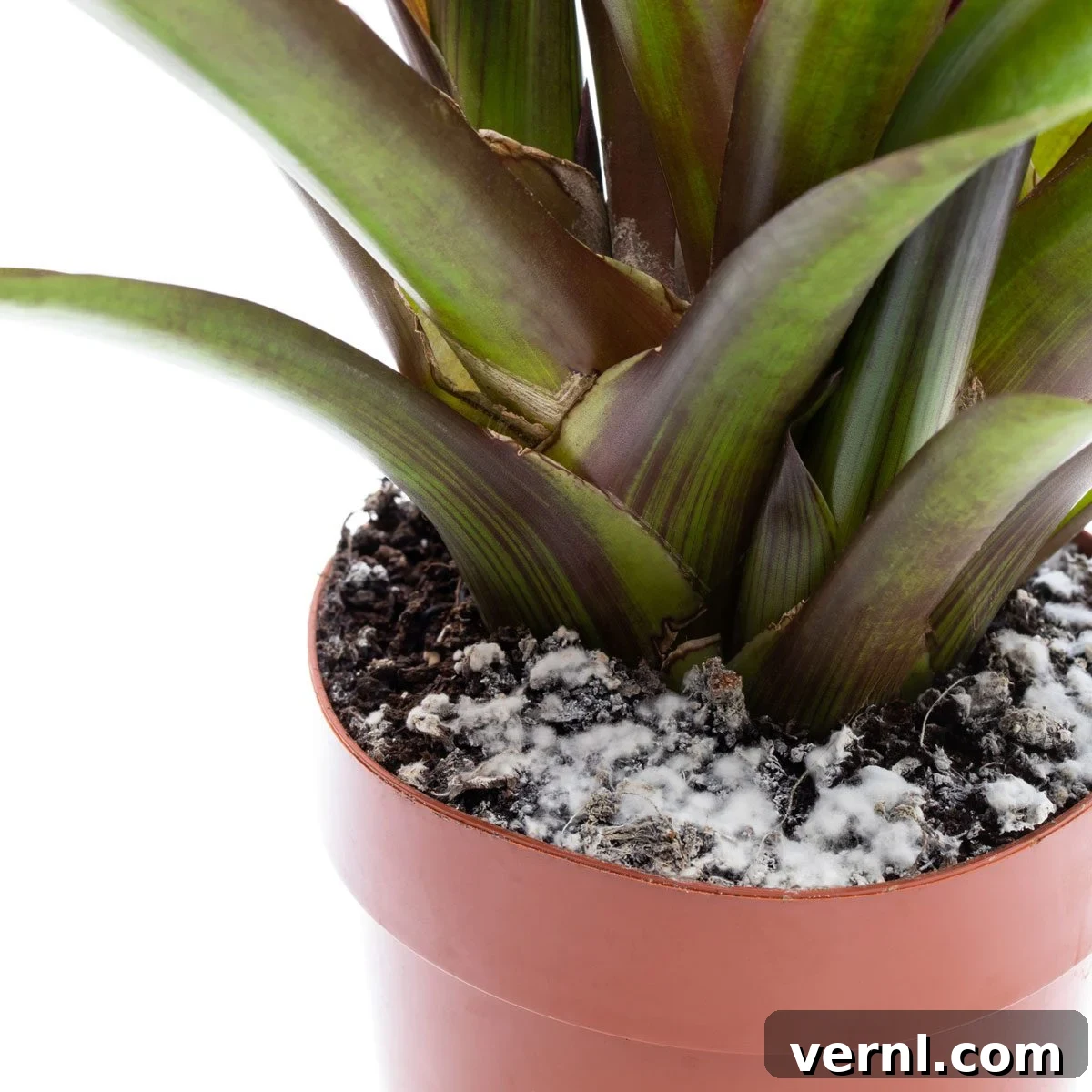
Discovering mold on your houseplant soil can be a disheartening sight for any indoor gardener. Whether it appears shortly after bringing your plants in for the winter or pops up in containers that have been indoors year-round, this common issue can affect both new additions and established members of your leafy collection. Mold growth on soil occurs for a variety of reasons, often signaling an imbalance in your plant’s environment. Understanding the root cause of the problem and knowing how to effectively get rid of it and prevent its recurrence is crucial for maintaining a healthy, vibrant indoor garden and a happy home.
“Most people don’t realize that plants have natural microorganisms that exist around them, just like we have within our bodies and on our skin,” explains Shelby DeVore, founder of Garden.Farm.Thrive. “Many of these microorganisms are necessary for proper plant health.” This intricate symbiotic relationship underscores why living soil is highly beneficial. To foster such an environment, many gardeners actively work to attract beneficial organisms like worms, which aerate the soil and supply much-needed nutrients. Adding compost is another excellent way to introduce these advantageous microorganisms. However, improper plant care practices can easily disturb this delicate natural balance, leading to unwelcome issues like mold. As DeVore notes, “When you start to notice mold emerging on the surface of the potting soil, there’s an issue that needs attention.”
What Causes Mold Growth on Houseplant Soil?
Mold and various other fungal diseases predominantly thrive in environments that are moist, dark, and lack adequate air circulation. Unfortunately, these conditions are remarkably easy to inadvertently create, especially when tending to plants indoors. Being aware of the common culprits can help you avoid them and maintain healthier soil conditions.
Overwatering: The Primary Culprit
One of the most frequent reasons for mold development on houseplant soil is excessive watering. Fungus eagerly consumes any extra water that lingers in a potted plant, and a consistently waterlogged environment is a precursor to more severe problems like root rot. It’s important to remember that houseplants generally require significantly less water than their outdoor counterparts. While outdoor plants benefit from direct sunlight, vast open spaces, and natural breezes that allow their soil to dry out quickly, indoor environments are different. Indirect sunlight, limited air movement, and the enclosed nature of rooms within a home mean that houseplant soil retains moisture for much longer periods. Overwatering not only creates the perfect breeding ground for mold but also deprives roots of essential oxygen, leading to their decay. A simple rule of thumb: always check the soil moisture level before adding more water.
Poor Drainage: A Recipe for Stagnation
Beyond simply overwatering, poor water drainage can also directly contribute to excess moisture and consequently, moldy soil. Several factors can impede proper drainage, including incorrect pot size, the absence of drainage holes, and overly dense soil composition.
- Incorrect Pot Size: Andrew Levi, founder and CEO of PlantTAGG, emphasizes that selecting the appropriate pot size is paramount. “With roots exposed in an oversized pot, you’re more likely to see root rot as plants will be unable to use the amount of water that larger pots can hold,” he explains. A pot that is too large holds an excessive volume of soil and water relative to the plant’s root system, leading to prolonged soil wetness. To avoid this, always measure your plant’s root ball before purchasing a container. Better yet, bring your plant along to the garden store to ensure a perfect fit. Some plants are inherently easier to grow in containers, but even they benefit from careful pot selection.
- Lack of Drainage Holes: Many aesthetically pleasing decorative pots are unfortunately sold without drainage holes. These critical openings are designed to allow excess water to flow freely through the houseplant soil and out of the pot. When drainage holes are absent, all that surplus moisture remains trapped around the plant’s roots, creating a stagnant, waterlogged environment where mold and other fungi can thrive unchecked. Shelby DeVore strongly recommends using containers equipped with several drainage holes, ideally ranging from 1/4-inch to 1/2-inch in diameter, to ensure optimal water runoff.
- Dense Soil: If your potting mix is too dense and compact, water will struggle to escape, leading to prolonged wetness and poor aeration. High-quality potting mix is specifically formulated for container gardening, featuring lightweight components like peat moss, perlite, or coco coir. These ingredients create a porous structure that facilitates excellent drainage and provides essential oxygen to the roots. If your current soil feels heavy or retains too much water, you can amend dense soil by incorporating plain peat moss, perlite, or coco coir, or simply repot your plant entirely into a better-quality potting mix.
Poor Air Circulation: Stagnant Air Invites Trouble
Indoor plants often suffer from inadequate air circulation, a problem that becomes particularly pronounced during the colder months when windows are kept closed. Plants placed in dark corners, on cramped shelves, or grouped too closely together are especially susceptible to developing moldy soil. Sufficient air movement is vital because it helps the houseplant soil dry out more efficiently between waterings. Stagnant air allows moisture to linger on the soil surface, providing the ideal conditions for mold spores to germinate and flourish. Strategically spacing your plants and ensuring some airflow can make a significant difference.
Contaminated Soil: The Source Itself
Sometimes, the potting soil itself can be the source of mold problems. While healthy soil should naturally contain beneficial microorganisms, it is possible for soil to become contaminated with mold spores even before it’s used in a pot. Desiree Thompson, gardener and plant expert at Gardening Services London, advises discarding “any poorly stored compost and always keep your leftover soil in a dry place with holes properly sealed.” It’s also crucial to thoroughly inspect any bag of potting mix before using it, as even well-stored soil can absorb moisture and become a breeding ground for mold if the bag is punctured or improperly sealed. Always opt for fresh, high-quality potting mix and store any unused portions in an airtight, dry environment.
Decomposing Leaves on Surface: A Feast for Fungi
Mold and various other fungal infections thrive on decomposing organic matter. A buildup of dead leaves, fallen flowers, or other plant debris on the surface of the soil provides an excellent food source, actively encouraging the growth of mold. It is essential to promptly remove any dead or decaying pieces of the plant before they accumulate at its base. Regular cleaning of the soil surface not only prevents mold but also discourages pests. While fallen leaves are beneficial as mulch outdoors to reduce yard waste, they should never be left on indoor potting soil.
Will Moldy Soil Harm My Plant?
The presence of mold on your houseplant soil may or may not pose a direct threat to your plant’s health, as its impact largely depends on the specific type of mold involved. Andrew Gaumond, horticulturist at Petal Republic, clarifies that “white mold is relatively harmless to the overall health of the plant,” while “fungal mycelia can be a real issue.” The fuzzy, white mold often seen on soil surfaces is typically a saprophytic fungus, meaning it feeds on decaying organic matter in the soil and generally doesn’t attack living plant tissue. While this type of mold might not directly harm your houseplant, the underlying conditions that allowed such mold growth—such as excessive moisture and poor air circulation—are indeed detrimental to your plant’s long-term health and can lead to more serious issues like root rot. Furthermore, some molds and fungi can be pathogenic, directly causing plant diseases that weaken or even kill your plant.
Beyond the plant itself, the presence of mold in the home can also be problematic for human health. Even non-toxic molds can release spores into the air that may irritate individuals with asthma, allergies, or weakened immune systems. Symptoms can range from respiratory issues and skin irritation to more severe allergic reactions. Therefore, regardless of the mold type, it is always advisable to address and eliminate it promptly, both for the well-being of your beloved plants and the health of your household.
How Do I Get Rid of the Mold on My Plant Soil?
Once you’ve identified mold on your houseplant soil, acting quickly is key. Several methods can help you remove the visible mold and treat the affected area, but remember that addressing the root cause is paramount for long-term prevention.
Many gardeners attest to the effectiveness of cinnamon as a natural anti-fungal agent. To use this method, gently scrape off the visible mold layer from the soil surface, being careful not to disturb the plant’s roots too much. Once the mold is removed, liberally sprinkle some cinnamon powder from your spice drawer over the affected spot. Cinnamon contains cinnamaldehyde, a compound known for its antifungal properties, which can help inhibit further mold growth.
If cinnamon proves insufficient or the mold is persistent, Andrew Gaumond suggests trying a houseplant fungicide spray. Alternatively, a homemade solution of baking soda and water can also be effective. To prepare this, mix one teaspoon of baking soda into one quart of water. Gently spray the solution onto the moldy areas of the soil. Baking soda works by altering the pH level on the soil surface, creating an environment less hospitable for mold. Before applying any solution to your entire plant, it’s always wise to test it on a small, inconspicuous part of the plant or soil to ensure it isn’t too strong or damaging. Once you have successfully removed and treated the mold, the most critical next step is to accurately identify and rectify the underlying conditions that allowed the mold to grow in the first place. Without addressing the root cause, the mold is very likely to return.
How Can I Prevent New Mold from Growing?
Preventing mold from returning to your houseplant soil is all about creating and maintaining the optimal growing environment. This involves striking the right balance of sun, air, soil, and water to keep the natural microbial ecosystem of your soil in check.
Mastering Watering Techniques
The first and most crucial step is to water your plants only when absolutely necessary. While many houseplants come with generic care instructions, Andrew Levi advises against adhering to them rigidly. “Most plant tags that come with a plant provide care guidance for where the plant was grown, not necessarily your home/area,” he cautions. Your specific indoor environment—factors like ambient temperature, humidity levels, and light exposure—will dictate your plant’s actual water needs.
Instead of sticking to a rigid watering schedule, develop a routine of checking the soil moisture level before watering. The most reliable method is the “finger test”: stick your finger a few inches (typically 1-2 inches for most plants, deeper for larger pots) into the soil. If the soil feels dry at that depth, it’s time to water. If it’s still damp, wait a few more days and check again. Alternatively, Hydrospikes or moisture meters can be excellent tools for forgetful plant owners or those who prefer a more precise approach.
Ensuring Proper Drainage
Always opt for pots that have adequate drainage holes. These holes are non-negotiable for healthy plants, as they allow excess water to escape, preventing the soil from becoming waterlogged. If you fall in love with a decorative pot that lacks drainage holes, there are a few workarounds, but they come with caveats. One common solution is to use it as a cachepot: place your plant in a slightly smaller nursery pot with drainage holes, and then set this pot inside the decorative one. This allows you to easily remove the plant for watering and ensures any excess water collects in the cachepot, which you can then drain. Another method is to add a layer of landscape rocks or pebbles at the bottom of the pot beneath the potting soil to create a reservoir for excess water. However, be aware that this solution is not foolproof; without a true drainage hole, water can still sit at the bottom, potentially leading to root rot. Drilling holes into ceramic or clay pots is also an option, but it requires specialized tools and technique, and there’s a risk of the pot shattering. In many cases, if a beautiful pot truly lacks drainage, it’s safer to use it as a cachepot or consider repotting your plant into a more suitable container if mold becomes a persistent issue.
Promoting Good Air Circulation and Light
Placement is key for preventing mold. Ensure your houseplant receives enough sunshine and, critically, sufficient air circulation. This means avoiding tight spaces, forgotten dark corners, or overcrowded shelves where air becomes stagnant. If an open window isn’t an option, especially during colder months, consider using a small fan on a low setting for a few hours a day to mimic a natural breeze. This gentle air movement helps the soil surface dry out more quickly and discourages mold growth. Adequate light also aids in drying out the topsoil.
Choosing the Right Soil and Maintaining Cleanliness
Always start with a fresh, high-quality potting mix specifically designed for houseplants. These mixes are formulated to be well-draining and aerated. If you’re reusing pots, sterilize them first to kill any lingering mold spores or bacteria. Regularly inspect your plants and promptly remove any dead leaves, spent flowers, or other organic debris that falls onto the soil surface. This prevents organic matter from decomposing and becoming a food source for mold. A clean environment is a healthy environment for your houseplants.
FAQs
Can houseplant soil go bad in other ways?
Yes, potting soil can degrade and become unusable over time in several ways. As plants grow, they continuously extract nutrients from the soil, eventually depleting its nutritional content. Over time, the soil structure can also break down, becoming more compact and less aerated, which impedes drainage and root health. Additionally, potting soil can become infested with common houseplant pests such as fungus gnats, fruit flies, or aphids. These infestations not only harm the plant but can also render the soil unsuitable for healthy growth. In all these scenarios—nutrient depletion, structural breakdown, or pest infestation—it’s generally best to replace the existing soil with fresh, high-quality potting mix to provide a renewed, healthy environment for your plant.
Is moldy houseplant soil dangerous to humans?
While most of the white, fuzzy mold commonly found on houseplant soil is saprophytic and generally not directly toxic in the same way black mold can be, it can still pose health risks to certain individuals. These molds release microscopic spores into the air, which can act as allergens. People with weakened immune systems, pre-existing mold allergies, or respiratory conditions like asthma are particularly susceptible to irritation. Symptoms can include sneezing, coughing, watery eyes, skin rashes, or even difficulty breathing. For the general population, prolonged exposure to high concentrations of any mold spores is not advisable. Therefore, even if the mold appears harmless, it’s always best practice to remove it and address the underlying causes to ensure a healthy living environment for both your plants and your household members.
About the Experts
- Shelby DeVore is a gardening expert and founder of Garden. Farm. Thrive., a homesteading website focused on sustainable living and gardening. She holds a master’s degree in agriculture, providing a strong scientific foundation for her practical advice.
- Andrew Levi is the visionary founder and CEO of PlantTAGG, an innovative plant identification, care, and design application tailored for homeowners seeking to simplify their gardening efforts.
- Desiree Thompson is an avid gardener and plant expert associated with Gardening Services London, a professional company renowned for its gardening and landscaping services across London, England.
- Andrew Gaumond is a distinguished horticulturist, botanist, and the director of content at Petal Republic, an online platform specializing in floral information and a flower delivery service.