
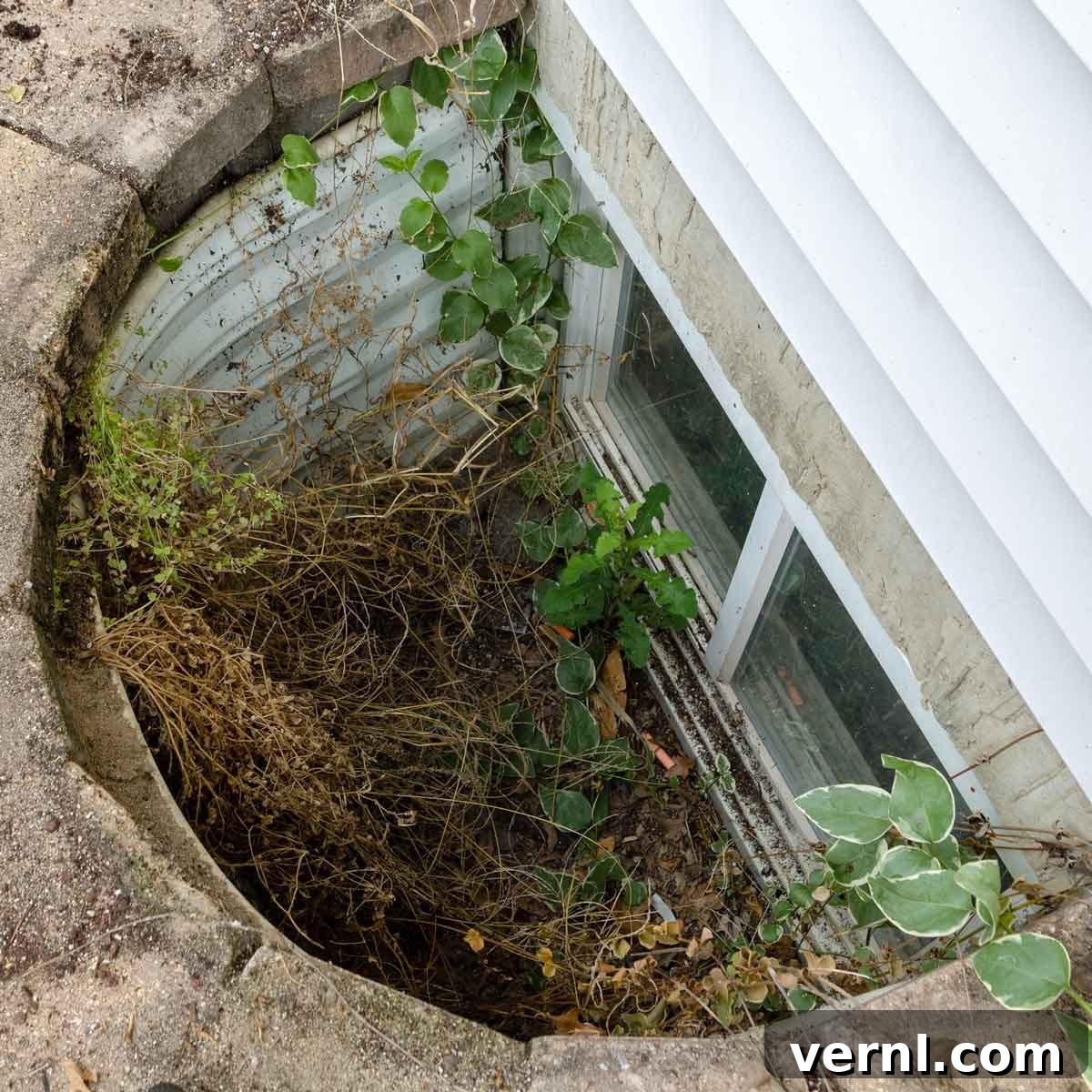
The Ultimate Guide to Window Well Covers: Enhancing Safety, Preventing Flooding, and Boosting Curb Appeal
Basement living spaces are becoming increasingly popular, offering extra bedrooms, family rooms, or home offices. With these spaces often come basement windows, which require special consideration for light, ventilation, and most importantly, safety. This is where window wells and their indispensable counterparts, window well covers, come into play. A well-chosen window well cover is not just an accessory; it’s a critical component for home safety, structural integrity, and even aesthetic appeal. This comprehensive guide will walk you through everything you need to know about these essential home features.
What is a Window Well and Why Do You Need a Cover?
Understanding the fundamental purpose of a window well is the first step in appreciating the value of a cover. These semi-circular, rectangular, or U-shaped structures are designed to create a gap between the surrounding earth and a below-grade or partially below-grade window. They ensure that these windows can effectively bring natural light into the basement and be opened for fresh air and crucial emergency egress.
Understanding Window Wells: More Than Just a Hole
A window well is essentially a reinforced excavation around a basement window that extends below ground level. Its primary function is to hold back soil, allowing the window to operate freely and fulfill its purpose. Without a window well, the earth would press directly against the window, blocking light and preventing it from opening. For egress windows – those specifically designed for emergency escape – a functional window well is legally required and vitally important for safety.
The Indispensable Role of Window Well Covers
Window well covers are sheets of material, typically plastic or metal, meticulously designed to fit securely over these wells. Their role is multifaceted, addressing a range of potential issues that can arise from an uncovered window well.
- Safety First: Protecting People and Pets: This is arguably the most critical function. An open window well poses a serious fall hazard, especially for small children, pets, or even unsuspecting adults. The depth of a window well can range from a few feet to several feet, making a fall potentially dangerous, leading to serious injuries. A sturdy cover acts as a physical barrier, preventing accidental falls and providing crucial peace of mind for homeowners.
- Defending Against Water Damage: A Shield from the Elements: Uncovered window wells are natural collection points for rainwater, melting snow, and ice. When precipitation accumulates in the well, it can exert significant hydrostatic pressure against your basement window and foundation. This pressure can lead to leaks, cracks, and eventually, basement flooding. Even small amounts of water intrusion can lead to costly water damage, mold growth, and compromised indoor air quality. A well-fitting cover diverts water away from the well, protecting your basement from these destructive forces.
- Deterring Unwanted Pests and Debris: Window wells can become cozy homes for various pests, from rodents and snakes to insects, all seeking shelter from the elements. These creatures can then find their way into your basement, creating unsanitary conditions and potential infestations. Furthermore, leaves, twigs, dirt, and other debris can accumulate in an open well, clogging drains and requiring frequent clean-up. A cover prevents these unwanted guests and debris from settling in, keeping your window wells clean and pest-free.
- Boosting Energy Efficiency: While not their primary function, some window well covers, particularly those made of clear plastic, can offer a degree of insulation. They create a pocket of air between the cover and the window, which can help to reduce heat loss in winter and heat gain in summer. This minor thermal barrier can contribute to better energy efficiency for your basement space, potentially leading to small savings on heating and cooling bills.
- Enhancing Curb Appeal and Property Value: A neglected or uncovered window well can detract from your home’s exterior appearance. A clean, well-maintained window well with an attractive, properly installed cover presents a neat and finished look. This attention to detail can subtly enhance your home’s curb appeal and, by extension, its overall property value.
Navigating Building Codes and Egress Requirements
Before purchasing or installing a window well cover, it’s crucial to understand local building codes and egress requirements. These regulations are in place for your safety and to ensure your home meets essential standards.
The Importance of Local Regulations
Building codes are not universal; they can vary significantly from state to state, county to county, and even municipality to municipality. Therefore, you should always consult your local building permits office or a qualified contractor to understand the specific regulations in your area regarding window wells and their covers. These regulations often cover:
- Egress Window Requirements: For any basement window designated as an egress window (meaning it serves as an emergency escape route), the window well cover must not impede escape. This typically means the cover must be easily removable from the inside without special tools or knowledge, and it must allow the window to open fully.
- Size and Dimensions: Building codes may specify minimum dimensions for window wells to ensure adequate space for escape. The cover must, of course, be compatible with these dimensions.
- Load-Bearing Capacity: Some codes may require window well covers to support a certain amount of weight (e.g., hundreds of pounds) to prevent collapse if someone steps or falls onto it. This is especially important for covers that are flush with the ground or in high-traffic areas.
- Ventilation: While covers prevent precipitation, some codes might require certain types of ventilation or ensure that the cover doesn’t lead to excessive moisture buildup.
Failure to comply with building codes can result in fines, difficulty selling your home, or, more importantly, put your family’s safety at risk during an emergency. Always prioritize compliance and consult with local authorities.
Choosing the Perfect Window Well Cover: Key Considerations
With a clear understanding of why window well covers are essential and the regulatory landscape, the next step is selecting the right one for your home. This involves considering several key factors to ensure you get a cover that offers optimal protection, durability, and aesthetic appeal.
Accurate Measurement: The First Step to a Perfect Fit
The most crucial step in choosing a window well cover is obtaining accurate measurements of your existing window well. A cover that doesn’t fit properly will be ineffective, creating gaps for water and pests, or failing to provide adequate safety. To measure, you will typically need:
- Width: Measure the distance across the widest part of the window well, from outside edge to outside edge.
- Projection (or Depth): Measure from the foundation wall to the outermost edge of the window well.
- Height: For some domed or sloped covers, you might need to measure the desired rise above the top of the window well.
Always measure multiple points to account for any irregularities in the well’s shape. It’s often advisable to slightly oversize the cover to ensure it overlaps the well’s edges for a secure fit.
Material Matters: Plastic vs. Metal and Beyond
The material of your window well cover largely dictates its characteristics regarding light transmission, strength, and longevity.
- Polycarbonate Plastic Covers: These are among the most popular options, known for their transparency.
- Advantages: Excellent light transmission, allowing maximum natural light into your basement. Highly impact-resistant, especially polycarbonate, which is significantly stronger than polyethylene and can withstand extreme temperatures, hail, and heavy snow loads. They effectively keep out water, debris, and pests. Many are UV-treated to resist yellowing.
- Disadvantages: Can be prone to scratching over time. May accumulate condensation on the underside in certain weather conditions, requiring occasional cleaning.
- Heavy-Duty Polyethylene Covers: A more budget-friendly plastic option.
- Advantages: Lighter than polycarbonate, easier to install, and still provides good protection against water and debris. More affordable than polycarbonate.
- Disadvantages: Less durable and impact-resistant than polycarbonate. More susceptible to cracking in extreme cold and may degrade faster from UV exposure, leading to brittleness and yellowing over time. Thin plastic options are generally less robust.
- Metal Grate Covers (Steel, Aluminum): These covers are typically flat, horizontal grates.
- Advantages: Exceptional strength and load-bearing capacity, making them ideal for high-traffic areas or where maximum safety is required. Excellent for ventilation and allowing light. Highly durable, especially galvanized steel or aluminum, which resist rust and corrosion.
- Disadvantages: Do not prevent water or fine debris from entering the well. If you choose a metal grate, ensure your window well has an effective drain, or is adequately sheltered by a roof overhang to prevent water accumulation. They offer less aesthetic appeal compared to clear plastic. Aluminum grates are lighter and rust-proof.
- Combination Covers: Some manufacturers offer hybrid solutions, combining a sturdy metal grate with a clear plastic insert underneath. This offers the best of both worlds: the strength and load-bearing capacity of metal, combined with the water and debris protection of plastic.
Strength and Load-Bearing Capacity
The strength of your window well cover is paramount, particularly if safety is a primary concern. Do you need to prevent a child or a large animal from falling into the well, or merely keep out pests and leaves? High-strength covers are rated to hold hundreds of pounds, often meeting ASTM standards for walkability or load capacity. These are typically thick polycarbonate or heavy-duty metal grates. If your primary goal is just to deter small pests and precipitation, a thinner, less robust plastic cover might suffice, but it won’t offer the same level of fall protection.
Shape and Design Options
Window well covers come in various shapes and designs to accommodate different window well configurations:
- Domed or Bubble Covers: Ideal for wells with windows that protrude from the foundation, allowing ample clearance. They maximize light entry and can shed water effectively.
- Sloped Covers: Designed to fit flush against the house and slope away, encouraging water runoff.
- Flat Grate Covers: Primarily metal, these lie flat across the top of the well.
- Custom vs. Universal Fit: While many covers offer a “universal fit” with some adjustability, custom-made covers ensure a perfect seal and aesthetic integration, especially for unusually shaped or sized wells.
Consider the overall aesthetic of your home and landscaping. A well-designed cover can blend seamlessly with your outdoor space, adding to its visual appeal.
Security Features and Ease of Access
For egress windows, the cover must be easily removable from the inside without special tools. However, for safety from the outside, some covers come with locking mechanisms or attachment systems that secure them to the well. These features can deter tampering, prevent accidental removal by strong winds, and ensure children cannot easily lift them. Always strike a balance between external security and internal egress capability.
Installation and Maintenance Tips
Once you’ve selected the ideal window well cover, proper installation and ongoing maintenance will ensure its longevity and effectiveness.
DIY vs. Professional Installation
Many window well covers are designed for relatively straightforward DIY installation, especially universal-fit plastic options. They often come with clips or simple fastening hardware. However, for custom-fitted covers, heavy metal grates, or if you’re unsure about meeting building codes, professional installation is highly recommended. Professionals can ensure proper drainage, secure attachment, and compliance with all safety regulations, particularly concerning egress.
Simple Maintenance for Long-Lasting Protection
Maintaining your window well cover is simple but essential:
- Regular Cleaning: Periodically clean the top and underside of the cover to remove dirt, leaves, and other debris. For plastic covers, a mild soap and water solution with a soft brush or cloth will suffice. Avoid abrasive cleaners that could scratch the surface.
- Check for Damage: Inspect the cover for cracks, bends, or loose fasteners. Repair or replace damaged components promptly to maintain its protective qualities.
- Ensure Proper Drainage: If your well has a drain, ensure it remains clear of debris. If water consistently pools in the well even with a cover, it might indicate an issue with your property’s grading or the well’s drainage system, which should be addressed.
- Winter Preparation: In areas with heavy snowfall, ensure snow is cleared from around the cover to prevent excessive weight accumulation, which could cause damage.
Cost-Benefit Analysis and Longevity
The investment in a window well cover varies significantly based on material, size, strength, and features. However, when considering the potential costs of not having one, it’s clear that it’s a worthwhile investment.
Understanding the Cost Range
- Basic Plastic Covers: Thin, simpler plastic covers typically range from $10 to $50, depending on size and brand. These are often made of polyethylene and offer basic protection against precipitation and light debris, but minimal fall safety.
- Mid-Range Plastic Covers: Thicker, more durable polycarbonate covers, especially those designed with domes or slopes, generally fall into the $50 to $150 range. These offer much better impact resistance and longevity.
- High-End Metal Grates and Strong Plastic Covers: Metal-grate-style covers, particularly those made of heavy-gauge steel or aluminum, and extra-thick, robust polycarbonate covers, can range from $100 to $300 or more per cover. Factors like substantial metal parts, adjustable features, hinges, and custom sizing will increase the price.
- Custom Covers: For unusual sizes or shapes, custom-fabricated covers can be significantly more expensive, potentially reaching $400-$700 or more, but they offer a perfect, seamless fit.
Longevity and Return on Investment
Most high-quality modern window well covers, whether metal or plastic, are designed to last for decades with proper care. Polycarbonate covers are UV-stabilized to resist yellowing and cracking, while galvanized or aluminum metal grates are treated to resist rust and corrosion. The initial cost, especially for a durable, strong cover, is a long-term investment that pays dividends by:
- Preventing Costly Repairs: A single basement flood or significant water damage can cost thousands of dollars to repair, not to mention the inconvenience and potential health risks from mold. A window well cover is an inexpensive insurance policy against such disasters.
- Enhancing Safety: The value of preventing a serious injury or fatality cannot be overstated. This peace of mind is priceless.
- Reducing Maintenance: Keeping debris and pests out means less time spent cleaning your window wells.
- Protecting Property Value: Well-maintained exteriors, including window wells, contribute positively to your home’s market value.
When weighing the options, consider the long-term benefits and the potential costs of neglecting this important home safety and maintenance item. There are a number of factors that play into our list of best window well covers.
Final Thoughts: Invest in Peace of Mind
Window well covers are far more than simple accessories; they are essential components for any home with below-grade windows. From safeguarding children and pets from accidental falls to acting as a vital barrier against devastating water damage and unwelcome pests, their benefits are undeniable. By carefully considering shape, material, strength, and local building codes, you can choose a cover that not only meets your practical needs but also enhances the beauty and value of your home.
Investing in a high-quality window well cover is investing in the safety, integrity, and peace of mind that comes with a well-protected home. Make the smart choice today to ensure your basement spaces remain bright, dry, and secure for years to come.