Virginia Leads the Way: Innovative Penalties for Reckless Speeding with Intelligent Speed Assistance
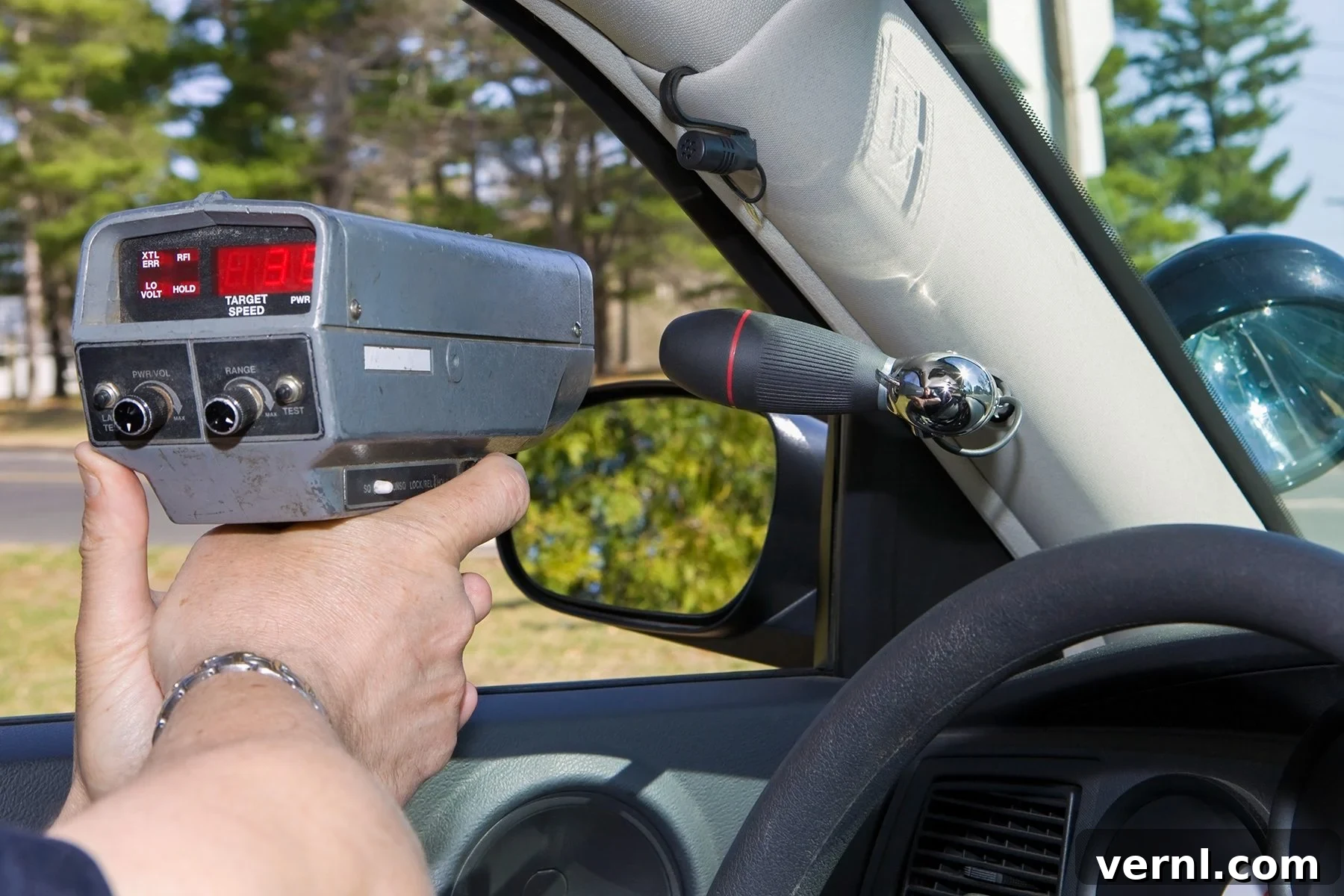
Speeding remains one of the most pervasive and dangerous behaviors on our roads, a universal acknowledgment that often falls short of universal compliance. While most drivers understand the inherent risks, many still find themselves exceeding posted limits, sometimes regularly. The consequences typically involve traffic tickets, fines, and points on a license. However, for more egregious offenses, especially repeated ones, the penalty often escalates to license suspension. Recognizing the limitations of traditional deterrents, several U.S. states have recently explored updated legislation to tackle reckless driving more effectively. Virginia has emerged as a frontrunner in this movement, passing a landmark bill designed to introduce an innovative approach to managing frequent speeders and enhancing overall road safety.
Virginia’s HB2096: The Intelligent Speed Assistance Program Explained
In a significant legislative move, the Virginia governor recently signed into law HB2096: Intelligent Speed Assistance Program. This pioneering bill, slated to take effect on July 1, 2026, introduces a groundbreaking alternative penalty aimed at deterring extreme speeding and fostering safer driving habits across the Commonwealth. The new law provides an additional tool for the state to address severe instances of reckless driving, particularly those involving speeds significantly above the limit.
Under HB2096, drivers apprehended for exceeding 100 miles per hour – an offense that typically results in mandatory license suspension – may now have an alternative. Instead of an immediate suspension of their driving privileges, frequent high-speed offenders can opt to enroll in a specialized program requiring the installation of an Intelligent Speed Assistance (ISA) system in their vehicle. This option is also extended to drivers who have accumulated an excessive number of demerit points on their license, signaling a pattern of unsafe driving. The legislative intent behind this program is dual-faceted: to provide a rehabilitative path for drivers to retain their mobility while simultaneously ensuring their compliance with speed limits through technological intervention. This proactive approach seeks to mitigate future dangerous driving incidents rather than solely imposing punitive measures.
The implementation period leading up to July 2026 provides ample time for the state to establish the program’s operational framework, including approved ISA device vendors, installation protocols, monitoring mechanisms, and public awareness campaigns. This transition phase is crucial for ensuring a smooth rollout and broad understanding among both law enforcement and the driving public regarding the nuances of this new, technologically-driven penalty system.
How Do Intelligent Speed Limiters Work? Understanding the Technology
Intelligent Speed Assistance (ISA) systems, often referred to as speed limiters, represent a sophisticated technological advancement designed to artificially govern a vehicle’s maximum speed. Unlike a standard car, which might effortlessly reach speeds between 120 to 155 mph (despite U.S. speed limits peaking around 85 mph in some areas), a vehicle equipped with an ISA system has its potential top speed electronically constrained to align with legal limits or pre-set parameters.
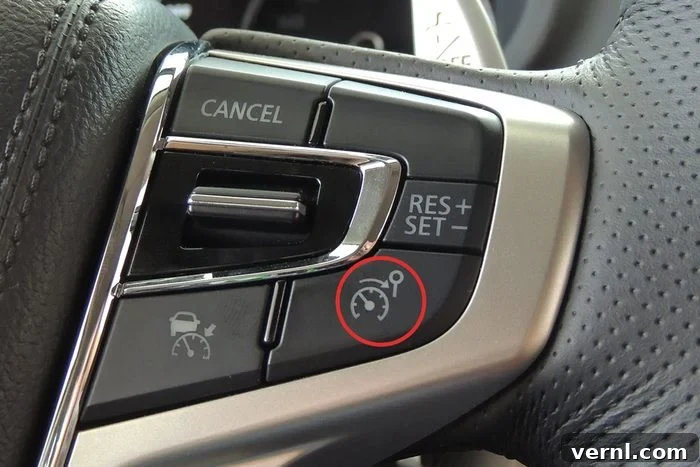
At its core, an ISA system relies on a combination of advanced sensors and real-time data to operate effectively. As detailed by manufacturers like BMW UK, the system continuously measures the vehicle’s current speed using various inputs, primarily wheel speed sensors and GPS data. More advanced systems may also integrate camera-based recognition to read speed limit signs, cross-referencing this information with digital road maps to determine the prevailing legal speed limit. This dynamic data is then relayed to the car’s Engine Control Unit (ECU), which acts as the vehicle’s central processing brain.
If the sensors detect that the vehicle is approaching or has exceeded the speed limit programmed into the device – whether it’s a fixed maximum or a variable limit based on the road – the ISA system communicates with the ECU. The ECU, in turn, takes immediate action to restrict engine power. This is typically achieved by precisely controlling various engine parameters, such as limiting the airflow into the engine, reducing fuel injection, or adjusting ignition timing. By reducing the power output, the system effectively prevents the car from accelerating further or maintains its speed within the permissible range, ensuring compliance without requiring direct driver intervention. While some ISA systems offer advisory warnings (visual, audible, or haptic feedback) to the driver, mandatory systems like those implied by HB2096 are designed for active intervention, preventing the vehicle from physically exceeding the set speed. This ensures that drivers who opt into the program are compelled to adhere to safe speeds, significantly reducing the likelihood of future high-speed incidents.
The Legality and Consequences of Circumventing Speed Limiters
The introduction of Intelligent Speed Assistance as a penalty option raises an important question: can these systems be bypassed or tampered with? While it might be technically possible to attempt to circumvent or modify speed limiting devices, Virginia’s HB2096 explicitly addresses this concern, making such actions illegal and subject to severe penalties. The law classifies any tampering with a court-ordered ISA system as a Class 1 misdemeanor.
A Class 1 misdemeanor in Virginia is a serious criminal offense, carrying potential penalties that include fines of up to $2,500, a jail sentence of up to 12 months, or both. For a driver who chooses the ISA program as an alternative to license suspension, attempting to tamper with the device would not only be a direct violation of the court order but also constitute a new criminal charge. This means that instead of avoiding license suspension, the individual would likely face both the original suspension, additional criminal charges, and potentially even more severe long-term consequences, including enhanced future penalties for traffic offenses or even permanent revocation of driving privileges.
The robust legal framework against tampering is crucial for maintaining the integrity and effectiveness of the ISA program. The state’s investment in this technology is aimed at genuinely improving road safety, not merely offering a loophole for reckless drivers. Authorities are likely to implement monitoring protocols and device checks to ensure compliance. Drivers contemplating this program as an alternative to losing their license should be fully aware that any attempt to “fiddle with the limiter” after installation is a misguided and legally perilous decision that will only compound their troubles, leading to more significant legal ramifications than the initial speeding offense.
Broader Implications and the Future of Traffic Safety
Virginia’s adoption of HB2096 signals a significant shift in how states might approach traffic enforcement and driver rehabilitation. This move carries broader implications, sparking discussions around several key areas beyond immediate penalties.
Potential Impact on Road Safety
The primary goal of the ISA program is to enhance road safety by directly addressing severe speeding. By physically limiting a vehicle’s speed, the likelihood of high-speed collisions – which are often the most fatal – is expected to decrease. This initiative could serve as a model for other states grappling with persistent reckless driving issues, potentially leading to a nationwide trend towards more technologically-driven traffic safety solutions. Early evidence from European countries, where ISA systems are becoming standard in new vehicles, suggests a positive correlation with reduced accident rates.
Privacy Concerns and Data Collection
The use of advanced technology like ISA inevitably raises questions about data privacy. These systems collect data on vehicle speed, location, and driving behavior. Important discussions will revolve around who owns this data, how it is stored, who has access to it, and for what purposes it can be used. Robust privacy policies and transparent data handling protocols will be essential to gain public trust and acceptance.
Public Acceptance and Driver Behavior
Mandatory speed limiters, even as an alternative penalty, represent a significant change for drivers. Public perception and acceptance will be critical to the program’s long-term success. While some drivers may view it as an intrusive measure, others might see it as a fair alternative to losing their license. The success of the program will also depend on its ability to genuinely rehabilitate drivers, teaching them to internalize safe driving practices even after the device is removed.
Economic Considerations
For drivers opting for the ISA program, there will be costs associated with the installation, maintenance, and potential removal of the device. However, these costs might be offset by the ability to continue driving, avoiding loss of employment or other financial hardships associated with license suspension. There might also be long-term economic benefits through reduced accident costs, lower insurance premiums for safer drivers, and decreased strain on emergency services.
A Glimpse into the Future of Driving
Virginia’s HB2096 could be a precursor to a future where automotive technology plays an even more significant role in traffic enforcement and safety. As vehicles become more connected and autonomous, the integration of intelligent systems to manage speed and other driving parameters may become more commonplace, reshaping our understanding of responsible driving and legislative approaches to ensure it.
Conclusion: A New Era for Virginia’s Road Safety
Virginia’s HB2096 represents a bold and forward-thinking step in the ongoing battle against reckless driving and its devastating consequences. By introducing the Intelligent Speed Assistance Program, the Commonwealth is not merely imposing a new penalty but is embracing a rehabilitative and technologically advanced approach to foster safer roads. This innovative legislation offers a critical alternative for frequent speeders, balancing accountability with the opportunity for continued mobility, provided they commit to compliant driving behavior.
As the July 1, 2026, implementation date approaches, all Virginians, particularly those with a history of speeding, are encouraged to understand the implications of this new law. The success of HB2096 will be measured not just in its enforcement but in its ability to fundamentally shift driver behavior, reduce accident rates, and ultimately make Virginia’s roads safer for everyone. This pioneering initiative positions Virginia at the forefront of traffic safety innovation, setting a potential precedent for how other states might leverage technology to address one of society’s most persistent and dangerous driving habits.
Source References
- HB2096 Intelligent Speed Assistance Program; established, penalty., Legal Information System, 2025.
- How Does the Electronic Speed Limiter Work?, BMW UK.