
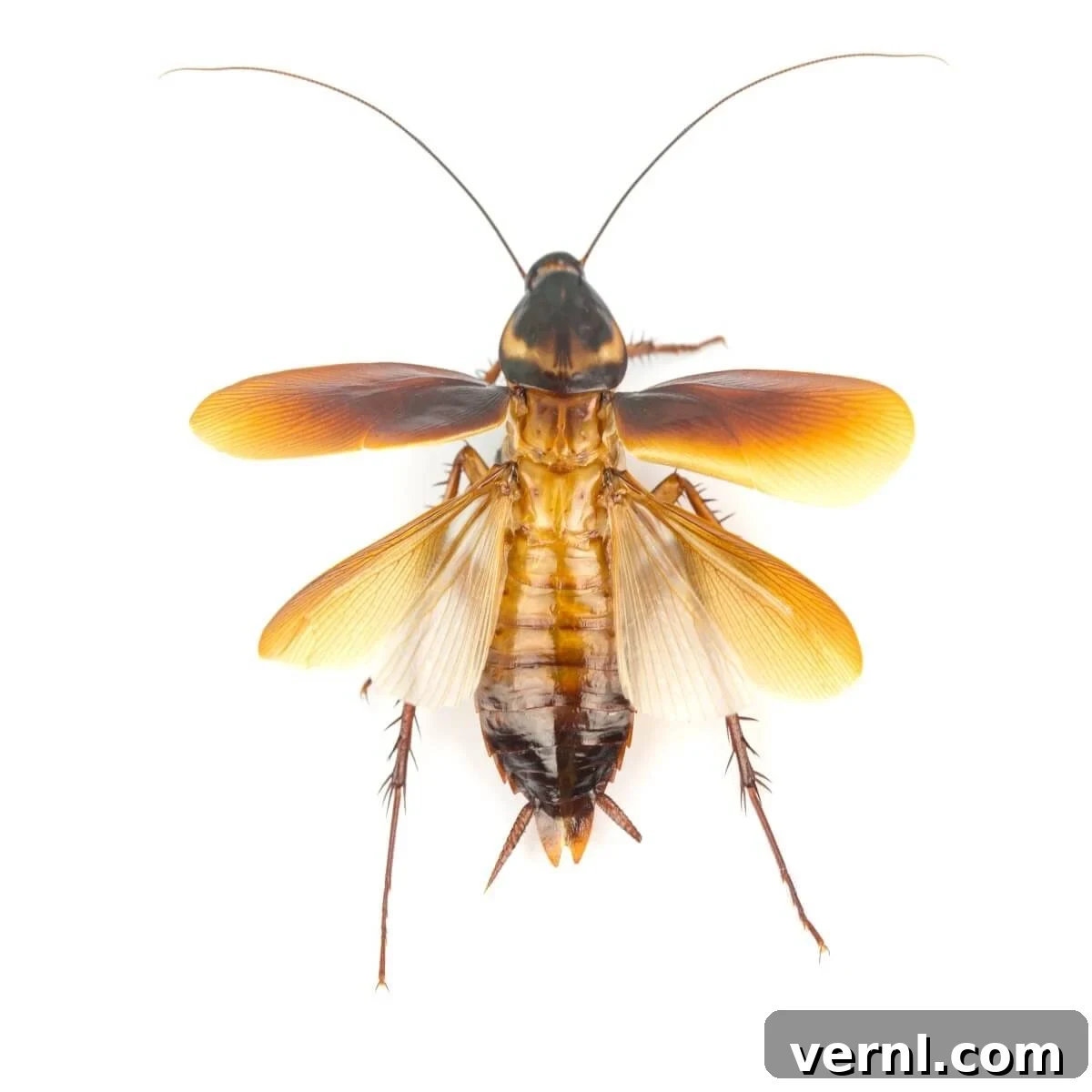
The unsettling truth for many homeowners is that the answer to “do cockroaches fly?” is a resounding yes – at least for some species. While the thought of a crawling cockroach is already enough to make one shudder, encountering a flying one can elevate the experience from simple disgust to outright panic. Not all cockroaches possess the ability to take to the air, but a significant number do, utilizing their wings as a crucial mechanism for safety, escape, and rapid travel. When these winged invaders appear, the challenge of finding an effective pest control solution becomes undeniably more complex, demanding a deeper understanding and more strategic approach to eradication.
Understanding Flying Cockroaches: More Than Just a Crawling Pest
Many of the various species of cockroaches are equipped with wings, a fact that often surprises and alarms those unfamiliar with the diverse capabilities of these ancient insects. However, the presence of wings does not automatically equate to expert aerial performance. A considerable number of winged roaches are, in fact, poor fliers, opting instead to rely predominantly on their swift legs for locomotion. Some species might use their wings primarily for gliding, launching themselves from elevated positions such as a high shelf or a tree branch to descend to a lower surface. This controlled descent allows them to cover distance quickly and escape perceived threats more effectively than crawling alone. Yet, there are several notable species that are quite capable of true flight, soaring through the air with intent, especially when disturbed or seeking new territories.
The distinction between gliding and true flight is important when identifying and dealing with these pests. Gliding often appears less coordinated and more erratic, while true flight can seem more direct. Regardless of their specific aerial prowess, the appearance of a cockroach in flight is a clear signal of a potential infestation and should prompt immediate investigation and action. Their presence can indicate deeper issues within a home or business, ranging from sanitation problems to unsealed entry points.
Common Types of Flying Cockroaches and Their Habits
While the vast world of cockroaches encompasses thousands of species, only a handful are commonly known for their flying capabilities and their propensity to infest human dwellings. Identifying the specific type of flying cockroach you’re dealing with is a critical first step in devising an effective eradication strategy. Each species has unique characteristics, behaviors, and preferred habitats that influence how they should be managed.
- Pennsylvania Wood Cockroach: Primarily an outdoor species, these roaches are strong fliers, especially the males who are often attracted to lights at night, leading them indoors. They are typically found in woodpiles, tree bark, and leaf litter. Males are about 1 inch long and dark brown, while females are shorter and have undeveloped wings, making them poor fliers.
- Smokybrown Cockroach: Distinctive for their uniform mahogany-brown to black color, these large roaches (up to 1.5 inches) are proficient fliers. They are attracted to lights and often enter homes through cracks, vents, or open doors, particularly in warmer climates. They prefer moist, warm environments like attics, crawl spaces, and tree holes.
- Australian Cockroach: Similar in appearance to the American cockroach but smaller (around 1.2 to 1.5 inches) and identifiable by yellow markings on the upper margins of their forewings and a distinct yellow margin on the pronotum. They are strong fliers and prefer warm, humid conditions. Often found outdoors under bark, stones, or in woodpiles, they readily invade homes seeking food and shelter, especially in tropical and subtropical regions.
- Asian Cockroach: These small roaches (about 0.5 inches) are remarkable for their strong and frequent flight, often flying in large numbers during daylight hours, unlike most other nocturnal species. They are pale brown and closely resemble the German cockroach but have a more active flying behavior. They are highly attracted to light and often enter homes through open doors and windows, making them a nuisance in outdoor living areas, particularly in the southeastern U.S.
- American Cockroach: While not the most agile fliers, these large reddish-brown roaches (up to 2 inches) are capable of significant gliding descents. They will often use their wings to glide from high spots, such as the top of a cabinet or a tree, down to a countertop or the ground. True sustained flight is rare, but their powerful glide can be startling. They are typically found in sewers, drains, and basements, preferring warm, damp environments.
Understanding these distinctions is crucial for identifying the specific pest and implementing targeted control measures, as what works for one species may not be as effective for another.
Unveiling Flying Cockroach Behaviors: What You Need to Know
The behavior of flying cockroaches offers important clues for their detection and control. Like most cockroach species, flying roaches are predominantly nocturnal creatures. This inherent characteristic means they are most active under the cover of darkness, foraging for food, water, and mates. Consequently, they can go unnoticed for extended periods, allowing an infestation to grow unchecked. Their hidden lifestyle makes early detection challenging, as most sightings occur during their nighttime excursions or when they are accidentally disturbed during the day.
A significant behavioral trait of many flying cockroach species is their profound attraction to light, particularly bright electric lighting. This phototactic response often leads them indoors, especially during warm evenings. They might navigate towards illuminated windows or fly directly through open doors and gaps around light fixtures. Once inside, they will quickly retreat to dark, secluded areas as soon as the lights are turned off or they feel threatened. This attraction to light, coupled with their nocturnal nature, makes them a sudden and startling presence when encountered in a lit room at night.
Their flight is often described as erratic or clumsy, particularly for species that are not true, strong fliers. When startled, they may take to the air in a seemingly random direction, which can be quite alarming. This evasive maneuver is a primary survival mechanism, helping them escape predators or perceived threats swiftly. Beyond their flight, these cockroaches exhibit the typical scavenging behaviors: they seek out food sources, especially decaying organic matter, starches, sugars, and even non-food items like book bindings and glue. They also require access to water, making damp areas like bathrooms, kitchens, and basements prime habitats.
Understanding these behaviors – their nocturnal activity, attraction to light, and general scavenging habits – is fundamental to effective prevention and control. It helps predict where they might enter, where they might hide, and what attracts them, guiding pest management strategies.
Effective Strategies for Eliminating Flying Cockroaches
Successfully ridding your home or business of flying cockroaches requires a comprehensive and systematic approach. The first and most critical step in any effective pest management plan is accurate identification. Without knowing the specific type of cockroach you’re dealing with, your efforts might be misdirected or ineffective, as different species respond better to particular treatments.
The Critical First Step: Identification
Before applying any control method, take the time to observe and, if possible, capture a specimen for identification. Note its size, color, any distinctive markings (like the yellow on an Australian cockroach’s wings), and its specific behavior (does it fly erratically, glide, or sustain flight?). You can compare these observations with online guides or consult a professional. Correct identification allows you to tailor your strategy to the specific habits and vulnerabilities of the invading species, ensuring maximum efficacy.
Prevention: The First Line of Defense Against Flying Roaches
The most effective long-term solution to any pest problem is prevention. For flying cockroaches, this involves creating an environment that is unwelcome and inaccessible to them. Best practices include establishing a meticulously clean and sanitized environment to deter their entry and cut off their resources:
- Sanitation Excellence: Regularly clean your kitchen, wiping down countertops, stovetops, and floors to remove crumbs, grease, and food spills. Store all food in airtight containers, including pet food. Empty trash cans frequently, and ensure they have tight-fitting lids.
- Moisture Control: Repair any leaky pipes, faucets, or drains promptly. Use dehumidifiers in damp areas like basements and crawl spaces to reduce humidity levels, as many flying species are attracted to moisture.
- Seal Entry Points: Thoroughly inspect your home’s exterior and interior for any potential entry points. Seal cracks and crevices in foundations, walls, and around utility pipes. Install screens on windows and doors, and ensure existing screens are in good repair. Use weather stripping around doors and windows to eliminate gaps. Pay close attention to gaps around vents, chimneys, and electrical conduits.
- Outdoor Management: Keep firewood piles, leaf litter, and other organic debris away from your home’s foundation. Trim shrubs and trees so they don’t touch the house, as these can provide bridges for roaches to enter. Ensure proper drainage around your foundation to prevent standing water.
Targeted Eradication Methods for Active Infestations
Once you’ve identified the species and implemented preventive measures, you can employ various methods that get rid of cockroaches to tackle active infestations:
- Repellents: While not a standalone solution for an infestation, cockroach repellents, both natural (like essential oils such as peppermint or eucalyptus) and chemical, can help deter roaches from specific areas. They are best used as a complementary measure after primary eradication.
- Sprays: Insecticide sprays come in two main types: contact sprays, which kill on contact, and residual sprays, which leave a lasting chemical barrier. Use contact sprays for direct kills and residual sprays in areas where roaches hide and travel, such as baseboards, cracks, and under sinks. Always read and follow product instructions carefully, ensuring adequate ventilation and safety.
- Baits: Gel baits and bait stations are highly effective for many species, especially if placed strategically. Roaches consume the bait, which is often a slow-acting poison, and carry it back to their nests, where it can spread to other roaches. Place baits in areas where you’ve seen roach activity but away from food preparation surfaces and children/pets.
- Traps: Sticky traps or glue traps can be useful for monitoring roach activity and assessing the severity of an infestation. While they can catch individual roaches, they are generally not sufficient for eliminating a large-scale infestation on their own. Place them along walls, under sinks, and behind appliances.
- Pesticides: For severe infestations, professional-grade insecticides or insect growth regulators (IGRs) may be necessary. IGRs disrupt the roach life cycle, preventing nymphs from maturing into reproductive adults. These should be applied with extreme caution and often require professional expertise due to their potency.
When to Call a Professional
If you are having trouble identifying the cockroaches, the infestation is widespread, or your DIY methods are not yielding results, it is highly advisable to call a local professional pest control service. Professionals have the expertise, tools, and access to more powerful treatments to handle unique and persistent situations. They can accurately identify the species, locate hidden nests, and implement an Integrated Pest Management (IPM) plan for long-term control, ensuring your home or business remains free of these unwelcome flying guests.
The Health Risks and Safety Concerns of Flying Cockroach Infestations
Beyond the immediate unpleasantness and the “gross-out” factor, the presence of flying cockroaches in a home or business poses significant health risks and safety concerns. These pests are not merely a nuisance; they are carriers of various pathogens and allergens that can seriously impact human health. Understanding these dangers underscores the urgency of prompt and effective eradication.
One of the primary dangers of flying cockroaches is their ability to transport disease-causing bacteria and viruses. As they scurry through unsanitary environments like sewers, drains, garbage, and decaying matter, they pick up a multitude of harmful microorganisms on their legs, bodies, and digestive tracts. When they subsequently enter your living or working spaces, they can transfer these pathogens to food preparation surfaces, utensils, dishes, and directly onto any exposed food. They are known to carry bacteria such as Salmonella and E. coli, which can cause severe food poisoning, gastrointestinal distress, and other infections. They can also transmit other harmful organisms, contributing to illnesses like dysentery and typhoid fever.
Furthermore, flying cockroaches can trigger allergies and asthma, particularly in sensitive individuals. Their shed skins, fecal droppings, and saliva contain potent allergens that become airborne and can be inhaled. Continuous exposure to these allergens can lead to allergic reactions, skin rashes, eye irritation, and can significantly exacerbate asthma symptoms, especially in children. In environments with heavy infestations, the accumulation of these allergenic particles can create a persistently unhealthy indoor air quality.
Contamination extends beyond bacteria and allergens. Cockroaches regurgitate digestive fluids and leave behind fecal trails as they travel, further contaminating any surface or food item they touch. This not only makes food unsafe for consumption but also creates an unsanitary environment, contributing to a general decline in hygiene standards. The psychological impact of an infestation should also not be underestimated; the constant awareness of their presence can cause significant stress, anxiety, and embarrassment for occupants and business owners.
Given these serious health and safety implications, if you discover flying cockroaches in your home or business, it is imperative to take quick and decisive action to remove them and implement measures to keep them out. Prioritizing pest control is not just about comfort, but about safeguarding the health and well-being of everyone in the affected environment. When handling pest control products or cleaning up after an infestation, always wear gloves and ensure adequate ventilation to protect yourself from chemicals and allergens.
Comprehensive Cockroach Resources for Further Reading
For more in-depth information about cockroaches, including specific species and what their presence signifies in your home or business, explore these valuable pest control articles:
- Types of Cockroaches
- American Cockroach
- German Cockroach
- Oriental Cockroach
- Smokybrown Cockroach
- Brown-Banded Cockroach
- Florida Woods Cockroach
- Pennsylvania Wood Cockroach
- Asian Cockroach
- Australian Cockroach
- Madagascar Hissing Cockroach
- Flying Cockroaches
Authoritative Sources and References
- http://ipm.ucanr.edu/PMG/PESTNOTES/pn7467.html
- https://extension.umd.edu/hgic/topics/cockroaches