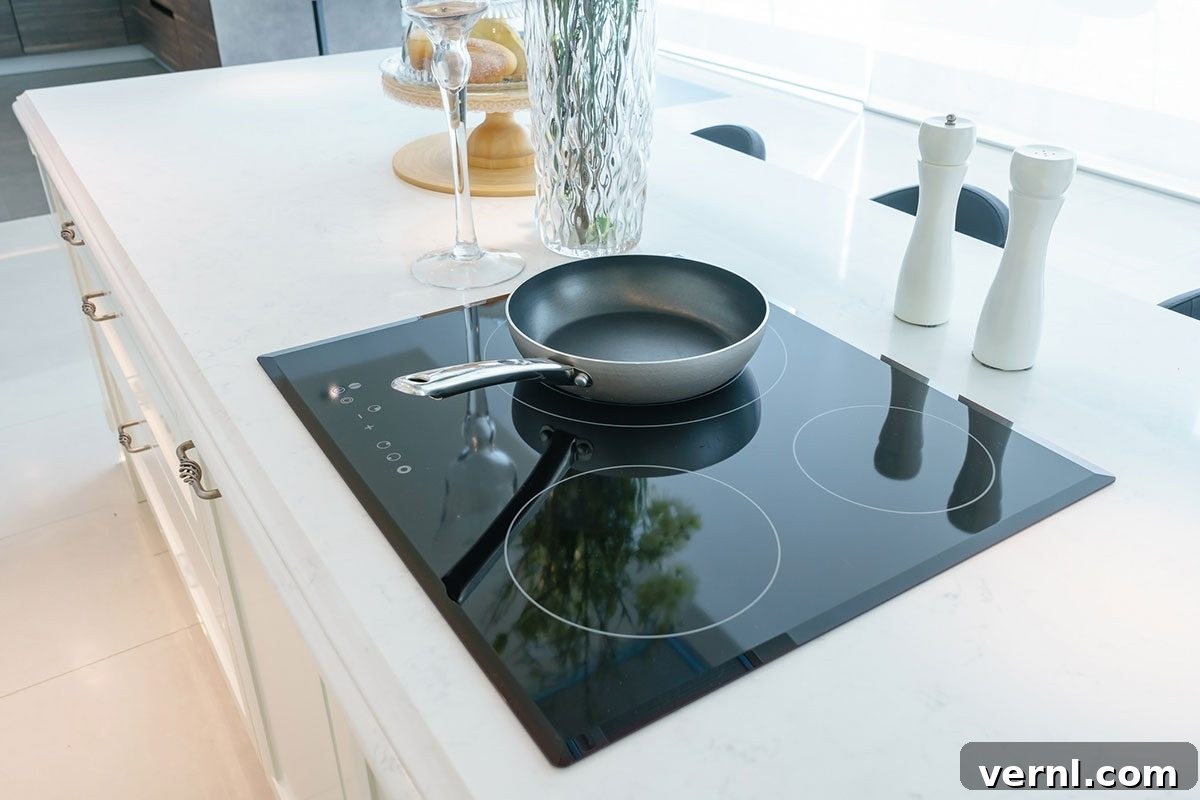
The culinary landscape is evolving, and with it, our kitchens. For many homeowners, the traditional charm of a gas or electric range is giving way to the sleek efficiency of a next-generation induction model. This shift isn’t just a trend; it’s a testament to the increasing demand for energy-efficient kitchen appliances that promise faster cooking times, enhanced safety, and a reduced environmental footprint. As consumers become more conscious about their energy consumption and lifestyle choices, induction stoves are emerging as a leading contender in modern kitchen design and functionality.
While induction cooking technology might seem like a recent innovation making headlines, its roots trace back decades. Pioneers like Frigidaire demonstrated early induction stoves in the 1950s, and Westinghouse even released residential models in the early 1970s. However, it’s only over the past decade that these cutting-edge appliances have truly captured the attention of homeowners, driven by a collective push towards sustainability and advanced cooking solutions.
“From a sustainability perspective, induction cooktops are undeniably the best choice,” affirms Matt Daigle, founder and CEO of the sustainable home improvement company Rise. “Their superior efficiency significantly helps lower your home’s power bills and shrink its carbon footprint. It’s a win-win for both your wallet and the planet.” This endorsement highlights the core appeal of induction technology – a powerful blend of performance and ecological responsibility.
Before you make the pivotal decision to upgrade your kitchen, it’s essential to understand what makes induction stoves unique, how they compare to conventional models, and what factors you should consider. This comprehensive guide will illuminate everything you need to know to determine if an induction stove is the perfect fit for your cooking style and home.
What Is an Induction Stove? Understanding the Technology
To truly appreciate the advantages of an induction stove, it’s crucial to first understand its underlying technology. Unlike traditional electric and gas stoves that rely on thermal conduction, induction stoves operate on a completely different principle: electromagnetic induction.
Conventional stoves, whether gas or electric, transfer heat from a burner to the cookware through direct contact (conduction) or radiant heat. The burner itself heats up, then transfers that heat to the pot or pan, which then heats the food inside. This method means a significant amount of heat is lost to the surrounding air and the stove surface, making the process less efficient and slower.
Induction stoves, however, harness the power of electromagnetism. Beneath the smooth, flat glass or ceramic surface of an induction cooktop lie copper heating coils. When you activate the burner, an alternating electric current flows through these coils, generating a rapidly oscillating magnetic field. When a piece of induction-compatible cookware – specifically, a pot or pan made of a ferromagnetic metal like cast iron or magnetic stainless steel – is placed on this surface, the magnetic field penetrates the metal. This interaction induces an electric current directly within the cookware itself. This induced current causes the pot or pan to heat up almost instantly, while the cooktop surface itself remains cool to the touch. This direct heating of the cookware minimizes heat loss and dramatically improves efficiency.
It’s an almost magical process: the food cooks rapidly, yet the surface beneath your pot stays relatively cool. (A small note of caution: while the induction element itself doesn’t generate heat, the hot food and pan can transfer some residual heat back to the stovetop, causing the burner area to warm up. Many models incorporate a red warning light to indicate this residual heat, preventing accidental burns.)
The implication of this technology is profound. A much higher percentage of the energy generated goes directly into cooking your food, rather than dissipating into the surrounding kitchen environment. As Matt Daigle explains, “Gas stoves only use approximately 40 percent of the heat generated to actually cook food. Traditional electric cooktops fare slightly better, utilizing about 65 to 75 percent, whereas induction cooktops boast an impressive efficiency rate of around 90 percent.” This unparalleled efficiency translates into tangible benefits for home cooks.
Beyond the reduced heat dispersion, the speed of induction cooking is another major advantage. There’s no waiting for a burner to heat up, then for that heat to transfer to the pan, and finally to the food. The heat is generated directly in the cookware itself, cutting cooking and boiling times significantly. This means less time spent waiting and more time enjoying your culinary creations.
Induction Stove vs. Electric Stove: A Head-to-Head Comparison
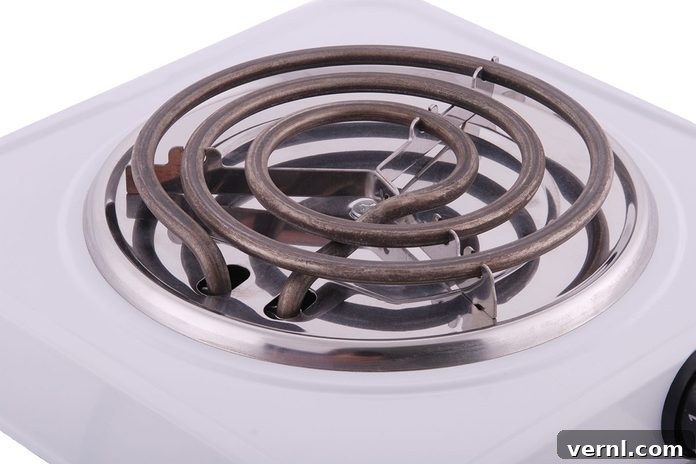
At first glance, an induction stove and a modern electric stove often share a similar aesthetic: a sleek glass stovetop that contributes to a contemporary kitchen look. While both require electricity to operate, their functional similarities largely end there. Understanding their distinct mechanisms is key to appreciating their individual pros and cons.
Traditional electric coil cooktops use resistive heating elements that glow red hot. More modern smooth-top electric stoves have heating elements beneath a ceramic glass surface that radiate heat to the cookware. In both cases, the heat originates from the element and is then transferred. Induction, as discussed, creates heat directly within the cookware itself via electromagnetism. This fundamental difference leads to a vastly different cooking experience.
Induction Stove: The Modern Cook’s Choice
Pros:
- Unmatched Energy Efficiency: With minimal heat dispersion, nearly all the energy goes directly into the food. This leads to significantly faster cooking times and keeps your kitchen cooler, especially during summer months, reducing the load on your air conditioning.
- Exceptional Temperature Control: Induction burners heat up and cool down almost instantaneously. This precision allows for incredibly fine-tuned temperature adjustments, similar to gas, but often with even greater responsiveness. You can go from a rolling boil to a gentle simmer in seconds, providing unparalleled control for delicate sauces or searing meats.
- Enhanced Safety Features: Induction stoves offer a level of safety unmatched by other types. If cookware becomes too hot, many burners will automatically shut down. As chef and residential appliance technology specialist Andrew Forlines explains, “If an emergency pulls someone away from cooking when the heat of the cooking vessel goes above a typical cooking temperature, the induction burner will sense this and shut off, preventing potential hazards.” Furthermore, burners only activate when compatible cookware is placed on top, eliminating the risk of leaving an unattended hot burner.
- Cool-to-the-Touch Surface: Because the cooktop itself doesn’t generate heat, the surface remains relatively cool. This means spilled food doesn’t bake onto the surface, making cleanup incredibly easy and immediate after use.
- Faster Cooking Times: The direct heating method drastically cuts down on boiling and cooking times, saving you valuable minutes, especially during busy meal preparations.
Cons:
- Higher Initial Cost: Induction ranges and cooktops are generally more expensive to purchase than traditional electric models, representing a larger upfront investment.
- Cookware Compatibility: Induction requires cookware made from ferromagnetic materials. While “any magnetic metal will work with induction,” as Forlines notes, meaning if a magnet sticks to your cookware, it’s compatible, this means some older pots and pans (e.g., aluminum, copper, glass, non-magnetic stainless steel) may not work. This might necessitate an additional investment in new cookware.
- Learning Curve: The speed and precise control of induction can take some getting used to. Until you adapt to its responsiveness, there’s a slight risk of overcooking food, particularly for those accustomed to the slower heating of electric stoves.
- Potential for Noise: Some induction units may produce a slight buzzing or humming sound, especially at higher settings, or a fan noise as internal components cool. This is usually minimal but can be noticeable to some users.
Electric Stove: The Familiar Standard
Pros:
- More Affordable Purchase Price: Electric stoves are typically less expensive upfront, making them a more budget-friendly option for many households.
- User-Friendly and Familiar: Most home cooks are familiar with electric stoves, making them intuitive and easy to use without a steep learning curve.
- Universal Cookware Compatibility: Any type of cookware will work with electric burners, whether they are coil or smooth-top radiant models, eliminating the need for special pots and pans.
- Retained Heat for Warming: The residual heat from the burners can be beneficial for keeping food warm after cooking, a feature highlighted by The Brilliant Kitchen chef Grace Woinicz.
Cons:
- Less Energy-Efficient: Electric stoves lose a considerable amount of heat to the surroundings while heating up and during cooking. This inefficiency translates to higher electricity bills over time compared to induction.
- Slower Cooking Times and Response: It takes time for the electric elements to heat up and then transmit that heat to the cookware. Similarly, adjusting the temperature isn’t instant; there’s a lag as the elements cool down or heat up, making precise control more challenging.
- Safety Concerns from Residual Heat: While residual heat can keep food warm, it also presents safety issues. “You can’t touch or clean the stove for a while after cooking,” Woinicz warns, “and it is also a significant risk if you have children or pets at home.” The hot surface can cause severe burns long after the cooking is finished.
- Cleaning Challenges: For smooth-top electric models, spills can bake onto the hot glass, requiring more effort and specialized cleaners to remove. Coil models have numerous nooks and crannies that trap food debris and grease, making them notoriously difficult to clean thoroughly.
Induction Stove vs. Gas Stove: The Flame vs. The Field
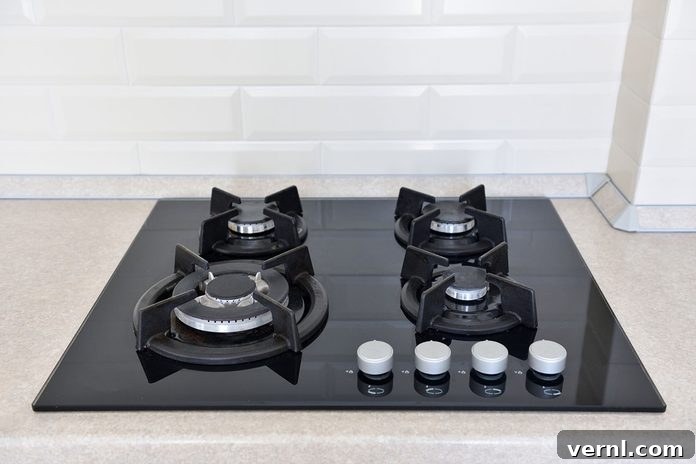
The debate between gas and electric has long been a staple in kitchen discussions, with many chefs and home cooks favoring the visual feedback and instant heat of a gas flame. However, induction cooktops introduce a powerful third contender that challenges the traditional reign of gas, offering distinct advantages and disadvantages.
Gas stoves operate by burning natural gas or propane, producing an open flame that directly heats the cookware. This method is responsive but inherently inefficient and carries certain risks. Induction, as we know, uses electromagnetic fields to heat the cookware directly, without any open flame or radiant heat from the stovetop itself. These fundamental differences create a unique set of pros and cons for each.
Induction Stove: The Efficient Innovator
Pros:
- Superior Energy Efficiency: As previously noted, induction is significantly more efficient than gas, directing up to 90% of its energy directly to the cookware. This means less wasted energy, lower utility bills, and a smaller environmental impact.
- Precise Temperature Adjustment: Induction offers incredibly fine-tuned control over cooking temperatures, rivaling and often surpassing gas ranges in responsiveness. Heat changes are instantaneous, allowing for perfect searing, simmering, and boiling with immediate feedback.
- Enhanced Safety Features: Without an open flame, the risk of accidental fires or burns from the cooktop surface is drastically reduced. Induction stoves incorporate safety features like automatic shut-off when cookware is removed or overheats, hot-burner warning lights for residual heat, and activation only with compatible pots and pans, making them a safer choice for families, especially those with children.
- Cooler Kitchen Environment: Because very little heat escapes into the air, cooking with induction keeps your kitchen much cooler and more comfortable, a noticeable benefit during warmer months.
- Improved Indoor Air Quality: Gas stoves release combustion byproducts, including nitrogen dioxide and carbon monoxide, which can negatively impact indoor air quality. Induction stoves produce no such emissions, contributing to a healthier home environment.
- Effortless Cleaning: The smooth, flat glass surface of an induction cooktop remains relatively cool, preventing spills from baking on. Cleaning is as simple as a quick wipe-down immediately after cooking, a stark contrast to the intricate cleaning required for gas grates and burner caps.
Cons:
- Higher Initial Purchase Cost: Induction stoves typically cost more upfront than gas models. While operational costs may be lower due to efficiency, the initial investment is higher.
- Cookware Compatibility: Similar to the electric comparison, only ferromagnetic cookware will activate induction burners, meaning some existing pots and pans may need to be replaced.
- Less Intuitive for Some: Cooks accustomed to the visible flame of a gas stove might find the invisible heat generation of induction less intuitive initially. There’s no flame to judge heat intensity, relying instead on precise digital controls.
- Potential for Glass Top Damage: The glass or ceramic surface of an induction cooktop, while easy to clean, can be susceptible to scratches or cracks from heavy impacts or abrasive cleaning materials.
- Electrical Requirements: Upgrading from a gas range to an induction range often requires a dedicated 240V electrical outlet, which may involve professional electrical work and additional costs if not already present.
Gas Stove: The Traditional Powerhouse
Pros:
- Lower Purchase Cost: Gas stoves are often less expensive to buy than induction models, making them a more accessible option for many budgets.
- Immediate and Visible Heat: The instant, visible flame allows for immediate heat adjustments and provides a clear visual cue for heat intensity, which many cooks find intuitive and precise.
- Universal Cookware Compatibility: Most types of cookware can be used on a gas stove, offering greater flexibility without needing to purchase special pots and pans.
- Durable Surface: Gas stovetops typically feature sturdy metal grates that are less prone to scratching or breaking compared to glass surfaces.
- Operates During Power Outages: In many cases, gas stoves can still be lit manually and used during a power outage, offering a reliable cooking method in emergencies (though the igniter will require a match).
Cons:
- Environmental and Health Concerns: “For homeowners who are mindful of their footprint on the planet, transitioning away from gas to electric appliances like induction cooktops should be a priority,” says Daigle. Gas stoves release greenhouse gases and indoor air pollutants, contributing to climate change and potentially impacting respiratory health if not properly ventilated.
- Safety Risks: Gas stoves present several inherent safety issues, including the risk of gas leaks, carbon monoxide poisoning (if ventilation is inadequate), and the obvious dangers of an open flame, which can ignite clothing, paper, or cause burns.
- Less Energy-Efficient: A significant amount of heat from a gas flame escapes around the sides of the pan, making it less efficient than induction cooking.
- Higher Operational Costs: While natural gas is often cheaper than electricity in many regions, the lower efficiency of gas stoves can lead to comparable or even higher overall energy expenditures depending on usage and local utility rates.
- Challenging to Clean: The grates, burner caps, and drip trays of gas stoves can be cumbersome and time-consuming to clean, often requiring disassembly to thoroughly remove baked-on food and grease.
- Heat Contribution to Kitchen: The open flame and wasted heat can significantly warm up your kitchen, making it less comfortable, especially in warmer climates or during summer.
How Much Do Induction Stoves Cost? Understanding Your Investment
The price tag is often a significant factor in any appliance purchase, and induction stoves, while offering premium features, generally command a higher initial investment compared to their traditional counterparts. Entry-level induction cooktops and ranges typically start at about $1,000. For mainstream brands, prices generally range up to about $2,500 for a well-featured model. However, for those seeking top-tier performance, advanced features, or designer aesthetics, you can easily splurge on high-end induction stoves costing upwards of $5,000.
In comparison, traditional gas and electric stoves often start a few hundred dollars lower on the entry-level. However, it’s worth noting that the pricing spectrum for all stove types is wide. A top-of-the-line gas stove with professional-grade features or a high-end electric model can easily rival, or even exceed, the cost of a premium induction stovetop.
When evaluating the cost, it’s crucial to look beyond the initial purchase price. Consider the long-term operational costs: induction’s superior energy efficiency can lead to noticeable savings on your utility bills over the appliance’s lifespan, potentially offsetting the higher upfront cost over time. Additionally, factor in potential installation costs. While replacing an existing electric range with an induction model might be straightforward, switching from gas to induction will likely require a new dedicated 240V electrical circuit, which can involve professional electrician fees. Conversely, installing a new gas line for a gas stove where one doesn’t exist can also incur significant costs. These factors should all be weighed into your overall budget and decision-making process.
How to Clean an Induction Stove: Simplicity and Hygiene
One of the most universally praised advantages of an induction stove is the remarkable ease of cleaning, a significant upgrade for anyone accustomed to the challenges of maintaining traditional cooktops. The flat, smooth glass surface of an induction stove, devoid of the intricate grates, burners, and crevices found on gas or coil electric models, inherently reduces the places where food, grease, and residue can become trapped and baked on.
More importantly, because the induction surface itself doesn’t get intensely hot (it only warms from residual heat transferred from the hot pan), spilled and boiled-over food doesn’t typically cook onto the glass. This is a stark contrast to smooth-top electric stoves, where spills can quickly bake into a stubborn, crusty mess that requires considerable effort and specialized tools to remove.
Cleaning an induction cooktop is generally a quick and straightforward process, making daily maintenance a breeze. “Start by using a damp wipe to clean off any cooking spills as soon as the cooktop has cooled slightly,” advises Grace Woinicz. “Then, pour a small amount of induction cooktop cleaner on the surface and spread it around with a soft, wet towel. Finally, use a dry, clean cloth to wipe off the cleaner and buff the surface to a streak-free shine.”
For tougher, dried-on stains, a specialized non-abrasive cooktop scraper can be used at an angle to gently lift residue without scratching the glass. It is absolutely crucial, however, to heed Woinicz’s additional warning: “Avoid using any abrasive sponges, scouring pads, or steel wool to wipe down an induction stovetop, as these can easily scratch and permanently damage the delicate glass surface.” Sticking to soft cloths and approved cleaners will ensure your induction cooktop remains pristine and functional for years to come.
Is an Induction Stove Right for Your Kitchen?
Deciding to switch to an induction stove is a significant upgrade that promises a blend of modern aesthetics, unparalleled efficiency, and advanced safety. For those prioritizing energy savings, precise cooking control, and a healthier kitchen environment, induction cooktops present a compelling argument. Their ability to deliver rapid heat changes, coupled with a cool-to-the-touch surface and easy cleanup, makes them a dream for avid cooks and busy households alike.
However, it’s important to consider the initial investment and the potential need to replace incompatible cookware. If you’re ready to embrace new technology, adjust to its rapid responsiveness, and potentially upgrade your kitchen’s electrical infrastructure, an induction stove could revolutionize your cooking experience. It’s more than just a kitchen appliance; it’s an investment in efficiency, safety, and a smarter way to cook.