
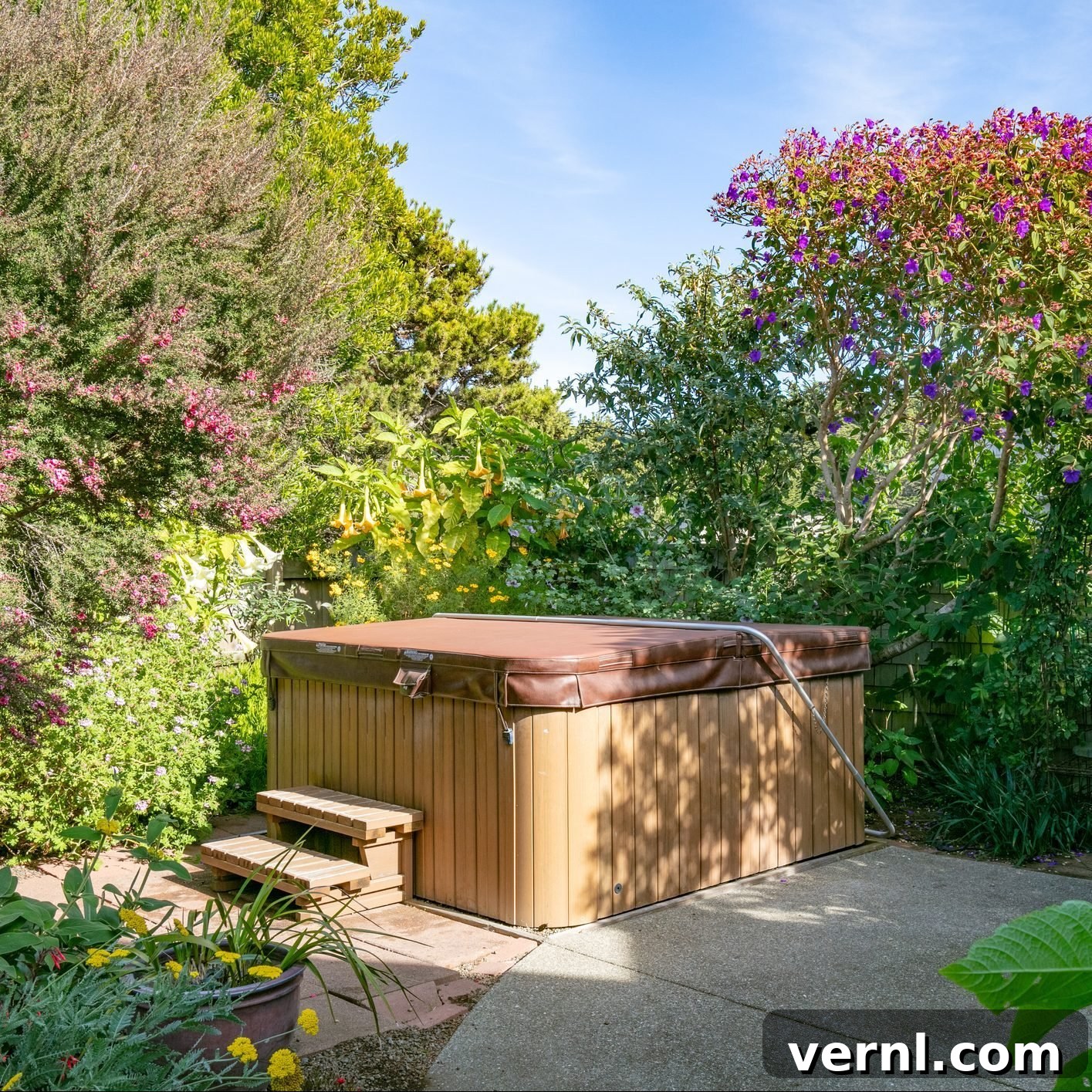
Comprehensive Guide: How to Efficiently Remove Your Old Hot Tub
An old hot tub, once a source of relaxation and luxury, can eventually become an eyesore or a burden. Perhaps it has fallen into disuse due to disinterest, suffered irreparable damage, or simply came as an unwanted fixture with your new home. Whatever the reason, when the time comes to bid farewell to your hot tub, understanding your removal options is crucial for a smooth and efficient process. This comprehensive guide will walk you through various methods, from DIY demolition to professional removal, and even creative repurposing, ensuring you make an informed decision.
Before embarking on any removal project, remember this critical safety note: Whether you’re disposing of an indoor or outdoor hot tub, it is absolutely essential to shut off both the power and water supply to the unit. Locate the dedicated circuit breaker for the hot tub in your main electrical panel and switch it to the “off” position. Additionally, close the water shut-off valves feeding the tub. If you are not entirely comfortable disconnecting exposed wiring or plumbing yourself, or if your local regulations require it, always hire licensed electricians and plumbers. Their expertise ensures the work is done safely and correctly, preventing potential hazards.
Step 1: Essential Pre-Removal Preparations
Regardless of the disposal method you choose, a few preparatory steps are universal and paramount for safety and efficiency. Taking the time to properly prepare your hot tub for removal will save you headaches, and potentially costly mistakes, down the line.
Disconnecting Power and Draining Water
- Electrical Disconnection: As mentioned, the first and most critical step is to cut off all electrical power. This typically involves flipping the dedicated circuit breaker for the hot tub in your home’s electrical panel. For extra safety, you might also consider testing the lines with a non-contact voltage tester to confirm no power is running to the unit. If the hot tub is hardwired, or if you’re unsure, consulting a licensed electrician is highly recommended to prevent electrical shock.
- Draining the Tub: Emptying the hot tub of all water is the next crucial step. Most hot tubs have a drain valve, usually located at the bottom. Attach a garden hose to this valve and direct the water to a suitable drainage area, such as a storm drain (if permissible by local regulations), a large planter, or a lawn area away from your foundation. If your hot tub doesn’t drain completely, or if you need to speed up the process, a submersible utility pump can quickly remove remaining water. Ensure all lines and jets are as dry as possible to minimize weight and potential mess during removal.
- Disconnecting Plumbing: Once drained, disconnect any remaining plumbing lines. Look for unions or clamps that allow pipes to be unscrewed or detached. Have towels ready for residual water and consider capping exposed pipes if you plan to keep the water supply active for other uses.
Gathering Safety Gear and Tools
For any hands-on removal, proper safety gear is non-negotiable. Equip yourself with sturdy work gloves, eye protection, and a dust mask, especially when cutting materials like fiberglass or acrylic. Depending on your chosen method, you might also need a heavy-duty reciprocating saw (like a Sawzall), wrenches, a pry bar, a utility knife, and potentially a hammer or sledgehammer.
Option 1: The DIY Demolition & Disposal (Trash It)
If you’re a hands-on DIY enthusiast looking for a cost-effective solution and are comfortable with manual labor, dismantling your hot tub yourself and disposing of it piece by piece might be your preferred route. While this method can be labor-intensive and less environmentally friendly than some alternatives, it offers the benefit of working on your own schedule and without immediate additional costs.
Demolishing Your Hot Tub Step-by-Step
Once the power and water are disconnected, and you’ve donned your safety gear, you can begin the demolition process:
- Remove the Outer Cabinet: Start by unscrewing and removing the exterior cabinet panels. These are often made of wood, composite, or synthetic materials. Set these aside; they might be useful for other projects or can be easily cut for disposal.
- Access Internal Components: With the cabinet gone, you’ll have access to the hot tub’s internal workings: pumps, heaters, blowers, electrical components, and extensive plumbing. Disconnect and remove these parts. Many of these components contain valuable metals and plastics that can often be recycled at specialized facilities or even sold for scrap, preventing them from ending up in a landfill.
- Cut the Shell: This is often the most challenging part. The hot tub shell is typically made of acrylic or fiberglass, reinforced with foam insulation. A powerful reciprocating saw, such as a Milwaukee Super Sawzall, fitted with blades designed for metal and composite materials, is ideal. Start by cutting the rim, then work your way down, sectioning the shell into manageable pieces. The insulation foam can be quite thick and stubborn, requiring persistent cutting. Be prepared for a fair amount of dust and debris.
- Bag and Dispose: Once cut into small enough pieces, bag the debris and place it in your regular trash bins for curbside pickup, adhering to your local waste management guidelines regarding size and weight limits. This often means breaking it down into truly small fragments, which can be time-consuming.
Environmental Considerations and Salvage Opportunities
Acknowledging that sending a hot tub directly to a landfill represents one of the least environmentally friendly methods of disposal, you can mitigate its impact. These units are built to last, meaning many of their components retain significant value. Consider salvaging:
- Pumps and Motors: If in working condition, these can be sold to hot tub repair companies, dealers, or individuals looking for spare parts.
- Heaters: Functional heaters are also valuable.
- Jets and Controls: Smaller components might find a new life.
- Metal Components: Copper wiring, stainless steel heaters, and other metal parts can be taken to a metal recycling facility.
Listing these salvaged parts on online marketplaces like Craigslist or Facebook Marketplace can often fetch a few dollars and keep them out of the waste stream.
Hauling to a Transfer Station
If dismantling seems too daunting, and you have access to a truck or trailer and a little extra help, you could haul the hot tub, either whole or in large sections, to a local transfer station or landfill. These facilities typically charge a fee based on weight or volume, but it can be a quicker alternative to cutting it into tiny pieces. Always check with your local transfer station first regarding their policies on accepting large items like hot tubs and any specific preparation required.
Option 2: Professional Junk Removal (Junk It)
For those who prefer a completely hands-off approach, hiring a professional junk removal service is an excellent option. An online search for “hot tub removal service near me” will yield numerous vendors who specialize in this task. They will typically come to your home, load up your hot tub (often cutting it into pieces on-site if necessary), and haul it away — no questions asked and no sweat broken on your part.
The convenience is unparalleled: you don’t need tools, time, or physical exertion. However, the environmental impact can vary significantly. More environmentally conscious haulers will make an effort to recycle or salvage anything with value, diverting components like metals, pumps, and some plastics from landfills. Others might simply make a beeline to the nearest landfill. When soliciting quotes, it’s worthwhile to inquire about their disposal practices and whether they prioritize recycling to align with your environmental values. Costs will vary depending on the hot tub’s size, accessibility, and your location, so obtain multiple quotes to ensure a fair price.
Option 3: Trading Up (Trade It)
If your decision to remove your old hot tub is driven by a desire for an upgrade, explore trade-in programs offered by hot tub dealers. Many reputable dealers, especially when you buy a new hot tub from them, operate such programs. Your existing hot tub, even if old or slightly in disrepair, may hold some trade-in value that can be applied towards the purchase of a brand-new model.
This option offers dual benefits: you get a new, modern hot tub, and the dealer often handles the entire removal process of your old unit, saving you time and effort. Be sure to discuss this possibility directly with your dealer during the sales process, or check manufacturer and dealer websites for promotional materials regarding trade-in allowances. The value offered will depend on the age, brand, condition, and market demand for your specific hot tub.
Option 4: Selling Your Hot Tub (Sell It)
Just because you no longer want your hot tub doesn’t mean someone else won’t. There’s a vibrant market for used hot tubs, especially for those in decent working order. Selling your hot tub can recoup some of your investment and ensure it finds a new home rather than a landfill.
No-fee online marketplaces are your best friends here. Platforms such as Craigslist, Nextdoor, Facebook Marketplace, and local online classifieds can produce quick results. When listing, be descriptive: include its dimensions, age, features, any known issues, and clear, well-lit photos. Our research reveals that trying to give it away for “free” can sometimes be a mistake. People often assume that “free” translates to “needs costly repairs” – even if you advertise it as fully operational. Best to tag it with a price, even a modest one, ranging from $100 to $500 (or potentially more for newer, high-end models in excellent condition). This helps establish its perceived value. Be prepared to assist the buyer with disconnection and loading, or make it clear that pickup and removal are their responsibility. Always arrange for safe transactions, preferably in a public place or with a friend present.
Option 5: Repurposing and Recycling (Get Creative)
For the environmentally conscious and creatively inclined, repurposing an old hot tub offers a fantastic way to give it a second life and avoid the landfill entirely. With a bit of imagination and effort, your old hot tub can transform into something entirely new and functional for your home or garden.
Transforming into a Water Feature or Pond
One of the most popular and aesthetically pleasing repurposing ideas involves converting the hot tub structure into a stunning water feature or a backyard pond. The existing shell provides a ready-made, watertight basin. With a shovel, some masonry sand for leveling, and a durable rubber pond lining (to ensure long-term integrity and hide the original hot tub aesthetic), you’re well on your way. You can add decorative rocks, aquatic plants, and even fish like koi to create a serene focal point in your landscaping. Consider adding a small pump and filter system to maintain water clarity and health for any aquatic life.
An Insulated Animal Shelter
Another ingenious idea is to flip the hot tub over, cut an access door, and create an insulated dog house or shelter for other outdoor animals. The hot tub’s existing insulation makes it naturally warm in winter and cool in summer. You might need to add a secure, weatherproof door and ensure proper ventilation. This concept can be adapted for chicken coops, goat shelters, or even storage for garden tools.
Kids’ Play Area
For families with young children, an indoor hot tub (or an outdoor one appropriately modified) could be converted into a fantastic play area. Ideas include a sandbox, a ball pit, or even a miniature climbing structure. Ensure all sharp edges are smoothed, and the area is safe for children. A cover can be added to protect sand or balls from the elements.
Raised Garden Bed or Aquaponics System
The hot tub’s shell can also serve as an excellent raised garden bed, providing a large, contained space for growing vegetables, herbs, or flowers. Ensure proper drainage is established. For the truly innovative, one ingenious homeowner even figured out how to use a hot tub as an aquaponics tank. This sustainable system allows you to grow leafy greens and raise fish together, with fish waste providing nutrients for the plants. This requires careful planning for water circulation, filtration, and appropriate plant/fish selection.
Other Creative Uses
- Outdoor Seating: With some modification and cushions, the sturdy shell can be turned into unique outdoor lounge seating.
- Party Cooler: Fill it with ice and drinks for large outdoor gatherings. Ensure there’s a drain for melted ice water.
- Compost Bin: A large, enclosed space perfect for composting garden and kitchen waste.
Let your imagination run wild! With a creative mindset, your old hot tub can become a testament to ingenuity and sustainable living.
Conclusion: Making Your Decision
Removing an old hot tub doesn’t have to be an overwhelming task. By understanding the various options available, you can choose the method that best suits your budget, time constraints, physical capabilities, and environmental priorities. Whether you opt for a hands-on DIY demolition, the convenience of professional junk removal, leveraging a trade-in program, earning some cash by selling it, or embracing a creative repurposing project, a clear path forward exists.
Always prioritize safety by properly disconnecting power and water, and consider the environmental impact of your choice. With careful planning and the right approach, you can successfully remove your old hot tub, reclaim your space, and transition smoothly to whatever exciting new chapter awaits.