
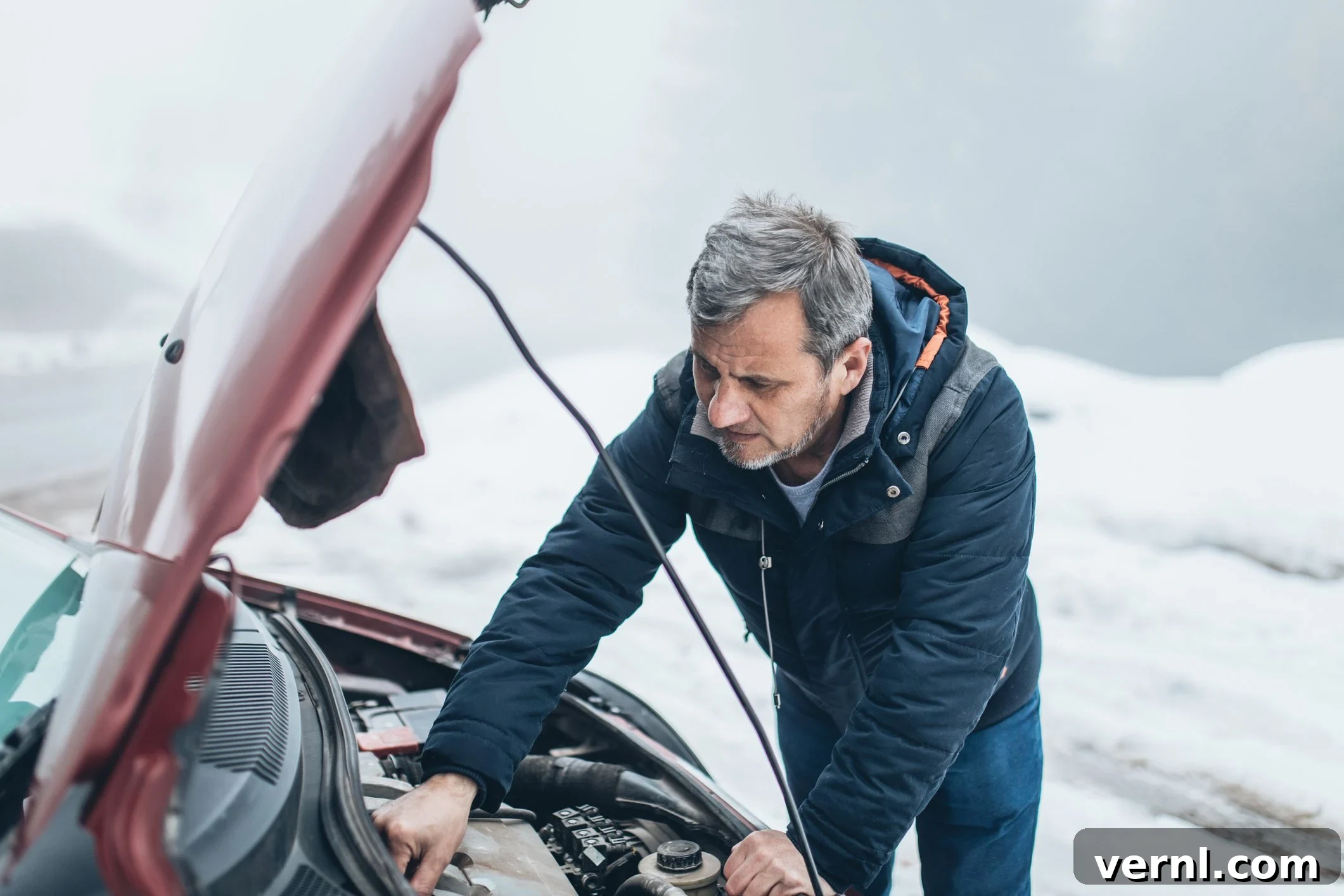
Few things are as frustrating as stepping out on a frigid morning, eager to start your day, only to discover your car won’t start. While a dead battery often takes the blame when an engine fails to turn over, the truth is, severe cold can wreak havoc on multiple vehicle systems. Understanding these issues and knowing how to address them can save you time, money, and a great deal of stress during the colder months.
This comprehensive guide delves into the most common reasons why vehicles struggle to start in freezing conditions. We’ll explore not just what to do when problems arise, but more importantly, how to prevent these cold-weather starting woes from happening in the first place, ensuring your car remains a reliable companion throughout winter.
Dead Battery: The Number One Cold-Weather Culprit
When temperatures plunge, a car battery’s performance diminishes significantly. At 0°F (-18°C), a battery can lose as much as half of its potential power. This reduction in capacity is due to the chemical reactions within the battery slowing down in the cold. Simultaneously, engine oil thickens, and other vital fluids become more viscous, demanding significantly more power from the battery to crank the engine than on a warm day. This dual challenge of reduced battery power and increased engine resistance makes a dead or weakened battery the primary reason cars fail to start in freezing conditions.
Safety First: Handling Car Batteries
It’s paramount to prioritize safety when dealing with car batteries. Never attempt to jump-start a battery that appears frozen or cracked, as this can lead to an explosion, releasing highly corrosive sulfuric acid. Always wear appropriate personal protective equipment, including heavy-duty gloves and eye protection, when working near a battery or when jump-starting a car. If you come into contact with battery acid, immediately flush the affected area with copious amounts of water and seek medical attention without delay.
What to Do When Your Battery is Dead
- Jump-Start the Battery: The quickest solution for a dead battery is often a jump-start. You’ll need a helper car with jumper cables or a portable jump starter. Ensure both vehicles are turned off before connecting the cables in the correct sequence (positive to positive, negative to a ground point on the dead car’s engine block, away from the battery). Once connected, start the helper car, let it run for a few minutes, then attempt to start your vehicle.
- Service Battery Terminals: Corroded battery terminals impede the flow of electricity, reducing the power available for starting. Carefully remove the terminals and clean any corrosion from the posts and cable connectors using a wire brush. Clean, tight connections ensure maximum current flow, which is crucial for a successful cold start.
- Clean the Battery Casing: Dirt and grime on top of the battery can create a conductive path, leading to slow self-discharge over time. Use a plastic brush and a weak solution of one-quarter cup baking soda mixed with one quart of warm water to scrub the top of the battery. Rinse thoroughly and dry completely. Afterward, if your battery is not a sealed unit, check and top off the battery fluid levels with distilled water, if necessary.
- Turn Off All Accessories: Before attempting to start your car, ensure all non-essential electrical devices are turned off. This includes headlights, radio, cabin lights, and the heater fan. By doing so, you direct all available battery power to the starter motor, maximizing your chances of cranking the engine.
How to Prevent Cold-Weather Battery Issues
- Install a Battery Blanket: For vehicles in extremely cold climates, a heated battery blanket or pad can be a game-changer. These devices wrap around the battery, keeping its temperature stable and preventing significant voltage and power loss, ensuring it’s ready to deliver full power when you need it most.
- Replace Old Batteries: Car batteries typically last 3-5 years. If your battery is nearing or beyond this age, consider replacing it proactively, especially before winter. Choose a replacement battery with the highest possible Cold Cranking Amps (CCA) rating that fits your vehicle’s specifications. A higher CCA rating indicates the battery’s ability to deliver more current in cold temperatures.
- Regular Battery Testing: Have your battery tested by a mechanic or auto parts store as part of your routine maintenance, particularly before winter sets in. This test can determine its overall health and cranking capacity, allowing you to replace it before it leaves you stranded.
Thick Motor Oil: A Heavy Load on Your Engine
Just as molasses becomes thicker in the cold, so does your car’s motor oil. As temperatures drop, the viscosity of engine oil increases, making it more challenging for the oil pump to circulate it through the engine. This “thick” oil creates more resistance for the engine’s internal components, requiring the starter motor and battery to work harder to turn the crankshaft. Furthermore, thicker oil means slower lubrication to critical engine parts during the initial moments of a cold start, leading to increased wear and tear.
Understanding Oil Viscosity for Winter
Motor oil viscosity is indicated by its SAE rating, such as 5W-30 or 10W-30. The “W” stands for “Winter” and the number preceding it indicates the oil’s viscosity at cold temperatures. A lower number (e.g., 5W) means the oil is thinner and flows more easily when cold, providing quicker lubrication and reducing strain on the starting system. The second number indicates its viscosity at operating temperature. For optimal cold-weather performance, always choose an oil with your vehicle manufacturer’s recommended viscosity rating, often a multi-viscosity synthetic oil that maintains its fluidity in extreme cold. Learn more about what oil your car needs in winter.
What to Do for Thick Motor Oil
- Warm the Engine Block or Oil Pan: In regions with consistently freezing temperatures, an engine block heater or a self-stick oil pan warmer can be highly beneficial. These devices gently warm the engine block or oil pan overnight, keeping the oil more fluid and reducing the effort required for a cold start. An in-the-block heater, typically installed by a repair shop, is particularly effective for extreme climates.
How to Prevent Thick Motor Oil Issues
- Change to Winter-Appropriate Motor Oil: Before winter weather truly sets in, it’s crucial to change your motor oil and filter, ensuring you use the correct viscosity for cold conditions, as recommended by your vehicle manufacturer. Full synthetic motor oils generally offer superior cold-weather properties compared to conventional oils, flowing more easily at low temperatures. Don’t forget to reset the oil change light after the service.
- Regular Oil Changes: Sticking to your vehicle’s recommended oil change schedule is part of a thorough winter maintenance routine. Old, contaminated oil can thicken more readily and contains sludge buildup that further impedes its flow, making cold starts even more difficult.
Frozen Fuel System: Water’s Treacherous Role
Cold temperatures impact your fuel system in several ways, making it harder for gasoline to vaporize and causing potential blockages. The primary culprit here is water condensation. As temperatures fluctuate, especially in a partially filled gas tank, moisture from the air can condense and accumulate at the bottom of the tank since water is heavier than gasoline. When temperatures dip below 32°F (0°C), this water can freeze, forming ice crystals that can block the fuel lines, clog the fuel filter, or even jam the fuel pump, effectively starving the engine of fuel.
Carburetor Icing in Older Vehicles
Older vehicles equipped with carburetors face additional challenges. Carburetor icing can occur when water vapor in the air freezes onto the throttle valve, impeding gasoline vaporization and air intake. Another issue is a frozen butterfly valve, which can prevent sufficient air from entering the combustion chamber. Understanding the freezing point of gasoline and its effect on your car is crucial for effective prevention.
What to Do for a Frozen Fuel System
- Warm the Fuel Lines: If you suspect frozen fuel lines, you can attempt to warm them. Carefully wrap warm towels around visible fuel lines (ensure they are not too hot to avoid damage) and place a shallow bucket of hot water directly under the fuel tank to gently warm the fuel. This can help melt any ice blockages.
- For Carbureted Engines (Use with Caution): If you have an older carbureted engine, a spray carburetor cleaner or starter fluid can sometimes dissolve frost buildup in and on the carburetor. Always follow product instructions, re-install the air cleaner immediately after application, and allow the spray to dry completely before attempting to start the engine. Use these products sparingly and only as directed.
How to Prevent Fuel System Freezing
- Keep Your Fuel Tank Full: This is one of the simplest yet most effective preventative measures. A full fuel tank minimizes the amount of air inside, thus reducing the surface area where water vapor can condense. Keeping your tank above half full, especially during cold snaps, significantly lowers the risk of condensation and subsequent freezing.
- Add Fuel Line Antifreeze: Regularly adding a quality fuel line antifreeze and water remover to your tank can prevent freezing. These chemical compounds disperse any accumulated water within the fuel system, preventing it from freezing and causing blockages. They also help protect fuel system components from rust and clogging the fuel filter.
- Maintain Your Fuel System: Proactive maintenance is key. Replace the fuel filter at the manufacturer’s recommended service intervals to ensure it’s not clogged with contaminants or ice. Also, clean the throttle body regularly to ensure proper airflow and fuel mixture, especially critical during cold starts.
Defective Engine Sensors: The Brains Behind Cold Starts
Modern engines rely heavily on a network of sensors to operate efficiently. For a successful cold start, your engine requires a slightly richer fuel mixture (more fuel, less air) compared to a warm start. Sensors like the coolant temperature sensor and the air intake temperature sensor play critical roles in relaying this vital information to the engine’s computer (ECU). If these sensors are defective or malfunctioning, the ECU might receive incorrect readings, leading to a lean air/fuel mixture. A lean mixture makes it incredibly difficult for the engine to ignite and start, especially in cold weather when fuel vaporization is already challenging. A faulty coolant temperature sensor is a common culprit here.
What to Do for Defective Engine Sensors
- Check Engine Light and Diagnostic Scan: If your Check Engine light is illuminated, it’s a strong indicator of a sensor issue. In this case, your mechanic can connect to your car’s On-Board Diagnostics (OBD-II) system to retrieve trouble codes, which pinpoint the exact malfunctioning sensor or system. Alternatively, you can purchase an OBD2 scanner/code reader and perform a DIY diagnosis, though professional interpretation is often best for complex issues.
How to Prevent Engine Sensor Problems
- Regular Vehicle Maintenance and Diagnostics: While specific sensor maintenance isn’t always possible, performing basic DIY auto maintenance, including keeping up with scheduled tune-ups and diagnostic checks, can help identify failing sensors before they cause starting problems. A well-maintained engine system reduces the likelihood of sensor failures and extends your vehicle’s overall lifespan, minimizing unexpected breakdowns.
Problem Alternator or Starter Motor: The Power Behind the Start
The alternator and starter motor are two crucial components in your car’s electrical and starting system. If either of these is compromised, especially in cold weather, your car may refuse to start. The alternator is responsible for charging the battery while the engine is running and powering the electrical system. A weak, worn, or failing alternator, or a slipping drive belt, means your battery isn’t receiving an adequate charge, leaving it drained for the next cold start. This issue is compounded if you frequently use high-current-draw accessories like headlights, seat heaters, or the defroster.
The starter motor, on the other hand, is directly responsible for turning the engine over to initiate combustion. On a freezing day, a worn starter motor, particularly its brushes, cannot effectively conduct sufficient power from an already weakened battery to spin the engine with the necessary force. The result is a series of clicks or no sound at all when you turn the key, indicating that the car won’t start.
What to Do for Alternator or Starter Motor Problems
- Address a Faulty Starter: If your car exhibits symptoms of a faulty starter, such as a single click or no response when you try to start it, it often necessitates a tow to your local repair shop for replacement. As a very temporary, last-ditch effort, you can sometimes give the starter motor a gentle whack with a rubber mallet to dislodge stuck brushes, but this is rarely a permanent solution and should only be attempted if you know exactly where the starter is located and can access it safely. Learning how to start a car with a bad starter might give you some temporary options.
- Replace the Alternator: If diagnostic tests confirm that your alternator’s voltage output is consistently low, it indicates a failing unit that needs replacement. When replacing the alternator, it’s also highly recommended to replace the drive belt, tensioner, and idler roller simultaneously. These components work together, and replacing them all at once ensures the new alternator operates efficiently and prevents premature failure of the new part due to old, worn accessories. It’s often smart to listen to your mechanic on this.
How to Prevent Alternator or Starter Motor Issues
- Inspect the Alternator Drive Belt: Regularly check the condition and tension of your alternator drive belt. The belt should be free from cracks, fraying, or excessive glazing. When pressed with your thumb along its longest run between pulleys, it should not deflect more than about one-half inch. A worn or loose belt can slip, preventing the alternator from charging the battery effectively. Replace it at the first sign of wear.
- Perform Charging/Starting System Tests: Have your repair shop perform an alternator voltage output test and a starter motor draw diagnostic test annually, especially before winter. These tests measure the efficiency and health of these critical components. For the DIY enthusiast, an inexpensive multimeter can help perform basic voltage checks, though a professional test offers a more comprehensive assessment.
- Reduce Stress on the Charging System: Whenever possible, minimize the use of non-essential electrical accessories and devices, particularly during short trips or immediately after a cold start. Allowing the engine to reach its normal operating temperature before engaging high-draw accessories gives the alternator a better chance to efficiently recharge the battery and maintain system voltage.
The Final Word: Proactive Winter Car Care
Preparing your vehicle for winter is not just about avoiding inconvenient breakdowns; it’s about ensuring your safety and extending the life of your car. If you have the luxury of a heated garage, utilize it, as keeping your vehicle in a warmer environment significantly mitigates many cold-weather starting problems. Even considering a garage heater for those bone-chilling mornings can make a significant difference. Ultimately, winterizing your car is the best protection against being stranded in harsh conditions.
Whether you prefer to handle maintenance tasks yourself or entrust your vehicle to professional mechanics, certain steps are non-negotiable before bitter cold weather sets in. Ensure you change or flush your vehicle’s fluids according to manufacturer recommendations – this includes engine oil, coolant, transmission fluid, and brake fluid. Check all filters, including air, fuel, and cabin filters, and replace them if necessary. Verify that your heater and defrosters are working properly for visibility and comfort. Replace worn wiper blades to maintain clear visibility during winter precipitation. Crucially, have your battery, ignition system, charging system (alternator), and starting system (starter motor) inspected and confirmed to be in optimal condition. Adopting these proactive measures and perhaps learning a few mechanics’ tricks can make all the difference in keeping your car running smoothly throughout the winter season.