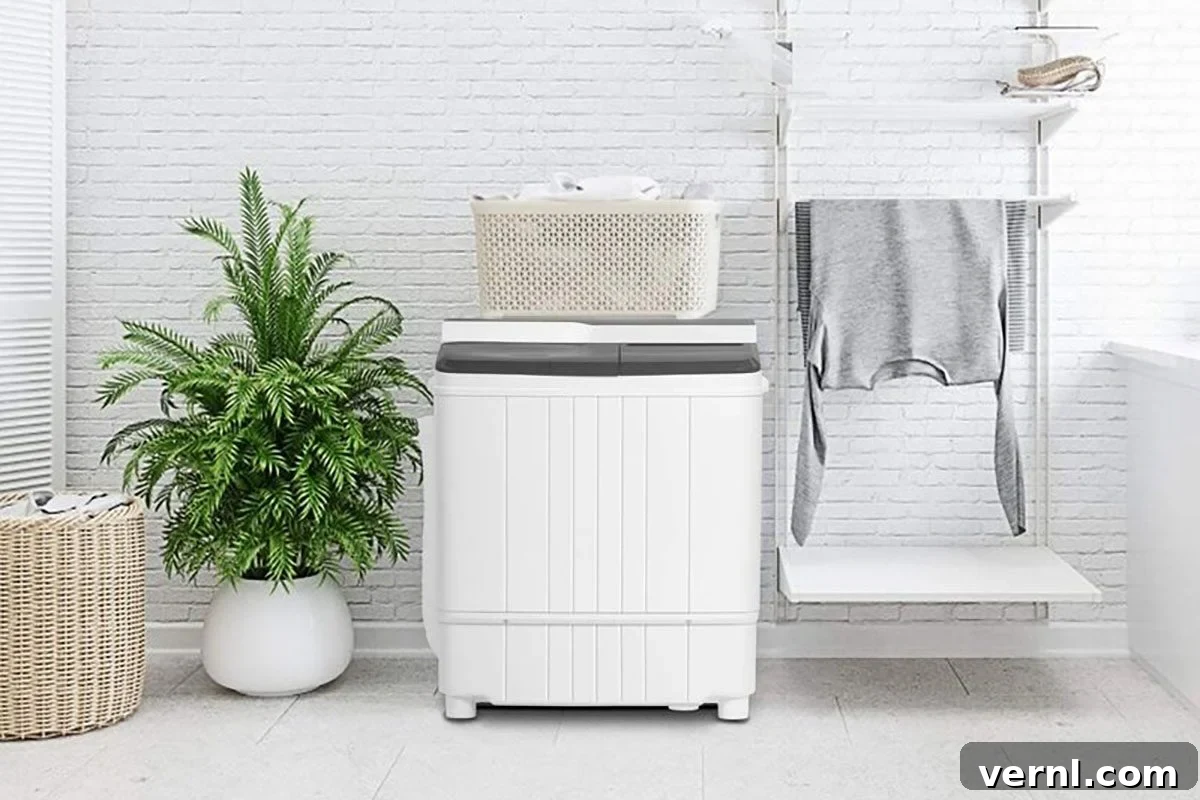
Wherever life takes you, whether you’re nestled in a cozy apartment, embarking on an adventurous road trip, or frequently relocating, the universal task of doing laundry remains. In an age where space is a premium and flexibility is key, the portable dryer emerges as an indispensable appliance, transforming how we approach garment care. This compact yet powerful machine offers a convenient, efficient, and often essential solution for drying clothes when traditional options are out of reach or simply too cumbersome. Dive into this comprehensive guide to understand everything about this handy appliance, from its mechanics to its numerous benefits and crucial considerations for choosing the right one for your needs.
What Exactly is a Portable Dryer?
At its core, a portable electric dryer functions on the same fundamental principles as its full-sized counterpart, but with a design optimized for mobility and space efficiency. David Clark, CEO at Basement Guides, aptly describes it as “essentially a smaller version of a normal dryer.” Their reduced dimensions make these appliances incredibly versatile, allowing for easy storage in tight spaces when not in use and quick deployment by simply plugging into a standard wall outlet. They are engineered to bring the convenience of machine drying to environments previously deemed unsuitable for traditional laundry setups.
The ingenuity of portable dryers isn’t limited to a single design; they come in various configurations, each tailored to different needs and preferences. One common type operates much like a conventional dryer, featuring a tumbling drum. As Clark explains, “The electrical current heats up the metal coil which creates heat. The heat is then blown into the dryer by a fan and that causes the tumbling clothes to dry.” This mechanism ensures thorough and even drying, mirroring the performance of larger machines but in a compact footprint.
However, not all portable dryers rely on tumbling. Another popular and innovative design, often referred to as a hanger-style or heated air dryer, offers a gentler alternative. Jake Romano from John The Plumber elaborates on this mechanism: “Others function by hanging wet clothes on the unit, surrounding the clothes with a tube and blowing warm air through the tube to dry the wet clothes.” This ventless clothes drying machine design is particularly beneficial for delicate garments, reducing wrinkles and minimizing wear and tear on fabrics, all while requiring minimal physical interaction with the clothes during the drying process. Understanding these distinct operating principles is the first step in appreciating the versatility of portable dryers.
Unpacking the Benefits of Portable Dryers
The allure of a portable dryer extends far beyond its compact size; it offers a multitude of advantages that cater to modern living and diverse lifestyles. These benefits make it an attractive option for a wide array of users seeking convenience, efficiency, and flexibility in their laundry routines.
Space-Saving Solutions for Modern Lifestyles
The most apparent and perhaps compelling benefit of a portable dryer is its minimal footprint. In an era of shrinking living spaces, from cramped city apartments and studios to tiny homes and dorm rooms, a portable dryer stands out as a true game-changer. Its compact form factor means it can easily fit into corners, closets, or even under counters, providing essential drying capabilities without monopolizing precious square footage. This eliminates the need for a dedicated laundry room, allowing residents to reclaim space for other necessities.
Unmatched Convenience for Travelers and Movers
Beyond stationary living, the inherent portability of these appliances makes them exceptionally convenient for those on the move. Whether you’re frequently traveling in an RV, spending extended periods in cabins, or moving residences often, a portable dryer ensures you always have access to fresh, dry clothes. It liberates individuals from the constant search for laundromats or reliance on communal laundry facilities, saving time, money, and the hassle of transporting laundry. For digital nomads, seasonal workers, or anyone with a mobile lifestyle, this convenience is invaluable.
Cost and Energy Efficiency Potentials
While specific models vary, some portable dryers offer notable energy savings compared to their full-sized counterparts. Romano points out that “Some portable dryers work by spinning, instead of heat.” While spin-only models may not achieve complete dryness, they significantly reduce the drying time and energy required for subsequent air-drying, potentially lowering electricity bills and keeping indoor temperatures cooler, especially in warmer climates. Even heated portable dryers, due to their smaller capacity, often consume less power per load than larger machines, making them a more economical choice for smaller households.
Simplified Installation and Maintenance
Another significant advantage is the minimal installation required. Unlike traditional dryers that often demand professional hook-ups for venting and specialized electrical outlets, most portable dryers plug directly into a standard 120-volt wall outlet. Hanger-style models require even less setup, typically just assembly and a power source. This ease of installation means you can be up and running almost instantly, without the added expense or delay of professional services. Furthermore, their simpler design often translates to easier maintenance for the average user.
Beyond the Basics: Wrinkle Reduction and Garment Care
Certain portable dryer designs offer additional perks for garment care. Hanger-style dryers, for instance, are particularly adept at reducing wrinkles, as clothes dry while suspended. This minimizes the need for ironing, saving both time and effort. Moreover, the gentler drying process inherent in many portable models, especially those using lower heat or simple air circulation, can extend the lifespan of your clothes by protecting delicate fabrics from the harsh tumbling and high heat of conventional dryers. They also offer a faster and more efficient alternative to traditional clotheslines or drying racks, especially during inclement weather or in situations where outdoor drying isn’t feasible.
Navigating Venting Requirements and Safety
One of the most critical considerations when choosing and operating a portable dryer is its venting mechanism. While the term “portable” might imply universal plug-and-play simplicity, understanding whether your chosen model requires a vent is paramount for both efficiency and safety.
Why Venting Matters for Portable Dryers
Many portable dryers, particularly the tumbling drum varieties, generate significant heat and lint during operation. These byproducts need to be safely expelled from the machine to prevent overheating, manage humidity levels, and maintain optimal performance. A vent serves as the exit point for this hot, moist air and lint. David Clark notes that while you can “simply run the vent hose out a window,” some users opt against this in winter because “it does provide extra heat” indoors. While this might seem like a benefit, it comes with potential drawbacks.
The Risks of Indoor Venting
Though Clark states there “is no immediate danger from the exhaust as would be the case with a gas dryer,” venting a portable electric dryer indoors can lead to several problems. The most immediate issue is an increase in indoor humidity. This can create an uncomfortable living environment, make your cooling system work harder (thereby increasing energy costs), and, more seriously, foster the growth of mold and mildew, particularly in poorly ventilated areas. Mold not only poses health risks but can also damage your home’s structure and furnishings. Therefore, even with electric models, it’s generally recommended to vent the dryer exhaust outdoors whenever possible.
Understanding Ventless Portable Dryers
For those without easy access to an outdoor venting option, ventless portable dryers offer an ingenious solution. These machines typically use a condensation or heat pump system to extract moisture from the clothes. Instead of expelling hot, moist air, they condense the water vapor into a collection tank that needs to be emptied periodically, or they drain it directly. This technology makes ventless models highly versatile, allowing them to be placed almost anywhere with a power outlet. While they might take slightly longer to dry clothes and can sometimes be more expensive upfront, their flexibility and elimination of venting concerns make them an excellent choice for apartments, RVs, and any space where external venting is impractical.
Essential Lint Filter Maintenance and Fire Prevention
Regardless of whether your portable dryer is vented or ventless, maintaining the lint filter is non-negotiable for safety and performance. As with any dryer, lint buildup is a significant fire hazard. It’s crucial to “clean the dryer vent” or lint filter after every load. This simple routine prevents lint from accumulating in the dryer’s components, reduces the risk of fires, and ensures your appliance operates efficiently. Even if you vent outdoors, regularly cleaning the internal lint filter and checking the vent hose for blockages is paramount.
How to Choose the Right Portable Dryer
Selecting the ideal portable dryer involves more than just picking the smallest or cheapest model. It requires a thoughtful assessment of your specific needs, living situation, and laundry habits to ensure you invest in an appliance that truly enhances your life.
Assessing Your Needs: Capacity, Space, and Lifestyle
Begin by considering the typical volume of laundry you’ll be drying. Portable dryers come in various capacities, usually measured in cubic feet or pounds. A single person might be fine with a compact 1.5 cu. ft. model, while a couple or small family might require something closer to 3.0 cu. ft. or more. Next, evaluate the available space in your home. Measure the dimensions where you plan to keep the dryer, both during use and for storage. If space is extremely limited, a hanger-style dryer that folds away might be more suitable than a tumbling unit. Finally, consider your lifestyle: are you a frequent traveler needing ultimate portability, or a stationary apartment dweller looking for a permanent, compact solution?
Power Requirements and Energy Consumption
Most portable dryers operate on a standard 120-volt outlet, making them easy to plug in anywhere. However, be mindful of their wattage, especially if you plan to use them with extension cords or in older homes with limited circuit capacity. Higher wattage means faster drying but also more power draw. Look for models with energy-efficient settings or those that prioritize lower energy consumption, particularly if you’re concerned about electricity costs or are relying on a limited power supply, such as in an RV.
Key Features to Prioritize
Modern portable dryers offer a range of features that can enhance their usability:
- Drying Modes and Settings: Look for options like “air dry,” “delicate,” “normal,” or “heavy duty” to cater to different fabric types. Sensor drying, which automatically stops when clothes are dry, can prevent over-drying and save energy.
- Noise Level: Some models can be quite noisy. If you live in a small space or value quiet operation, check reviews for noise complaints or decibel ratings.
- Portability and Mobility: Consider the weight of the unit and if it has features like wheels or carrying handles for easier transport and storage.
- Safety Features: Automatic shut-off, overheat protection, and child locks are important safety considerations.
- Ventless vs. Vented: This is perhaps the most crucial feature decision. If outdoor venting is not an option, a ventless condensation or heat pump dryer is essential.
Budgeting for Your Portable Dryer
Portable dryers span a wide price range, from entry-level hanger-style units to advanced ventless tumbling models. Set a realistic budget and prioritize features that are most important to you. Remember to factor in potential long-term energy savings or the cost of professional installation (if applicable, though usually not for portable models) when making your decision. Investing a little more upfront for a durable, efficient model with the right features can pay dividends in convenience and performance over time.
Portable Dryers in the Laundry Ecosystem
The emergence of portable dryers hasn’t occurred in isolation; they are part of a broader trend towards compact and flexible laundry solutions, often complementing or being complemented by other innovative appliances.
Comparing with Traditional Dryers
While portable dryers offer undeniable convenience, it’s important to understand their place relative to traditional, full-sized dryers. Traditional dryers typically boast larger capacities, faster drying times, and a wider array of advanced features. They are designed for large households with consistent, heavy laundry loads. Portable dryers, by contrast, excel in their compact size, lower power consumption, and adaptability to small or mobile living spaces. They may take longer to dry a load and have a smaller capacity, but their benefits for specific lifestyles often outweigh these limitations. The choice ultimately depends on volume, space constraints, and lifestyle priorities.
The Role of Portable Washers and Combo Units
The functionality of portable dryers often goes hand-in-hand with portable washing machines. Just like their drying counterparts, portable washing machines come in various forms: some hook up to a kitchen sink for water supply and drainage, some are hand-powered for ultimate off-grid use, and others require a dedicated water source and drain similar to full-sized washers but with a compact design.
For the ultimate space-saving and convenience, washer-dryer combo units are gaining popularity. These all-in-one machines, often front-loading, both wash and dry clothes in the same drum, eliminating the need to transfer laundry between appliances. Natalie Sullivan, co-founder of Cooler Air Today, recommends the Incbruce washer-dryer combo, highlighting models like this which provide washing and drying in a compact, manageable package (e.g., a 25-pound unit). These combos are perfect for apartments or RVs where space for two separate machines is simply unavailable. However, it’s worth noting that combo units often have smaller drying capacities than their washing capacities, and the drying cycle can be considerably longer.
For those who are content with handwashing clothes in a bucket or sink, a portable dryer might be all that’s needed to complete the laundry cycle. This minimalist approach allows individuals to leverage the machine’s efficiency for the most labor-intensive part of the drying process, while keeping initial investment and space requirements to a minimum. The synergy between portable washers and dryers (or standalone portable dryers) provides a complete, flexible laundry solution for almost any living situation.
Conclusion
From bustling city apartments to serene RV campsites, the portable dryer has cemented its role as a vital appliance for modern living. Its remarkable ability to provide efficient and convenient clothes drying in virtually any setting addresses a universal need for flexibility and space-saving solutions. By understanding the different types, appreciating their numerous benefits, navigating crucial considerations like venting, and choosing a model that aligns with your specific lifestyle, you can unlock a new level of independence and ease in your laundry routine. Say goodbye to laundromat commutes and hello to the simplicity and freedom that a portable dryer brings right to your doorstep, wherever that may be.