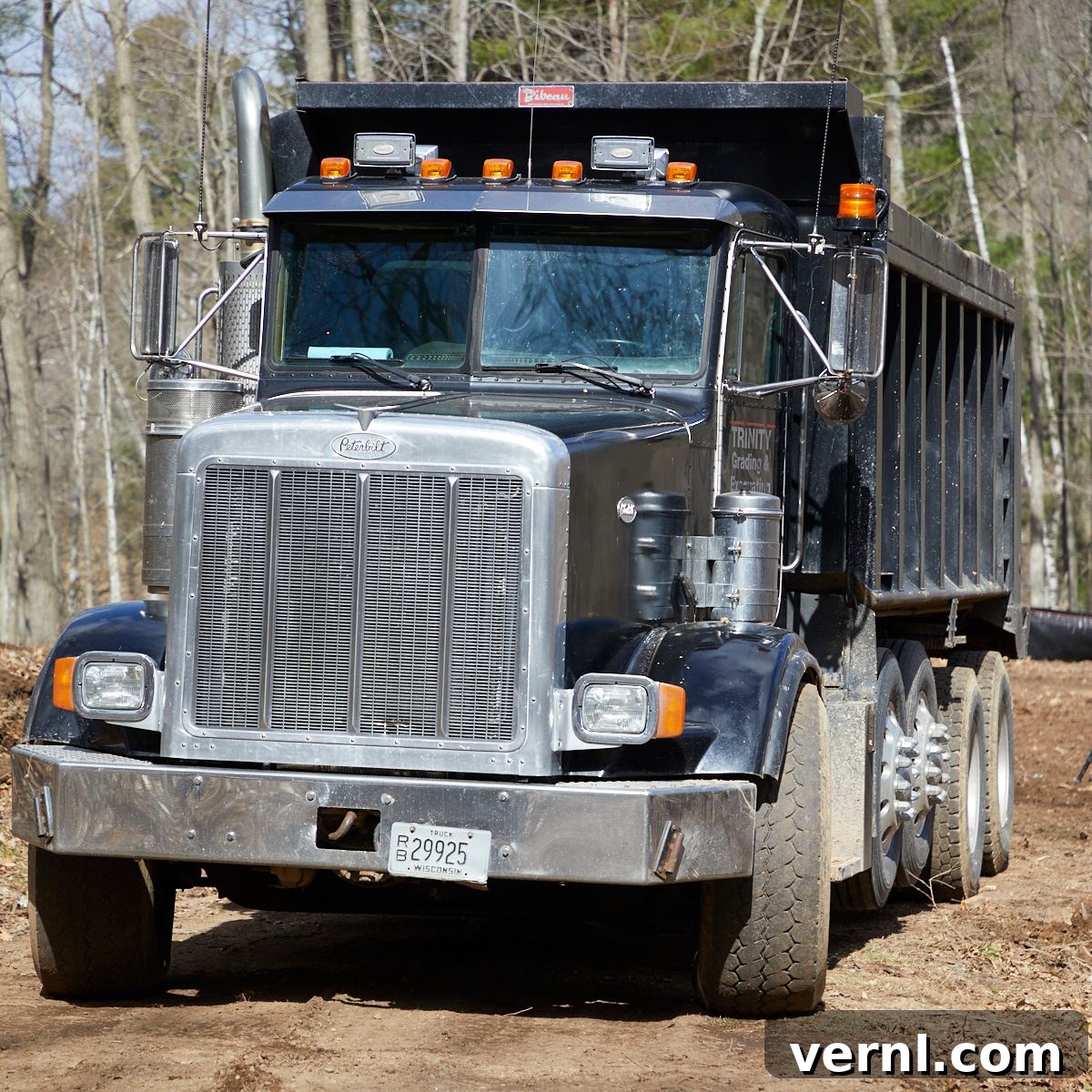
Building Site Prep: Laying the Foundation for Your Dream Home
Before you can begin the exciting process of building your dream cabin or home, meticulous building site preparation is essential. This initial phase sets the stage for a structurally sound and long-lasting building. Proper site preparation can prevent costly problems down the road, ensuring a smooth construction process and a durable final product. This comprehensive guide will walk you through the critical steps involved in preparing your building site, ensuring a solid foundation for your future home.
Why Building Site Preparation is So Important
The importance of proper site preparation cannot be overstated. Neglecting this crucial phase can lead to a host of issues, including:
- Structural Instability: A poorly prepared site can result in uneven settling, leading to cracks in foundations, walls, and ceilings.
- Water Damage: Improper drainage can cause water to pool around the foundation, leading to leaks, mold growth, and structural damage.
- Erosion and Soil Instability: Without adequate stabilization, the soil can erode, undermining the foundation and creating safety hazards.
- Increased Construction Costs: Addressing problems caused by inadequate site preparation during or after construction is significantly more expensive than doing it right the first time.
- Delays: Unexpected issues discovered during construction, often stemming from poor site prep, can cause costly delays.
Key Steps in Building Site Preparation
Let’s delve into the essential steps involved in preparing your building site:
1. Planning and Permitting
Before any physical work begins, meticulous planning is paramount. This includes:
- Site Survey: A professional land survey is crucial. It defines property lines, identifies existing structures, and assesses the topography. This survey provides the essential information needed to develop the building plans and understand the site’s limitations and potential.
- Soil Testing: Soil tests analyze the soil’s composition, load-bearing capacity, and drainage characteristics. This information is vital for determining the appropriate foundation type and designing the drainage system.
- Local Regulations and Permits: Research and adhere to all local building codes, zoning regulations, and permit requirements. This ensures your project complies with all legal requirements and avoids potential fines or project delays. Obtaining the necessary permits is a critical first step.
- Utility Identification: Call your local utility companies (water, gas, electricity, etc.) to mark the location of underground utilities. This prevents accidental damage during excavation and ensures safety.
2. Land Clearing
This stage involves removing any obstacles from the construction area. This includes:
- Vegetation Removal: Clearing trees, bushes, shrubs, and other vegetation within the building footprint and surrounding areas. This step provides clear access for construction equipment and minimizes potential root damage to the foundation. Consider the impact on erosion control; if extensive clearing is required, implement erosion control measures like silt fences.
- Obstacle Removal: Removing rocks, boulders, old structures, and any other obstructions that could interfere with construction.
- Debris Disposal: Properly disposing of cleared vegetation and debris according to local regulations. Consider recycling or chipping wood waste where possible.
3. Excavation
Excavation involves digging the foundation and other necessary areas. This stage requires precision and adherence to the building plans.
- Foundation Excavation: Digging the foundation to the required depth and dimensions, as specified by the building plans and soil tests. The depth will depend on factors like frost line and soil conditions.
- Utility Trenching: Creating trenches for water, sewer, electrical, and other utility lines. Careful planning and accurate measurements are essential to ensure proper utility connections.
- Backfilling and Compaction: After installing utilities, backfilling the excavated areas with appropriate materials and compacting the soil to prevent settling and ensure stability. Proper compaction is crucial for a stable foundation.
4. Grading
Grading involves leveling the building site and creating slopes to facilitate drainage. This critical step ensures water flows away from the foundation, preventing water damage.
- Leveling: Creating a level surface for the foundation to be built upon. This is often achieved using heavy machinery like bulldozers and graders.
- Slope Creation: Creating a gentle slope away from the foundation to direct rainwater and runoff away from the building. The slope should typically be at least 6 inches per 10 feet.
- Drainage Systems: Installing drainage systems, such as French drains or surface drains, to further manage water runoff and protect the foundation. This may include the use of gravel, perforated pipes, and geotextile fabric.
5. Foundation Preparation
The final step before pouring the foundation involves preparing the base and ensuring proper conditions.
- Compaction: Ensuring the ground beneath the foundation is properly compacted to prevent settling.
- Gravel Base: Installing a layer of gravel beneath the foundation to improve drainage and provide a stable base.
- Forms and Rebar: Setting up the foundation forms and installing rebar according to the building plans. This provides structural support to the concrete.
Choosing the Right Professionals
Successfully completing building site preparation requires expertise and specialized equipment. Consider hiring qualified professionals for the following tasks:
- Land Surveyors: For accurate site surveys and property line determination.
- Soil Engineers: For soil testing and analysis to determine soil properties and recommendations.
- Excavation Contractors: For land clearing, excavation, grading, and drainage system installation. Ensure they have experience with similar projects.
- Foundation Contractors: For the proper construction of the foundation itself.
Ensuring Long-Term Success
Investing in proper building site preparation is an investment in the long-term success and durability of your home. By carefully following these steps, you can create a solid foundation for your dream cabin or home, ensuring it withstands the test of time and provides a safe and comfortable living environment for years to come. Don’t cut corners; proper site preparation is an essential foundation for your building project.
Remember to consult with qualified professionals throughout the process and adhere to all local building codes and regulations. Your careful planning and execution during the site preparation phase will pay significant dividends in the long run.