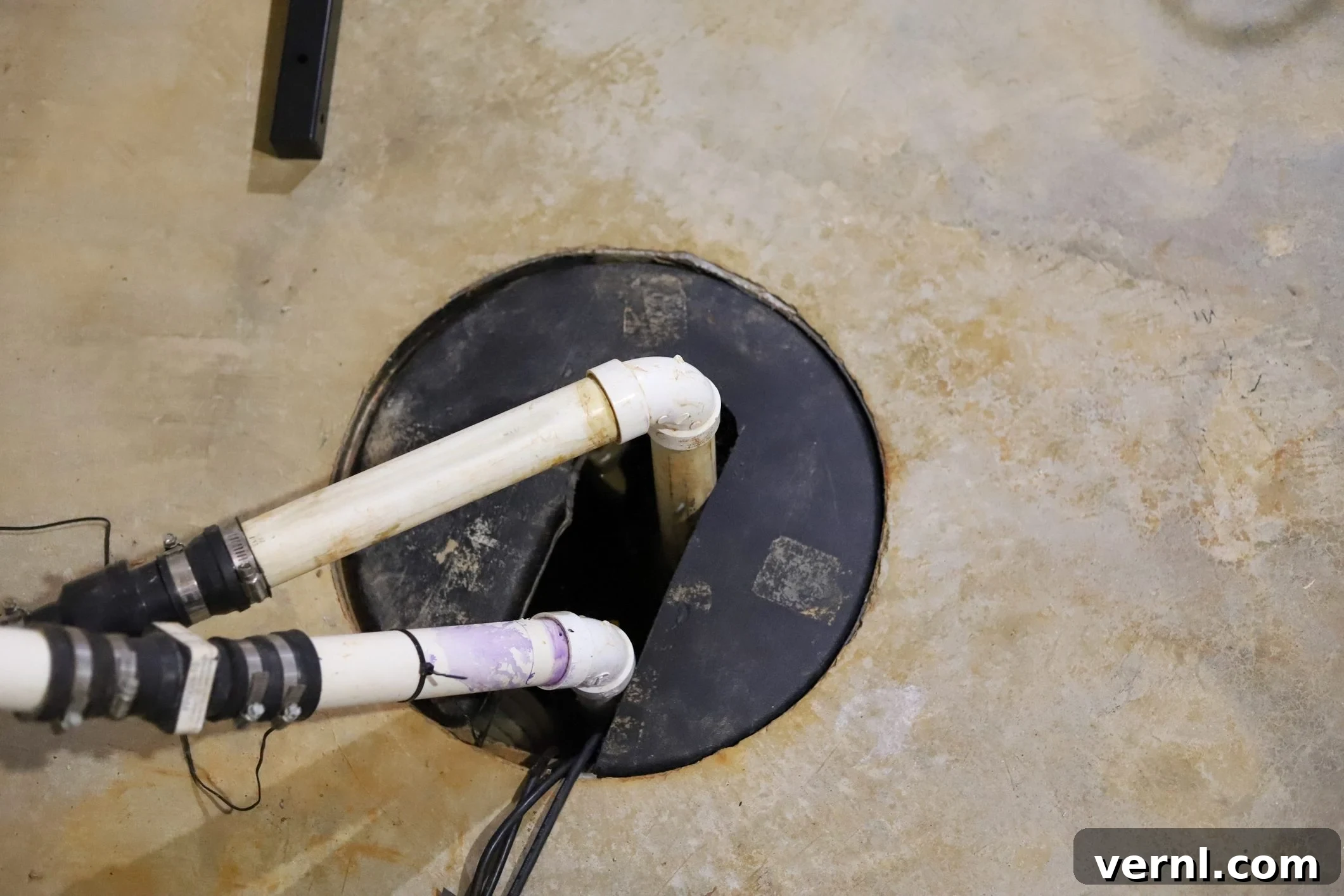
For any homeowner with a basement, a sump pump is not merely an accessory but often a critical necessity. Basements, by their very nature, are susceptible to water intrusion, which can lead to a myriad of costly and potentially dangerous problems. Understanding the importance of a sump pump is the first step in safeguarding your home and peace of mind.
Water can infiltrate your basement through various avenues, ranging from occasional occurrences during severe thunderstorms to chronic issues stemming from underlying conditions. Common culprits include compacted soil that hinders natural drainage, a high water table pushing moisture upwards, faulty exterior grading, or even condensation from inadequate ventilation within the basement itself. Regardless of the source, water in the basement poses significant threats. It can compromise your home’s foundational integrity, leading to expensive structural repairs. It also damages personal belongings stored in the basement and creates an ideal environment for the proliferation of toxic mold and mildew, posing serious health risks to occupants. A properly installed sump pump acts as your home’s primary line of defense against these potential disasters, effectively removing water before it can cause widespread damage.
Typically, a sump pump is meticulously installed in a specially designed pit, known as a sump pit, which is strategically located at the lowest point of your basement floor. This setup allows the pump to collect and discharge water away from your foundation, preventing it from ever reaching problematic levels. While the core function remains the same, sump pumps come in two primary types, each with distinct characteristics and applications.
Understanding Sump Pump Types: Pedestal vs. Submersible
Choosing the right type of sump pump is essential for effective basement protection. The two main categories are pedestal pumps and submersible pumps, each offering unique advantages and disadvantages depending on your specific needs and basement conditions.
Pedestal Sump Pumps
A pedestal pump is characterized by its motor being mounted on a shaft that extends above the sump pit, with only the impeller and intake reaching down into the water. This design means the motor itself remains dry and elevated, out of the water. One of the primary advantages of pedestal pumps is their longevity; since the motor is not submerged, it is less susceptible to overheating and water damage, often resulting in a longer operational lifespan. They also tend to be more accessible for maintenance and repairs, as the motor unit is easily visible and serviceable without needing to remove the entire pump from the pit. Furthermore, pedestal pumps are generally more affordable than their submersible counterparts and can be a good option for shallower sump pits. However, they come with notable drawbacks. Pedestal pumps are typically louder during operation, as the motor is exposed, and their visible presence above the floor can be an aesthetic nuisance in finished basements. Their design also means they are less efficient in dissipating motor heat compared to submersible models, though the motor’s elevated position mitigates direct water damage.
Submersible Sump Pumps
In contrast, a submersible pump is engineered to sit entirely submerged within the sump pit. Its motor is encased in a waterproof housing, allowing it to operate underwater without issue. The major draw of submersible pumps is their discreet and quiet operation. Being submerged, the water acts as a natural sound dampener, making them ideal for finished basements or homes where noise is a concern. The surrounding water also helps to dissipate heat from the motor, contributing to its efficiency and longevity, despite being entirely underwater. Submersible pumps are also more effective in deep sump pits and can typically handle a higher volume of water more efficiently. Their compact design keeps the basement floor clear and unobstructed. Not surprisingly, submersible pumps dominate the market, accounting for at least 90 percent of sump pumps available today. While generally more expensive than pedestal pumps, their benefits in terms of quietness, efficiency, and space-saving design often justify the investment. However, accessing a submersible pump for maintenance or repair is more challenging, requiring it to be lifted out of the pit.
How Much Does a Sump Pump Cost?
The cost of a sump pump itself can vary significantly, typically ranging from an economical $50 up to $500 or even $600 for high-end models. The average homeowner can expect to pay around $125 for a decent quality unit. This initial investment is often less than what you would spend on other essential household appliances, yet its role in protecting your home is paramount. The price difference often reflects crucial quality features that significantly enhance a pump’s reliability, durability, and performance.
Key Features Justifying Higher Sump Pump Costs:
- Cast Iron or Stainless Steel Core: Pumps featuring a robust metal core, such as cast iron or stainless steel, offer superior durability and longevity compared to models with plastic cores. Metal is highly effective at dissipating heat generated by the motor, preventing overheating and burnout, which are common causes of pump failure. This efficient heat management extends the pump’s operational life, making it a more reliable long-term investment in your home’s protection.
- No-Screen Intake / Advanced Impeller Design: Traditional filter screens can frequently clog with debris, reducing pump efficiency and potentially leading to failure. High-quality pumps often feature a “no-screen” intake and advanced impeller designs capable of handling particulate matter up to 1/2-inch in diameter. This design minimizes clogs, ensuring consistent operation and reducing the need for frequent maintenance.
- Solid Mechanical Float Switch: The float switch is the brain of your sump pump, detecting water levels and activating the pump when necessary. A solid mechanical float is far more reliable than pressure switches or hollow floats, which can become waterlogged, stick, or fail to activate properly. A dependable float ensures your pump turns on precisely when needed, preventing basement flooding.
- Integrated Alarm System: An audible or smart alarm system provides an invaluable early warning mechanism. It alerts you when water levels in the sump pit rise above a preset threshold, indicating a potential pump malfunction, power outage, or an unusually high inflow of water. This immediate notification gives you crucial time to investigate and react, potentially preventing a full-blown flood and extensive water damage.
- Stainless Steel Housing/Pedestal: For submersible pumps, a stainless steel housing offers exceptional corrosion resistance, crucial for a device constantly exposed to water. For pedestal pumps, a stainless steel pedestal provides superior stability and durability compared to plastic, resisting wear and tear over time. Both contribute to the pump’s overall resilience in harsh basement environments.
- Wi-Fi Connectivity and Smart Features: Modern, high-end sump pumps often include Wi-Fi connectivity, allowing you to monitor your basement’s water situation remotely from your smartphone or other smart devices. These smart features can provide real-time alerts, operational status updates, and even historical data on pump activity, offering unparalleled peace of mind and proactive management of potential water issues.
The pumping power of sump pumps typically ranges from one-quarter horsepower (hp) to one horsepower. As expected, more powerful pumps come with a higher price tag. The appropriate size and horsepower for your sump pump depend on several crucial factors: the volume of your sump pit, the rate at which water typically fills the pit during heavy rain or snowmelt, the total length of the discharge drainage pipe, and the elevation difference between the pump and the pipe’s outdoor outlet point. Proper sizing ensures the pump can effectively handle peak water inflow without being overwhelmed. To understand the long-term value, you might also be interested in how long sump pumps typically last.
Other Significant Costs To Consider Beyond the Pump
While the sump pump unit itself is a key purchase, the installation process often involves considerably higher costs, typically ranging from $1,000 to $3,000. This wide range reflects various factors that influence the complexity and labor involved in integrating the pump into your home’s infrastructure. These additional costs are vital to factor into your budget for a complete and functional system.
Electrical Hookup Requirements
Most basement sump pumps require a dedicated 20-amp Ground Fault Circuit Interrupter (GFCI) outlet. This is a critical safety measure, as using an extension cord is against fire codes and can be extremely dangerous, potentially leading to electrical fires or pump failure. In many cases, installing a new receptacle on a new, dedicated electrical circuit is necessary. This work must always be performed by a licensed electrician to ensure compliance with local electrical codes and to guarantee the safety and reliability of your sump pump’s power supply. An improper electrical setup can not only be dangerous but also void warranties or cause significant damage.
Effort and Cost to Cut Through the Basement Floor
The process of creating a sump pit often involves breaking through the basement floor. While some basements may have a simple dirt floor, the majority are constructed with concrete slabs. The thickness of these concrete slabs can vary considerably, from a few inches to dense, six-inch thick constructions. Thicker slabs require more specialized tools, such as heavy-duty jackhammers or concrete saws, and significantly more labor to break through. This increased effort translates directly into higher installation costs, not to mention the need for dust control and debris removal.
Accessibility of the Sump Pit Location
For optimal effectiveness, the sump pit must be situated at the absolute lowest point of your basement floor. However, this ideal location might be next to a wall, beneath a staircase, or even under a heavy, stationary piece of equipment like a furnace or water heater. If the chosen site is difficult to access, installers will incur extra labor hours to maneuver equipment, clear obstacles, and perform the excavation and plumbing work. This can significantly drive up the total installation cost.
Establishing a Suitable Drainage Point
Connecting the sump pump to an appropriate drainage point is another critical cost factor. This can be relatively straightforward if a storm sewer connection is conveniently located and easily accessible within the basement. However, it often requires more extensive work, such as installing new plumbing lines, running an outflow pipe outdoors through a newly created hole in the basement wall, or connecting to a dry well. When draining water outdoors, considerations such as the slope of the land, the distance to an acceptable discharge point, and potential landscaping alterations to ensure proper water diversion away from the foundation can all add to the overall expense. Environmental regulations regarding outdoor water discharge also need to be considered.
Remediation of Existing Water Damage
If your basement has already experienced flooding, dealing with the existing water damage is a crucial, albeit separate, cost. While the remediation doesn’t necessarily need to happen before the sump pump is installed, it’s intrinsically linked to the underlying problem the pump is designed to solve. Costs can include water extraction, drying out the affected areas, dehumidification, and professional mold and mildew remediation. It’s wise to factor these potential remediation costs into your overall budget if water damage is already present.
Integrating a Backup System for Reliability
Many homeowners opt to install a backup system to ensure their basement remains dry even during power outages or primary pump failure. These backup systems add to the total bill but provide invaluable peace of mind. Common options include a battery-powered backup sump pump that takes over when the main power is out, or a dedicated backup pump that runs on battery power. Another less common but effective option is a water-powered backup pump, which uses municipal water pressure to create a vacuum, drawing water out of the pit without electricity. Each system has its own installation requirements and costs.
Permit Fees and Local Regulations
Depending on your community’s regulations, installing a sump pump may require various permits. If the installation involves significant changes to your home’s existing plumbing system, an electrical upgrade, or alterations to exterior drainage, you’ll likely need a permit. Furthermore, some localities require homeowners to file a detailed drainage plan and obtain a permit before discharging water outdoors, especially if it’s close to neighboring properties or public areas. Permit fees are typically modest, often in the range of $50 to $200, but failing to obtain necessary permits can lead to fines, difficulties with insurance claims, or the forced removal and reinstallation of the system.
DIY vs. Professional Installation Costs
For the handy homeowner, performing a do-it-yourself sump pump installation can certainly save a significant amount on labor costs, potentially $1,000 to $1,500. This might involve digging your own pit and routing the drain pipe for outdoor discharge. However, it’s crucial to assess your skills and the complexity of the job. If the installation involves complex electrical wiring, cutting into a thick concrete slab, tying into an existing sewer system, or requires permits that necessitate adherence to strict building codes, it is highly recommended to hire a licensed plumber and electrician. Professional installation, typically costing between $1,500 and $3,000, ensures the job is done correctly, safely, and in full compliance with all local codes, preventing future issues and potential liabilities. A professional also offers expertise in optimal pump placement and discharge solutions, ensuring your system is truly effective.
Once installed, regular maintenance is key to ensuring your sump pump provides reliable protection. Here’s an easy tutorial on how to test your sump pump to make sure it will perform flawlessly when you need it most.
Investing in a high-quality sump pump and professional installation is a proactive measure that safeguards your home from the potentially devastating and expensive consequences of basement flooding. It’s an investment in your property’s value, your family’s health, and your peace of mind, proving to be far more cost-effective than dealing with water damage after the fact.