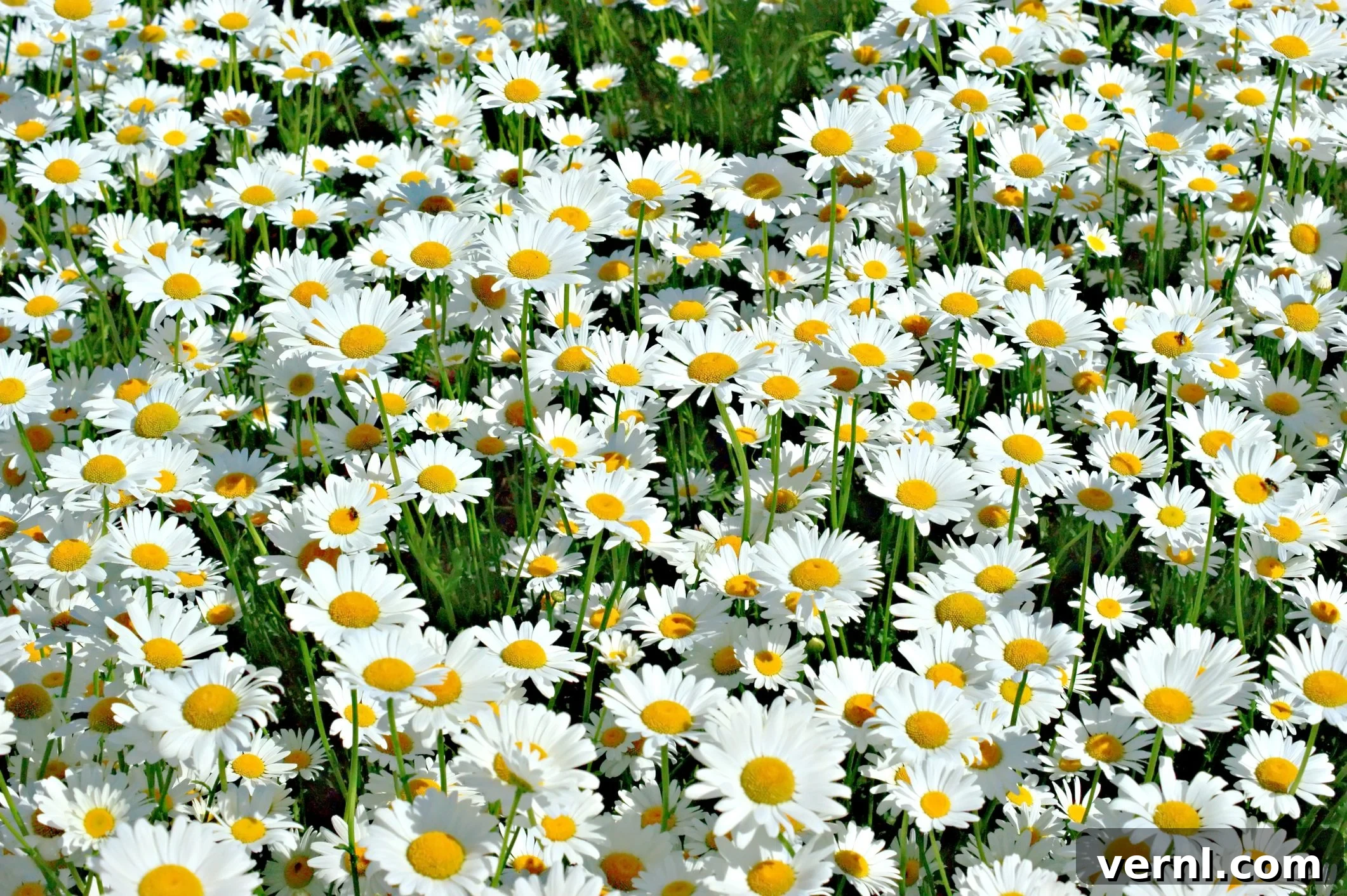
As the iconic Meg Ryan character famously observed in You’ve Got Mail, “Don’t you think daisies are the friendliest flower?” Indeed, the sight of a daisy, with its vibrant yellow center and crisp white petals, evokes a sense of joy and natural beauty. Among the vast family of daisies, the Shasta daisy stands out as a beloved garden classic, celebrated for its robust nature and long-lasting blooms.
Picture this: late June, your neighborhood gardens are awash with the cheerful glow of Shasta daisies. These resilient perennials, flourishing in full sun, proudly display their multitude of white flowers for weeks on end. It’s this dependable display of beauty, coupled with their ease of care, that cements their status as one of the most popular daisies cultivated today. If you’re ready to transform your garden into a haven of happiness and become a true Shasta daisy connoisseur, you’ve come to the right place. This comprehensive guide will equip you with all the knowledge to grow and nurture these delightful flowers.
Shasta Daisy: The Quintessential Perennial for a Cheerful Garden
Shasta daisies (Leucanthemum x superbum) are more than just pretty faces; they are remarkable hybrid perennial flowers known for their resilience and prolific blooming. These garden staples thrive primarily in U.S. Department of Agriculture Plant Hardiness Zones 5 through 9, making them a viable option for a wide range of climates across North America.
The story of the Shasta daisy begins with Luther Burbank, one of America’s most celebrated and innovative plant hybridizers. In 1901, Burbank introduced his groundbreaking creation, a robust new daisy he named after the majestic Mount Shasta in California. This hybrid combined the best traits of several daisy species, including the oxeye daisy (Leucanthemum vulgare), English field daisy (Leucanthemum maximum), Portuguese field daisy (Leucanthemum lacustre), and Japanese field daisy (Nipponanthemum nipponicum). The result was a larger, more vigorous daisy with pristine white petals and a sturdy habit, quickly earning its place in gardens worldwide. Nearly 125 years later, Burbank’s legacy continues, with countless varieties of this iconic plant now available, each offering its unique charm.
Exploring the Diverse Types of Shasta Daisies for Your Garden
While the classic Shasta daisy conjures images of bright white petals, the world of Leucanthemum x superbum is surprisingly diverse. Modern hybridization has yielded an array of choices, from towering specimens to compact groundcovers, and even varieties boasting double flowers or creamy yellow hues. Whether you’re seeking a specific height, bloom shape, or color, there’s a Shasta daisy perfect for your garden design. Here are some of the most popular and intriguing varieties:
- Betsy: This variety is renowned for its impressively large flowers, often reaching up to 5 inches in diameter, perched atop long, strong stems. This characteristic makes ‘Betsy’ an exceptional choice for a cut flower garden, providing abundant, show-stopping blooms for indoor arrangements. It typically grows to a substantial two to three feet tall and wide, creating a commanding presence in the garden border.
- Alaska: A classic and highly dependable cultivar, ‘Alaska’ features slightly smaller, yet still substantial, flowers that measure approximately three inches across. What truly sets ‘Alaska’ apart is its superior cold-hardiness compared to many other varieties, making it a reliable choice for gardeners in cooler climates. It performs admirably in USDA Zones 4 through 9, extending the range where Shasta daisies can thrive.
- Amazing Daisies Banana Cream II: For those who adore the vigorous growth and classic form of Shasta daisies but desire a departure from pure white, ‘Banana Cream II’ is an excellent selection. This variety boasts stunning light yellow flowers that gradually mature to a creamy white. This unique color progression adds dynamic interest to the garden and bouquets, offering a softer, sun-kissed aesthetic.
- Crazy Daisy: Living up to its whimsical name, ‘Crazy Daisy’ is one of the charming double-flowering varieties. Its extra layers of frilly, somewhat disheveled petals create a wonderfully full and fluffy appearance, making each bloom a delightful focal point. Like most Shasta daisies, ‘Crazy Daisy’ excels as a cut flower, bringing an enchanting, playful texture to any arrangement.
- Carpet Angel: A true innovator in the world of Shasta daisies, ‘Carpet Angel’ is distinguished by its remarkably compact, low-growing habit. This makes it an ideal candidate for ground cover applications, rock gardens, or the front of a border where traditional taller daisies might overwhelm. Its recent recognition as an All-America Selection winner speaks to its exceptional performance and garden merit.
- Becky: Often hailed as one of the most reliable and long-blooming Shasta daisy varieties, ‘Becky’ is a perennial favorite. It produces an abundance of classic white flowers with bright yellow centers on sturdy stems, typically growing to about 2-3 feet tall. Its vigor and extended bloom period make it a standout choice for consistent garden color throughout the summer.
- Snowcap: This compact variety is perfect for smaller gardens, containers, or as an edging plant. ‘Snowcap’ grows to a modest 1-1.5 feet tall, producing a profusion of pure white, single flowers. Its neat, mounded habit and long bloom time make it a fantastic choice for consistent, low-maintenance charm.
Mastering the Art of Growing and Caring for Shasta Daisies
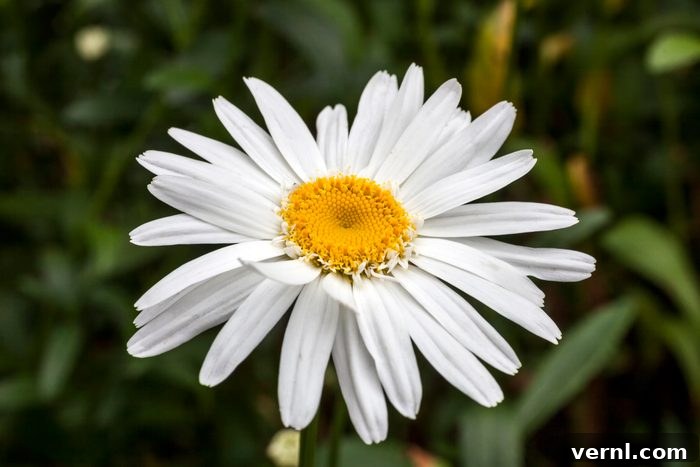
Shasta daisies owe much of their widespread popularity to their incredible ease of cultivation. These resilient perennials are quite forgiving, making them an excellent choice for both novice and experienced gardeners. Follow these guidelines to ensure your Shasta daisies flourish and provide a spectacular display year after year.
Optimal Growing Conditions: Where Shasta Daisies Thrive
For a truly magnificent display of blooms, Shasta daisies demand full sun exposure, meaning at least six to eight hours of direct sunlight daily. While they can tolerate partial shade, insufficient light will result in fewer flowers and leggy growth, compromising their vibrant appearance. Beyond sunlight, well-drained soil is paramount. Shasta daisies are highly susceptible to root rot in waterlogged conditions. If your garden soil is heavy clay, which tends to retain too much moisture and is difficult to work, incorporating a generous amount of organic matter is crucial. Materials like compost, aged manure, or peat moss will significantly improve soil structure, enhancing drainage and aeration. This step benefits not only Shasta daisies but most perennial plants, setting the stage for healthy root development and robust growth. The ideal soil pH for Shasta daisies ranges from slightly acidic to neutral (6.0-7.0).
Acquiring Your Shasta Daisy Plants
Most gardeners opt to purchase Shasta daisy plants directly from nurseries or garden centers, typically in spring, for immediate planting. At this time of year, plants are usually sold as young starts and may not yet be in bloom. This allows them to establish their root systems before the stress of flowering.
Alternatively, you might find Shasta daisy plants for sale later in summer and fall, often with blooms already present. This offers the advantage of seeing the flowers’ exact color and form before committing to a purchase. However, planting during the warmer months requires extra diligence regarding watering and providing temporary shade to help the plants acclimate to their new environment and minimize transplant shock.
Cultivating Shasta Daisies from Seed
Growing Shasta daisies from seed is a rewarding and economical way to establish a large patch of these cheerful flowers, though it requires a bit more patience. For best results, sow seeds indoors 10 to 12 weeks before your area’s last predicted frost-free date. Use a high-quality seed starting mix and keep the soil consistently moist. Germination can be variable, sometimes taking several weeks, so don’t despair if you don’t see immediate sprouts.
Once germinated, seedlings will require consistent light, ideally from grow lights, to prevent them from becoming leggy. As they mature, harden them off by gradually exposing them to outdoor conditions over a week or two before transplanting them into the garden. It’s important to note that most Shasta daisies grown from seed will not produce flowers until their second year in the garden, as they focus their energy on developing a strong root system in their first season.
Planting Your Shasta Daisies for Success
Once you’ve acquired your plants, proper planting is key. Dig a hole twice as wide as the root ball and just as deep. Gently remove the plant from its container, loosen any circling roots, and place it in the hole so that the top of the root ball is level with the surrounding soil. Backfill with soil, gently firming it around the base of the plant to remove air pockets. Water thoroughly immediately after planting to settle the soil and provide initial hydration. Space plants about 18-24 inches apart, depending on the mature size of the variety, to allow for good air circulation and prevent overcrowding.
Digging and Dividing for Vigorous Growth
Shasta daisies are vigorous growers and tend to spread over time, forming larger clumps. If left undivided, these clumps can become overcrowded, leading to reduced vigor and fewer flowers, and may even crowd out neighboring plants. Dividing your Shasta daisies every two to three years rejuvenates the plants and provides new starts for other areas of your garden or to share with friends.
The best times to dig and divide are in early spring, just as new growth emerges, or later in fall after they’ve finished blooming. Fall division allows sufficient time for the newly separated plants to establish their root systems before the first hard frost. To divide, carefully dig around the entire clump, lifting it from the ground. Use a sharp spade or knife to cut the clump into several smaller sections, ensuring each section has a healthy portion of roots and at least two or three strong shoots. Replant these divisions at appropriate spacing and water them thoroughly and consistently until they are well-established again.
Mulching and Watering: Essential Hydration and Protection
Applying a layer of organic mulch around your Shasta daisies offers numerous benefits. A 2-3 inch layer of mulch, such as wood chips, shredded bark, or straw, helps retain soil moisture, suppress weed growth, and moderate soil temperature fluctuations. This is particularly crucial during the first year after planting, as the young roots work to establish themselves. During this establishment period, new plants will require the equivalent of an inch of rain per week, either from rainfall or supplemental watering. Use a rain gauge to monitor natural precipitation.
Once Shasta daisies are established, they become remarkably drought-tolerant and generally do not require extra watering, unless your region experiences prolonged dry spells or extreme heat. When you do water, water deeply and thoroughly to encourage deep root growth, rather than shallow, frequent sprinklings. Signs of under-watering include wilting and crispy leaves, while over-watering can lead to yellowing leaves and, ultimately, root rot.
Fertilizing Your Shasta Daisies
The decision of whether or not to fertilize your Shasta daisies, or any perennial flowers for that matter, should ideally be based on the fertility of your existing soil. The most effective way to assess your soil’s nutrient levels is through a professional soil test. This test will provide specific recommendations for amendments and fertilizers. If your soil test indicates a deficiency, or if your plants show signs of nutrient stress (such as pale foliage or poor growth), apply a balanced, general-purpose granular fertilizer in early spring. Always follow the directions on the product package carefully to avoid over-fertilization, which can harm plants and lead to excessive foliage growth at the expense of flowers.
Pruning for Health and Extended Blooms
Effective pruning is simple yet vital for maintaining the health and prolific blooming of your Shasta daisies.
- Deadheading: This is perhaps the most important pruning task. Regularly removing faded or spent blooms (deadheading) prevents the plant from expending energy on seed production. Instead, this energy is redirected into producing more flowers, encouraging a longer blooming season. While the initial flush of early summer blooms is typically the most abundant, consistent deadheading can coax a second, albeit lighter, wave of flowers throughout the summer and into early fall.
- General Tidying: In late fall, after the plant has finished blooming and the foliage begins to yellow, you can cut the plants back to about 2-3 inches above the ground. This helps to clean up the garden, prevent disease, and prepare the plants for winter dormancy. Alternatively, in milder climates, leaving some foliage can offer a bit of winter protection and provide habitat for beneficial insects.
Pest and Disease Control for Resilient Daisies
One of the most appealing aspects of Shasta daisies is their inherent resistance to many common garden pests and diseases. This low-maintenance quality is a significant factor in their widespread popularity. Even notoriously destructive garden visitors like deer and rabbits typically leave Shasta daisies undisturbed, finding them unpalatable.
However, no plant is entirely immune, and occasionally, aphids can become problematic. These small, soft-bodied insects tend to congregate on new growth and flower buds, sucking sap and potentially distorting foliage. Minor infestations can often be controlled with a strong blast of water from a hose, which dislodges the pests. For more persistent issues, consider using insecticidal soap or neem oil, which are organic and less harmful to beneficial insects. Beyond aphids, very rarely, Shasta daisies might encounter issues like leaf spot or powdery mildew, usually in conditions of high humidity or poor air circulation. Ensuring proper plant spacing and watering at the base of the plant can help prevent these fungal problems.
Winter Care: Preparing Your Daisies for the Cold
In USDA Zones 5-9, Shasta daisies are generally hardy and require minimal winter protection. After you’ve cut them back in the fall (as described in the pruning section), applying an additional layer of mulch (around 4-6 inches) over the crown of the plant can provide extra insulation, especially in the colder end of their hardiness range or during unusually harsh winters. This mulch should be pulled back slightly in early spring as new growth begins to emerge to prevent smothering. In very wet winter climates, ensure the soil remains well-drained to prevent crown rot.
Cutting for Bouquets and Deadheading: Maximizing Your Blooms
Shasta daisies make exceptional cut flowers, bringing a vibrant, natural elegance indoors. For optimal vase life, cut the flowers just as they begin to open, when the petals are fully unfurled but the centers are still relatively tight. Use sharp scissors or pruners to make a clean cut, ideally in the morning after the dew has dried. Immediately plunge the stems into a bucket of water. To prolong their beauty, change the water in the vase every few days and give the flower stems a fresh, angled cut to improve water uptake. With proper care, a bouquet of Shasta daisies can last a week or even longer.
As mentioned earlier, deadheading faded blooms is not only beneficial for extending the plant’s blooming period but also for maintaining its neat appearance. Regularly inspecting your plants and snipping off spent flowers will encourage the plant to produce more buds, ensuring a continuous, albeit sometimes less profuse, display of cheer throughout the summer.
Frequently Asked Questions About Shasta Daisies
Are Shasta daisies a beginner-friendly plant?
Absolutely, Shasta daisies are an ideal choice for gardening novices. Their robust nature and minimal care requirements make them incredibly forgiving. Gardening expert Tammy Sons affirms, “Shasta daisies are one of the simplest perennials you can grow, so I am always recommending them to beginners. They come back year after year with bright blooms and little effort.” Their dependable return and cheerful disposition offer an encouraging start for anyone new to perennial gardening.
What’s the best way to protect Shasta daisies from pests?
While generally pest-resistant, proactive care can further safeguard your Shasta daisies. Tammy Sons advises, “If you deadhead regularly, you can also avoid having to deal with pests like aphids or slugs.” This is because spent blooms and decaying plant material can sometimes attract unwanted guests. For minor aphid infestations, Sons suggests, “Neem oil or a strong blast of water will take care of natural predators.” These eco-friendly methods effectively manage pests without resorting to harsh chemicals.
How long do Shasta daisies typically bloom?
Shasta daisies are known for their extended bloom period. Depending on the variety and growing conditions, they typically begin flowering in late spring to early summer and can continue to produce blooms throughout the summer, often into early fall, especially with consistent deadheading.
Do Shasta daisies spread aggressively?
Shasta daisies do spread by rhizomes and will form increasingly larger clumps over time. While not considered aggressively invasive, they will gradually expand their territory. Regular division every 2-3 years helps manage their spread, maintains plant vigor, and provides new plants for other garden areas.
Can Shasta daisies be grown in containers?
Yes, smaller and more compact varieties of Shasta daisies, such as ‘Snowcap’ or ‘Carpet Angel,’ can thrive in containers. Ensure the container has excellent drainage and use a high-quality potting mix. Container-grown plants will require more frequent watering and potentially more regular fertilization than those planted directly in the ground.
About the Expert
- Tammy Sons is a highly respected gardening and plant expert, serving as the founder and CEO of TN Nursery. Her company boasts a rich legacy in the nursery industry, spanning over 60 years and three generations of dedicated service. Tammy’s extensive knowledge is backed by her studies at both Harvard Business School and T.S.U. Horticulture, making her a trusted authority in plant cultivation and garden design.