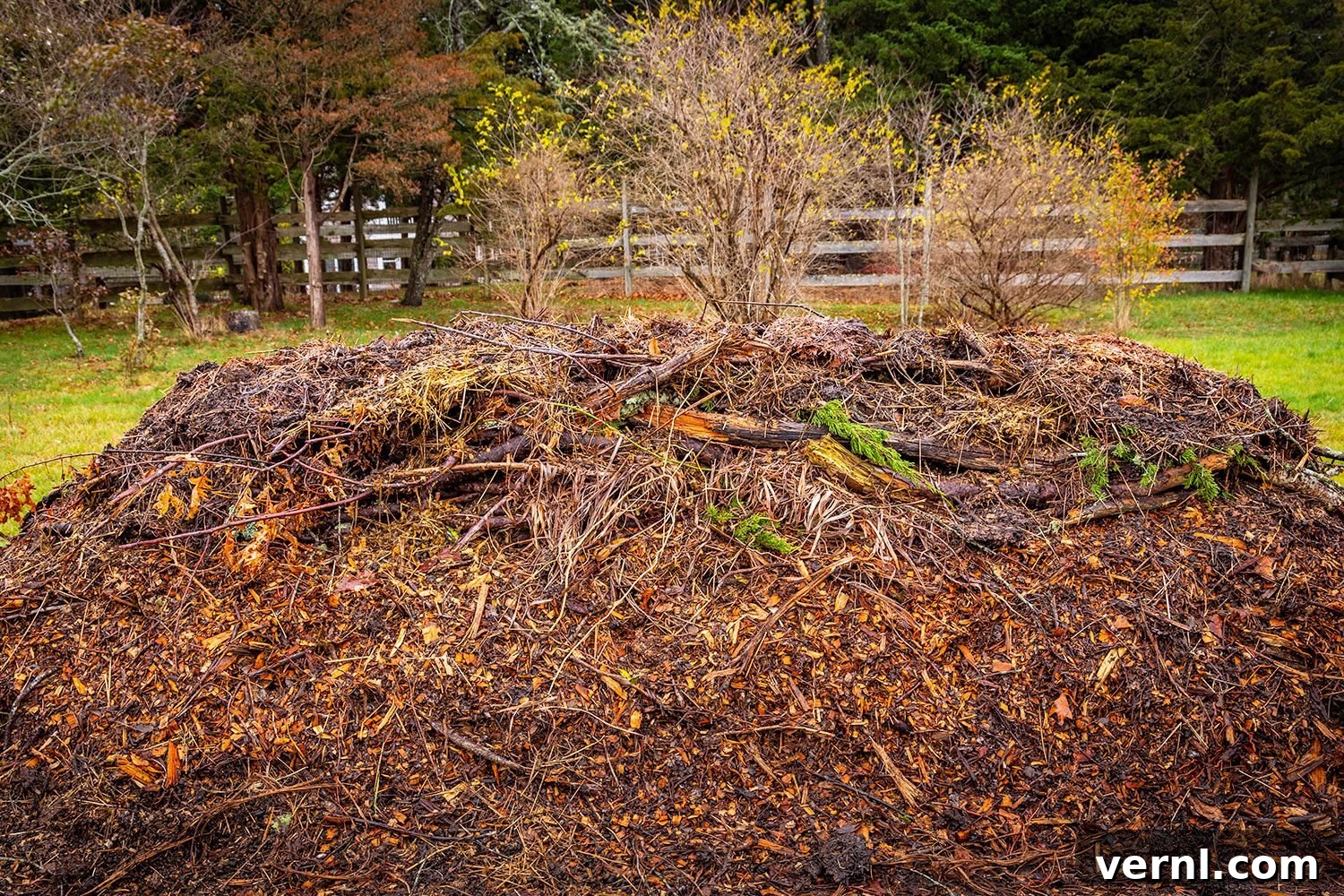
Mastering Hugelkultur: The Ultimate Guide to Sustainable Raised Garden Beds
Hugelkultur, a groundbreaking gardening method, has revolutionized the way many cultivate their land. It stands out as my preferred approach due to its remarkable simplicity, profound environmental benefits, and its ability to create stunningly productive, self-sustaining garden beds without the need for extensive digging. Essentially, it’s an advanced form of composting in place, offering an exceptional entry point into the world of permaculture techniques and sustainable agriculture.
My journey with hugelkultur began years ago, as I delved into research for innovative sustainability and permaculture ideas for my small homestead. The discovery of this method was transformative; it quickly became my go-to strategy for establishing new growing spaces and garden beds, primarily because of its undeniable efficacy and long-term benefits. It’s more than just a gardening technique; it’s a philosophy that works in harmony with nature, promoting ecological balance and robust plant health.
What Exactly is Hugelkultur?
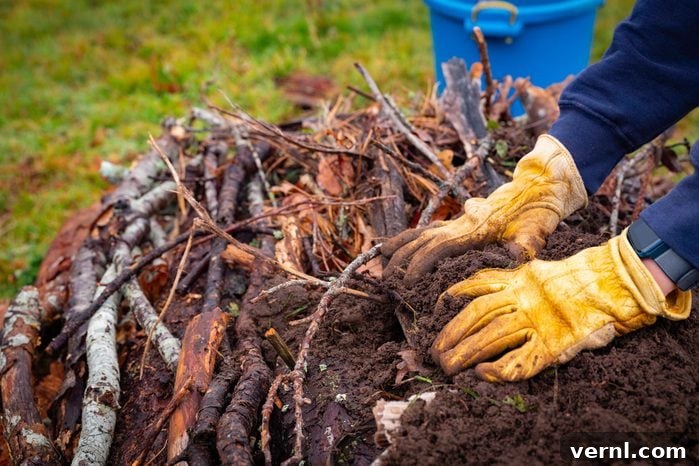
Hugelkultur, pronounced “hoo-gul-culture,” is a German term that elegantly translates to “hill culture” or “hill mound.” This ingeniously simple yet highly effective gardening technique involves constructing raised beds predominantly filled with decaying wood. At its core, hugelkultur seeks to replicate the natural decomposition processes found on a forest floor, where fallen trees and organic matter slowly break down, enriching the soil and fostering new life.
The fundamental concept is remarkably straightforward and rooted in ecological principles: as the organic matter, especially the wood, gradually decomposes within the mound, it continuously releases a steady supply of vital nutrients directly to the plants. This slow, sustained nutrient release mimics the natural cycles of a vibrant forest ecosystem, creating an incredibly fertile and self-sustaining environment for your garden. Beyond nutrients, the decaying wood acts like a sponge, significantly improving the bed’s ability to retain moisture, reducing the need for frequent watering, especially during dry spells.
To begin, you gather untreated, natural wood. This can range from small twigs and branches, to medium-sized logs, or even substantial pieces of tree trunks – the beauty of hugelkultur lies in its flexibility and utilization of readily available materials. Once the wood base is established, it’s covered with various compostable materials. These often include kitchen scraps like vegetable peelings, an abundance of autumn leaves, and fresh grass clippings. This layering process, as depicted in the accompanying photo, is crucial for initiating the decomposition process and providing immediate nutrients.
After layering the organic materials, you have two primary options. You can choose to allow the top layer of organic matter to begin its natural decomposition process over a period, or you can immediately cover it with a few inches of mature compost and nutrient-rich topsoil, enabling you to start planting right away. The choice often depends on your urgency to plant and the availability of finished compost.
Understanding the Hugelkultur Raised Bed
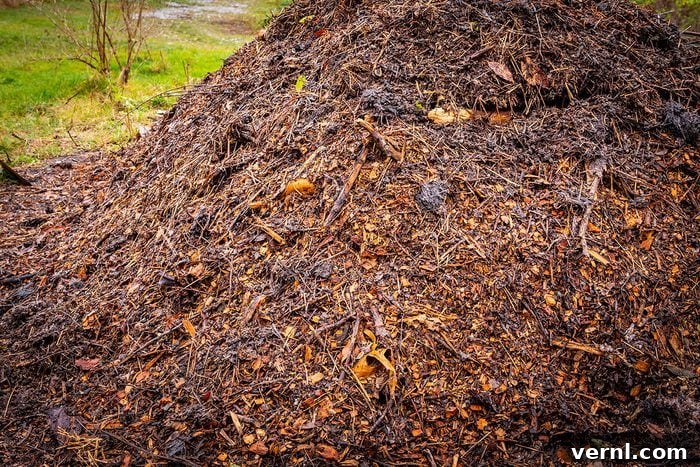
A hugelkultur raised bed is fundamentally a living mound, a carefully constructed layering of diverse organic materials designed to create an optimal growing environment. The construction typically begins with a robust base layer of larger logs or sturdy branches, forming the structural core of the mound. This is then followed by smaller pieces of wood, such as twigs, sticks, and wood chips, which help to fill gaps and promote a more uniform decomposition.
Above this woody foundation, a generous succession of organic materials is layered. This typically includes nutrient-dense compost, well-rotted manure, ample fallen leaves, diverse kitchen scraps (excluding meat and dairy), and fresh grass clippings. The final touch is a generous layer of high-quality topsoil, providing an immediate planting medium and sealing in the underlying organic richness. This intricate layering is what distinguishes hugelkultur and empowers its unique benefits.
The key distinction between a hugelkultur raised bed and a conventional raised garden bed lies profoundly in its internal composition and its dynamic, self-sustaining nature. While traditional raised beds are typically filled with a relatively static mixture of topsoil and compost, hugelkultur beds ingeniously incorporate a significant volume of wood and other raw organic materials. This fundamental difference is what allows hugelkultur to create a truly self-fertilizing and self-watering system that continuously and naturally improves soil fertility, structure, and biological activity over many years, if not decades. The decomposition process within the mound becomes a living engine for your garden’s health.
Evaluating the Pros and Cons of Hugelkultur Raised Beds
From my extensive experience, the drawbacks of hugelkultur raised beds are remarkably few, especially when weighed against their significant advantages. Given the choice, I would consistently opt for a hugelkultur bed over a traditional raised bed, which often demands constant attention and amendments to maintain its health and productivity. However, it’s essential to consider that for certain specific gardening contexts or individual preferences, a regular raised bed might indeed present a more suitable option.
The Abundant Advantages of Hugelkultur
- Exceptional Cost-Effectiveness: Hugelkultur beds are incredibly economical to establish and maintain. They brilliantly repurpose readily available, often free, materials such as fallen branches, logs, and various yard waste. This significantly reduces the need to purchase expensive lumber for frames or large quantities of specialized soil amendments, making sustainable gardening accessible to more people.
- Superior Moisture Retention: One of the most celebrated benefits is their exceptional ability to retain water. The decomposing wood acts like a giant sponge, absorbing and holding vast amounts of moisture, which it then slowly releases back into the soil during dry periods. This drastically reduces the need for frequent watering, conserving precious water resources and making your garden more resilient to drought conditions.
- Effortless Composting-in-Place: Hugelkultur beds offer an incredibly convenient and efficient method for composting raw vegetable scraps and a substantial portion of your garden waste directly within the bed itself. By “feeding” your hugelkultur beds, you not only reduce your household’s carbon footprint and landfill contributions but also actively recycle nutrients back into your growing system. This closed-loop system enriches the soil continuously.
- Long-Term Yield Enhancement and Soil Enrichment: Over time, hugelkultur beds tend to become increasingly productive, often yielding more abundant harvests. As the organic material, particularly the wood, steadily breaks down, it continuously enriches the soil, transforming it into a dark, crumbly, nutrient-dense medium known as humus. This leads to significantly healthier, more vigorous, and consistently productive plants, creating a truly living soil that can be replenished simply by adding more organic material throughout the year.
- Alignment with Permaculture Principles: Hugelkultur is deeply rooted in permaculture principles, emphasizing working harmoniously with nature rather than against it. These beds promote soil health, biodiversity, and ecosystem stability without requiring disruptive practices like tilling or turning the soil. They embody the permaculture ethic of minimal intervention and maximum yield, creating resilient and regenerative systems.
- Simplified Construction: Building a hugelkultur bed is generally far less complex and labor-intensive than constructing a traditional framed raised bed. They don’t necessitate a physical, rigid container or structural lumber to hold the soil and organic matter in place. This makes them quicker to assemble and requires fewer specialized tools or carpentry skills.
- Extended Growing Season: The ongoing decomposition of organic matter within a hugelkultur mound generates a subtle amount of heat, particularly in the initial years. This gentle warmth can slightly elevate the soil temperature, effectively extending the growing season by allowing for earlier planting in spring and later harvests into the fall, a valuable asset in cooler climates.
- Enhanced Soil Aeration: The foundational logs and branches create natural air pockets throughout the bed. This excellent aeration is crucial for healthy root development, beneficial microbial activity, and efficient water infiltration, preventing soil compaction and promoting robust plant growth.
Considerations and Potential Drawbacks
- Space Requirements: Hugelkultur raised beds, by their very nature, tend to occupy more horizontal space than comparably productive traditional raised beds. Their mounded design means they spread outwards, which might be a consideration for gardeners with extremely limited land. However, for smaller spaces, variations like trenched hugelkultur (where the wood is buried below ground level) can mitigate this.
- Initial Nitrogen Tie-Up: In the initial phase, particularly during the first year or two, the decomposition of carbon-rich wood can temporarily “tie up” available nitrogen in the soil. Microbes breaking down the wood require nitrogen, potentially making it less available for plants. This issue, however, is largely temporary and can be effectively mitigated by incorporating high-nitrogen materials into the mound during construction or as an initial top dressing. Excellent examples include well-rotted manure, fresh grass clippings, coffee grounds, or blood meal.
- Initial Settling of the Mound: Due to the decomposition and compaction of organic materials, a newly built hugelkultur mound will settle significantly over its first year. This is a natural process but means the bed will reduce in height and may require additional layers of compost and topsoil to maintain its desired profile. This settling is part of its evolution, not a flaw.
- Potential for Pests (Manageable): While generally not a major issue, the presence of decaying wood can theoretically attract certain insects or rodents. This concern is often minimized by choosing healthy, non-infested wood, ensuring the mound is well-covered with soil and other organic layers, and maintaining a healthy garden ecosystem that supports natural predators.
- Aesthetics During Establishment: For some gardeners who prioritize immaculate, formal garden designs, the initial appearance of a hugelkultur mound, especially before plants have fully established and covered it, might seem somewhat “wild” or less tidy. However, once planted, these beds quickly transform into lush, vibrant features of the landscape.
Optimal Plant Choices for a Hugelkultur Raised Bed
Hugelkultur beds boast incredible versatility, making them suitable for a vast array of plant species. They are particularly exceptional for cultivating a wide variety of fruits and vegetables, ranging from common staples like robust tomatoes and prolific zucchini to sweet strawberries and hearty potatoes. They are also incredibly beneficial for “heavy feeders” – plants that require a significant amount of nutrients to thrive – such as pumpkins, squash, corn, and melons, all of which flourish in the nutrient-rich, moisture-retentive environment of a hugelkultur bed.
However, their utility extends far beyond just edibles. You can also successfully grow a diverse range of ornamental plants, including vibrant flowers, perennial herbs, and various shrubs, making hugelkultur beds a truly fantastic and multi-functional addition to any landscape design. The deep, stable root environment provided by these beds is advantageous for many perennial species.
There are, however, a few considerations regarding plant selection. Due to the inherent moisture-retaining qualities of hugelkultur beds, which is one of their greatest strengths, I would strongly advise against attempting to grow cacti, succulents, or any other plants that are typically adapted to arid, xeriscape conditions. These plants thrive in dry, well-drained soils, and the consistent moisture provided by a hugelkultur bed would likely lead to root rot and overall plant failure. Always match your plant choices to the unique environmental conditions a hugelkultur bed provides.
Constructing Your Own Hugelkultur Raised Bed: A Step-by-Step Guide
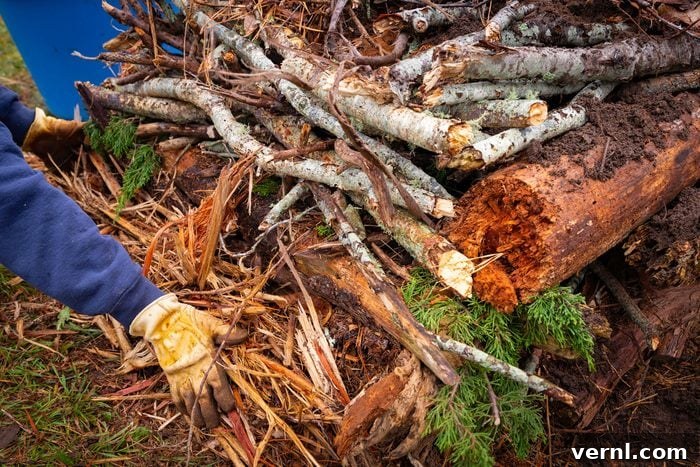
Building a hugelkultur bed is a rewarding and relatively straightforward process that can be tailored to your specific resources and space. Here’s a detailed rundown to guide you through each step:
- Strategic Location Selection: The first crucial step is to select an ideal location for your hugelkultur bed. Opt for a spot that receives ample sunlight – at least 6-8 hours of direct sun daily for most vegetables – and one that exhibits good natural drainage. While hugelkultur beds excel at moisture retention, establishing them in an already waterlogged area can lead to anaerobic conditions. Consider the contours of your land; building on a slight slope can aid in water distribution, or you might orient it along a contour for maximum water harvesting.
- Establish the Robust Base Layer: Begin by arranging your largest logs or substantial branches directly on the ground. These form the structural core and the long-term water and nutrient reservoir of your mound. Aim to create a mound that is typically three to six feet wide, though the exact dimensions can vary based on your available space and materials. Remember, this is a permaculture technique, so precision is less important than working with what you have. The height of this base layer largely depends on the size of your logs and your desired final bed height; taller logs will result in a more pronounced mound. Avoid using treated lumber, as it can leach chemicals into your soil. Softwoods like pine or spruce decompose faster, providing quicker nutrient release, while hardwoods like oak or maple decompose slower but provide benefits for many decades.
- Layering Smaller Woody Materials: Once your base logs are in place, generously pile on smaller woody materials. This includes twigs, thinner branches, wood chips, and even wood shavings. The purpose of this layer is to fill the significant gaps between the larger logs, creating a more uniform surface, enhancing aeration, and promoting a more comprehensive decomposition process. Don’t worry about achieving perfect coverage or density; a somewhat loose arrangement is perfectly acceptable and beneficial for air circulation.
- Incorporating Diverse Organic Materials: This is a critical step for immediate fertility. On top of your woody layers, begin adding a diverse array of rich organic materials. This can include a thick layer of finished compost, well-aged manure, ample fallen leaves, kitchen scraps (avoiding meat, dairy, and oily foods), fresh grass clippings, straw, cardboard (torn into pieces), and even a small amount of wood ash or biochar. Aim for a nice, dense layer that is anywhere from three to twelve inches thick. You truly cannot go too dense here, as these materials will compress significantly and break down into incredibly beautiful, dark, and nutrient-rich soil that will continuously feed your hugelkultur bed for years to come.
- Applying the Topsoil Layer: Conclude the construction with a generous layer of high-quality topsoil. Ensure that this layer completely covers all the underlying organic materials, creating a clean, workable surface for planting. Aim for a depth of at least three to six inches, which provides sufficient depth for most shallow-rooted plants to establish immediately. If you plan on growing deep-rooted plants or root crops such as carrots, potatoes, or radishes in the very first year, it is highly advisable to opt for a topsoil layer of six inches or more to allow adequate space for root development without immediate interaction with the raw wood below.
- Planting and Initial Watering: With your hugelkultur bed now constructed, it’s ready for planting! Gently plant your seeds or seedlings into the topsoil layer. Once planting is complete, water the entire bed thoroughly and deeply. This initial watering is crucial to help settle the soil and organic layers, eliminate air pockets, and initiate the decomposition process. After this, maintain a consistent watering schedule appropriate for your chosen plants, though you’ll likely find the need for watering significantly reduced compared to traditional beds.
So, is hugelkultur the right gardening method for your specific needs and garden space? The answer ultimately hinges on your unique gardening goals, the amount of available space you have, and the resources (primarily organic materials) at your disposal. However, if your ambition is to cultivate a truly sustainable, remarkably low-maintenance, and consistently productive garden that works in harmony with natural processes, then building hugelkultur raised beds is undeniably a method that warrants serious consideration and experimentation. Embrace the wisdom of the forest, and watch your garden thrive.