Modern internal combustion engines, from the smallest utility tools to high-performance vehicles, rely on a surprisingly simple yet critical component: the engine’s heart, the spark plug. Since its inception in the late 19th century by Belgian engineer Jean J. Lenoir, the spark plug has undergone continuous refinement, evolving into the compact, cost-effective, and remarkably reliable device we know today. Yet, despite these advancements, spark plugs are not immune to issues. A range of problems can lead to their failure, and for two-stroke engines – commonly found in an array of outdoor power equipment – one of the most frequent culprits is oil accumulation on the spark plug.
“Spark plugs are subjected to extreme conditions and can develop problems over time,” explains Kevin Oliff, general manager at AutoNation BMW Buena Park. “Common issues include fouling, electrode wear, and oil contamination, all of which can severely impact engine performance, leading to misfires, reduced power, or even complete failure to start.”
If you’ve encountered oil on the spark plug of your two-stroke engine, understanding the underlying causes and appropriate remedies is crucial for maintaining your equipment. This comprehensive guide will delve into the intricacies of spark plugs, explore why oil appears on them in two-stroke engines, outline the negative consequences, and provide actionable steps for diagnosis, cleaning, and prevention.
The Unsung Hero: Understanding the Spark Plug’s Vital Role
At its core, a spark plug is a small, electrical component engineered to ignite the precise mixture of fuel and air within the combustion chamber of gasoline-burning engines. It achieves this by transforming thousands of volts of electricity into a high-energy spark. This spark triggers a controlled, miniature explosion, generating the force that drives the piston downwards and ultimately powers the engine.
Threaded securely into the cylinder heads, spark plugs are positioned to ignite the compressed fuel-air mixture just as the piston reaches the top of its stroke. This rapid ignition forces the piston back down, converting the chemical energy of the fuel into mechanical energy. The cycle then repeats continuously: exhaust gases are expelled, fresh fuel and air are drawn in, and the spark plug again ignites the mixture. While spark plugs in vehicles and most four-stroke engines rarely collect significant debris that impairs their function, the unique design and lubrication system of small two-stroke engines make their spark plugs particularly susceptible to issues like oil fouling.
Why Two-Stroke Engines Are Different (and Prone to Oil Fouling)
The presence of oil on a spark plug is not normal for most engines. You would typically never observe oil on spark plugs in vehicles or four-stroke engines, such as those found in common lawn mowers or snow blowers. This distinction arises from fundamental differences in how these engine types are lubricated. In vehicles and four-stroke engines, oil resides in a dedicated reservoir (the oil pan), separate from the fuel supply. It is circulated through the engine to lubricate moving parts and then returns to the pan, with seals preventing it from entering the combustion chamber.
Conversely, machines equipped with a two-stroke engine utilize a combined fuel and lubrication system. Here, gasoline and oil are pre-mixed into a single liquid before being introduced into the engine. This mixture typically follows a specific ratio, often around 50 parts gasoline to one part oil, though this can vary. The oil in this mixture lubricates crucial internal components as the fuel burns, and a portion of it is consumed during the combustion process. While this design offers simplicity and light weight, it also creates conditions where oil can more readily come into contact with the spark plug. In a normally functioning two-stroke engine, this mixed fuel burns cleanly, but under several specific circumstances, oil can accumulate on the spark plug, leading to performance problems.
Decoding the Oily Spark Plug: Common Causes
If you discover oil coating your spark plug, it’s a clear indicator that something is amiss within your two-stroke engine. Pinpointing the exact cause is the first step toward a solution. Here are the most common reasons why oil might be finding its way onto your spark plug:
- Incorrect Fuel-to-Oil Mixture: This is perhaps the most common and easily rectified cause. Two-stroke engines require a precise ratio of gasoline to two-stroke oil. If too much oil is mixed into the gasoline – for example, a 30:1 ratio used when a 50:1 ratio is specified – the engine will not be able to completely burn off the excess oil. This unburnt oil will then collect on the spark plug’s electrodes and insulator, leading to fouling. Always consult your equipment’s owner’s manual for the exact recommended fuel-to-oil ratio.
- Worn Piston Rings or Cylinder Walls: Piston rings are vital components that form a seal between the piston and the cylinder wall. This seal prevents combustion gases from escaping past the piston (maintaining compression) and, critically, prevents excess oil from entering the combustion chamber. If these rings become worn, broken, or lose their tension, they can no longer effectively scrape oil from the cylinder walls. This allows unburnt oil to seep past the piston and directly onto the spark plug. A telltale sign of failing piston rings is often reduced engine compression, which can make the engine’s pull cord feel unusually easy to yank, and significantly hinder starting or cause a dramatic loss of power.
- Worn Engine Components / General Engine Wear: Beyond just piston rings, overall wear and tear on other internal engine components, particularly the cylinder walls themselves, can contribute to oil fouling. As an engine accumulates hours of use, tolerances can increase, creating pathways for oil to bypass seals and reach the spark plug. While small two-stroke engines typically lack the complex valve systems of four-stroke engines, general wear that reduces the engine’s ability to maintain proper compression or efficiently burn its fuel/oil mixture will manifest as oil on the spark plug.
- Incorrect Oil Viscosity: The viscosity of the oil refers to its thickness or resistance to flow. Using an oil that is too thin (low viscosity) for your engine’s design or operating conditions can allow it to more easily slip past the piston rings or other internal clearances and deposit on the spark plug. Conversely, oil that is too thick (high viscosity) might not burn off efficiently, also leading to residue. Always use the specific type and viscosity of two-stroke oil recommended by the manufacturer, which is typically designed to burn cleanly with the fuel.
- Excessive Idling or Low-RPM Operation: Two-stroke engines are often designed to operate at higher RPMs, where they achieve optimal combustion temperatures and efficiently burn the fuel/oil mixture. Prolonged idling or consistent operation at very low RPMs can prevent the engine from reaching its ideal operating temperature. When the engine is not hot enough, the oil in the fuel mixture may not burn completely, leading to a build-up of uncombusted oil and carbon deposits on the spark plug.
One of the most immediate and visible indicators that your spark plug is coated in oil, and that oil is being burned in the combustion chamber, is the presence of blue smoke emanating from the engine’s exhaust. While some light smoke is normal for two-stroke engines, excessive blue smoke signals an issue with oil consumption.
The Ripple Effect: Negative Impacts of Oil on Spark Plugs
An oil-fouled spark plug is not merely a minor inconvenience; it significantly impairs engine function and can lead to a cascade of problems. If your spark plug is coated in oil, your engine will likely exhibit one or more of these detrimental malfunctions:
- Complete Failure to Start: This is the most severe outcome. If the spark plug’s electrodes are completely caked with oil and carbon, the electrical current cannot bridge the gap to create a spark. Without a spark, the fuel-air mixture cannot ignite, rendering the engine completely inoperable.
- Difficulty Starting: Even if there’s enough of a gap for a weak spark, heavy oil fouling will significantly degrade its quality and intensity. This makes it challenging for the engine to ignite the fuel mixture reliably, especially when cold. You might find yourself pulling the starter cord many more times than usual, or needing to use starting fluid to coax the engine to life.
- Rough Running / Misfires: Once the engine does start, an oil-fouled spark plug will cause it to run erratically. The engine might idle roughly, stumble under load, or experience frequent misfires. A misfire occurs when a cylinder fails to ignite its fuel-air charge, leading to a noticeable skip or loss of power. This not only makes the equipment difficult to use but also places undue stress on other engine components.
- Reduced Engine Performance and Power: Consistent misfires and inefficient combustion directly translate to a significant loss of power. Your chainsaw might cut slower, your leaf blower might struggle to move debris, and your string trimmer might lack the necessary torque. The engine won’t be able to generate its rated horsepower because it’s not burning fuel optimally.
- Increased Fuel Consumption: Incomplete combustion due to a fouled plug means that fuel is being wasted. The engine needs to work harder to achieve the same output, burning more fuel in the process. This hits your wallet and contributes to inefficiency.
- Potential for Long-Term Engine Damage: While a single instance of oil on a spark plug might be fixable, persistent fouling due to underlying issues like worn piston rings can lead to more serious, long-term damage. Unburnt fuel and oil can wash lubrication from cylinder walls, accelerating wear. Misfires can also lead to excessive heat in the exhaust system or damage to other sensitive components if the engine is forced to operate under compromised conditions.
Diagnosis and Remediation: What to Do When You Find Oil on a Spark Plug
The moment you pull out your spark plug and notice it’s covered in oil, your first reaction should be to investigate, not just clean. Simply wiping off the plug will only provide temporary relief; more oil will quickly accumulate if the underlying problem, such as failing piston rings or an incorrect fuel mixture, remains unaddressed.
Step 1: Diagnose the Root Cause
Before any cleaning or replacement, methodically check for the causes listed above:
- Check Your Fuel Mixture: Double-check the ratio of gasoline to two-stroke oil you are using. Is it precisely what your equipment’s manufacturer recommends? Was it measured accurately? If you suspect the mix is too rich in oil, drain the tank and refill with a fresh, correctly proportioned mixture.
- Assess Engine Compression: For issues like worn piston rings, a compression test can be invaluable. While specialized tools are needed for a precise test, an informal check can be made by pulling the starter cord. If it feels significantly easier to pull than normal, it’s a strong indicator of low compression, pointing towards worn piston rings or cylinder wear.
- Observe Exhaust Smoke: If your engine is producing excessive blue smoke during operation, it’s a clear sign of burning oil, reinforcing the diagnosis of an internal engine issue or an overly rich oil mixture.
- Consider Usage Patterns: Reflect on how you’ve been using the engine. Have you been doing a lot of idling or running it at very low RPMs? Adjusting your operating habits might help prevent future fouling.
Step 2: Clean or Replace the Spark Plug
Once you’ve identified and started to address the root cause, it’s time to deal with the fouled spark plug itself.
- Disconnect and Remove: Carefully disconnect the spark plug wire (often by pulling the rubber boot off the top of the plug). Using a spark plug wrench of the correct size, unthread the spark plug by turning it counter-clockwise and gently remove it from the cylinder head.
- Inspect for Damage: Before cleaning, visually inspect the spark plug. Look for any physical damage, such as a cracked insulator, bent electrodes, or excessive erosion. If you see any damage, or if the plug is very old and worn, replacement is the best option.
- Cleaning Process: If the plug is otherwise sound, you can clean it. Focus particular attention on the electrode tip and the ceramic insulator, where oil and carbon deposits accumulate.
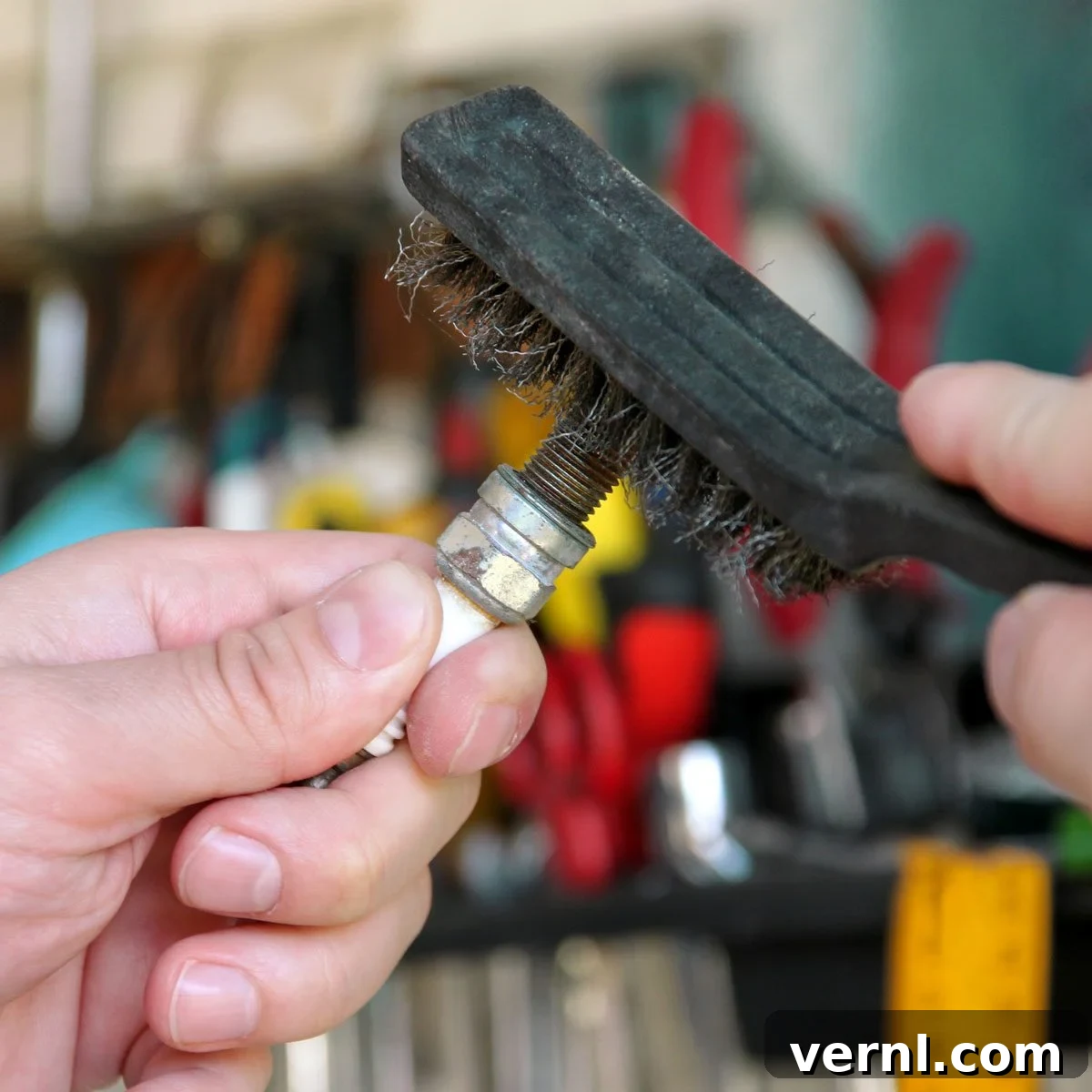
- Method 1 (Mild Cleaning): For light oil fouling, you can use a stiff wire brush or a small brass brush to gently scrape away carbon and oil deposits. You can also use a cloth dampened with a little rubbing alcohol or brake cleaner. Avoid harsh wire brushes that can damage the electrode.
- Method 2 (Deeper Cleaning): For more stubborn oil and carbon, a mild degreaser or carburetor cleaner can be applied carefully. Let it soak for a few minutes, then use a brush to scrub away the residue. You can also use household dish soap and water; just be sure to rinse thoroughly and allow the plug to dry completely (using compressed air can speed this up) before reinstallation to prevent rust or moisture-related misfires.
- Check Gap: After cleaning, always check the spark plug gap using a spark plug gapping tool. Refer to your owner’s manual for the correct gap specification. Adjust if necessary by gently bending the ground electrode.
- Reinstallation: Hand-thread the cleaned or new spark plug back into the cylinder head to avoid cross-threading. Once it’s finger-tight, use your spark plug wrench to tighten it to the manufacturer’s recommended torque specification. Overtightening can damage the plug or the cylinder head threads, while undertightening can cause poor contact or allow combustion gases to escape. Reconnect the spark plug wire securely.
Step 3: Address the Underlying Issue
Cleaning the plug is a temporary fix if the root cause persists. You must address the underlying problem:
- If the mixture was wrong, use the correct ratio going forward.
- If piston rings are failing, the engine will likely require disassembly and replacement of the piston rings (and potentially the piston and cylinder if wear is significant). This is often a job for an experienced mechanic.
- If general engine wear is the cause, and the equipment is older, you might need to weigh the cost of repair against the cost of replacing the entire unit.
Preventative Measures: Keeping Your Spark Plugs Clean and Engine Healthy
Preventing oil on your spark plug is far more desirable than having to constantly clean or replace it. Adopting a few best practices can significantly extend the life of your spark plugs and the overall health of your two-stroke engine:
- Adhere to the Correct Fuel-to-Oil Ratio: This is paramount. Always mix your gasoline and two-stroke oil precisely according to the manufacturer’s recommendations. Use a dedicated mixing container with clear measurements. Avoid “eyeballing” the ratio.
- Use High-Quality Two-Stroke Oil: Not all two-stroke oils are created equal. Invest in a reputable brand of oil that meets or exceeds industry standards (e.g., JASO FC/FD or ISO-L-EGC/EGD ratings). These oils are formulated to burn cleaner and leave fewer deposits.
- Avoid Over-Oiling: While an overly lean mixture (too little oil) can cause catastrophic engine damage due to lack of lubrication, an overly rich mixture (too much oil) leads to fouling and excessive smoke. Stick to the recommended ratio, no more, no less.
- Operate at Recommended RPMs: Avoid prolonged idling or consistently running your engine at very low RPMs. Two-stroke engines are designed to run at higher speeds where they efficiently burn the fuel/oil mixture and maintain optimal operating temperatures. If you must idle, keep it brief.
- Regular Maintenance: Ensure your air filter is clean and free-flowing. A clogged air filter can cause the engine to run rich, leading to incomplete combustion and potential spark plug fouling. Keep your fuel system clean to ensure proper fuel delivery.
- Store Fuel Properly: Use fresh fuel. Gasoline degrades over time, especially when mixed with oil. Stale fuel can lead to poor combustion and increased deposits. Use a fuel stabilizer if you plan to store mixed fuel for more than a few weeks.
Frequently Asked Questions (FAQ)
How often should I replace spark plugs in a two-stroke engine?
The replacement interval for spark plugs in two-stroke engines varies significantly depending on the specific vehicle or tool, its usage, and the quality of the spark plug itself. Always refer to your equipment’s owner’s manual for precise recommendations, as this is the most reliable source of information. However, here are some general guidelines:
- Lawn Mowers (two-stroke): Typically, spark plugs should be inspected and potentially changed every 25 operating hours or once per season, whichever comes first.
- Chainsaws & Other Small Handheld Equipment (trimmers, leaf blowers): For high-stress tools like chainsaws, replacement intervals can range from 100 to 200 hours of use, or at least once per season. Given the demanding nature of their work, annual replacement is often a good preventative measure.
- Outboard Boat Motors: Spark plugs in marine engines are usually checked after every 100 hours of use and often replaced at this interval, though some higher-quality plugs might last up to 300 hours or one full boating season. Regular inspection is key due to the corrosive marine environment.
The quality and material of the spark plug also play a significant role in its lifespan. “Copper plugs generally wear out the fastest due to their softer electrode material, while platinum and iridium plugs are designed for much longer service intervals because of their durability and resistance to wear,” notes Duane “Doc” Watson, a technical trainer at Bosch Mobility Aftermarket. “However, the overall quality of construction, even in a copper plug, matters. For instance, our copper plugs feature a durable nickel-alloy center electrode designed for extended performance.” Always choose spark plugs that are compatible with your engine and from a reputable manufacturer.
What are the signs of a failing spark plug?
Recognizing the signs of failing spark plugs can help you address issues before they cause more significant engine problems. Common indicators include:
- Rough Idling: The engine struggles to maintain a steady RPM, often feeling shaky or vibrating excessively when at rest.
- Engine Misfiring: A noticeable hesitation, stumble, or loss of power during acceleration or under load, indicating that one or more cylinders are not igniting their fuel charge correctly.
- Difficulty Starting: The engine cranks for an extended period before firing, or requires multiple attempts to start, especially when cold.
- Reduced Fuel Economy: An inefficiently burning engine uses more fuel to produce the same amount of power, leading to higher fuel consumption.
- Lack of Power or Acceleration: The equipment feels sluggish and unable to reach its full potential, struggling to perform tasks it once handled easily.
- Increased Exhaust Emissions (especially black or blue smoke): While blue smoke often indicates burning oil, black smoke can signify an overly rich condition due to incomplete combustion from a weak spark.
What is the correct fuel-to-oil mixture for a two-stroke engine?
The correct fuel-to-oil mixture is critical and varies by engine manufacturer and model. Common ratios include 50:1 (50 parts gasoline to 1 part two-stroke oil), 40:1, and 32:1. Always consult your equipment’s owner’s manual for the precise ratio required. Using the wrong ratio can lead to engine damage (too little oil) or spark plug fouling and excessive smoke (too much oil).
What type of oil should I use for my two-stroke engine?
Always use a high-quality two-stroke engine oil specifically designed for air-cooled engines. Look for oils that meet or exceed industry standards such as JASO FC, JASO FD, ISO-L-EGC, or ISO-L-EGD. These ratings ensure the oil is formulated to burn cleanly, reduce smoke, and minimize carbon deposits, providing proper lubrication without excessive fouling. Never use automotive (four-stroke) engine oil in a two-stroke engine.
Can a dirty spark plug damage an engine?
Yes, a consistently dirty or fouled spark plug can lead to engine damage over time. It causes incomplete combustion, which can lead to unburnt fuel washing away lubrication from cylinder walls, accelerating wear on pistons and rings. Misfires also put additional stress on other engine components and can lead to overheating in the exhaust system, potentially damaging the catalytic converter (if applicable) or other sensitive parts.
Is blue smoke always a sign of oil on the spark plug?
Yes, typically, blue smoke from the exhaust of an internal combustion engine is a strong indicator that oil is being burned in the combustion chamber. In two-stroke engines, while a small amount of blue smoke is normal due to the oil-fuel mixture, excessive or dense blue smoke signals that too much oil is entering the combustion process – either from an incorrect fuel mixture or internal engine wear. This excess oil then contributes directly to spark plug fouling. It’s important to differentiate blue smoke from white smoke (which usually indicates burning coolant or condensation) or black smoke (which indicates an overly rich fuel mixture).
About the Experts
- Duane “Doc” Watson is a highly respected technical trainer at Bosch Mobility Aftermarket. With over 45 years of extensive experience in automotive repair, Doc Watson has trained thousands of technicians across the industry and has been honored with numerous accolades, including Chevrolet Technician of the Year and Buick Service Master of the Year. His deep understanding of engine components and their function makes him an invaluable resource for this guide.
- Kevin Oliff serves as the general manager at AutoNation BMW Buena Park in California. Bringing more than two decades of experience in the automotive field, Kevin Oliff offers significant insights into engine maintenance, common mechanical issues, and the importance of regular care for optimal vehicle and equipment performance.