

Should You Buy a Car in 2025? Navigating Auto Tariffs and Rising Prices
The decision to purchase a new or upgraded vehicle is always significant, but in 2025, it comes with unique complexities. Many potential car buyers are asking, “Is now the right time to buy a car?” This pressing question stems from the ongoing economic shifts, particularly the implementation of a 25 percent auto tariff by former President Donald Trump and an additional 10 percent tariff on all countries, which took effect in early April. These policies have cast a shadow of uncertainty over the automotive market, making informed decisions more crucial than ever.
To help navigate this intricate landscape, we’ve gathered insights from leading automotive experts. We delved into how these tariffs are reshaping car prices, impacting both new and used vehicle markets, and whether delaying your purchase might be a financially sound choice. Understanding these dynamics is key to making a confident decision in today’s evolving automotive economy.
How 2025 Tariffs Are Impacting Car Prices: A Detailed Look
The ripple effect of the 2025 tariffs on car prices is undeniable, and its reach is projected to expand significantly across the entire automotive sector. If the vehicle you’re interested in hasn’t yet seen a price hike, it’s highly probable it will in the near future. A comprehensive analysis by the Center for Automotive Research (CAR) indicates that President Trump’s 25 percent auto tariffs are set to increase costs for automakers operating in the U.S. by an staggering approximately $108 billion.
Chris Pyle, a former transition technician and seasoned auto expert with JustAnswer, explains the mechanism behind these increases: “New cars containing parts sourced from outside the U.S. and new cars fully assembled internationally will inevitably become more expensive. This isn’t just about a few niche models; the price increase will likely be distributed across many car models, resulting in each vehicle seeing a rise of a couple thousand dollars, rather than one specific model experiencing an astronomical jump that consumers would simply refuse to pay.” This strategy aims to normalize the increase across a broader market, making it a widespread burden rather than a localized shock.
Echoing this sentiment, Kevin Roberts, director of economic and market intelligence at CarGurus, provides concrete projections. CarGurus estimates that the average list price for a new vehicle, which stood at approximately $49,500 at the end of March, could surge to over $53,000 in the coming months. This anticipated rise reflects the direct passing down of the tariff-related cost burden from manufacturers and dealerships directly to consumers.
Roberts further elaborates on the multifaceted nature of these price increases: “It is crucial to recognize that these escalating prices will not solely stem from the direct impact of tariffs on imported vehicles. They will also be influenced by reciprocal tariffs imposed by other countries in response to U.S. policies, as well as the existing steel and aluminum tariffs already in place. These layered cost pressures create a complex economic environment, affecting not only imported vehicles but also those assembled domestically within the United States, as components and raw materials become more expensive across the board.” This holistic view highlights that even “Made in America” cars are not immune to the tariff’s pervasive influence due to global supply chains.
Will Used Cars Become More Expensive Due to Tariffs?
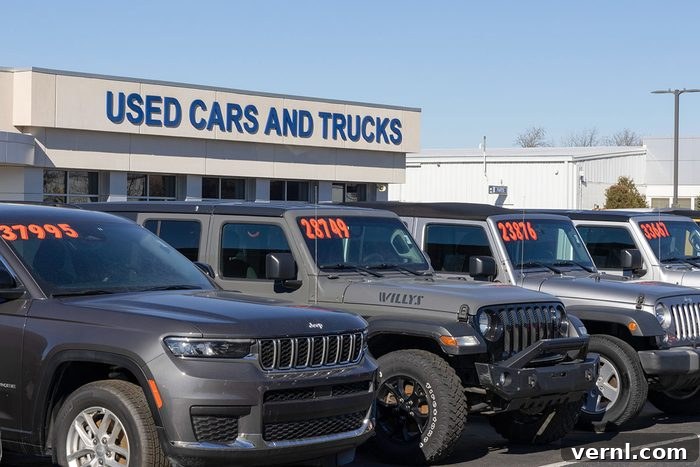
While the tariffs do not directly target used cars, their impact on this segment of the market is significant and indirect. As new car prices climb, a natural consequence is that more consumers will pivot towards used vehicles as a more affordable alternative. This shift in demand creates a classic economic scenario: increased demand coupled with potentially stagnant or decreasing supply.
As Chris Pyle points out, “You can expect the available pool of used cars to shrink, and consequently, their prices to rise significantly due to the fundamental principles of supply and demand.” This means that what was once a budget-friendly option might now command higher prices, diminishing the cost advantage it traditionally held over new vehicles.
Beyond the initial purchase price, the cost of maintaining a used car is also expected to increase. “The prices of car repairs and replacement parts will very likely go up,” Pyle adds. This is because many parts, even for older models, are imported or rely on imported raw materials. Therefore, sustaining your used car’s operational health will incur greater expenses than it did in the past, adding another layer to the overall cost of ownership in the current economic climate.
Is It a Good Time to Buy a Car in 2025? Expert Opinions and Market Trends
Despite the rising prices, a compelling argument exists for making your car purchase sooner rather than later in 2025. Experts largely agree that waiting will likely only lead to even higher costs. “A car priced at $50,000 today could easily be $60,000 just a month from now,” warns Chris Pyle, highlighting the rapid escalation of prices in the current market.
For individuals whose car leases are nearing their end, Kevin Roberts of CarGurus offers specific advice. He suggests that it might be prudent to consider a buyout of the current lease or an extension of the existing agreement. This is because replacement vehicles are almost certainly going to be more expensive than anticipated. “Shoppers should also remain vigilant for available incentives being offered by automakers,” Roberts advises. “Many manufacturers are strategically rolling out limited-time offers and special deals designed to help consumers offset the rising costs and stimulate sales in a challenging market.” These incentives could represent a fleeting opportunity to mitigate some of the tariff-driven price hikes.
The current market environment, characterized by inflation and supply chain disruptions exacerbated by tariffs, makes purchasing a car a complex financial decision. Understanding these dynamics is critical, as waiting for prices to drop might be a long-term gamble. The general consensus points towards acting proactively to secure a vehicle at current prices before further increases take hold.
Should You Wait to Buy? Pros & Cons of Delaying Your Purchase
When contemplating whether to buy a car now or postpone the decision, it’s essential to weigh the immediate benefits against the potential drawbacks. This decision should align with your personal financial situation, urgent transportation needs, and risk tolerance.
Benefits of Buying a Car Right Now
According to Kevin Roberts, one of the most significant advantages of buying a car now is the opportunity to “lock in lower prices.” As tariffs continue to permeate the market and impact newly imported inventory and car parts, future prices are projected to climb even higher. Securing a purchase today could mean significant savings compared to waiting a few months.
Furthermore, the current market has seen a strategic response from automakers. In the face of rising tariffs, many have unveiled limited-time deals, including employee pricing offers or special financing rates. “You might stumble upon a deal that wouldn’t have been conceivable just several months ago,” Roberts observes. He also cautions, “The future availability of attractive auto incentives could be in jeopardy if manufacturers’ profits are severely strained by ongoing tariffs,” suggesting that these current deals may be short-lived.
From a practical and safety standpoint, if your current vehicle presents significant safety issues or suffers from mechanical problems that render it unsafe or unreliable, delaying a purchase is not advisable. Regardless of market fluctuations or potential price increases, your safety and the safety of your passengers should always be the paramount concern. Investing in a safe, reliable, and properly functioning vehicle immediately takes precedence over potential cost savings.
Additionally, considering the ongoing supply chain issues, current inventory levels, though potentially higher than peak shortages, might still offer a better selection than what could be available in the coming months if demand continues to outstrip supply, or if further geopolitical events impact production.
Cons of Buying a Car Right Now
One of the most immediate drawbacks of buying a car in the current climate is the fact that prices have already begun to rise, making vehicles more expensive than they were just a few months ago. This factor can be a significant “dealbreaker” for many consumers, particularly those operating on a tight budget who may not have the additional funds to cover the increased cost of a vehicle that was once substantially cheaper.
Beyond the price tag, potential buyers may encounter limited availability of certain models or configurations due to persistent supply chain disruptions and the sheer volume of consumers attempting to purchase a car to “lock in” a price before further increases occur. This competitive environment can lead to fewer choices, longer waiting lists, and less room for negotiation.
There’s also the uncertainty of future market conditions. While experts currently advise buying now, unforeseen economic shifts or policy changes could potentially alter the market trajectory. Buying now means accepting the current elevated prices, without the guarantee that prices won’t stabilize or even slightly decrease much further down the line (though current indicators suggest otherwise).
Ultimately, the decision to buy a car in 2025 is deeply personal and must be predicated on your specific circumstances, financial health, and immediate needs. Thorough research into current market offerings, available financing options, and a clear understanding of your budget is paramount. Exploring various makes and models that meet your requirements while remaining within your financial comfort zone is the best approach to navigating this complex automotive landscape.
Beyond the Purchase: Considering Long-Term Ownership Costs
Purchasing a car isn’t just about the upfront cost; it’s also about the long-term expenses of ownership. In 2025, these costs are also subject to inflationary pressures and tariff impacts. Expect car insurance premiums to potentially rise, as the cost of repairs and replacement parts increases due to tariffs. Fuel prices remain volatile, and routine maintenance, including oil changes and tire replacements, could also see an uptick. When making your decision, it’s crucial to factor in these ongoing costs to ensure the vehicle remains affordable throughout its lifespan. A holistic financial plan is more important than ever.
Tips for Car Buyers in the Current Market
Given the unique challenges of buying a car in 2025, here are some actionable tips to help you make an informed decision:
- Do Extensive Research: Compare prices, features, and expert reviews across multiple brands and models. Look beyond the sticker price to total cost of ownership.
- Understand All Costs: Beyond the purchase price, consider insurance, maintenance, fuel, and potential repair costs, which are all rising due to tariffs.
- Explore Financing Options: Interest rates can significantly impact your total expenditure. Shop around for the best loan rates and consider pre-approval before visiting a dealership.
- Be Flexible: If your heart is set on a specific model that’s now out of your budget or unavailable, be open to exploring alternatives or slightly different trim levels.
- Test Drive Thoroughly: Ensure the vehicle meets your comfort and performance expectations before committing.
- Negotiate Wisely: While the market favors sellers, there might still be room for negotiation on extras, extended warranties, or trade-in values.
- Consider Certified Pre-Owned (CPO): CPO vehicles offer a middle ground, providing some of the reliability benefits of a new car with a lower price point than a brand-new model, often with an extended warranty.
- Act Decisively (If Ready): If you’ve done your research and found a vehicle that fits your needs and budget, delaying the purchase might result in higher prices or diminished availability.
About the Experts
- Chris Pyle, former transition technician and auto expert with JustAnswer.
- Kevin Roberts, director of economic and market intelligence at CarGurus.
Sources
- CAR: CAR Releases Tariff Impact Analysis (2025)
RELATED ARTICLES
- Do You Know What That Little Button on Your Seat Belt Is For?
- What Those Lines on Your Backup Camera Really Tell You
- Here’s What The Small Panel On Your Car’s Front Bumper Is For