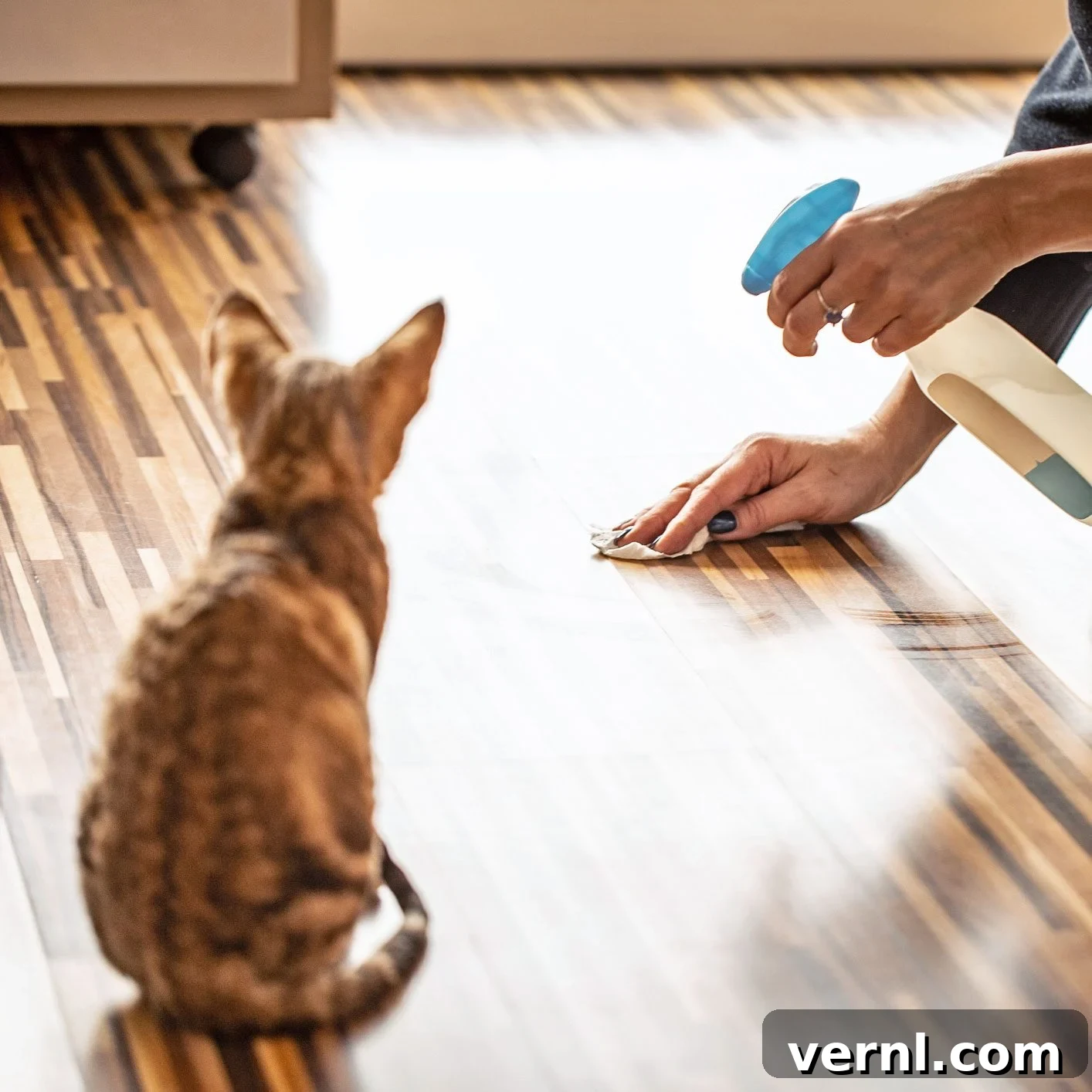
Cats are renowned for their meticulous grooming habits and innate ability to use a litter box, often appearing to litter train themselves with minimal effort. Their typical cleanliness is one of the many charming aspects of living with a feline companion. However, despite their usual fastidiousness, encountering a cat peeing outside the litter box is a surprisingly common and frustrating issue for many pet owners. It’s important to remember that these “accidents” are rarely done out of spite; they are almost always a sign that something is amiss in your cat’s world.
While messes are an unfortunate, albeit occasional, part of sharing your home with pets, there are proactive steps you can take to understand the root cause and minimize future damage. If you’re grappling with recurring cat accidents, understanding the underlying reasons why your cat might be eliminating outside its designated area is the first crucial step toward finding a lasting solution. This guide delves into the various reasons behind this perplexing behavior and offers practical, actionable advice on how to address it effectively, ensuring a cleaner and more harmonious living environment for both you and your beloved feline friend.
Why Do Cats Pee Outside the Litter Box? Understanding the Root Causes
The reasons behind a cat peeing outside the litter box are rarely straightforward. It’s almost never as simple as your cat just “having to go” and choosing an inconvenient spot. Cats are incredibly particular creatures, especially concerning their bathroom environment. What might seem like a minor detail or an insignificant change to us can have a profound impact on a cat’s willingness to use their litter box. Even the seemingly simple act of choosing the right type of litter box or litter can involve a surprising amount of trial and error to find what truly suits your cat’s preferences.
Ragen McGowan, an animal behavior scientist for Purina, identifies several key categories for why cats might abandon their litter box. These reasons often overlap and can include territorial marking, adverse reactions to strange smells, underlying anxiety or health issues, overcrowding in multi-cat households, and specific problems with the litter box itself. Understanding these distinct categories can help you become a detective in your own home, narrowing down the potential culprits and guiding you toward an effective resolution.
Urine Marking and Unfamiliar Scents
One of the primary reasons cats eliminate outside the litter box is to mark their territory. This behavior is instinctual in many animal species and serves as a form of communication. Urine marking, often characterized by spraying small amounts of urine vertically onto surfaces rather than squatting to urinate, is most prevalent in unneutered male cats due to hormonal influences, according to the American Society for the Prevention of Cruelty to Animals (ASPCA). However, spayed females and neutered males can also engage in urine marking, especially when feeling insecure or threatened. Common targets for marking include “doors and hallways,” as McGowan notes, precisely because these areas are highly trafficked by both pets and people, making them prime locations for staking a claim.
Furthermore, cats are highly sensitive to smells, which play a crucial role in their perception of safety and comfort. If your cat suddenly starts peeing outside the litter box after a new item, such as a piece of furniture, a new rug, or even a guest’s luggage, is introduced into your home, it may be a direct reaction to an unfamiliar or unsettling smell. Cats rely heavily on their sense of smell to interpret their environment, and strange odors can trigger anxiety or a strong urge to replace the foreign scent with their own familiar one. A clear indicator of this behavior is if your cat marks the new furniture directly. McGowan explains, “Your cat may be trying to mark it with its own familiar scent” — essentially, attempting to re-establish a sense of security and ownership over its territory, much like a less-than-pleasant air freshener from a feline perspective.
Anxiety, Stress, and Underlying Health Issues
A cat’s emotional state, particularly anxiety and stress, frequently manifests in changes to their bathroom habits. When cats are anxious, they may either avoid using the litter box altogether or choose inappropriate locations to relieve themselves, such as a quiet corner behind the couch or on a treasured rug. This behavior isn’t malicious; it’s often a coping mechanism or a physical symptom of their distress.
The causes of anxiety in cats are numerous and varied. As McGowan points out, “Anxiety can be caused by a variety of things, including moving to a new house, introducing a new pet, or persistent loud noises.” Other common stressors can include changes in routine, new furniture arrangements, the arrival of a new baby, perceived threats from outdoor cats, or even subtle shifts in household dynamics. The location of the litter box itself can also be a source of stress; cats value privacy and quiet when doing their business, and a box placed in a high-traffic or noisy area can make them feel vulnerable and reluctant to use it.
Beyond behavioral and environmental stressors, more serious health problems can also be the culprit. Urinary tract infections (UTIs) are a common cause, as the pain or discomfort associated with urinating can lead a cat to associate the litter box with this negative experience and seek relief elsewhere. “If your cat suddenly stops using the litter box or starts eliminating in other areas of your house, a health issue could be to blame,” McGowan advises. Other potential medical conditions include bladder stones, kidney disease, diabetes, hyperthyroidism, or even arthritis, which can make it physically painful or difficult for an older cat to get into and out of a traditional litter box. Therefore, a cat peeing on carpet or other inappropriate surfaces might be the most obvious symptom of a more serious, underlying medical problem. It is imperative to check with your veterinarian immediately whenever your cat displays such unusual behavior, especially if there’s no prior history of marking or reacting to loud noises. Early diagnosis and treatment can prevent prolonged suffering and reinforce proper litter box habits.
Overcrowding and Litter Box Hygiene
Cats, much like humans, appreciate personal space and do not typically enjoy sharing intimate facilities with a crowd. In a multi-cat household, the issue of “overcrowding” can be a significant factor in litter box avoidance. Dr. Jean-François Savard, another Purina animal behavior scientist, articulates a widely accepted “rule of thumb” for litter box numbers: “the number of litter boxes you should have should equal the number of cats, plus one.” This means if you have two cats, you should ideally provide three litter boxes. This ‘N+1’ rule helps minimize competition, provides choices for location and cleanliness, and accommodates different preferences or schedules among your feline residents.
Even with the correct number of boxes, cleanliness is paramount. A litter box that isn’t cleaned out regularly can become an immediate deterrent. Just as no one wants to use a full or dirty toilet, cats are highly sensitive to the state of their bathroom. While the unpleasant smell of a full litter box can certainly discourage use, a study by Nestlé Purina highlights that physical obstacles are often a bigger issue than odor alone. Cats possess a strong instinct to dig, scratch, and cover their waste after eliminating. This natural behavior becomes nearly impossible when the litter box is overflowing with waste, leading them to seek a cleaner, more accommodating spot elsewhere in the house where they can satisfy their innate need for cleanliness and discretion.
Specific Litter Box Problems
Sometimes, the problem isn’t the number of boxes or overall cleanliness, but rather specific design or material flaws with the litter box setup itself. Cats can be incredibly particular about their litter box environment, and seemingly minor details can lead to significant behavioral changes. Consider these common issues:
- Size and Depth: Is the litter box appropriately sized for your cat? A box that is too small for an adult cat might make them feel cramped or unable to turn around comfortably, leading them to eliminate over the side. Conversely, a box that is too deep or has high sides might be difficult for kittens, elderly cats with arthritis, or cats with mobility issues to enter and exit gracefully.
- Type of Litter: Have you recently changed the type of cat litter? Cats can be very sensitive to changes in litter texture, scent, and dust levels. Scented litters, while appealing to humans, can be overpowering and off-putting to a cat’s much more sensitive nose. Coarse textures might be uncomfortable for their paws, while fine dust can irritate their respiratory system. McGowan suggests, “Switching litter back might be an easy way to restore proper litter box behavior” if a recent change was made.
- Litter Box Material and Age: When was the last time the litter box itself was washed thoroughly or replaced? Over time, plastic litter boxes can absorb odors and become scratched, creating microscopic crevices where bacteria and urine residue can accumulate, making it impossible to truly clean and thus perpetually smelly to a cat. Replacing an old, scratched litter box can sometimes resolve the issue entirely.
- Lids and Liners: While covered litter boxes offer privacy and can contain odors for humans, some cats feel trapped or dislike the reduced airflow. Others might object to litter box liners, finding the plastic texture unpleasant or their paws getting caught.
Addressing these specific litter box problems often requires a bit of experimentation to discover your cat’s individual preferences.
How To Stop a Cat From Peeing Outside the Litter Box: Effective Solutions
Instead of constantly scrubbing cat pee out of the carpet or furniture, the most effective approach is to stop the problem at its source. Once you’ve identified the potential reasons why your cat is avoiding the litter box, you can then implement targeted solutions. However, before making any environmental or behavioral changes, it is absolutely essential to rule out any underlying health conditions by consulting with your veterinarian. A clean bill of health is the first, non-negotiable step in addressing inappropriate elimination.
Prioritize Impeccable Litter Box Hygiene
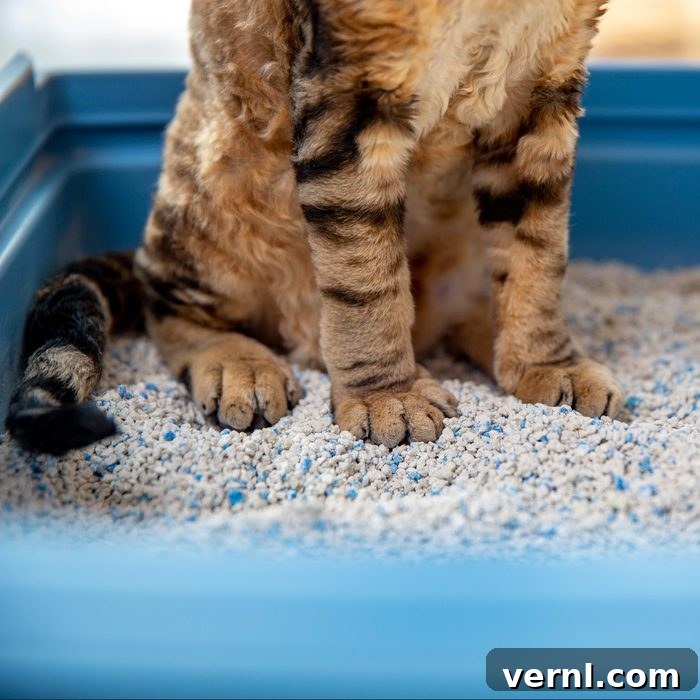
A pristine litter box is a non-negotiable requirement for encouraging proper elimination habits. “Scoop waste daily,” emphasizes McGowan. For many cats, even a single elimination can make a box feel “dirty.” Daily scooping ensures the litter remains fresh and provides ample space for your cat to dig, bury their waste, and feel satisfied with their efforts. In multi-cat households, scooping multiple times a day might be necessary.
Beyond daily scooping, regular deep cleaning of the litter box itself is crucial. “Wash the litter box monthly with water and mild detergent and refill with fresh litter,” McGowan advises. When performing this monthly deep clean, dump all the old litter, scrub the box thoroughly with an unscented, mild soap (like dish soap) and warm water, rinse it completely, and dry it before refilling with fresh litter. Avoid harsh chemicals or strong-smelling cleaners, as their lingering odors can be offensive to a cat’s sensitive nose. For plastic litter boxes, consider replacing them entirely every 6-12 months, as plastic can absorb odors and harbor bacteria over time, even with regular cleaning. “It’s all about keeping things tidy,” McGowan concludes, highlighting the simple truth that a clean environment is a key factor in your cat’s comfort and compliance.
Optimize Litter Box Location and Type
Take a critical look at your current litter box setup and determine if it might be undesirable from your cat’s perspective. “Undesirable can mean a few different things: too small, too hard to get to, or too close to their food — just to name a few,” says McGowan. Experimenting with different options can yield surprising results:
- Size and Design: Many cats prefer larger, uncovered litter boxes that give them ample space to move around, dig, and feel secure. While covered boxes offer privacy for humans, they can trap odors and make some cats feel claustrophobic or vulnerable. Consider switching to a larger, open-top bin, or even a storage tote with an entrance cut out, especially for larger breeds or cats who hang over the edge.
- Location is Key: Move the litter box to a better, more cat-friendly location. Cats prioritize privacy, quiet, and easy accessibility. Choose a spot with minimal foot traffic and noise. Avoid placing the litter box near loud appliances, heating vents, cat flaps leading outdoors (which can feel insecure), or next to their food and water bowls. Just imagine eating your dinner next to your toilet – cats feel the same!
- Consider Multiple Locations: If you have a multi-level home, place a litter box on each floor. If you have multiple cats, ensure their boxes are in separate areas to prevent resource guarding or intimidation. Savard offers a valuable example: “While the laundry room might seem like a good ‘non-public’ space to hide a litter box, your cat might not feel comfortable with the noise of a running washer and dryer.” It’s a classic conflict between human convenience and feline comfort. Some cats might be unbothered by such noises, while others will prize quiet over perceived privacy, making a calm, secluded corner a better choice.
- Litter Type: Most cats prefer unscented, clumping clay litter with a fine texture. If you’ve recently changed litter, revert to the previous type to see if that resolves the issue. If you’re unsure, try offering several boxes with different types of litter to see which your cat prefers.
Support Your Cat Through Stress and Adaptation
If stress or anxiety is the primary cause of your cat peeing outside the litter box, creating a more secure and predictable environment is crucial. The specific strategies will depend on the stressor:
- Multi-Cat Households: If you’ve recently got another pet, or if there’s increased tension between existing pets, “try getting some more litter boxes to help reduce their urge to mark territory,” McGowan suggests. Remember the ‘number of cats plus one’ rule, and critically, place these additional litter boxes in separate, private locations throughout the home to minimize competition and provide individual safe spaces. Ensure each cat has their own food and water bowls, sleeping areas, and access to vertical space (cat trees, shelves) to escape if needed. Consider using feline pheromone diffusers, which can help create a calming atmosphere.
- Environmental Changes: Moving to a new home, extensive redecorating, or even loud construction can be profoundly stressful for cats. “If you’ve recently moved, try making your cat’s world smaller and more predictable by keeping them in a space with their own litter box and toys for a few days,” McGowan advises. This could be a spare bedroom or a quiet, safe corner. Ensure this designated space is as calm and quiet as possible to encourage a sense of security and reinforce litter box use. Gradually expand their access to the rest of the house once they are comfortable.
- Routine and Enrichment: Cats thrive on routine. Maintain consistent feeding times, playtime, and litter box cleaning schedules. Provide plenty of mental and physical enrichment through interactive toys, scratching posts, and opportunities for hunting-like play. A bored or under-stimulated cat can become a stressed cat.
- Reassurance and Positive Reinforcement: Finally, consistent love, attention, and positive reinforcement go a long way in helping cats adapt to change. “Be sure to give your cat plenty of love and attention to help ease the transition,” McGowan says. Spend quality time playing, petting, and speaking to them in a calm, reassuring voice. Never punish your cat for accidents; this will only increase their anxiety and could worsen the problem. Instead, reward them with praise or treats when they successfully use the litter box. With patience and understanding, they will eventually get used to new situations and revert to proper litter box behavior.
How To Clean up Cat Pee: Essential Tips for Preventing Recurrence
Thoroughly cleaning cat pee is not just about removing the stain; it is absolutely critical to preventing future accidents. Cats have an incredibly keen sense of smell, far superior to humans. If they can still detect even a faint trace of their scent in an area, they are far more likely to return to that spot to eliminate again. “The more cats can smell their scent, the more likely it is that the incident will happen again,” explains McGowan. This is why standard household cleaners are often insufficient for truly eliminating cat urine odor and preventing repeat offenses.
The cleaning method you employ will depend on the type of soiled surface. Non-porous surfaces like bathroom tile or linoleum are generally easier to clean than absorbent materials such as a sofa, carpet, or bedding. For optimal results, an enzymatic cleaner is the gold standard for effectively removing cat pee smell and stains. These specialized cleaners contain enzymes that break down the uric acid crystals in cat urine, which are responsible for the lingering odor. Simply cleaning the surface without breaking down these crystals will leave a scent detectable by your cat, even if you can’t smell it.
When cleaning, always blot the affected area with paper towels or an old cloth to absorb as much urine as possible before applying the enzymatic cleaner. Follow the product instructions carefully, as most require a generous application and a specific dwell time to work effectively. Enzymatic cleaners are safe for use on most surfaces, including carpet, laundry, upholstery, and hard floors. Avoid using ammonia-based cleaners, as ammonia is a component of urine and can actually attract your cat back to the spot. Similarly, steam cleaners can inadvertently “set” the urine stain and odor into fibers, making it harder to remove.
After thorough cleaning, you might also consider using