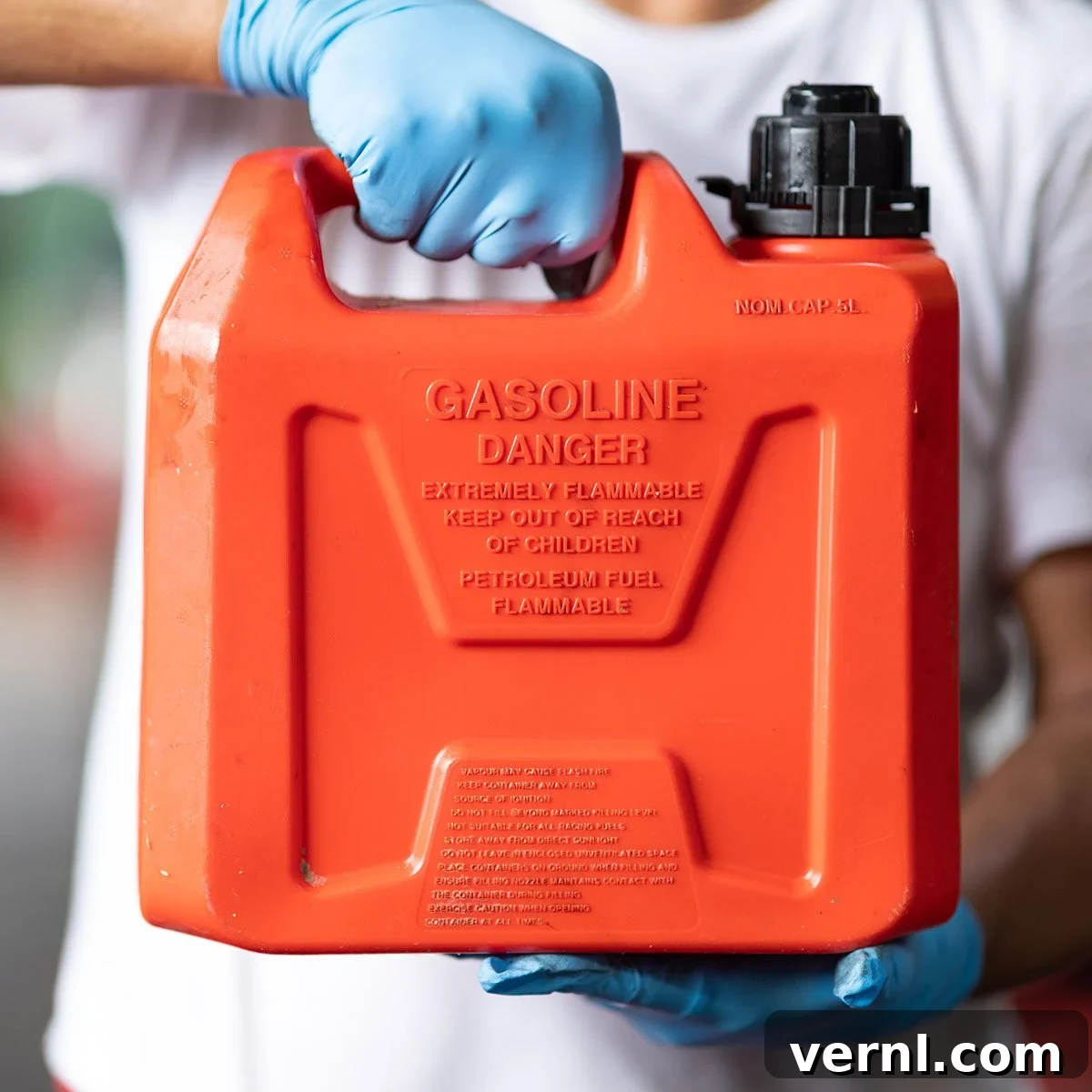
How to Dispose of Gasoline Safely and Legally
Disposing of gasoline might seem like a simple task, but it requires careful consideration. Improper disposal can have serious consequences, impacting the environment and posing significant safety risks. This guide provides comprehensive information on how to dispose of gasoline correctly, covering everything from understanding the dangers to finding local disposal options.
Even a small amount of stale gas can contaminate groundwater, create a fire hazard, and potentially lead to explosions. It’s crucial to handle gasoline with respect and follow the proper disposal procedures.
According to auto enthusiast Alex Black, “I’ve observed gas fumes activating a carbon monoxide detector… Bottom line: even a small quantity of stale gas can pollute groundwater or pose an explosion hazard. Don’t play with it. Handle it like a loaded gun.”
Why Proper Gas Disposal is Important
Gasoline is a hazardous substance. Its high flammability makes it particularly dangerous if not handled properly. Improper disposal can lead to several severe consequences, including:
- Environmental Contamination: Gasoline can permanently pollute groundwater and soil, affecting ecosystems and potentially harming human health.
- Fire Hazards: Improper storage or disposal can create fire risks, endangering both individuals and property.
- Legal Ramifications: Illegal disposal of gasoline can result in fines and other legal penalties.
Local Laws & Regulations on Gas Disposal
Gasoline is classified as hazardous waste in every U.S. state, and disposal regulations vary by location. Understanding and complying with local regulations is essential for safe and legal disposal.
As Alex Black points out, “Each county is a bit different, but they all are unanimous in this: no drains, no trash, no backyards.” Illegally disposing of gasoline can lead to substantial fines, even for accidental spills.
To Find Local Regulations:
- Visit your municipal waste management authority website.
- Check your local environmental protection agency website.
How To Dispose of Gasoline Safely
The safest way to dispose of gasoline is through approved hazardous waste programs. Contact your local government for information on drop-off locations, regulations, and any specific requirements.
Some fire stations may also accept gasoline for disposal.
According to Julie Bausch Lent, managing editor of Car Talk, “Under no circumstances should you dispose of gasoline down a stair or sewer system; you run the risk of this very flammable, dangerous substance getting into the groundwater or contaminating the ecosystem around you.”
Steps for Safe Transportation to a Disposal Site:
- Use an Approved Container: Transport gasoline in a red gas can or a container specifically designed for gasoline. Do not use milk jugs, bottles, or any container not approved for fuel storage.
- Clearly Label the Container: Mark the container with a clear warning: “USED GASOLINE – DO NOT USE.”
- Never Mix Gasoline with Other Fluids: Keep the gasoline separate and do not dilute it with other substances.
- Contact the Drop-Off Location: Call the disposal site ahead of time to confirm they are currently accepting gasoline and to inquire about any specific procedures.
- Proper Storage Before Disposal: While waiting to dispose of the gasoline, store it in a cool, well-ventilated area, away from heat and any potential ignition sources.
- Safe Transportation: Ensure the container is securely placed in your vehicle and the windows are open. According to Alex Black, “I’ve had trunks drenched from a leaky can, and it’s a nightmare to get the gas off, plus perilous.”
How To Find Where to Dispose of Gasoline Near Me
Finding a local hazardous waste disposal site is crucial for responsible gasoline disposal. Here are several ways to locate the nearest facility:
- Online Search: Conduct a Google search using your location and the keywords “hazardous waste disposal” or “gasoline disposal.”
- Local Recycling Centers: Contact recycling centers in your area to inquire about gasoline disposal options.
- Local Mechanics: Ask a trusted local mechanic for recommendations or information about disposal sites.
- Earth911.com: Visit Earth911.com, which provides a searchable database of drop-off locations by zip code.
FAQ – Frequently Asked Questions
Can you pour gasoline down the drain?
Absolutely not. Pouring gasoline down the drain is illegal, extremely dangerous, and can cause significant harm. Even small amounts of gasoline can severely damage water systems and endanger wildlife.
Auto mechanic Alan Gelfand explains, “The presence of gasoline in pipes leads to corrosion, contaminates water sources and produces explosive vapors that can build up inside plumbing systems. The violation of these regulations will lead to major penalties and health dangers.”
Alex Black adds that a single gallon of gasoline can contaminate a thousand gallons of water. “And those fumes? If they find a spark in a water heater or from a power tool, boom, it’s gonna burn.” He further notes, “I’ve interviewed fire marshals who’ve witnessed homes being destroyed by people dumping fuel in storm drains.”
What should I do if I spilled gasoline?
If you experience a gasoline spill, act quickly and safely:
- Eliminate Ignition Sources: Immediately remove any potential sources of ignition, such as lit cigarettes, open flames, and electrical sparks.
- Ventilate the Area: Open windows and doors to allow fresh air to circulate, especially if the spill occurred indoors.
- Secure the Area: Keep children and pets away from the spill area.
- Contain the Spill: Use absorbent materials like cat litter or a spill kit (available at hardware stores) to soak up the gasoline. Avoid using water, as this will spread the spill.
- Proper Disposal of Absorbed Material: Once the absorbent material is saturated, carefully place it in a sealable, non-reactive container for transport to a hazardous waste facility. Alan Gelfand emphasizes, “The disposal of gas-soaked materials in household trash and the use of water for gasoline spill cleaning are prohibited because they can ignite spontaneously.”
- Clean the Area: After removing the spill, clean the affected area with dish soap or detergent.
- Professional Cleaning (Large Spills): For large spills, consider hiring a professional cleaning service.
According to Alex Black, “On small spills on garage floors or concrete, spread kitty litter, baking soda or even dry coffee grounds onto it… Also, don’t wash and dry clothing like you normally would; it’s a fire hazard in the dryer. Instead, air it outside, then just toss it if it still doesn’t go away.”
About the Experts
- Julie Bausch Lent: Managing editor of Car Talk, the digital content iteration of the long-running NPR show about all things automotive.
- Alex Black: Chief marketing officer at EpicVIN. He has been a car expert for more than 15 years, working at car auctions, vehicle history providers and more.
- Alan Gelfand: The owner of German Car Depot for over 30 years. His business is an independent automotive service center in Hollywood, Florida, specializing in the service and repair of German vehicles.
Related Articles
- Do You Know What That Little Button on Your Seat Belt Is For?
- What Those Lines on Your Backup Camera Really Tell You
- Here’s What The Small Panel On Your Car’s Front Bumper Is For