Apartment Winterization Guide: Preparing Your Rented Home for Winter
Welcome to our comprehensive guide to apartment winterization! This resource provides expert advice on how to get your apartment ready for the cold season, helping you avoid frozen pipes and high heating costs. Discover practical, renter-friendly strategies to keep your living space warm and your energy bills low.
If you’re among the millions of renters in the country, winterizing your apartment before the cold weather sets in is a smart move. Fortunately, many of these essential tasks are beginner-friendly, require no special tools, and utilize inexpensive materials. This guide offers practical solutions to enhance your comfort and reduce your energy consumption.
With insights from Licensed Energy Auditor JaNeal White of Koala Insulation, Emergency Management Officer Caleb King of Limestone County Emergency Management Agency, and Ashley Luke, Senior Product Manager of Home Solutions at Duck® Brand, you’ll discover the best ways to prepare your apartment for the winter months.
Why Winterize Your Apartment? The Benefits Explained
Winterizing your apartment offers significant advantages, including increased comfort and improved energy efficiency. This is especially important if you’re responsible for paying your own heating bills.
“According to a Duck® Brand consumer survey, 80% of people say they have noticed a decrease in their heating bills by using weatherizing solutions,” says Ashley Luke.
Effective Methods to Winterize Your Apartment
Windows and doors are often the primary sources of energy loss in an apartment. Focusing on these areas first will yield significant results. Here’s how to tackle them and other critical areas.
1. Install Window Insulation Kits
Window insulation kits are an affordable and effective way to reduce drafts and insulate your windows. These kits typically use clear plastic sheets to create an air pocket, acting as an extra layer of insulation. You’ll need scissors, a hairdryer, and about 15 minutes per window.
“These kits are easy to install and remove, which makes them the perfect solution for renters and beginner DIYers who are looking to cut down on energy costs during the colder months,” advises Ashley Luke. She recommends applying the double-sided tape to clean, dry, and dust-free window frames for optimal results.
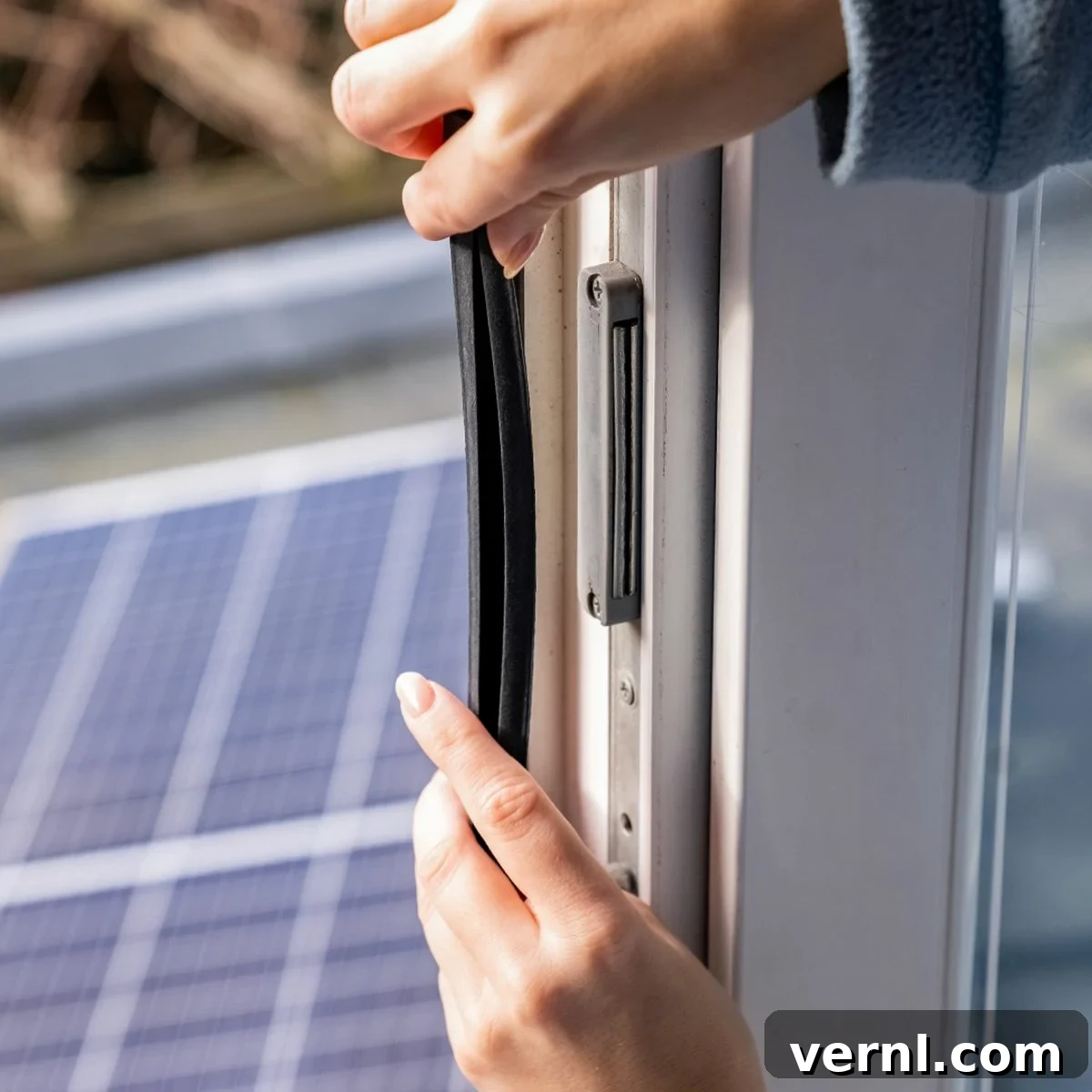
2. Add Weatherstripping to Doors and Windows
Preventing heat loss around doors and windows is crucial for maintaining a comfortable temperature in your apartment. Check that each door has weatherstripping and a sweep at the bottom to seal gaps. If air leaks are present, apply tape-backed weatherstripping or add a sweep. Remember to choose renter-friendly options that don’t require permanent modifications.
A simple yet effective solution for renters, according to JaNeal White, is using door corner pads. “Door corner pads are small pads that you put in the top and bottom corners of the door frame. They’re less than three dollars and I highly recommend these during my energy audit visits.”
3. Use Area Rugs and Draft Stoppers
Area rugs provide an extra layer of insulation for your floors, making them feel warmer underfoot. Draft stoppers, placed at the base of exterior doors, help to block cold air from entering. You can easily purchase draft stoppers or create your own using materials like fabric and sand.
4. Hang Thermal Curtains
Thermal curtains are an easy and effective way to insulate your windows and regulate indoor temperatures year-round. They work by creating a barrier that prevents heat from escaping in winter and entering in summer.
“Thermal curtains work wonders,” says JaNeal White. “I use them in my own home.” She has seen significant temperature drops using them during the summer, and they are equally effective at keeping cold temperatures at bay.
5. Install Foam Outlet Covers
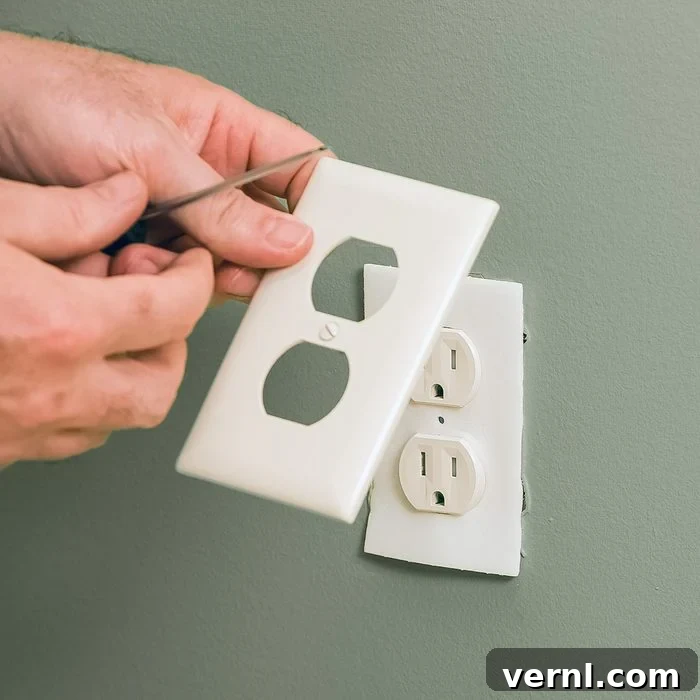
Foam gaskets installed behind outlet faceplates can significantly reduce drafts from electrical outlets. These are inexpensive and easy to install. Simply unscrew the outlet plate, insert the foam gasket, and reattach the plate. This simple step can make a noticeable difference in your apartment’s comfort.
6. Clear Area Around Heating Equipment
Maintain at least a 36-inch clearance around furnaces and boilers. This ensures safe and efficient operation of your heating system. Make sure nothing is blocking vents or air intake areas.
7. Cover Window Air Conditioning Units
If you have permanent window air conditioning units, cover them for the winter using a dedicated cover or outdoor blanket. “Covers fit over the unit like a pouch and come complete with a securing strap for an extra seal,” says Ashley Luke.
8. Reverse Ceiling Fans
Most ceiling fans have a blade reversal switch on the motor housing. In the winter, reverse the blade direction to push warm air down into the living space, improving overall comfort and potentially reducing your heating needs.
What to Ask Your Landlord: Collaboration for a Warmer Apartment
While some winterizing upgrades are your responsibility, certain improvements are within your landlord’s purview. Being proactive and communicating with your landlord can lead to a warmer and more energy-efficient apartment.
1. Change Furnace Air Filters
Dirty air filters can reduce furnace efficiency and increase your heating costs. Ask your landlord to replace the filters regularly, or offer to do it yourself if they provide reimbursement. This is a simple, effective step to improve your heating system’s performance.
2. Add or Improve Insulation
While renters typically cannot install insulation themselves, landlords are responsible for maintaining habitable living conditions, including adequate insulation.
“An adequate amount of insulation goes a long way,” says JaNeal White, “but this will depend on the owner, as it’s the owner’s expense and responsibility.”
If you experience excessively cold indoor conditions, consider requesting insulation improvements from your landlord.
3. Insulate Water Pipes
Insulating hot water pipes can reduce heat loss, allowing your hot water tank to work more efficiently and potentially lower your utility costs.
“We tell people to insulate these pipes well using foam sleeves wrapped with HVAC aluminum tape on top of it,” says Caleb King.
While not always a requirement, some landlords will insulate water pipes when asked. You could offer to install the foam sleeves yourself, as this is a simple process.
About the Experts
- JaNeal White is Operations Manager for Koala Insulation of North Texas. She is a Licensed Energy Auditor with over 13 years of experience.
- Caleb King is the Emergency Management Officer and Public Information Specialist for Limestone County Emergency Management Agency in Athens, Alabama.
- Ashley Luke is Senior Product Manager of Home Solutions at Duck® Brand, a major manufacturer of many winterizing products.