Eco-Friendly Heating Systems: A Guide to Sustainable Home Heating
As homeowners increasingly focus on reducing their carbon footprint, the way we heat our homes is undergoing a significant transformation. Once, finding a gas-burning furnace was a welcome relief for renters, promising lower fuel bills compared to electric baseboards. However, the landscape has shifted. Today, the pursuit of energy efficiency and environmental responsibility points towards electric heating as the future. This guide explores the most effective and eco-conscious heating solutions for your home.
The shift towards electric heating is driven by advancements in technology and the growing need to decrease greenhouse gas emissions. According to Panama Bartholomy, Executive Director of the Building Decarbonization Coalition, the eco-friendly choice for home heating is an electric heat pump system. Fortunately, various types of these systems are available to suit different home configurations.
Whether you have a ducted system or not, there’s a heat pump option for you. Standard heat pumps or ducted mini-splits are suitable for homes with existing ductwork. If you’re replacing wall heaters or baseboard heaters in a home without ducts, ductless mini-split systems are a great choice. Even window-based heat pumps are available, providing convenient and efficient heating.
Electric heating systems are becoming the gold standard due to their efficiency and their potential to be powered by renewable energy sources. As these systems reach the end of their lifespan, the energy grid is increasingly transitioning to carbon-free sources, making electric heating an even more sustainable option.
Furthermore, non-fuel-burning devices contribute to improved indoor air quality and often offer significant energy savings, being up to five times more efficient than traditional furnaces. The Inflation Reduction Act (IRA) provides tax credits and rebates, helping to offset the costs of these eco-friendly heating solutions.
Air-Source Heat Pumps
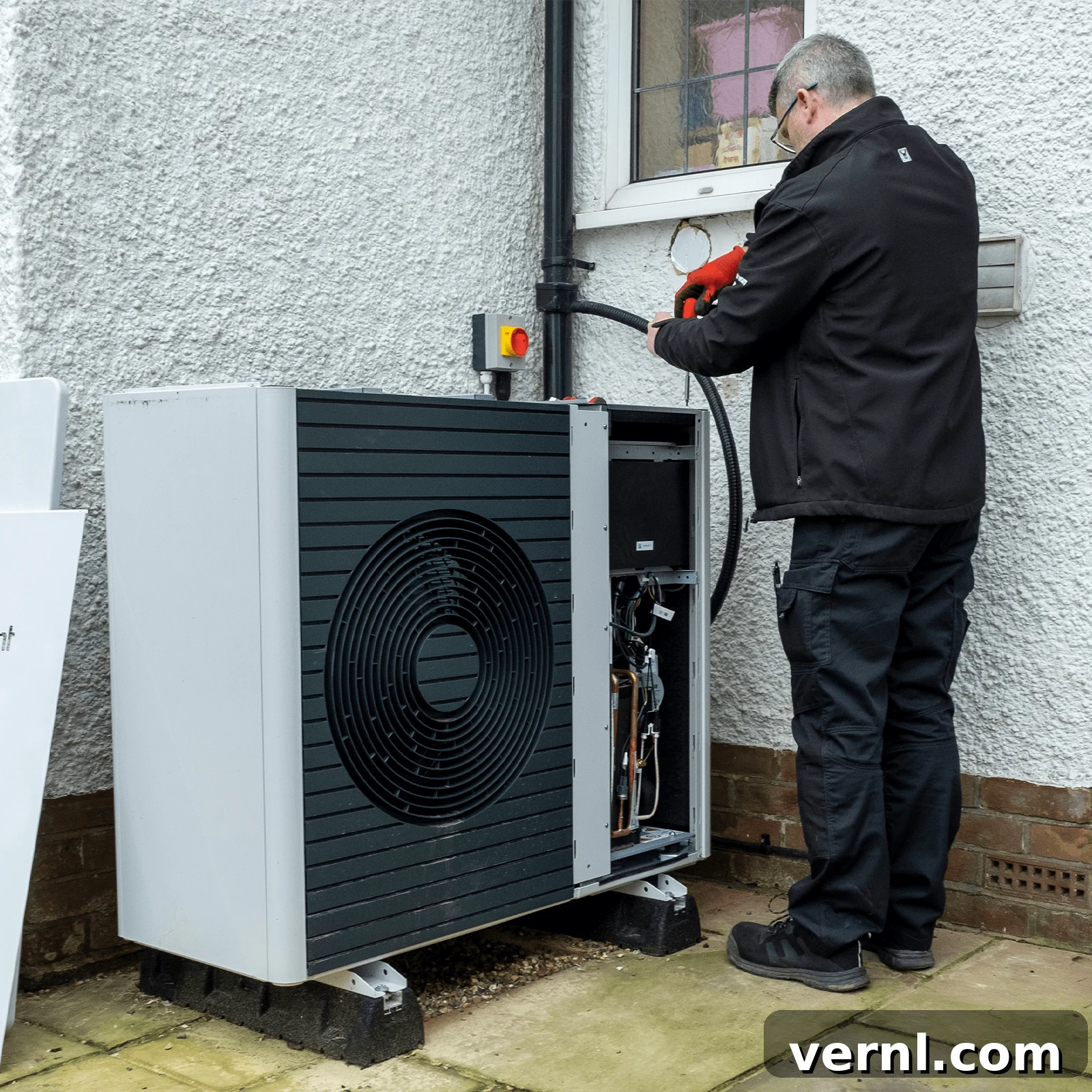
Air-source heat pumps function similarly to air conditioners, but they can run in reverse, drawing heat from the outside air to warm your home. These systems come in several forms, including:
- Packaged units, such as window and portable stand-alone units.
- Ductless and ducted mini-splits.
- Ducted central heat pumps.
Window units and mini-splits are ideal for DIY installation and are typically more affordable, costing under $1,000. Full HVAC systems may cost between $3,000 and $18,000. The total cost depends on factors such as: the need for electrical and ductwork upgrades, home size, heating capacity requirements, your location’s climate, and what you’re replacing. These systems typically last around 14 years.
When considering an air-source heat pump, keep the following in mind:
- Opt for systems with a Heating Seasonal Performance Factor (HSPF) of 10.5, a Seasonal Energy Efficiency Ratio (SEER) of 20 or higher, and a Coefficient of Performance (COP) of 3 or better.
- If you live in a cold climate, ensure the installer is familiar with the NEEP cold-climate air source heat pump list. Choose a system that performs well at temperatures as low as minus-5 degrees or lower.
- Instead of buying a standalone air conditioner, purchase a heat pump version. This provides both cooling and heating, offering a more efficient and cost-effective solution, which helps facilitate a quicker transition away from fossil fuels.
- Take advantage of the IRA, which offers a $2,000 tax credit for heat pumps and additional incentives for electrical upgrades. Low-to-moderate income households can also benefit from rebates available through state energy offices.
Ground-Source (Geothermal) Heat Pumps
Geothermal heat pumps utilize the earth’s consistent temperature as an exchange medium, making them highly efficient for heating and cooling. These systems offer significant cost savings, potentially reducing costs by 25% to 50% compared to traditional fossil fuel systems. However, they require land for the buried pipes.
The cost of ground-source heat pumps ranges from $3,000 to $30,000, depending on factors such as climate, soil conditions, available land, local installation costs, home size, and heating/cooling needs. These systems are also known for their durability. The interior components last around 24 years, with the ground loop lasting more than 50 years.
The IRA provides a 30 percent credit for geothermal heat pump projects, along with potentially more incentives from state energy offices.
Radiant Heating Systems
While not as efficient as heat pumps and lacking cooling capabilities, in-floor radiant heating systems can still provide energy savings and environmental benefits, particularly if your water is heated with electricity. Radiant floors avoid forced air circulation and the use of ducts, potentially helping to eliminate allergens and dust.
According to Sara Baldwin, radiant floors are ideal for home additions where extending the existing heating system is difficult or costly or when you are redoing your floors. Radiant heating can also eliminate allergens and dust because it avoids forced-air circulation.
Radiant floor heating costs vary, ranging from $8 to $20 per square foot. These systems work well with distributed solar power and energy storage, which are also eligible for IRA incentives.
Other Eco-Heating Advice
If you’re hiring a contractor, obtain multiple bids to ensure you find the best value and expertise. Make sure contractors can properly size a heat pump by performing a manual J load calculation. This calculation takes into account factors such as your home’s size, climate zone, and insulation and window quality.
Investing in air sealing, insulation, programmable thermostats, and maintaining your equipment can further enhance comfort and reduce energy consumption. Weatherization is crucial for achieving an eco-friendly home. You can also minimize waste by choosing sustainable furniture.
By making informed choices and taking advantage of available incentives, you can create a comfortable, energy-efficient, and environmentally friendly home heating system.