Understanding Your Home’s Crawlspace: Essential Insights for Homeowners
Often unseen and frequently overlooked, the crawlspace is a crucial element in a home’s foundation system. It represents the narrow, unfinished area nestled between the ground and the first floor of a house. Typically characterized by a dirt floor, its dimensions can vary significantly. In some instances, it might be as compact as 2 feet by 2 feet, offering just enough room for a person to literally “crawl” through – a characteristic that gives this architectural feature its distinctive name. Approximately 15 percent of homes in the United States incorporate a crawlspace, serving not only as a structural component but also as a vital access point for critical home systems, including electrical wiring, plumbing lines, and ventilation ductwork. Understanding the function, benefits, potential problems, and maintenance requirements of this space is fundamental for every homeowner dedicated to preserving their property’s health and value.
The Fundamental Purpose and Benefits of a Crawlspace
Beyond its utilitarian role as an access tunnel, a crawlspace offers several significant advantages to a residential structure. Primarily, it provides robust support for the entire living area above, distributing the weight of the home evenly across the foundation. Furthermore, it acts as an invaluable buffer, creating a protective barrier between the house’s interior and the ground below. This separation helps to mitigate the direct transfer of ground moisture and temperature fluctuations into the home.
Traditionally, crawlspaces are vented, either to the outside environment or to an adjoining basement. This ventilation system is designed to facilitate air circulation beneath the house, as explained by Scott Fisher, a seasoned contractor and owner of Ciel Power, LLC. The rationale behind venting is to prevent the buildup of moisture and to allow for air exchange.
“When a crawlspace is intentionally vented to an adjoining basement, it can produce a desirable effect on the living areas situated directly above, particularly during the colder winter months,” Fisher notes. He further elaborates, “The warm air generated by the home’s heating system can effectively assist in warming both the crawlspace itself and, subsequently, the floors and rooms above, contributing to enhanced thermal comfort throughout the house.” This strategic ventilation can be a key factor in maintaining a more stable and comfortable indoor climate.
Structural Integrity and Foundation Protection
A crawlspace elevates the entire home off the ground, preventing direct contact between the wooden structural elements and soil. This elevation is critical for protecting the house from ground moisture, which can lead to wood rot, pest infestations, and foundation degradation over time. By creating this physical separation, the crawlspace helps to extend the lifespan of the home’s framing and foundation components, ensuring long-term structural integrity.
Accessibility for Utilities and Repairs
One of the most practical benefits of a crawlspace is the unparalleled ease of access it provides to a home’s essential utility systems. Instead of having to cut into walls or floors, plumbers, electricians, and HVAC technicians can readily reach and service piping, ductwork, and electrical wiring. This unrestricted space simplifies maintenance, inspections, and repairs, often making these tasks less invasive, less time-consuming, and potentially less costly compared to homes built on a slab foundation where utilities are embedded directly in concrete. A sufficiently large crawlspace can even accommodate the installation of an HVAC unit, further centralizing home systems and improving serviceability.
Strategic Utilization of Your Crawlspace
Beyond its primary function as a utility access point, a well-managed crawlspace can offer additional utility for homeowners. Many individuals consider using this space for storage, though it is imperative to first evaluate the environmental conditions within the crawlspace, particularly concerning moisture levels. An unfinished, unconditioned crawlspace, for instance, is generally suitable for storing items that are impervious to humidity and temperature fluctuations. This might include construction materials such as bricks, ceramic tiles, spare piping, or other building supplies that would not be damaged by a damp or fluctuating environment. Effective ventilation remains a paramount factor in optimizing any crawlspace for storage purposes.
However, the potential for storing more sensitive household items significantly increases with proper crawlspace improvements. As Fisher emphasizes, “A properly encapsulated crawlspace, meticulously sealed with a robust vapor barrier, can transform this area into a much more favorable environment for storing a broader range of household items. Crucially, such improvements can also markedly enhance the overall comfort and indoor air quality of the living spaces located directly above these areas, creating a healthier home environment.” This highlights the transformative potential of an improved crawlspace.
Optimizing Storage with Encapsulation
With a fully encapsulated and conditioned crawlspace, homeowners can safely store items that would otherwise be at risk. This includes seasonal decorations, sports equipment, gardening tools, and even some types of documents or textiles, provided they are stored in sealed containers. The stable temperature and humidity levels created by encapsulation protect belongings from mold, mildew, pests, and deterioration, effectively expanding the usable storage footprint of your home without the need for an expensive basement excavation.
Critical Considerations: What Not to Do with Your Crawlspace
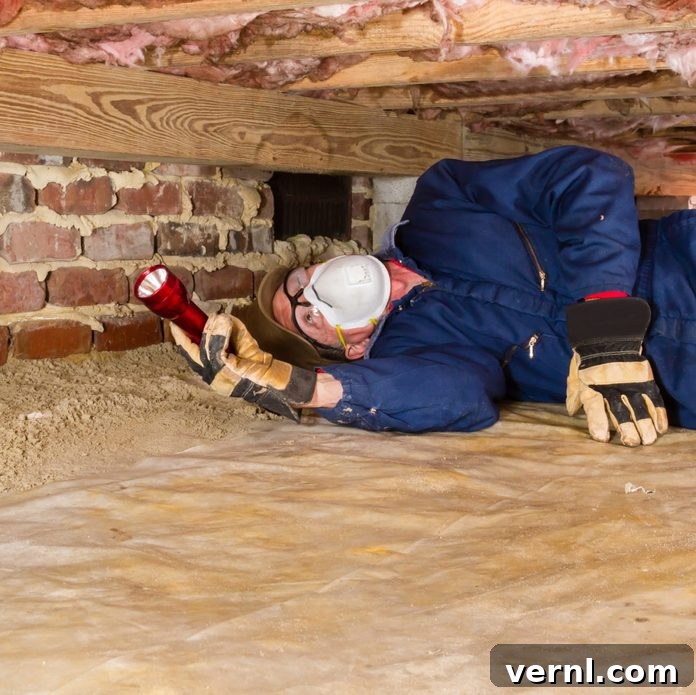
Despite its various uses, it’s crucial to understand the limitations and potential hazards associated with crawlspaces. Due to their confined dimensions, often low air quality, and inherent nature as a buffer zone, crawlspaces are unequivocally unsuitable for human occupancy. They should never be utilized as a living space, a recreational area for children, or even a casual workspace. The environment within a typical crawlspace is not designed for prolonged human exposure and can pose health risks.
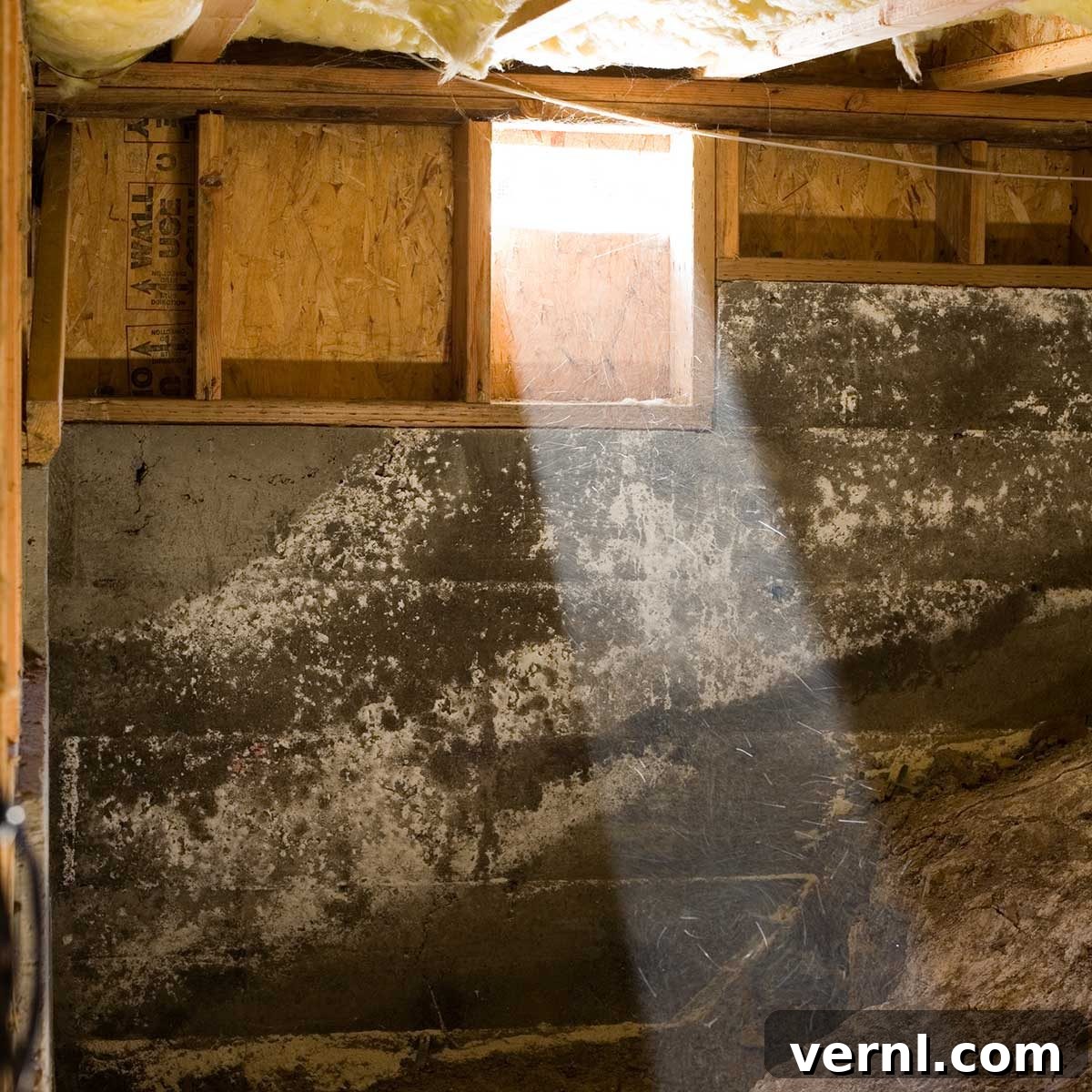
Furthermore, careful consideration must be given to what items are stored within a crawlspace. Unless your home is situated in an exceptionally dry climate, moisture is an almost inevitable concern, particularly in unfinished crawlspaces. The pervasive humidity can inflict significant damage on a wide array of household items, including clothing, books, packaged foods, wooden furniture, and electronics, leading to warping, staining, or degradation. More critically, persistent moisture creates an ideal breeding ground for mold and mildew growth, which not only damages property but also releases spores that can severely impair indoor air quality and trigger respiratory issues for occupants. Beyond moisture, the natural accessibility of crawlspaces means pests—ranging from insects like termites and cockroaches to rodents like mice and rats—can more easily find their way in, seeking shelter, food, or nesting sites, and potentially causing further damage or health hazards.
Risks to Health and Home
The “stack effect” is a phenomenon where warm air rises and escapes through the upper levels of a home, creating a vacuum that pulls in cooler air from below. This means that air from your crawlspace, carrying mold spores, dust mites, pest allergens, and various odors, can be drawn directly into your living areas. This direct link between crawlspace air quality and indoor air quality underscores why neglecting this space can have serious health implications for your family. Poor air quality can exacerbate allergies, asthma, and other respiratory conditions, making a healthy crawlspace a fundamental component of a healthy home.
Essential Crawlspace Maintenance and Repair
Proactive maintenance of your home’s crawlspace is paramount to safeguarding both the structural integrity of your property and the health of its occupants. The primary focus of crawlspace maintenance revolves around effectively managing moisture levels. A consistently damp crawlspace can precipitate a cascade of health and safety problems for your home, as highlighted by Rick Hoskins, founder of Filter King.
“Remarkably, about 50 percent of the air we breathe within our home originates from the crawlspace,” Hoskins explains. “This significant contribution means that the air quality in your crawlspace directly influences the overall air quality in your living spaces. Consequently, the air quality inside your home is a critical determinant of the health and well-being of those residing within it, and poor crawlspace air quality can either trigger existing health issues or even cause new ones to develop over time.”
Key Maintenance Practices:
- Regular Inspections: Periodically inspect your crawlspace for signs of moisture, such as condensation, damp spots, or standing water. Also, check for mold growth, pest activity (droppings, nests, chewed materials), and any visible damage to insulation, wiring, or plumbing. Early detection is key to preventing major issues.
- Foundation Integrity: Diligently monitor and promptly repair any foundation cracks on the walls of the crawlspace. These fissures serve as direct entry points for water infiltration, allowing ground moisture to seep into the space.
- Plumbing and Condensation: Address any leaking pipes or excessive condensation on pipes and ductwork immediately. Even minor leaks can introduce substantial moisture over time. Consider insulating cold water pipes to reduce condensation.
- Exterior Drainage: Ensure that external factors are not contributing to crawlspace dampness. This includes verifying that downspouts are properly extended to discharge rainwater far away from the foundation and that the surrounding soil is correctly graded to slope away from the house, preventing water from pooling near the foundation.
- Standing Water Solutions: “Standing water is an especially troubling issue in a crawlspace, signifying a significant moisture problem,” Fisher states. He advises, “Common and effective solutions to address standing water include installing gutter extensions to divert roof runoff, regrading the surrounding soil to ensure proper drainage away from the foundation, or, for more persistent issues, the installation of a comprehensive foundation drainage system around the perimeter of the home to collect and redirect water.” In severe cases, a sump pump might be necessary within the crawlspace itself.
Transformative Crawlspace Improvements: Encapsulation and Insulation
For homeowners seeking to mitigate persistent crawlspace problems and enhance their home’s overall performance, implementing strategic improvements can be a game-changer. Among the most effective treatments is crawlspace encapsulation, a comprehensive solution designed to address a multitude of common issues.
Crawlspace Encapsulation: The Ultimate Solution
A crawlspace encapsulation involves the meticulous installation of a heavy-duty vapor barrier that covers the entire dirt floor and extends up the foundation walls of the crawlspace. “This robust vapor barrier serves as an impenetrable shield, effectively blocking moisture contained in the soil or concrete from evaporating into the crawlspace air,” Fisher explains. By sealing off the space from ground moisture, encapsulation drastically reduces humidity levels. This process typically also involves sealing all existing vents to the outside, installing a commercial-grade dehumidifier to control residual airborne moisture, and sometimes adding insulation to the foundation walls rather than the subfloor. The benefits of encapsulation are extensive:
- Improved Indoor Air Quality: Prevents the “stack effect” from drawing damp, moldy air into living spaces, leading to a healthier home environment.
- Enhanced Energy Efficiency: A conditioned crawlspace reduces the load on your HVAC system, leading to lower heating and cooling costs.
- Moisture and Mold Prevention: Eliminates the primary conditions necessary for mold and mildew growth, protecting your home and belongings.
- Pest Deterrence: A sealed and dry crawlspace is far less attractive to pests like rodents, insects, and termites.
- Increased Comfort: Reduces cold floors in winter and humidity in summer, making your home more comfortable year-round.
- Structural Protection: Safeguards wood framing from moisture damage, extending the life of your home’s structure.
Optimizing Thermal Performance with Insulation
In conjunction with or as a standalone improvement, adding proper insulation to your crawlspace is crucial for protecting against extreme temperature fluctuations and improving energy efficiency. Traditional fiberglass batt insulation can be installed between floor joists (with a vapor barrier on the warm-in-winter side), but it’s prone to moisture damage and falling if not properly supported. More effective and durable solutions for crawlspace insulation include:
- Rigid Foam Board Insulation: Applied to the foundation walls and rim joists in an encapsulated crawlspace, it provides a continuous thermal barrier and is moisture-resistant.
- Spray Foam Insulation: Offers excellent R-value and an airtight seal when applied to rim joists and foundation walls, significantly reducing air leakage and moisture entry.
- Encapsulation with Wall Insulation: In a truly conditioned crawlspace, insulation is moved from the subfloor to the perimeter walls, effectively bringing the crawlspace into the home’s thermal envelope.
Proper insulation helps keep the floors above warmer in winter and cooler in summer, reducing the energy demands of your heating and cooling systems and contributing to substantial long-term savings on utility bills.
By understanding the critical role of your crawlspace and committing to its proper maintenance and strategic improvements, you are not just caring for an isolated part of your home; you are investing in the comfort, health, and longevity of your entire living environment. A healthy crawlspace is a foundation for a healthy home.
If you enjoyed this content and found it informative, sign up for our new homeowner newsletter. We’ll guide you through the exciting journey of what to do before you purchase your dream house, as well as provide expert tips and inspiring projects to help you transform that new house into a true home.