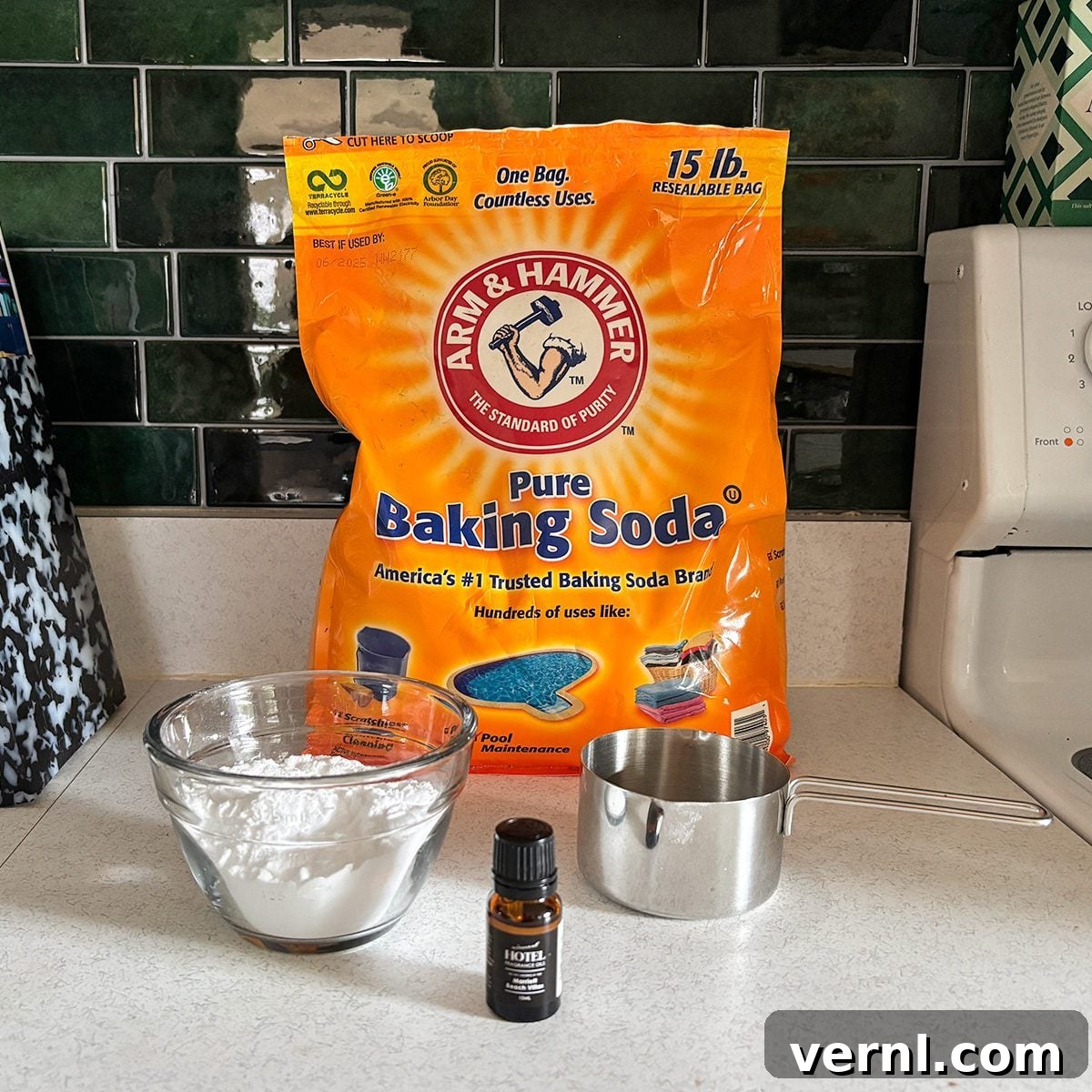
We all cherish the charm of an older home, the stories whispered by its walls, and the cozy comfort it offers. However, living with well-loved carpets, especially in high-traffic areas or humid climates like Florida, often means battling odors that can detract from that charm. Between our furry friends, daily foot traffic, and the persistent humidity, our floors have definitely seen better days. While replacing the carpet remains a long-term goal on our home improvement list, maintaining a fresh and inviting atmosphere for guests and daily living is a constant priority. This is where my secret weapon comes in: a remarkably simple, two-ingredient carpet deodorizer that transforms the entire home, making it smell like a luxurious boutique hotel in mere minutes, without the hefty price tag of constant professional cleanings or elaborate scent diffusers.
The quest for a perpetually fresh home often leads us down paths of expensive air fresheners, continuous candle burning, or even considering costly professional services. Yet, the most effective solutions are often the simplest. This DIY carpet deodorizer is not just a quick fix; it’s a game-changer for anyone looking to elevate their home’s ambiance effortlessly. It’s about creating an inviting sensory experience, a subtle yet impactful detail that enhances comfort and leaves a lasting impression. Imagine stepping into a home where the air is crisp, clean, and subtly fragranced, reminiscent of a five-star retreat. This easy-to-make concoction brings that dream within reach for every homeowner, proving that sometimes, the most sophisticated results come from the most basic ingredients.
[SINGLE_AFFILIATE_PRODUCT superlative=”Editor’s Pick” product_name=”Hotel Collection Diffuser Oil Samper Set” short_description=”These signature scents mimic a high-end hotel lobby.” image=”703663″ image_credit=”VIA MERCHANT” pr_name=”Amazon” pr_url=”https://www.amazon.com/dp/B0D6D2B686″ pr_display_text=”Shop on Amazon” /]
How to Make an Instant 2-Ingredient Carpet Deodorizer for a Fresh Home
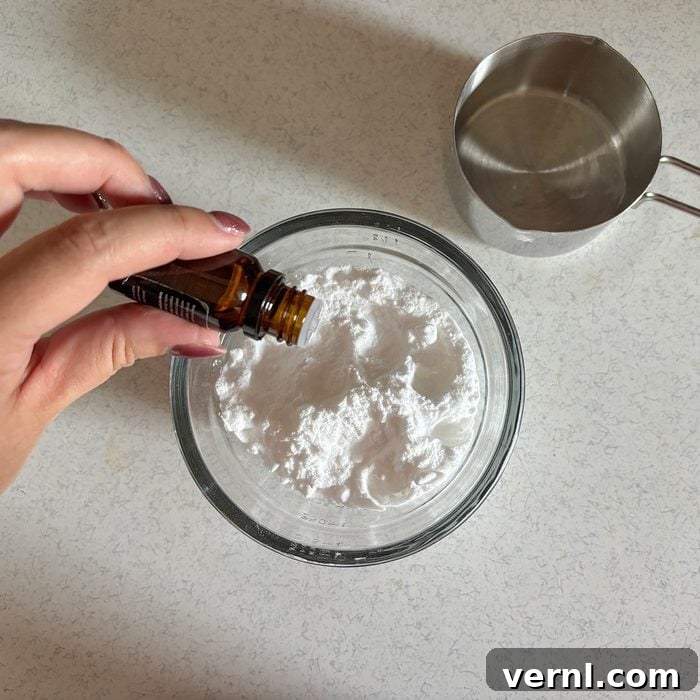
While this DIY carpet deodorizer is not a substitute for a comprehensive deep clean or the eventual necessity of new flooring, it stands out as my absolute favorite immediate solution. It’s perfect for those moments before hosting guests, when you desire a rapid refresh, or simply when you want your living space to feel exceptionally cleaner and more inviting. The beauty of this method lies in its remarkable simplicity and cost-effectiveness. It effortlessly infuses our home with a signature scent, creating an atmosphere of warmth and sophistication, all without the need for expensive, store-bought candles or elaborate diffusers that often mask odors rather than neutralize them. With just two common ingredients, you gain complete control over the aroma and potency, tailoring it perfectly to your preference and creating a truly personalized home environment.
Materials You’ll Need:
- 1 cup baking soda: This humble pantry staple is the powerhouse of our deodorizer. Opt for any brand of pure baking soda (sodium bicarbonate). Its fine granular structure and natural deodorizing properties make it ideal for absorbing and neutralizing odors embedded in carpet fibers.
- 10–20 drops of essential or fragrance oils of your choice: This is where you personalize your home’s aroma. The quantity can be adjusted based on the strength of the oil and your desired intensity. My personal preference is a blend like No. 1111 from Airscent, which evokes the luxurious, serene ambiance of a beach villa. When choosing oils, consider the mood you wish to create:
- For a refreshing, clean scent: Lemon, grapefruit, peppermint, eucalyptus.
- For a calming, relaxing atmosphere: Lavender, chamomile, bergamot, sandalwood.
- For a warm, inviting feel: Vanilla, cinnamon, clove, frankincense.
- For an invigorating boost: Orange, rosemary, tea tree.
You can also combine different oils to create unique, complex fragrances that truly reflect your personal style. Ensure that any essential oils you use are safe for homes with pets or small children, or opt for specific fragrance oils designed for home use if concerned.
Step-by-Step Instructions for a Fresher Carpet:
- Measure and Dispense: Begin by carefully measuring one cup of baking soda into a small, clean mixing bowl. Accuracy here isn’t critical, but consistency ensures an even spread.
- Add Your Scent: Next, add 10 to 20 drops of your chosen essential or fragrance oils to the baking soda. It’s always wise to start with a smaller amount, perhaps 10 drops, especially if you’re using a potent oil or are unsure of its strength. You can always add a few more drops later if you desire a stronger scent. This allows for customization and prevents the fragrance from becoming overwhelming.
- Mix Thoroughly: Using a fork or a small whisk, mix the baking soda and essential oils together until thoroughly combined. This step is crucial for breaking up any clumps of baking soda and ensuring that the essential oils are evenly distributed throughout the powder. A well-mixed deodorizer will provide a consistent fragrance and even absorption of odors across your carpet.
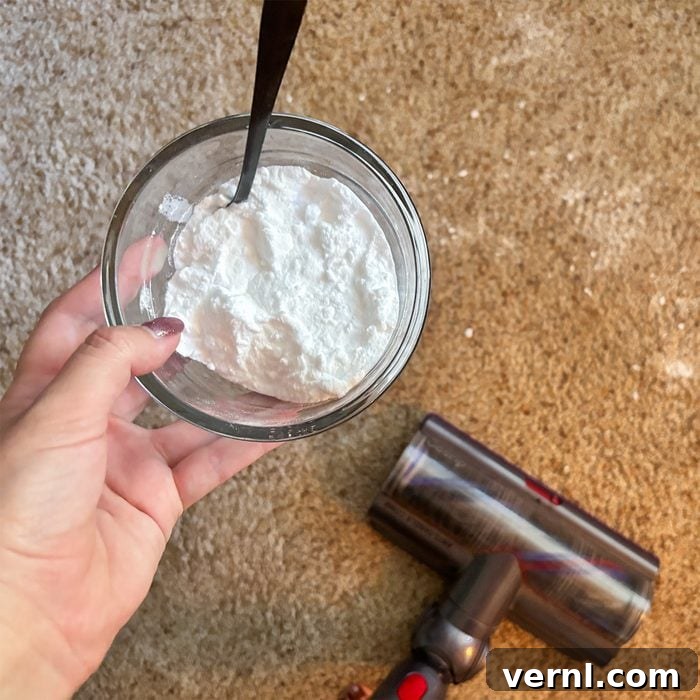
- Evenly Sprinkle: Once mixed, generously sprinkle the scented baking soda evenly over your carpeted areas. Pay particular attention to high-traffic zones, areas where pets frequently rest, and any spots prone to lingering odors. For a truly even application, consider using a fine-mesh sieve or a shaker bottle to disperse the powder, preventing large clumps from forming. Ensure the carpet fibers are lightly coated but not completely saturated.
- Allow to Sit: Let the baking soda mixture sit on the carpet for a minimum of 15 minutes. For a more profound deodorizing and scenting effect, especially on stubborn odors, allow it to remain for up to 1 to 2 hours. While some recommendations suggest leaving it overnight, I’ve found that this is often overkill, and prolonged exposure doesn’t necessarily yield significantly better results for typical household odors. The key is to give the baking soda enough time to interact with the odor molecules.
- Vacuum Thoroughly: After the designated waiting period, vacuum up the baking soda mixture meticulously. I personally rely on a Dyson V15 vacuum, which excels at picking up even the finest particles, leaving no residue behind. However, any reliable vacuum cleaner with strong suction will work perfectly. Ensure you make slow, overlapping passes over all treated areas to guarantee complete removal of the powder. For best results, consider vacuuming in multiple directions to lift embedded particles. Remember to regularly clean your vacuum’s filter and empty its canister to maintain optimal performance and prevent redistributed odors.
Why This Simple Solution Works Wonders
The magic behind this straightforward carpet deodorizer lies in the remarkable properties of baking soda, scientifically known as sodium bicarbonate. Unlike many commercial air fresheners that merely mask unpleasant smells with stronger, often artificial, fragrances, baking soda actively works to absorb and neutralize odors. It acts as a powerful temporary fix, excelling at freshening up carpets between more thorough deep cleans.
At its core, baking soda works by neutralizing odor molecules. Many common household odors, such as those from pet urine, human sweat, body oils, and even certain types of mold, are acidic. Baking soda, being an alkaline substance, reacts with these acidic odor molecules, chemically altering them and rendering them inert. This neutralization process is what eliminates the smell rather than just covering it up, making it an ideal solution for homes with pets, young children, or anyone dealing with high-traffic carpeted areas that tend to trap odors.
According to cleaning expert Allen P. Rathey, “Baking soda (alkaline) is attracted to human sweat, pet urine, and body oils (acidic)—which cause bacterial odor in carpet—and can neutralize them for a time.” This explains its effectiveness in tackling some of the most persistent household odors. Furthermore, Rathey adds that “odors may come from mold (also acidic) in carpeting, and baking soda is a chemical ‘match’ that may also help neutralize the odor.” While this mixture isn’t designed to remove the source of a deep-seated problem like extensive mold or saturated pet stains, it provides significant relief by breaking down the odor-causing compounds on a molecular level, offering immediate freshness and improved air quality.
By absorbing moisture and odors, baking soda doesn’t just make your carpets smell better; it also helps to create a less hospitable environment for odor-causing bacteria and fungi. It’s a testament to the power of simple, natural ingredients in maintaining a clean and pleasant home environment, providing an accessible and eco-friendly alternative to chemical-laden products. Regular use of this DIY deodorizer can significantly extend the period between professional cleanings and keep your home consistently smelling fresh and inviting.
Beyond the Basics: Maximizing Effectiveness and Safety
To truly get the most out of your homemade carpet deodorizer and ensure safety for all members of your household, a few additional tips are worth noting.
Safety First: Pets and Children
While baking soda is generally safe, essential oils can pose risks if ingested or if pets have direct prolonged skin contact. Always ensure proper ventilation during and after application. Keep pets and young children out of the room until the baking soda has been thoroughly vacuumed up. If you have curious pets that might lick the carpet, consider using fewer drops of essential oil or opt for pet-safe fragrance oils. Always research the specific essential oils you plan to use to ensure they are non-toxic to your particular pets.
Patch Testing for Peace of Mind
Before treating your entire carpet, it’s always a good practice to perform a patch test. Sprinkle a small amount of the deodorizer in an inconspicuous area of your carpet (like under a sofa or behind a door). Let it sit for the recommended time, then vacuum it up. Check for any discoloration or adverse reactions to ensure the mixture is safe for your specific carpet type and color.
Frequency of Use
This DIY deodorizer is an excellent tool for routine maintenance. For high-traffic areas or homes with pets, using it once a week or every two weeks can help keep odors at bay. For less frequently used rooms, monthly application might suffice. Listen to your home and apply it as needed to maintain that fresh, clean scent.
Other Household Uses for Baking Soda
The versatility of baking soda extends beyond carpets. It can be used to deodorize refrigerators, sprinkle in trash cans, refresh upholstered furniture (test first!), clean drains, and even neutralize odors in pet bedding. Its natural absorbing properties make it an indispensable, eco-friendly cleaning ally throughout your home.
When to Consider Professional Help
While this DIY method is highly effective for everyday odors and general freshening, it’s important to recognize its limits. If your carpet has deep-seated stains, severe pet accidents, pervasive mildew, or a persistent musty smell that doesn’t improve after several applications, it might indicate a more serious underlying issue. In such cases, professional carpet cleaning services or even considering carpet replacement might be the most effective long-term solutions. This DIY deodorizer is a fantastic interim solution and maintenance tool, not a permanent cure for severe problems.
Frequently Asked Questions About Carpet Deodorizing
What types of fragrances can I use in my DIY carpet deodorizer?
The beauty of this DIY deodorizer lies in its complete customizability. You have endless possibilities when it comes to scent profiles. You can create a fresh and citrusy ambiance using lemon, orange, or grapefruit essential oils for an invigorating feel. For a cozy and warm atmosphere, consider essential oils like bergamot, sandalwood, vanilla, or even a hint of cinnamon or clove during colder months. To evoke a spa-like tranquility, lavender, chamomile, or eucalyptus are excellent choices. My personal favorites are collections of hotel fragrance “dupes” that deliver luxurious aromas without being overpowering, perfectly mimicking the sophisticated scents found in high-end establishments. You can even mix different essential oils to create your own unique signature blend, tailoring the scent precisely to your mood and home decor.
Why does my carpet smell bad in the first place?
Carpets, by their very nature, are excellent at trapping particles, which can lead to unpleasant odors over time. According to cleaning expert Allen P. Rathey, “Odor-causing bacteria and mold spores need three conditions to best grow: Moisture, a food source, and relative darkness. These are present in carpet, especially at the base of fibers.” Microbes can flourish with very little of these elements. Common sources of these conditions include:
- Moisture: Spills, pet accidents, high indoor humidity, or even damp shoes tracking water indoors.
- Food Source: Dirt, dust, pet dander, food crumbs, skin flakes, and body oils that naturally accumulate in carpet fibers.
- Darkness: The dense nature of carpet fibers creates an ideal dark environment for microbial growth, particularly at the base where light doesn’t penetrate easily.
If the underlying food source and moisture aren’t consistently removed, bacterial or fungal odors will inevitably return, even after surface cleaning.
What’s the best way to get rid of bad-smelling carpet for good?
While a DIY deodorizer offers excellent temporary relief and maintenance, truly eliminating bad carpet smells for good often requires more intensive measures. While the ultimate solution could be to replace the carpet entirely with new flooring, Rathey emphasizes that hot water extraction is a far more effective and less drastic solution for deeply embedded odors. He aptly likens it to your carpet’s version of a refreshing shower, capable of washing away accumulated grime and odor sources. He states, “It is important to deep clean carpets using hot water extraction followed by complete drying rather than solely applying a dry treatment.”
This method involves injecting a solution of hot water and cleaning agents deep into the carpet fibers and then extracting it along with the loosened dirt and odor molecules. Commercial cleaning companies possess specialized equipment and expertise to perform hot water extraction effectively, ensuring thorough cleaning and proper drying to prevent new mold or mildew growth. Additionally, proactive measures like regular, thorough vacuuming, immediate clean-up of spills, using doormats to trap dirt, and addressing sources of humidity are crucial for long-term odor prevention.
About the Experts
- Allen P. Rathey is a distinguished educator specializing in healthy facilities, bringing over a decade of professional carpet cleaning experience to his insights. He has curated an advisory group comprising scientists, PhDs, and experts in facility management and public health, all united by a shared dedication to fostering safe and healthy indoor environments. Mr. Rathey currently serves as the Director of the Indoor Health Council (IHC) and is the Founder and Executive Director of the Indoor Exposure Index (INDEX), initiatives primarily focused on minimizing exposures linked to cleaning processes and products. His expertise provides invaluable guidance on maintaining optimal indoor air quality and hygiene.
RELATED HOME MAINTENANCE & CLEANING TIPS:
- The Real Reason Aluminum Foil Has a Shiny Side and a Dull Side
- Think Adirondack Chairs Are Uncomfortable? You’re Using Them Wrong
- Why You Shouldn’t Crush Aluminum Cans Before Recycling
Embrace the power of simplicity and transform your home’s atmosphere with this incredibly effective two-ingredient carpet deodorizer. It’s a testament to how easily you can maintain freshness and cleanliness, creating an inviting sanctuary that delights both residents and guests. By understanding the science behind baking soda’s deodorizing abilities and incorporating a few best practices, you can enjoy a consistently fresh-smelling home without constant effort or expense. Say goodbye to stale odors and hello to a subtly fragranced, clean living space that feels like your very own boutique hotel, all achieved with ingredients you likely already have on hand. Give it a try and experience the immediate, refreshing difference!