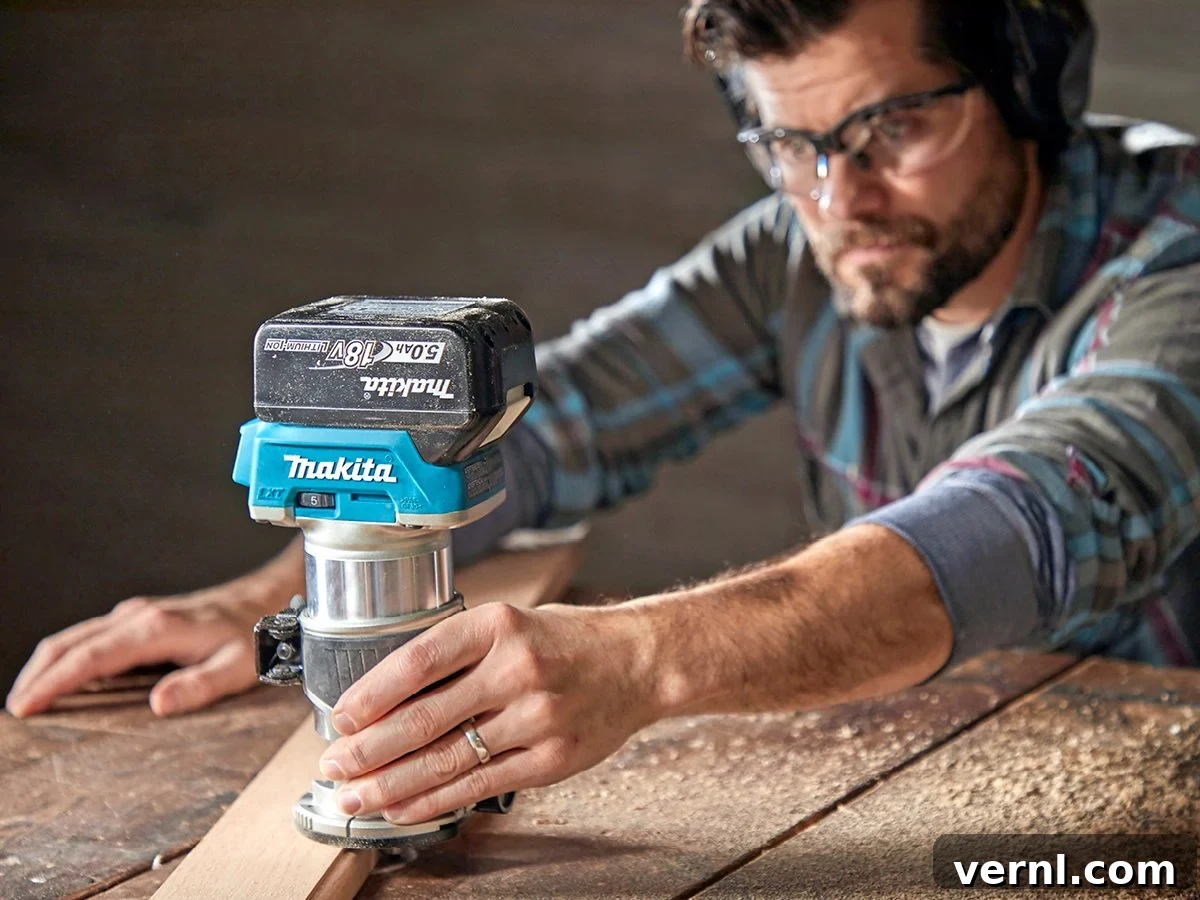
The Ultimate Guide to Compact Cordless Routers: Power, Performance, and Portability
Cordless tool technology has dramatically evolved. What was once considered a niche market has become a powerhouse, and the compact cordless router is a prime example of this advancement. This guide explores the benefits, features, and top-rated models of compact cordless routers, helping you determine if one is right for your workshop.
Why Choose a Compact Cordless Router?
If you’re considering expanding your router collection, a compact cordless router is a compelling choice. They are especially well-suited for edge profiles and lighter tasks. Their portability and ease of use make them perfect for DIY enthusiasts and professionals alike. Unlike their larger, corded counterparts, compact cordless routers offer unmatched freedom and convenience.
Run Time and Battery Life: What to Expect
One of the primary concerns with cordless tools is battery life. However, modern compact routers offer impressive run times. Most of the routers tested can handle a significant amount of linear routing on a single charge. When considering your usage, remember that the type of task impacts battery consumption. Trimming laminate requires less power than complex routing operations. With a spare battery and a fast charger, you’ll likely have more than enough power for even the most demanding projects.

Putting Compact Routers to the Test: Performance Evaluation
To assess the capabilities of these routers, we put them through a series of tests to evaluate their performance, ease of use, and power. These tests included cutting grooves and dados with spiral bits and creating chamfer profiles. By working with different types of wood, we evaluated the routers’ ability to handle various materials. This testing process generated a substantial amount of sawdust, providing real-world insight into the performance and features of each tool.
Key Features That Matter When Choosing a Compact Router
Dust Extraction
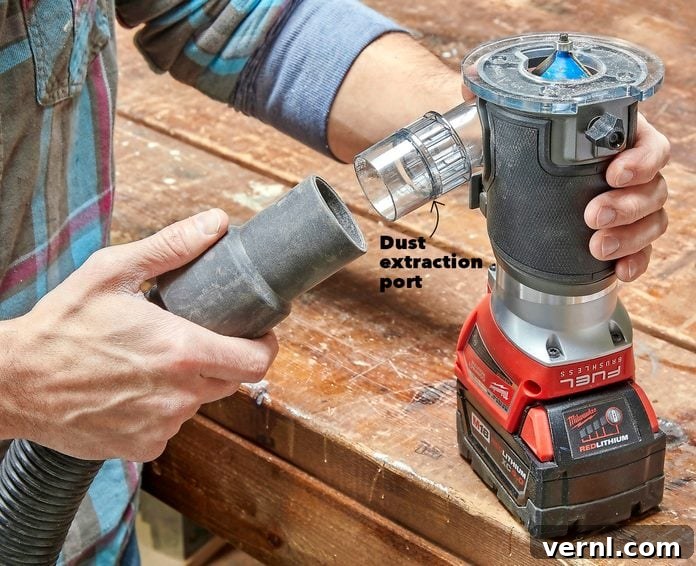
Dust accumulation during routing can hinder visibility and lead to burning. A dust port is a valuable addition to your router setup. Many brands include dust ports in their kits, and if yours doesn’t, consider purchasing one to improve your work environment.
Bit Compatibility: 1/4-inch Shanks
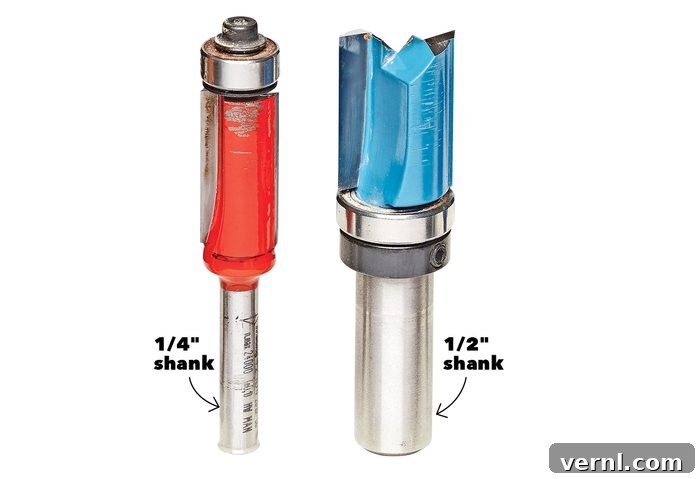
Compact routers are designed to accept 1/4-inch shank bits. Larger profile cutters, often with 1/2-inch shanks, require a full-size router.
Power and Performance
Compact cordless routers provide ample power. Tested models performed comparably to their corded counterparts. The convenience of cordless operation makes these tools a worthy addition to any shop.
Plunge Base Considerations
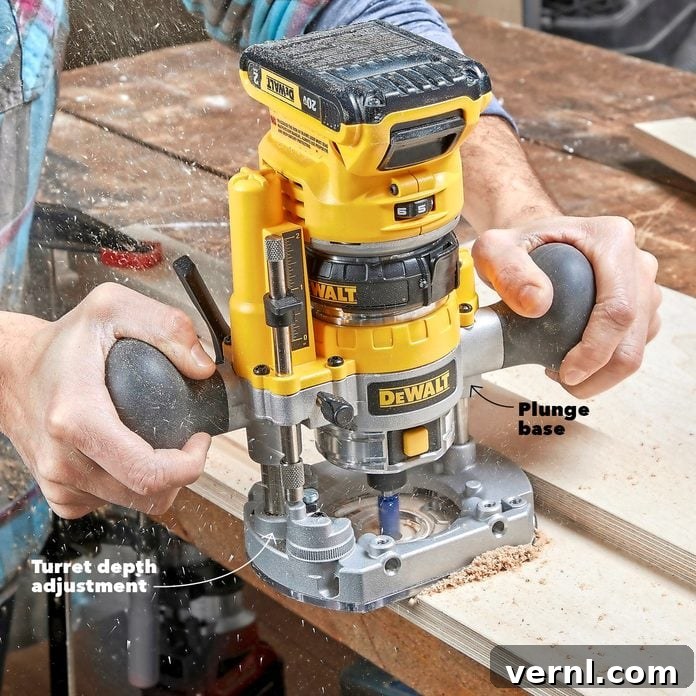
Some compact router kits include a plunge base, while others offer it as an add-on or don’t support it at all. A plunge base allows for easy routing in stages, enhancing precision and achieving a better finish. It also provides a more secure grip and simplifies depth adjustments.
Soft Start and Electric Brake
Look for routers with a soft-start feature, which gradually increases speed for safer operation. An electric brake rapidly stops the bit when the switch is turned off, enhancing safety.
Variable Speed: A Critical Feature
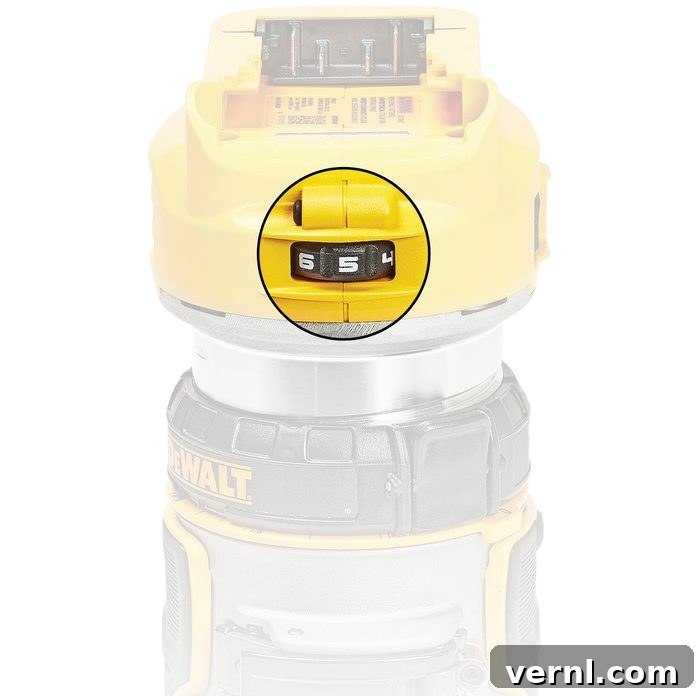
The ability to adjust the router’s speed is essential. Larger profile bits require lower RPMs than smaller bits. Variable speed settings help prevent burning and improve cutting performance.
Router Table Integration
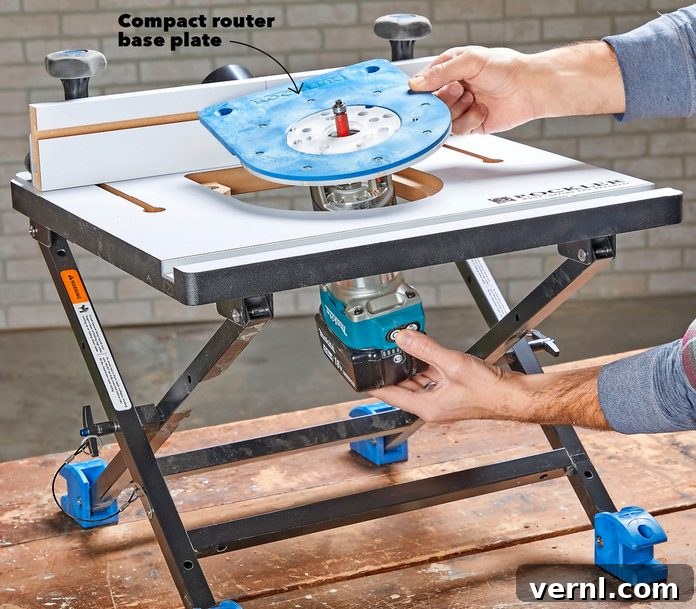
A router table significantly expands a router’s versatility. Although most are designed for full-size routers, baseplates are available to accommodate compact models.
Size and Battery Considerations
Compact routers are, by definition, small and manageable. There is little difference in power between larger and smaller batteries. A smaller battery may provide better balance and reduce top-heaviness.
Compact Cordless Router Reviews: Top Models
Here’s a detailed look at some of the top-rated compact cordless routers, highlighting their pros, cons, and unique features.
Bosch 12V Max EC Brushless Palm Edge Router (GKF12V)
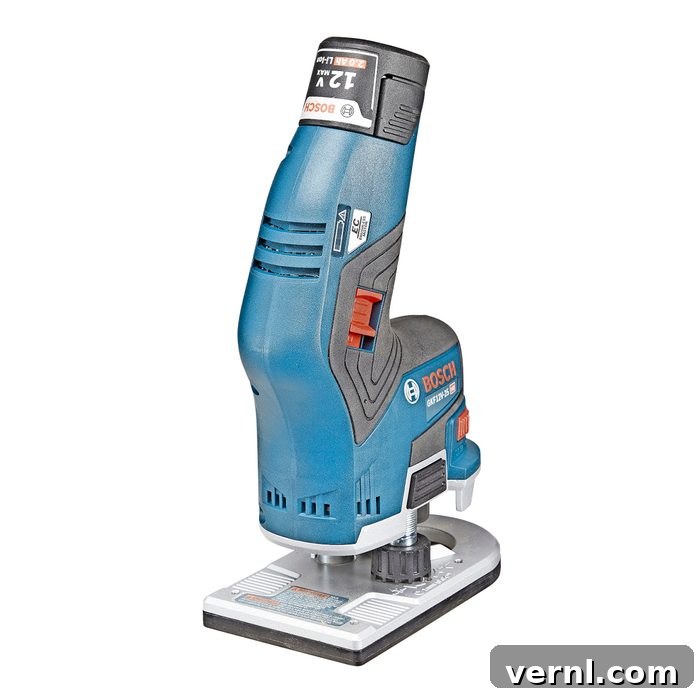
This 12V model delivers performance comparable to 18V tools. Its offset bit design maximizes work surface contact, and height adjustments are quick and easy.
Pros:
- Lightweight and compact design.
- Fast depth adjustments with a quick-release button and fine adjustment screw.
- Offset spindle for increased base contact.
Cons:
- Non-removable base.
- Not compatible with a plunge base.
- Unique grip design.
Shop Now at Amazon
DeWalt 20V Max XR Cordless Router (DCW600B)
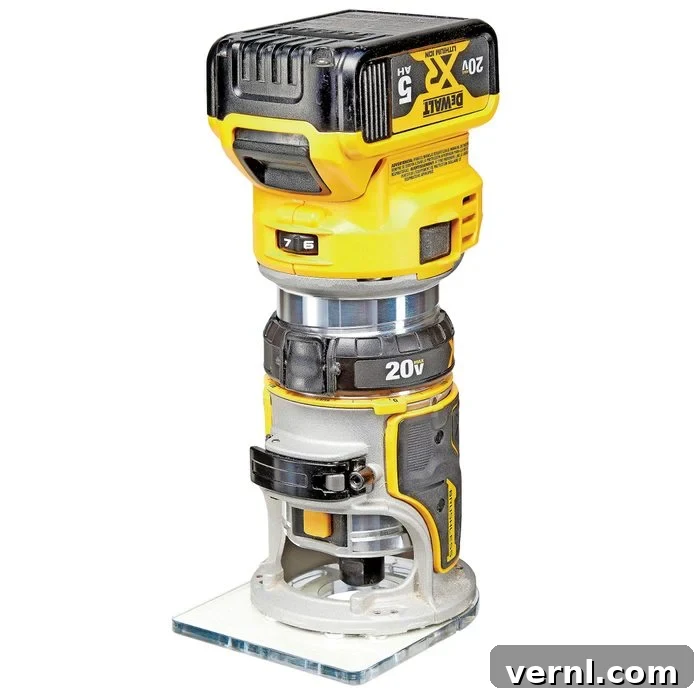
The DeWalt offers a user-friendly screw collar for height adjustments and a smooth cutting action. It features a soft-start function and an electric brake.
Pros:
- Easy base removal and spindle lock.
- Large, squared-off baseplate for accurate routing.
- Soft-start and electric brake.
- Dual LEDs for work area illumination.
Cons:
- All accessories sold separately.
- More expensive than other tool-only routers.
Shop Now at Amazon
Makita XTR01Z 18V LXT Lithium-Ion Brushless Cordless Compact Router
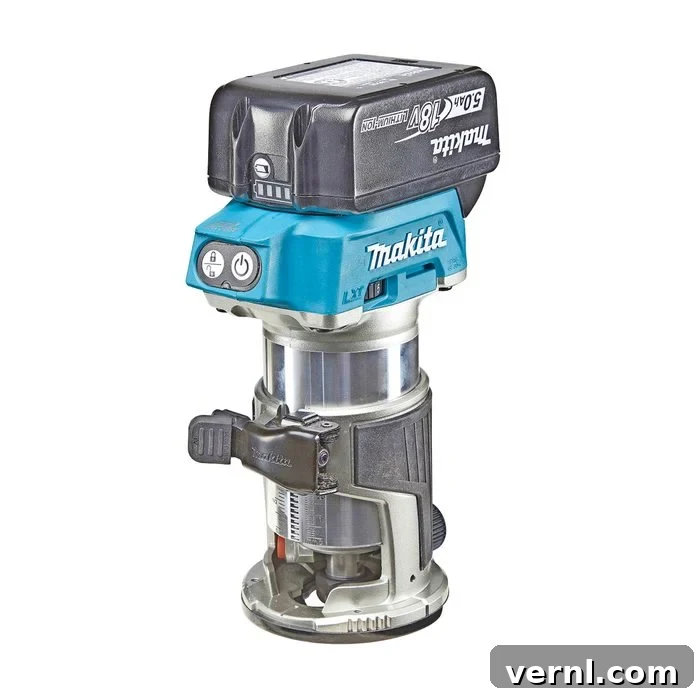
The Makita is compact yet robust, with a solid feel and a mostly aluminum body. It has a rack-and-pinion height adjustment.
Pros:
- Soft-start motor.
- Power switch safety.
- Excellent kit value (two batteries, charger, plunge base, edge guide).
Cons:
- Small baseplate.
- No micro adjustment.
- No electric brake.
Shop Now at Amazon
Milwaukee M18 FUEL Compact Router (2723-20)
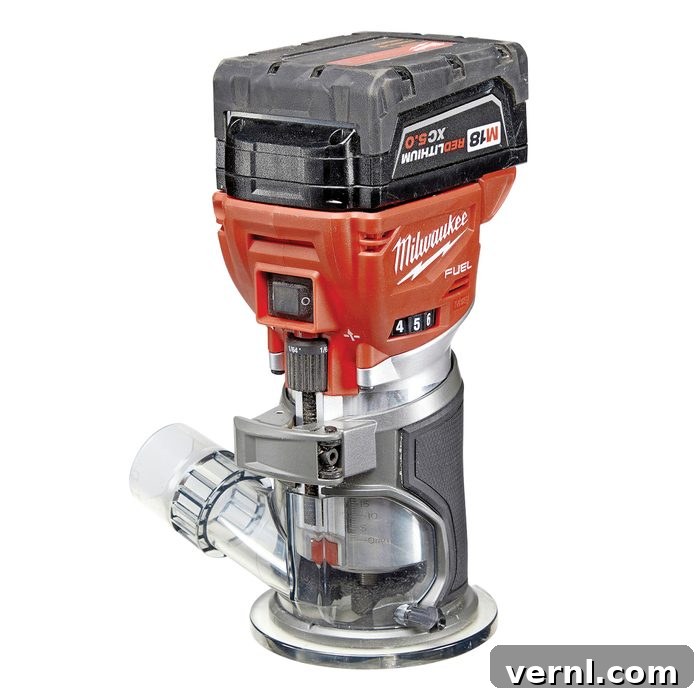
The Milwaukee features a comfortable rubberized grip. It has a micro-adjustment knob for smooth base movement.
Pros:
- Smooth micro-adjustment.
- Removable dust extraction port and two baseplates.
- Easy bit changes.
Cons:
- Base may need tightening.
Shop Now at Amazon
Ridgid R860443 18V Brushless Cordless Compact Router
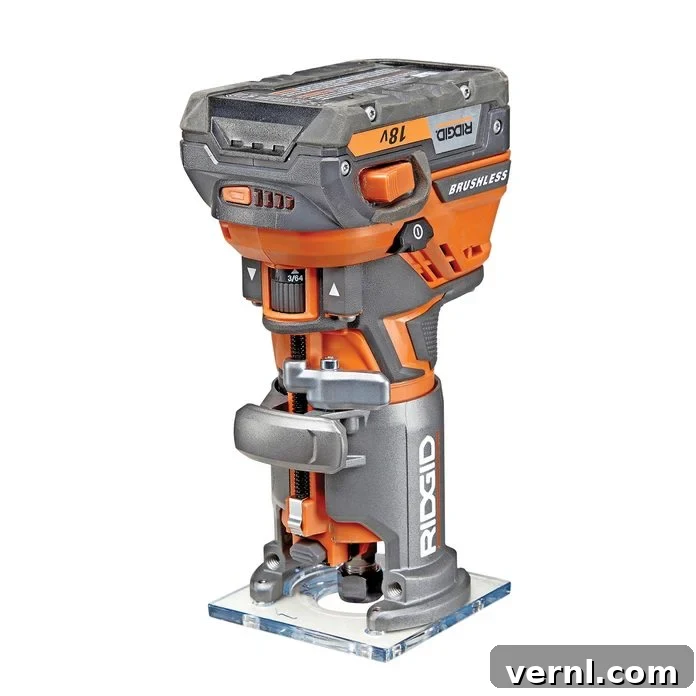
The Ridgid includes an edge guide and a soft case. The body is plastic, and it offers great visibility of the bit during routing.
Pros:
- Edge guide, dust extraction port, and extra baseplate included in the tool-only kit.
- Excellent bit visibility.
Cons:
- Awkward switch operation.
- Micro-adjustment knob can be difficult to use.
Shop Now
Ryobi P601 One+ 18-Volt Lithium Ion Cordless Fixed Base Trim Router
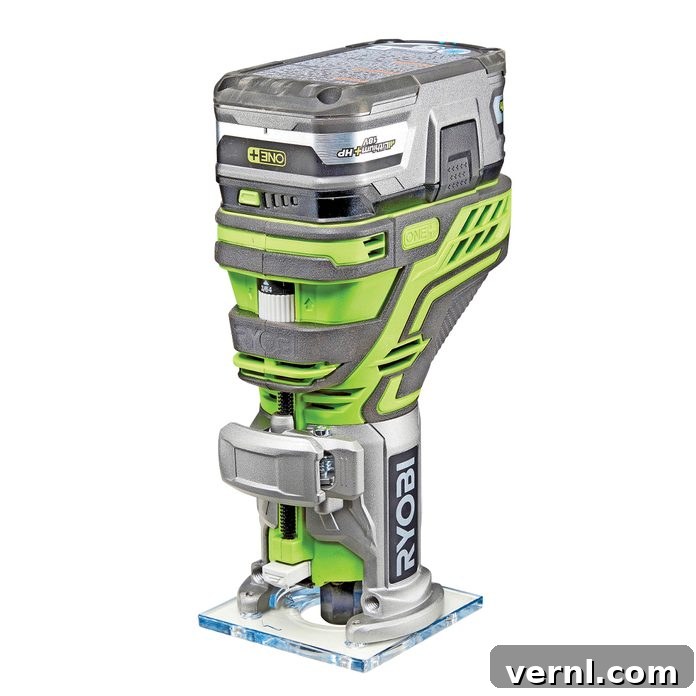
The Ryobi has high-end features like a micro-adjustment and a quick-release lever. It offers excellent value, particularly for lighter work.
Pros:
- Quick-adjust integrated with base latch.
- Smooth micro-adjust mechanism.
- Excellent value.
Cons:
- Grip placement isn’t ideal.
- Unbalanced feel.
- Fussy base removal.
Shop Now at Amazon
Final Thoughts: Choosing the Right Compact Router
The best compact cordless router will depend on your specific needs and existing tool ecosystem. If you’ve invested in a particular battery platform, sticking with the same brand is often the most practical choice. The convenience of having extra batteries usually outweighs any other advantages.
DIY Project: Build a Better Router Base
Stabilize your compact router with this easy project.
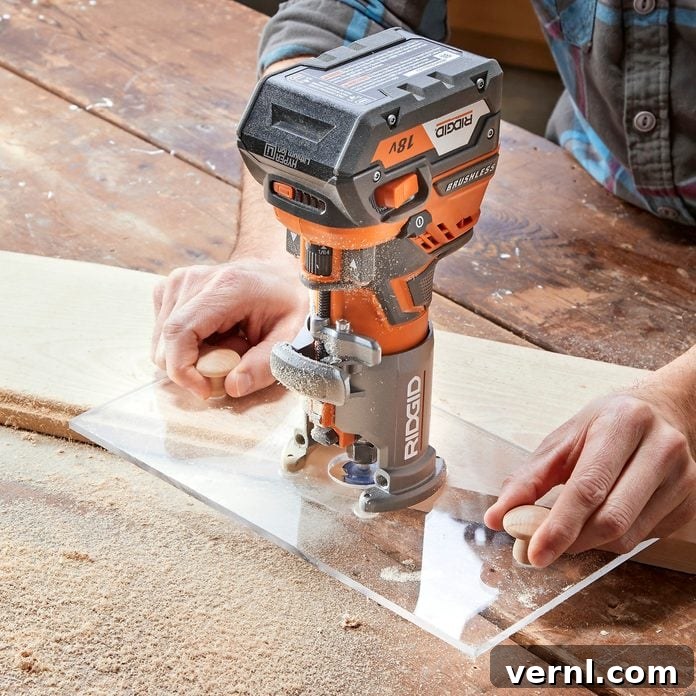
Compact routers often have small bases, which, combined with one-handed operation, can make them feel unstable. This project provides a simple solution for a larger base with handles, enhancing control and stability. The base can be built in about an hour with minimal materials.
Step-by-Step Instructions
1. Locate Baseplate Holes
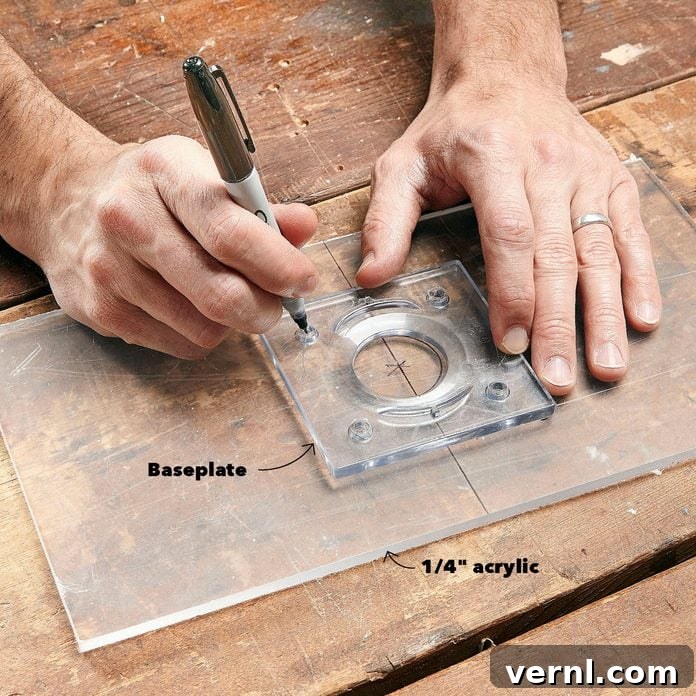
Remove the factory baseplate and position it on a 6-in. x 10-in. piece of 1/4-in.-thick acrylic. Trace around the baseplate and inside the center hole. Mark the screw holes with a permanent marker.
2. Drill the Holes
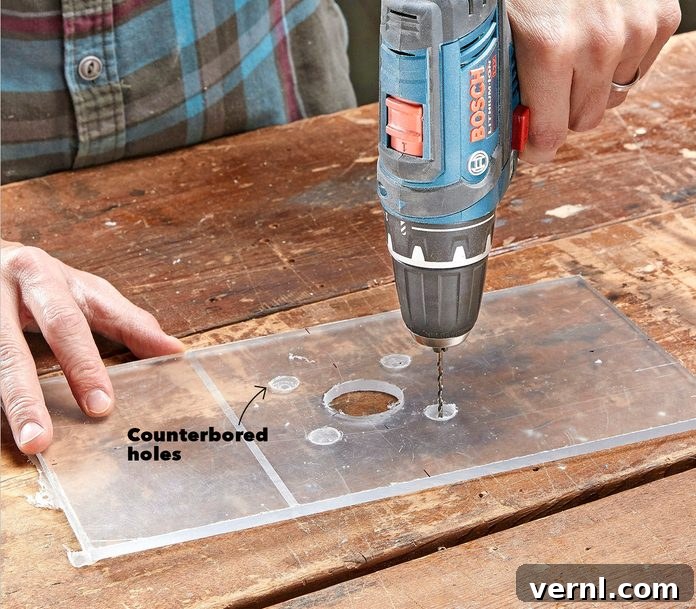
Use a 1/4-in. Forstner bit to drill partway through the acrylic at the screw holes. Drill deep enough so the screw heads will be below the surface when the plate is mounted. Drill a 3/16-in. hole through the centers of the counterbored holes. Cut the large center hole using a hole saw or Forstner bit.
3. Add Cabinet Handles
Create two more counterbored holes about 1-1/2 inches in from each end to mount the knobs. Attach wood knobs with short wood screws. If you use machine-screw threaded knobs, you will have to shorten the screws. Attach the base to your router using the original screws.
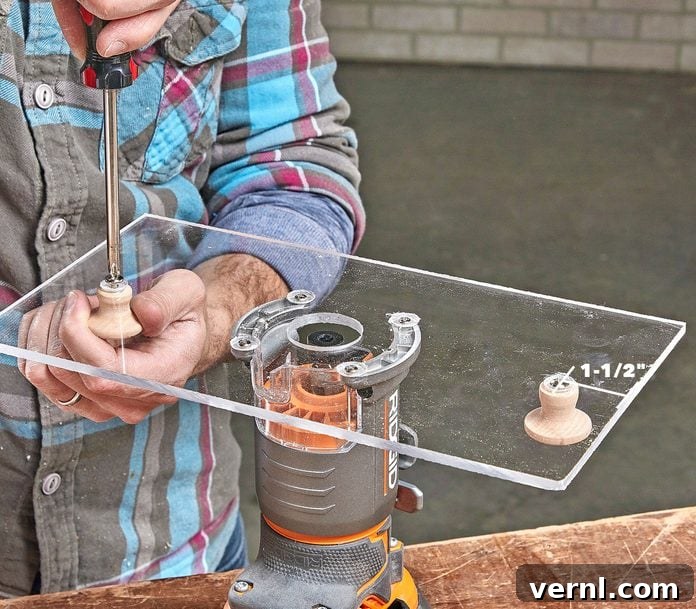
By following these steps, you can create a more stable and user-friendly base for your compact router, significantly improving your routing experience.