
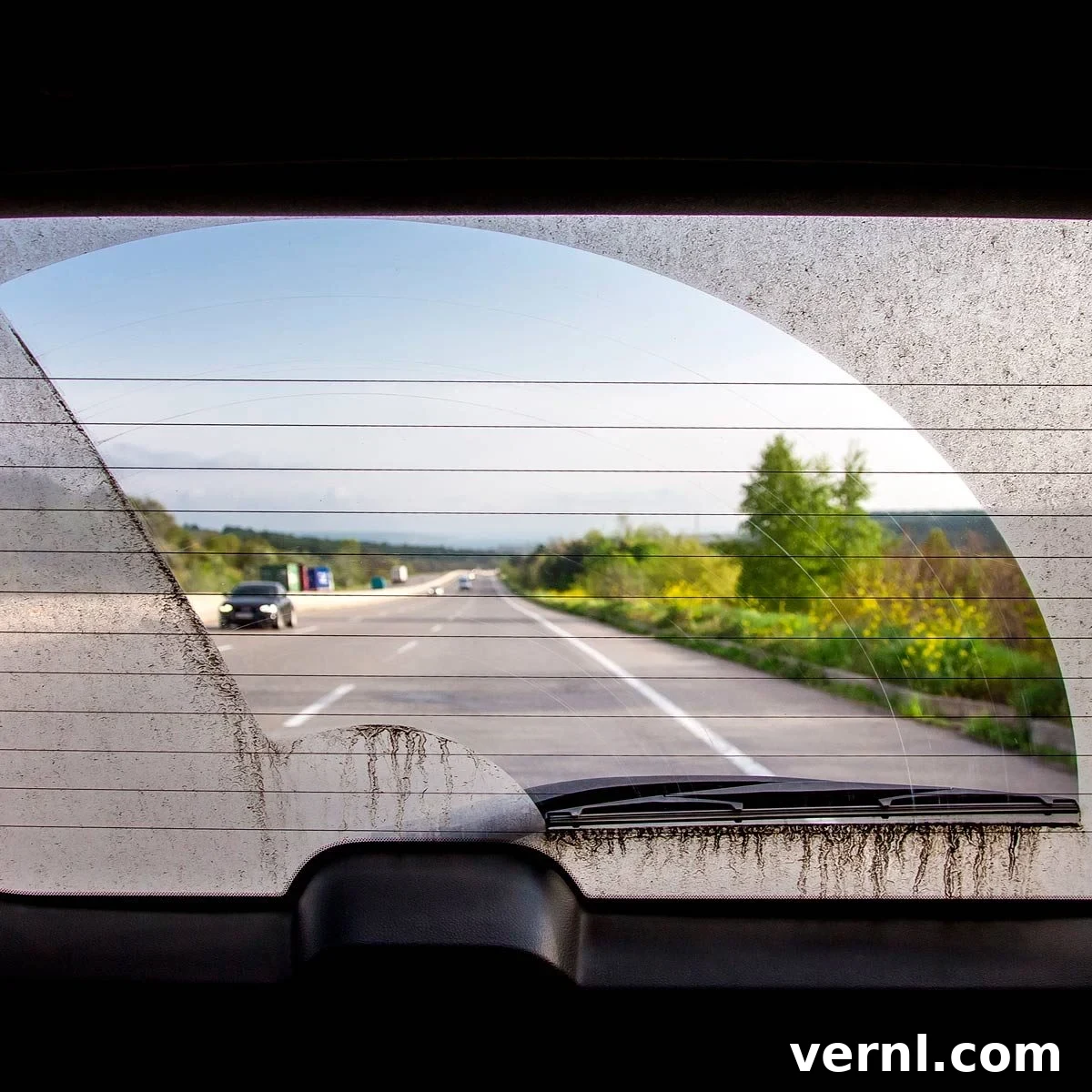
In challenging weather conditions, a rear windshield wiper is an invaluable safety feature, ensuring a clear line of sight through your rearview mirror. This enhanced visibility is crucial for safe driving, allowing you to easily monitor traffic and potential hazards behind you. Beyond just rain and snow, many systems also incorporate a washer-fluid dispenser, which is incredibly useful for clearing dust, dirt, and road grime that can accumulate even in dry conditions, further improving your situational awareness. Rear wipers are a standard inclusion on SUVs, vans, and most hatchbacks – vehicles known for their utility and cargo capacity. However, a common question often arises: why don’t all cars, particularly many sedans, come equipped with one?
The Indispensable Role of a Rear Windshield Wiper
A rear windshield wiper does more than just clear precipitation; it’s a critical component for maintaining consistent visibility, directly impacting driver safety and confidence. Without a clear rear view, drivers are significantly more susceptible to accidents, especially when changing lanes, backing up, or navigating busy highways. This is particularly true for vehicles with a vertical or steeply sloped rear window, where dirt, water, and snow tend to accumulate more readily due to specific airflow patterns. The ability to quickly clean this surface, whether with a swipe of the blade or a spray of washer fluid, means the difference between a clear, unobstructed view and a dangerously obscured one.
Beyond safety, the convenience factor is undeniable. Imagine driving through a sudden downpour or a dusty construction zone. While front wipers handle the immediate view ahead, the rear wiper ensures you have a comprehensive understanding of your surroundings. This holistic visibility is a cornerstone of defensive driving, allowing drivers to anticipate movements from vehicles behind them and react accordingly. So, while it might seem like a minor addition, the rear wiper plays a major role in a vehicle’s overall safety ecosystem.
Is a Rear Windshield Wiper Even Necessary for Every Car Type? A Deep Dive into Automotive Aerodynamics
The absence of rear windshield wipers on sedans is a topic of considerable debate among automotive enthusiasts and engineers alike. Many opinions exist, primarily revolving around the intricate science of vehicle aerodynamics. Unlike the boxier profiles of SUVs and hatchbacks, sedans are specifically designed for minimal drag, achieving a smoother, more laminar airflow over their bodies.
Aerodynamic Efficiency: The Sedan’s Advantage
One prevalent theory suggests that due to the sleek, sloping design of a sedan’s rear window and trunk, the car’s inherent aerodynamics do a fine job of clearing the glass. As the vehicle moves forward, air flows smoothly over the roof and down the rear window, creating a natural “windshear” effect. This airflow is often powerful enough to push water, light snow, and even some debris off the glass surface, acting as a passive cleaning mechanism. This principle is less effective on vehicles with a more abrupt rear cutoff, like hatchbacks or SUVs, where the air flow separates sharply from the vehicle, creating turbulent vortices that can pull dirt and moisture onto the rear window rather than pushing it away.
The Trunk Compartment’s Buffering Effect
Another compelling argument points to the distinctive body style of a sedan: the extended length of the trunk compartment. This structural element acts as a significant buffer between the turbulent wheel spray generated by the rear tires and the rear window itself. In vehicles like SUVs or hatchbacks, the rear window is often much closer to the rear wheels, making it more susceptible to being coated by fine mist, mud, or dirty water kicked up from the road. The sedan’s trunk provides a physical barrier, effectively preventing a large portion of this airborne debris from settling directly on the glass, thus reducing the need for a mechanical wiper system.
Airflow Dynamics and Wiper Performance
A third aerodynamic consideration, particularly relevant for high-speed driving, suggests that the very air movement designed to keep a sedan’s rear window clean could render a wiper system ineffective. In some sedan designs, the airflow over the top of the vehicle creates a significant aerodynamic lift or pressure differential at higher speeds. This force could potentially lift a wiper blade from the surface of the glass, causing it to chatter, skip, or simply fail to make proper contact, rendering it useless for cleaning. Furthermore, a wiper mechanism, with its arm and blade, introduces additional aerodynamic drag and can disrupt the carefully engineered smooth airflow, potentially negating the very efficiency the sedan’s design aims to achieve.
Therefore, for many sedans, the decision to omit a rear wiper is not an oversight but a calculated choice based on a complex interplay of aerodynamic principles, structural design, and performance considerations.
Rear Windshield Wiper Manufacturing Considerations: A Balancing Act of Design and Economics
Beyond aerodynamic principles, car manufacturers face a multitude of practical and economic considerations when deciding whether to include a rear windshield wiper. These factors often represent a delicate balancing act between desired features, production costs, regulatory compliance, and market appeal.
Space and Integration Challenges
One of the primary manufacturing hurdles is the lack of dedicated space to conceal the various components of a rear windshield wiper system. A rear wiper isn’t just a blade; it requires a compact yet powerful motor, an intricate linkage mechanism, wiring, and for a washer system, a separate fluid reservoir and associated tubing. Integrating these components neatly within the bodywork, especially in the typically constrained rear compartments of sedans, without encroaching on trunk space or compromising structural integrity, presents a significant engineering challenge. Car designers often struggle to find discreet locations for these elements, ensuring they don’t impact the car’s interior aesthetics or cargo capacity.
The Added Cost of the System
Every additional component in a vehicle contributes to the overall manufacturing cost. A rear wiper system involves several parts, from the motor and arm to the blade itself, the washer pump, fluid lines, and the control switch on the dashboard. These costs, though seemingly small individually, accumulate across hundreds of thousands of vehicles produced, adding a considerable sum to the final retail price. For manufacturers operating on tight margins, especially in competitive market segments, omitting a feature that is deemed less essential for a particular vehicle type can be a strategic move to keep production costs down and maintain an attractive price point for consumers.
Weight Reduction and Fuel Efficiency Standards
In an era of stringent fuel-efficiency standards and increasing environmental awareness, every kilogram counts. A rear wiper system, while not excessively heavy on its own, adds measurable weight to the vehicle. Car manufacturers are constantly seeking ways to shave off even a few grams here and there to improve fuel economy and reduce emissions. Even minor weight additions can impact a vehicle’s performance characteristics, including acceleration and handling. For sedans where fuel efficiency is often a key selling point, omitting the rear wiper can be a small but cumulatively significant step towards meeting ambitious economy targets.
Increased Drag and Aerodynamic Disruption
As previously discussed, modern sedans are meticulously designed for optimal aerodynamics to minimize drag. A rear wiper arm and blade, particularly if not perfectly integrated, can disrupt the smooth airflow over the rear of the vehicle. This disruption leads to increased aerodynamic drag, which in turn necessitates more engine power to maintain speed, resulting in higher fuel consumption. For high-performance sedans or those primarily marketed on efficiency, maintaining an ultra-smooth aerodynamic profile is paramount, making the addition of a rear wiper a potential compromise to their core design philosophy.
Cosmetic Appeal and Design Aesthetics
Finally, aesthetics play a non-trivial role in automotive design. Many sedans are crafted with a focus on sleek lines, sophisticated profiles, and an uncluttered appearance. A visible rear wiper, with its arm and blade, can be perceived as an unsightly protrusion that detracts from the car’s overall design elegance. Designers often prioritize a clean, seamless look for the rear of a sedan, believing that the presence of a wiper would compromise the vehicle’s intended visual appeal. This consideration is particularly strong in luxury or sport sedan segments where visual harmony is a key selling proposition.
Ultimately, the decision to include or exclude a rear wiper is a complex engineering and marketing choice, weighing functionality against cost, efficiency, and design aesthetics for each specific vehicle model.
Rear Windshield Wiper: The Design Philosophy and Final Word
In the grand tapestry of automotive design, the most satisfying and encompassing answer to why some cars lack a rear windshield wiper ultimately boils down to a fundamental principle: the car designer decided not to put one there. This isn’t a flippant response, but rather an acknowledgment of the multifaceted and holistic decision-making process inherent in vehicle development. Exactly why they made that decision is rarely a singular factor, but rather a complex interplay of the speculations outlined above, all filtered through the unique set of traditions, values, target market, and sensibilities of the specific brand and design team. Whether it’s prioritizing aerodynamic efficiency, managing manufacturing costs, adhering to stringent fuel economy standards, maximizing interior space, or simply striving for a cleaner, more aesthetically pleasing exterior, every choice is deliberate. The absence of a rear wiper is thus a testament to a specific design philosophy, tailored for a particular type of vehicle and its intended purpose, reflecting a careful balance of compromises and optimizations.
FAQ: Keeping Your Rear Wiper in Top Condition
How often should I replace my rear windshield wiper?
While often overlooked compared to front wipers, your rear windshield wiper is equally vital for safety and deserves regular attention. It’s recommended to replace it at least once a year, but ideally every six months, much like your front blades. Many people assume rear blades last longer because they’re used less frequently, but this isn’t always the case. As Duane “Doc” Watson, a technical trainer at Bosch Mobility Aftermarket, explains, “The back window actually gets more sun exposure, which can wear the rubber down faster.” UV radiation and extreme temperatures cause the rubber to harden, crack, and lose its flexibility, reducing its effectiveness. Additionally, rear wipers are often subjected to harsher conditions when used, clearing thicker grime or snow. Investing in quality blades that incorporate specialized coatings to help them last longer and perform better in tough weather conditions can significantly enhance your visibility and safety on the road.
Signs that your rear wiper needs replacing include streaking, skipping, chattering noises, or an inability to clear the glass effectively. Don’t wait until visibility is severely compromised; proactive replacement is key to maintaining clear sightlines in all conditions.
How do I clean the rear windshield wiper?
Regular cleaning is paramount to prolonging the life of your wipers and maximizing your visibility and safety. Dirt, grime, dead insects, tree sap, and road salt can quickly build up on the wiper elements, causing them to degrade prematurely and perform poorly. A simple cleaning routine can make a world of difference:
- Gently Lift the Arm: Carefully lift the wiper arm away from the glass. Be mindful of spring tension and avoid letting it snap back, which could damage the blade or the windshield.
- Wipe Blade and Arm: Using a soft, clean microfiber cloth or sponge dampened with warm, soapy water (using a dedicated car wash soap is best), gently wipe down the entire length of the rubber blade. You’ll be surprised how much black grime comes off. Also, wipe the wiper arm itself to remove any accumulated dirt.
- Rinse and Dry: Rinse the blade thoroughly with clean water to remove any soap residue. Then, use a separate clean, dry cloth to gently dry the blade.
- Clean the Glass: Finally, use a non-ammonia-based glass cleaner specifically designed for automotive use to clean the rear windshield. This will ensure a crystal-clear surface, free from haze or streaks, allowing the freshly cleaned blade to perform optimally.
It’s crucial to be selective with your cleaning products. As Watson advises, “Do not use any cleaners that have alcohol or bleach, such as regular dish soap, as that can strip wax and even damage paint. Instead use a dedicated windshield or car wash soap.” Harsh chemicals can degrade the rubber compound of the wiper blade, making it brittle and less effective, and can also strip protective coatings from your car’s paintwork or trim.
About the Expert
- Duane “Doc” Watson is a highly respected technical trainer at Bosch Mobility Aftermarket. With an impressive career spanning over 45 years in automotive repair, Doc Watson has dedicated his expertise to educating thousands of technicians. His significant contributions to the industry have been recognized with numerous accolades, including the prestigious Chevrolet Technician of the Year and Buick Service Master of the Year awards, underscoring his deep knowledge and commitment to automotive excellence.