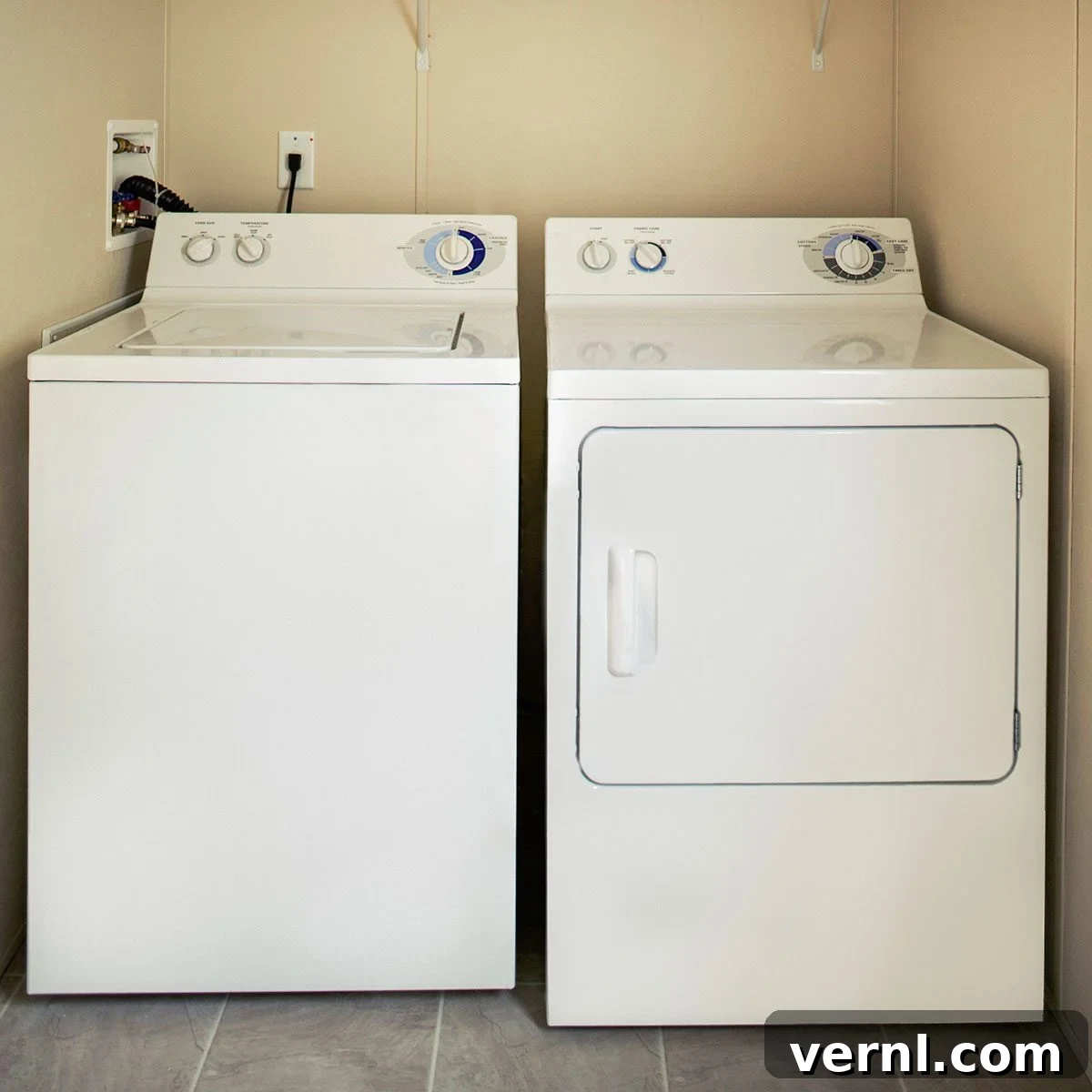
Gas vs. Electric Dryers: A Comprehensive Guide for Your Home
Choosing the right dryer for your home is an important decision. With both gas and electric models available, it’s essential to understand the differences in terms of cost, efficiency, and environmental impact. This guide provides a detailed comparison to help you make an informed choice that best suits your needs and budget.
Many homeowners face the gas vs. electric dryer dilemma. While the initial investment might seem straightforward, the long-term implications on your energy bills and overall home setup warrant careful consideration. This guide will cover all aspects, from upfront costs and operating expenses to environmental factors and ease of use.
Key Benefits: Gas Dryers vs. Electric Dryers
The best dryer for your home depends on your specific requirements, existing hookups, and long-term financial goals. Gas dryers and electric dryers each offer unique advantages that can influence your decision.
Benefits of Electric Dryers
- Fast Drying Times: Electric dryers typically dry a complete load of clothes in under an hour, making them suitable for busy households. They function efficiently in all weather conditions, without any dependency on external venting issues.
- Customizable Settings: Electric dryers offer a wide range of fabric-specific settings, allowing you to tailor the drying process to your garments’ needs.
- Gentle on Clothes: Electric dryers often incorporate lower heat settings, which can be gentler on your clothes, helping to preserve fabric quality and prevent damage.
- Energy-Efficient Models: Many modern electric dryers are designed to consume less energy, lowering power usage over time. They are particularly ideal for small spaces or when integrated with stackable washer-dryer sets.
- Easy Installation: Installation is usually straightforward and doesn’t require gas line installation, making them accessible for various living situations.
Benefits of Gas Dryers
- Superior Heat Output: Gas dryers generate higher heat levels, which significantly accelerates the drying process, reducing drying times.
- Energy Efficiency: Gas dryers generally require less total energy, which can lead to cost savings over the long term.
- Reduced Wrinkling: Clothes often come out with fewer creases and less wear and tear, reducing the need for ironing.
- Long-Term Savings: The potential for savings on energy expenses is particularly noticeable for large families or those with frequent laundry needs.
- Handles Large Loads: Typically, gas dryers perform better when handling larger loads, making them suitable for active households.
Gas vs. Electric Dryers: Upfront and Operating Costs
Understanding both initial and ongoing costs is crucial. The upfront price and the energy expenses influence your total investment in a dryer.
The initial purchase price plays a significant role in the comparison of gas and electric dryers. Typically, a gas dryer may cost approximately $100 more than an equivalent electric model. Gas dryer installation frequently involves professional fitting to guarantee proper venting and minimize leak risks, potentially adding an extra $150 to $250 to the total cost.
Electric dryer installation is frequently a straightforward DIY project, provided you have a 240-volt outlet and a suitable exhaust vent. While the upfront investment for a gas dryer might be higher, the lower running costs could potentially offset this difference over time.
Gas dryers often offer better energy efficiency, leading to average annual savings of around $40 on your energy costs. This difference in savings means you might recover the higher initial cost in under a decade. Comparing the costs of electric and gas appliances helps you choose the best dryer for your budget and energy requirements.
Existing Dryer Hookups
Standard electric dryers require a 240-volt power supply, necessitating a dedicated circuit and a four-prong receptacle. Gas dryers also need electricity, which can be supplied by a standard 120-volt circuit. However, a gas dryer requires a gas hookup as well.
If you lack natural gas access, installing a propane tank outside your home, in addition to running new gas pipes, can be expensive. When replacing an existing dryer, it is generally most cost-effective to utilize your existing hookups, replacing gas with gas and electric with electric. If you’re remodeling and installing a dryer for the first time, you may have the option of either gas or electric depending on your home’s existing infrastructure.
Day-to-Day Operation
Gas and electric dryers perform differently in terms of everyday use. Gas dryers tend to heat up and dry clothes faster than electric models. This quicker drying time is a significant advantage if you have a busy lifestyle. Gas dryers typically handle a full load in about 45 minutes or less.
The enhanced efficiency of gas dryers not only saves time but also reduces fuel consumption, leading to lower energy expenses. This is an important factor to consider when evaluating dryer energy efficiency. For maintenance, electric dryers have an advantage.
A capable homeowner can often safely perform DIY repairs, such as replacing a heating element or repairing a fan. Gas dryers are more complicated due to potential gas leaks and safety concerns, often requiring a professional specialist for repairs. When choosing a dryer, it’s wise to consider daily performance and ease of maintenance.
Gas vs. Electric Dryers: Environmental Concerns
Environmental factors are becoming increasingly important for homeowners. While both types of dryers have environmental impacts, they differ significantly.
The push for gas appliance restrictions is mainly driven by the desire to enhance air quality. Stoves pose a direct threat of indoor air pollution. However, a properly vented gas dryer emits pollutants only outdoors.
Electric dryers release no direct emissions. However, the bigger picture reveals additional complexities. An electric dryer consumes 2-6 kilowatt-hours (kWh) of electricity, sourced from a power plant that could be situated miles away. A large amount of the energy generated by the plant is lost during transmission.
Approximately 60% of U.S. power plants burn fossil fuels, according to the U.S. Energy Information Administration. Therefore, while the dryer itself emits no combustion gases, it can still contribute to atmospheric pollution unless it draws electricity from solar panels or another clean power source.
Making Your Choice: Gas or Electric Dryer?
If you already have a gas line and a compatible electrical outlet, a gas dryer might be the better choice over time, especially if your household has heavy laundry needs. This can lead to reduced utility bills. However, electric dryers offer greater safety for households without gas lines and are generally more affordable to install and maintain.
Electric dryers are preferable if you have concerns about gas leaks, costly repairs, or wish to utilize energy-efficient models that might qualify for incentives. In the end, the right dryer for your home depends on your budget, energy goals, and how long you plan to reside in your current home.
Frequently Asked Questions (FAQ)
What are the main differences between a gas and an electric dryer?
The primary difference lies in the heat source. Gas dryers use natural gas or propane to heat the air, while electric dryers utilize an electric heating element. Gas models typically heat up more quickly, which is beneficial for larger loads. Electric models are easier to install and maintain. This difference is key when comparing gas and electric laundry machines to find the best option for your needs.
Which is cheaper to run: a gas or an electric dryer?
Gas dryers usually have a higher initial cost but tend to be cheaper to operate in the long run. They generally consume less energy, leading to annual savings of around $40. Although electric dryers might have a lower initial cost, energy bills can increase depending on usage and local rates. Considering both gas and electric appliance costs is important for a long-term decision.
Do I need special hookups for a gas dryer?
Yes, a gas dryer requires a gas line connection, proper ventilation, and a 120-volt electrical outlet. Installing a gas line can be costly if your home lacks one. Electric dryers require a 240-volt outlet but typically offer a simpler and less expensive installation process. Understanding your existing connections is crucial for picking the right dryer for your home.
Sources:
- USEIA: “What is U.S. electricity generation by energy source?”
- BKV Energy: “Choosing Between a Gas vs Electric Dryer: Which is Right for You?”
- Enbridge Gaz Quebec: “Natural gas dryer: 4 reasons to make it your first choice!”