Engine Air Filter: The Unsung Hero of Your Car’s Performance
Just like you and I need air to breathe, your car’s engine relies on clean air to function properly. The engine air filter is a crucial component, working silently to protect your engine from harmful contaminants. Understanding its role and importance can save you money and keep your car running smoothly for years to come.
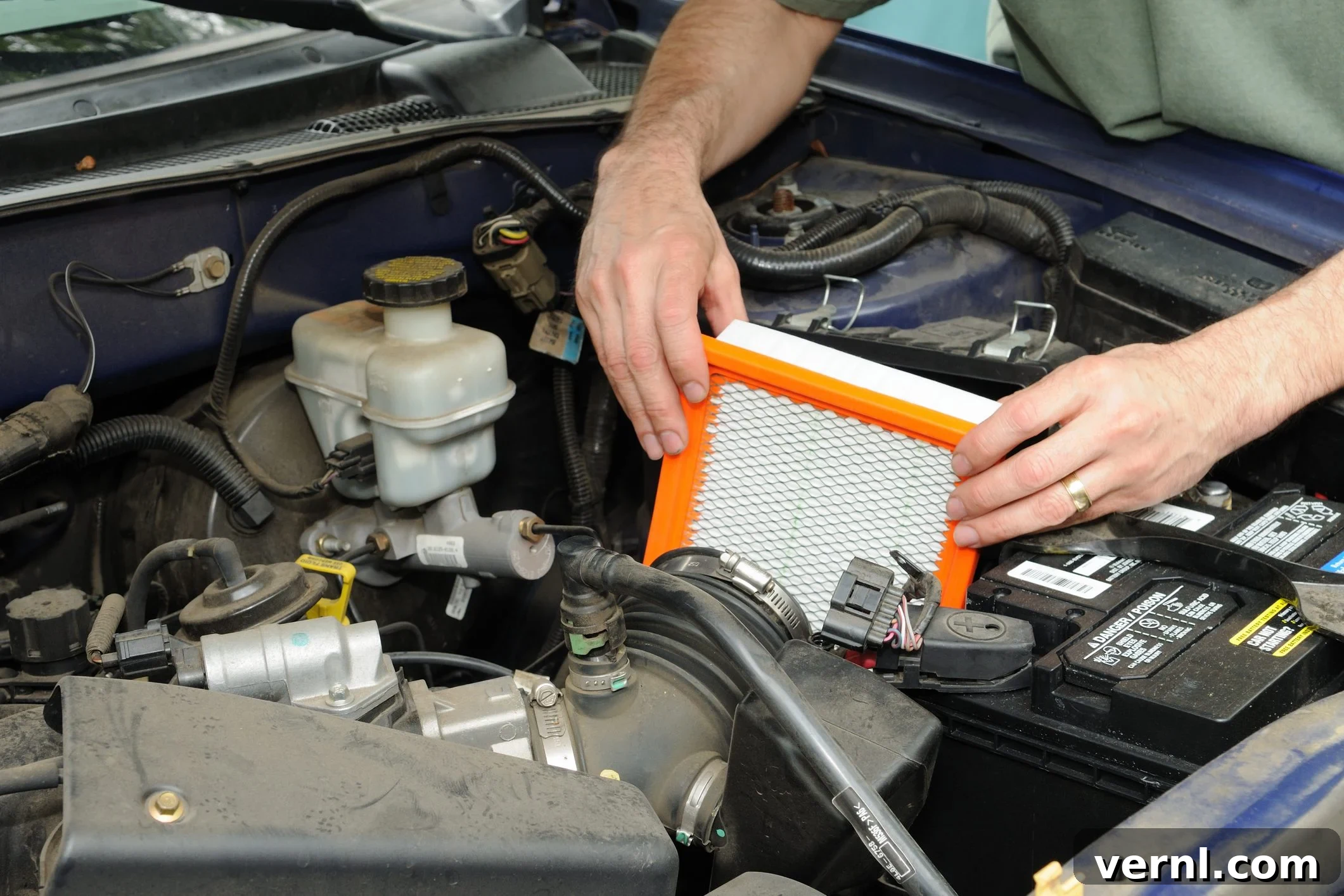
An engine air filter, distinct from your cabin air filter, acts as a barrier, trapping solid pollutants before they can enter the engine. A clogged or damaged air filter can lead to reduced performance and even trigger the dreaded Check Engine Light, signaling potential problems.
Think of it as the lungs of your car. Without a properly functioning air filter, your engine can suffer serious damage. Tiny particles of dirt and debris can make their way into the engine’s combustion chamber, leading to wear and tear on critical components, potentially causing costly repairs.
What is an Engine Air Filter?
An engine air filter is typically crafted from specially treated pulp paper, folded into pleats to maximize surface area for trapping contaminants. Many also incorporate a stainless-steel grid for added support, preventing premature failure. This design effectively captures a wide range of harmful particles from the air, ensuring that only clean air enters your engine.
Beyond cleaning the air, the engine air filter plays an important safety role. It helps to smother flames if an engine backfires.
Why is Changing Your Engine Air Filter Important?
A clean engine air filter provides a multitude of benefits, directly impacting your car’s performance, efficiency, and longevity:
- Improved Fuel Economy: A clean filter helps maintain the optimal air-to-fuel ratio, leading to better fuel efficiency and saving you money at the pump.
- Enhanced Acceleration and Performance: By allowing maximum airflow into the combustion chamber, a clean air filter improves acceleration and overall engine performance. It also helps the Mass Air Flow (MAF) sensor function accurately.
- Reduced Tailpipe Emissions: A well-maintained air filter contributes to cleaner emissions, helping your car meet environmental standards.
- Prolonged Engine Life: By preventing abrasive grit from entering the engine, the air filter helps protect vital components, preventing premature wear and tear and potentially saving you from expensive repairs down the road.
How Often Should You Replace the Engine Air Filter?
Under normal driving conditions, most manufacturers recommend replacing your engine air filter every two years or 30,000 miles. However, this is just a general guideline, and the ideal replacement frequency depends on your driving habits and environment.
It’s a good practice to inspect your air filter every 12,000 miles, or at every oil change. You can perform a quick visual check: gently tap the filter to dislodge loose debris. If you can clearly see light shining through the filter, it’s probably still in good shape. However, consider replacement if the filter looks off-color, the seal is compromised, or the paper media seems dried out.
Consider more frequent replacements, at least once a year, and definitely when you change your oil and filter every 5,000 miles or six months, if:
- Your commute involves frequent stop-and-go driving or prolonged idling.
- You regularly drive in dusty or sandy conditions.
- You live or work near a construction zone.
- You live in an area with extreme temperatures during your daily commute.
DIY vs. Professional Engine Air Filter Replacement: Saving Money
Replacing an engine air filter is a straightforward maintenance task that can save you money. While repair shops once offered air filter replacements for free, the process is now more involved, potentially taking 15 minutes or longer. The filter housing may be hidden and secured, and sensors might need to be disconnected, which can lead to labor costs ranging from $25 to $50, plus the marked-up price of the filter.
A repair shop might add $10 to $30 to the retail price of the filter. However, a reputable shop will stand by their work, making the extra cost a sensible investment if you’d rather leave the job to a professional.
If you’re comfortable with basic car maintenance, replacing the air filter is easy on most vehicles. Follow these tips to ensure a successful DIY replacement:
- Choose Quality: Opt for a high-quality replacement air filter with a polyurethane frame. This ensures a tight seal between the filter and its housing. Be aware of branded parts: a manufacturer-branded part can cost more than its subsidiary-branded equivalent.
- Clean the Housing: Take the time to vacuum any debris around the air filter housing. Most mechanics use compressed air, which can spread dirt around the engine compartment, so vacuuming is the better option.
Frequently Asked Questions
Do I Need to Use a Specific Type of Air Filter?
Yes, different vehicle models require different shaped air filters. For engine air filters, using either OEM (Original Equipment Manufacturer) or aftermarket brands is generally acceptable, as long as it fits correctly and provides a proper seal. The primary goal is to prevent dirt and dust from entering the engine. Automotive expert Chris “Moose” Pyle does not recommend performance filters like oil-covered K&N filters because they are not properly maintained in most cases, resulting in dust getting into your engine.
For cabin air filters, consider those that meet High Efficiency Particulate Air (HEPA) standards. These offer superior protection, filtering out a high percentage of allergens, dust, and other airborne particles from entering your vehicle’s cabin via the ventilation system.
How Long Does it Take to Replace an Air Filter?
Replacing an air filter is typically a quick job. It’s generally a very straightforward process that doesn’t require many tools or much effort. However, the accessibility of the filter can vary depending on your vehicle’s make and model, which may influence the time it takes.
About the Experts
- Duane “Doc” Watson is a technical trainer at Bosch Mobility Aftermarket. He has over 45 years of experience in automotive repair and has trained thousands of technicians. He has earned industry awards, including Chevrolet Technician of the Year and Buick Service Master of the Year.
- Chris “Moose” Pyle is a master-certified technician with over 20 years of automotive experience. He has also worked as an expert for JustAnswer since 2006, where he answers hundreds of car maintenance and repair questions daily.