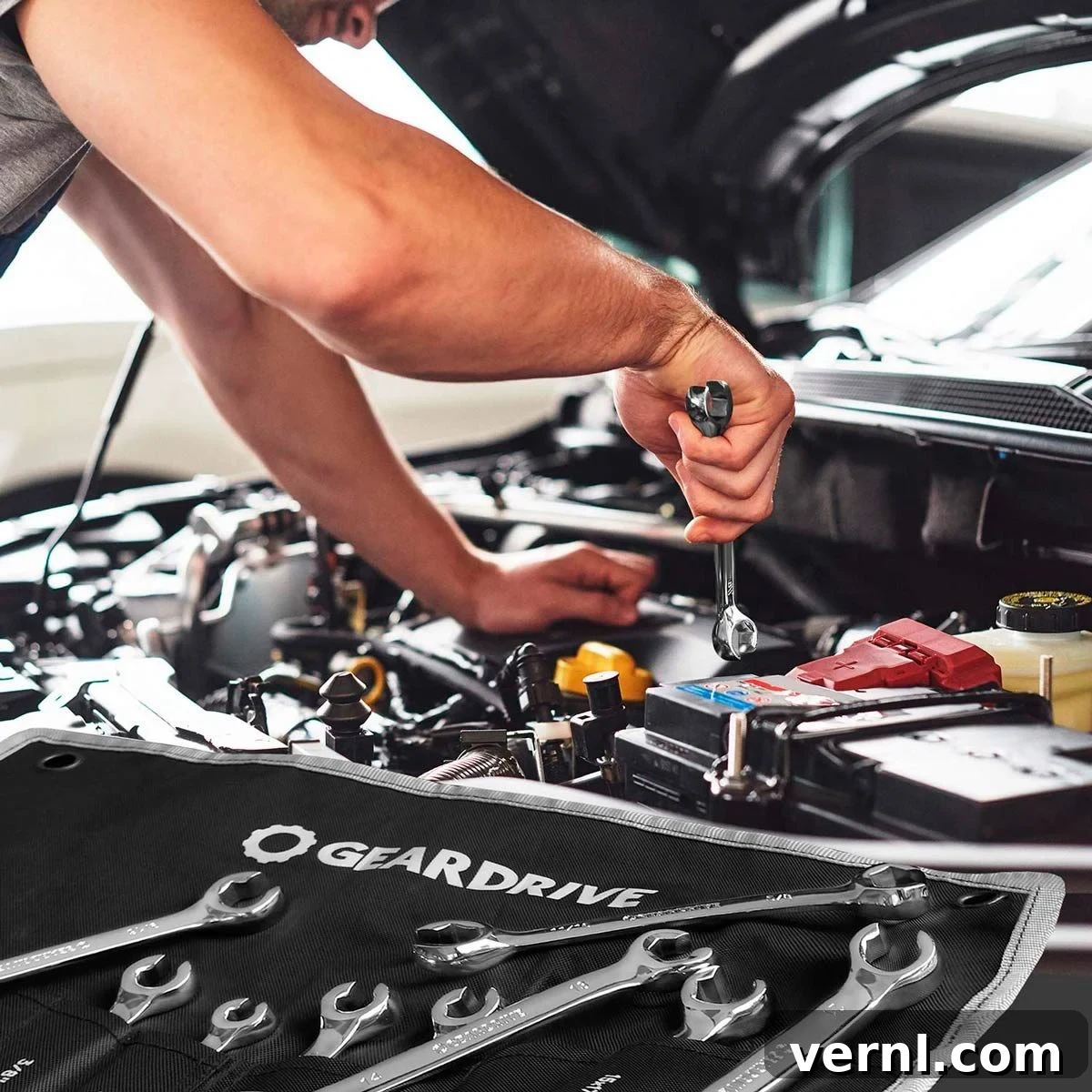
For any automotive enthusiast or professional mechanic, ensuring the integrity of a vehicle’s braking system is paramount. This critical component relies on a network of hydraulic lines, and when it comes to maintenance or repair, the right tools are indispensable. Among these specialized instruments, the brake line wrench — often known as a flare nut wrench or simply a line wrench — stands out as a fundamental necessity. While choosing the correct brake line wrench for your specific vehicle might seem daunting at first, understanding its unique design and application makes the selection process straightforward and essential for a successful, damage-free repair.
The temptation to use standard open-ended wrenches or even pliers for brake line fittings is common, especially for those new to automotive repair. However, as Alan Gelfand, owner of German Car Depot, wisely states, “People frequently use standard wrenches and pliers to try working with brake line fittings, but this approach usually ends in rounded nuts.” This seemingly minor misstep can quickly lead to stripped fittings, frustrating delays, and potentially costly repairs, compromising the safety and efficiency of your vehicle’s braking system. “Using the correct tool from the beginning produces fewer complications than trying to force improper tools on brake line fittings,” Gelfand emphasizes, highlighting the long-term benefits of proper tooling.
Modern vehicles typically feature metric brake line fittings, commonly ranging between 8mm and 17mm. Conversely, older American models often utilize SAE (Society of Automotive Engineers) sizes, usually found between 3/8″ and 5/8”. A significant advantage of many line wrenches is their dual-size design, with a different size on each end, effectively providing two tools in one. This guide will delve deeper into everything you need to know about selecting, using, and maintaining brake line wrenches to ensure your braking system repairs are performed safely and effectively.
Why a Special Brake Line Wrench Is Essential for Your Vehicle
The braking system in any vehicle operates under immense hydraulic pressure. The joints in these hydraulic lines are engineered with precision to distribute this pressure evenly, ensuring reliable and consistent braking performance. Standard wrenches, which often grip with a pinching or squeezing action, can exert uneven force on these delicate components. This can lead to crushing, deforming, or severely damaging the thin walls of the flare nuts and fittings, compromising the integrity of the hydraulic seal.
The design of a hydraulic brake line joint is unique and requires specific care. It begins with a process called ‘flaring,’ where the end of the brake line is carefully widened to create a funnel-like shape. This flared end then fits snugly over a complementary seat within the fitting, forming a secure, overlapped joint. Before the flare is created, a hollow component known as a flare nut is slipped onto the line. Once the line is flared and seated, this nut slides over the seated flare, gripping its lip and firmly pulling it against the seat as it’s threaded onto the main fitting. Both the flare nut and the fitting itself feature relatively thin walls, making them highly susceptible to damage from the concentrated pressure of standard wrenches that squeeze or pinch. Any deformation can lead to leaks, brake failure, and unsafe driving conditions.
Understanding the Unique Design of a Brake Line Wrench
So, what exactly sets a brake line wrench apart from your everyday wrench? The distinction lies in its specialized design, engineered to mitigate the risks associated with delicate brake line fittings.
A standard box wrench, while excellent for many fasteners, cannot be used on a brake line because its closed end prevents it from being slipped over the line itself. Open-ended wrenches, though they can engage the nut, often present another challenge. Many brake line joints are situated in cramped, hard-to-reach locations where the wrench simply doesn’t have enough room to swing widely enough to allow for repeated engagement without having to completely remove and reposition the tool, a task made even more difficult when dealing with seized or stubborn nuts.
Brake line wrenches, conversely, are designed with a specific opening that allows the brake line to pass through while engaging an impressive five of the six faces of the nut. This near-complete enclosure significantly increases the contact surface area between the wrench and the nut, providing a much more secure grip compared to the typical two-point contact offered by an open-ended wrench. This superior grip is crucial when dealing with nuts that are often tightly secured, corroded, or located in less-than-ideal positions.
Chris “Moose” Pyle, an automotive expert with JustAnswer, elaborates on this critical difference: “Brake line fittings are tightly secured, and they are under the vehicle, subject to rust and salt. You cannot get a socket or boxed-in wrench on them, and an open-ended wrench with only two contact areas will often round off the fitting, versus a line wrench, which contacts the fitting on all sides but one.” This extensive contact area is the primary mechanism by which flare nut wrenches prevent the rounding off of the soft metal found in many brake line nuts and fittings. Furthermore, the jaws of a quality brake line wrench are typically wider than those of a standard combination wrench, further distributing the force and minimizing the risk of damage. This specialized design ensures that torque is applied evenly and effectively, allowing for both loosening and tightening without compromising the integrity of the fitting.
Choosing the Right Brake Line Wrench for Your Vehicle and Application
Selecting the appropriate brake line wrench involves considering several factors, including the type of vehicle, the specific task, and the accessibility of the fitting.
Understanding Sizes: Metric vs. SAE
As previously mentioned, determining whether your vehicle uses metric or SAE fittings is the first step. Modern European and Asian vehicles predominantly use metric sizes (e.g., 8mm, 10mm, 11mm, 12mm, 13mm, 14mm, 17mm). Older American cars, particularly those manufactured before the 1980s, often use SAE or imperial sizes (e.g., 3/8″, 7/16″, 1/2″, 9/16″, 5/8″). Many brake line wrench sets include both metric and SAE options, making them a versatile investment for any serious DIYer or professional.
Exploring Wrench Styles and Their Applications
- Combination/Double-Ended Flare Nut Wrenches: These are the most common style, resembling a standard combination wrench but with the specialized flare nut opening. They typically feature different sizes at each end, offering versatility. The Geardrive 10-piece Flare Nut Wrench Set is a robust example, providing a wide range of sizes that go beyond just brake lines, making it excellent for fuel lines or HVAC projects as well. They are straightforward to use and suitable for most accessible brake line connections.
- Crowfoot-Style Flare Nut Wrenches: For those exceptionally tight or awkwardly positioned fittings where a straight-handled wrench cannot reach, crowfoot wrenches are invaluable. These specialized heads require a socket drive (typically 3/8-inch or 1/2-inch) for use. The Neiko Crowfoot Flare Wrench Set is a prime example, allowing you to attach it to a ratchet, extension bar, or torque wrench. This modularity provides unparalleled flexibility, enabling you to apply torque from various angles and effectively reach nuts that are otherwise inaccessible, such as those buried deep within engine bays or chassis.
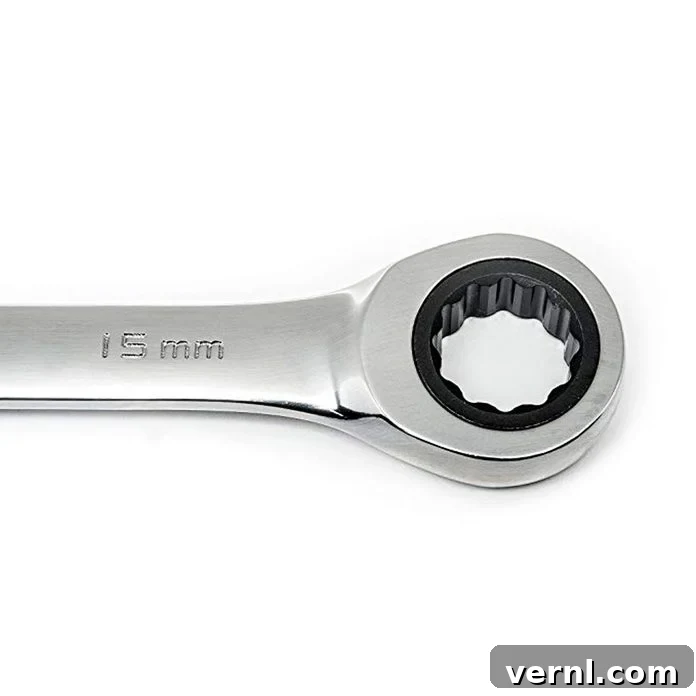
- Ratcheting-Style Flare Nut Wrenches: When working in extremely confined spaces, the ability to turn a nut without having to constantly lift and reposition the wrench is a huge time-saver. Ratcheting flare nut wrenches offer this convenience, providing a ratcheting mechanism within the specialized flare nut head. The E-Z Red 4-Piece Ratcheting Double Box Flare Nut Wrench Set is an excellent choice for such cramped brake line setups, significantly speeding up the process and reducing user fatigue.
Material, Quality, and Ergonomics
The durability and effectiveness of a brake line wrench are heavily influenced by its construction materials. Look for wrenches crafted from high-grade alloys such as chrome vanadium steel, known for its exceptional strength and resistance to bending under pressure. A chrome finish not only enhances the tool’s appearance but also provides crucial corrosion resistance, which is vital given the corrosive environments under vehicles. This finish also makes the tool easier to grip, even with greasy hands, and simplifies cleanup. Gelfand also recommends seeking out wrenches with a 15-degree offset head, explaining, “Low-cost wrenches tend to bend when used under pressure, increasing the chance of rounding the fittings.” He further advises, “The way jaws are designed plays an essential role. Brake line wrenches with precisely machined jaws and smooth edges deliver the best results because they protect the fitting surfaces from damage.” As Pyle aptly puts it, “A good tool is an extension of your hand, so buy good tools. They do not have to be the most expensive ones from a tool truck, but better than no-name stuff from Amazon.” Investing in quality tools prevents frustration and saves money in the long run by avoiding damaged parts and repeated purchases.
Using Brake Line Wrenches Safely and Effectively
Beyond choosing the right tool, proper technique is key to successful brake line work. Always ensure the wrench is fully seated on the nut before applying force. Apply steady, controlled pressure, pulling the wrench towards you rather than pushing, as this generally offers better leverage and control. When tightening, refer to your vehicle’s service manual for the correct torque specifications to avoid over-tightening, which can strip threads or crack fittings. Always wear appropriate personal protective equipment, including safety glasses and gloves, as brake fluid can be irritating and the working environment often presents hazards.
Common Mistakes to Avoid When Working with Brake Lines
To prevent costly damage and ensure safety, steer clear of these common pitfalls:
- Using the Wrong Tool: As repeatedly emphasized, standard open-end wrenches, adjustable wrenches, or pliers are a recipe for rounded nuts.
- Ignoring Corrosion: Rust and dirt can make fittings incredibly stubborn. Always clean the area thoroughly and apply penetrating oil if necessary before attempting to loosen a nut.
- Applying Excessive Force: If a nut doesn’t budge with reasonable force, investigate further. Forcing it will almost certainly cause damage.
- Over-tightening: While it might seem counter-intuitive, over-tightening brake line fittings can be as detrimental as under-tightening, leading to stripped threads, cracked lines, or distorted flare seats.
- Mixing Brake Fluids: Always use the correct type of brake fluid specified by your vehicle manufacturer and never mix different types.
FAQ
What if the brake line nut is stuck or rounded?
Dealing with a stuck or rounded brake line nut can be incredibly frustrating, but there are several strategies you can employ before resorting to more drastic measures. First, try liberally coating the entire fitting with a high-quality penetrating oil. Allow it to soak for a minimum of 20 minutes, or even longer for severely corroded nuts; sometimes an overnight soak can work wonders. The penetrating oil works to break down rust and corrosion, allowing the nut to free itself. If this doesn’t work, a small amount of carefully applied heat from a propane torch might do the trick. Heat causes the metal to expand, potentially breaking the rust bond. However, extreme caution is advised: keep the flame away from rubber components (like brake hoses and dust boots) and brake fluid, which is highly flammable. Always have a fire extinguisher nearby.
If these methods fail, Pyle suggests, “Often, a pair of vice grips can get a stubborn fitting to release.” Vice grips offer an incredibly strong, locking grip that can sometimes provide the necessary torque on a rounded nut where a conventional wrench would just slip. If all else fails and the fitting is severely damaged or seized, you may need to cut the end of the line off and use a new fitting along with a professional flaring tool to create a new double flare on the tip of the brake line. This ensures a fresh, undamaged sealing surface. Gelfand warns against trying to force damaged brake lines through rounded fittings, as this can lead to even more costly and dangerous problems. To prevent these issues from recurring, remember to apply a thin, even layer of anti-seize compound to the threads when reassembling the brake line connections. This will make future maintenance significantly easier.
Do I need a full set of brake line wrenches or just one?
While it might be tempting to purchase just one specific size if you’re only tackling a single repair, brake systems often incorporate various sized fittings throughout different components (e.g., master cylinder, calipers, ABS module). Therefore, relying on a single wrench might leave you unprepared for other connections you encounter. “The serious DIYer who performs vehicle work should invest in quality brake line wrenches with metric and SAE options to protect their fittings and prevent costly complications,” advises Gelfand. A comprehensive set ensures you have the right tool for every fitting, saving you trips to the parts store and preventing potential damage from using an ill-fitting wrench. For professional mechanics or dedicated DIYers, a full set is an indispensable investment that pays dividends in safety, efficiency, and component longevity.
Can I use an impact wrench on brake line fittings?
Generally, no. Impact wrenches deliver high, sudden bursts of torque, which are far too aggressive for the delicate nature of brake line fittings and flare nuts. Using an impact wrench significantly increases the risk of stripping threads, rounding off nuts, or even twisting the brake line itself, leading to dangerous leaks. Manual application of torque with a properly sized flare nut wrench or crowfoot wrench is always the recommended approach for brake line work, ensuring precision and preventing damage.
About the Experts
- Alan Gelfand has owned German Car Depot for over 30 years. His business operates as an independent automotive service center in Hollywood, Florida, specializing in the expert service and repair of German vehicles, bringing decades of hands-on experience to his advice.
- Chris “Moose” Pyle is a master-certified technician with over 20 years of extensive automotive experience. He serves as an auto expert on JustAnswer, an on-demand platform connecting users with verified specialists, where he shares his vast knowledge with a global audience.