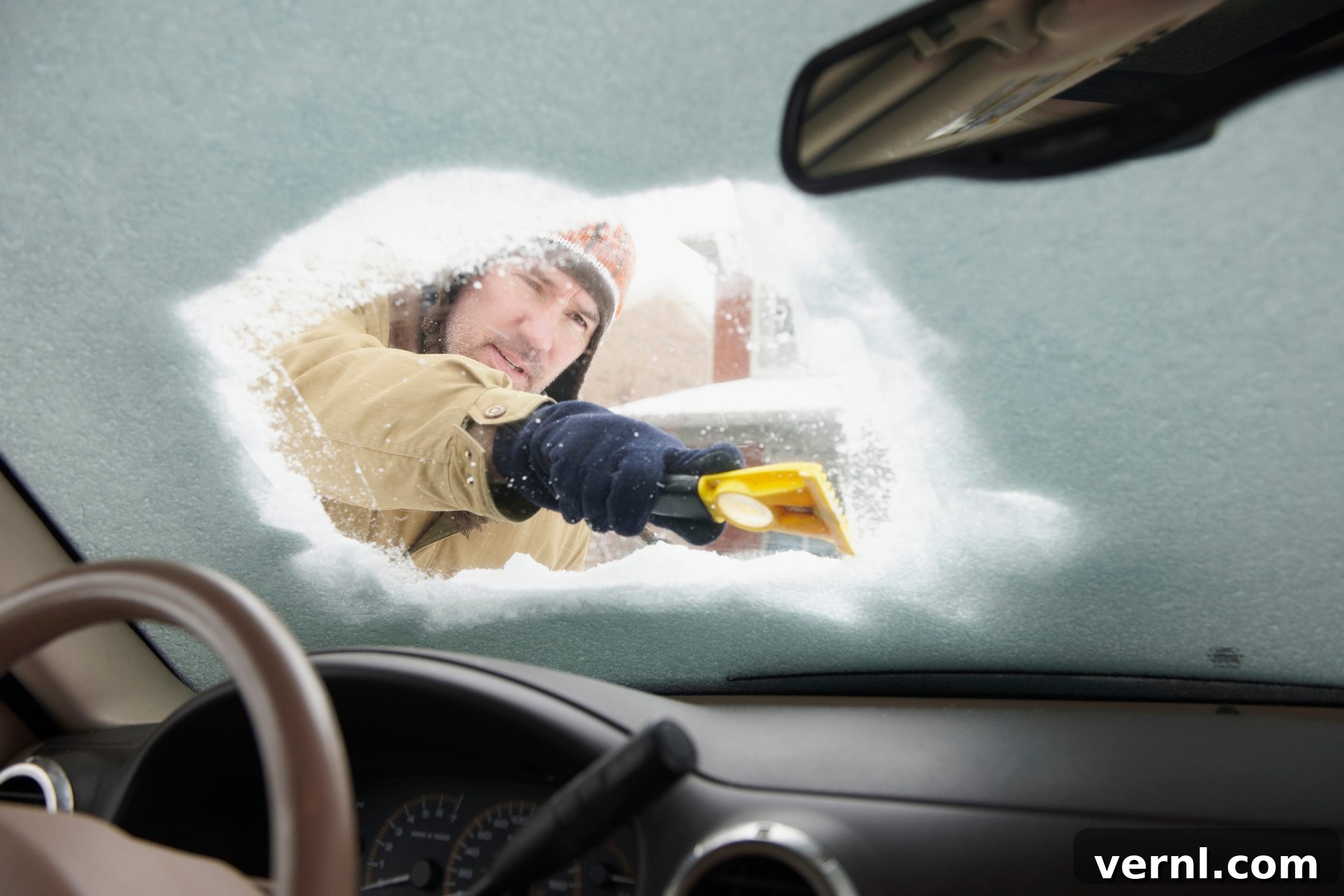
Ultimate Guide to Rapid Car Defrosting: Clear Your Windshield in Minutes
Waking up to a frosty, ice-covered windshield is a familiar frustration for anyone living in regions with cold winters. That thick blanket of snow and stubborn ice doesn’t just block your view; it delays your morning, puts a damper on your commute, and, most importantly, compromises your driving safety. While the traditional methods of scraping and idling might eventually get the job done, they often consume precious time you don’t have, especially when you’re rushing out the door. Imagine a world where you could clear your windshield quickly and efficiently, without endless scraping or waiting. You’re in luck! We’ve uncovered a game-changing hack, endorsed by automotive expert Alan Gelfand from German Car Depot, that promises to dramatically speed up your defrosting routine. Best of all, it uses components already in your car, meaning no extra tools or costly products are required. Alongside this brilliant trick, we’ll share a comprehensive array of other effective strategies to ensure you conquer winter’s icy grip and achieve crystal-clear visibility every time you hit the road. Say goodbye to prolonged waits and hello to swift, safe departures!
The Visor Trick: An Ingenious Hack for Faster Windshield Defrosting
Prepare to revolutionize your winter mornings with an incredibly simple yet highly effective defrosting hack that has garnered significant attention. Popularized by Instagram user @modernmilt, this method involves a minor adjustment before you even leave your vehicle for the night. The premise is astonishingly straightforward: simply flip your car’s sun visor down when you park your car at the end of the day. The following morning, when you start your vehicle and activate the heating system, you’ll be amazed to observe your windshield defrosting at a significantly accelerated pace.
To ensure this wasn’t just an urban legend, we consulted with automotive authority Alan Gelfand, owner of German Car Depot, who validated the science behind this seemingly magical trick. Gelfand explains, “Angling the visor down effectively modifies the airflow from your defroster vents. Instead of the warm air dispersing across the headliner, the lowered visor acts as a baffle, redirecting and concentrating that warm air. This creates a focused ‘pocket’ of heat that targets the windshield directly, dramatically improving the efficiency of the defrosting process.” This targeted heat application means less wasted energy and a much quicker melt for snow and ice, shaving valuable minutes off your morning routine. It’s a testament to how small, intelligent adjustments can yield substantial benefits, transforming a frustrating winter chore into a surprisingly simple task. This ingenious method can truly cut down the time it takes to get clear windows, proving that sometimes, the simplest solutions are the most profound.
You can see the original demonstration of this simple trick by Chris Milton (@modernmilt) on Instagram.
Beyond the Visor: Comprehensive Strategies for a Perfectly Clear Windshield
While the visor trick offers a fantastic head start, combining it with other proven methods will guarantee your windshield is ice-free and ready for the road in record time. Here are several expert-approved techniques to help you efficiently combat frost and ice, ensuring optimal visibility and safety throughout the challenging winter months.
The Rubbing Alcohol Solution: A Powerful DIY Defroster Spray
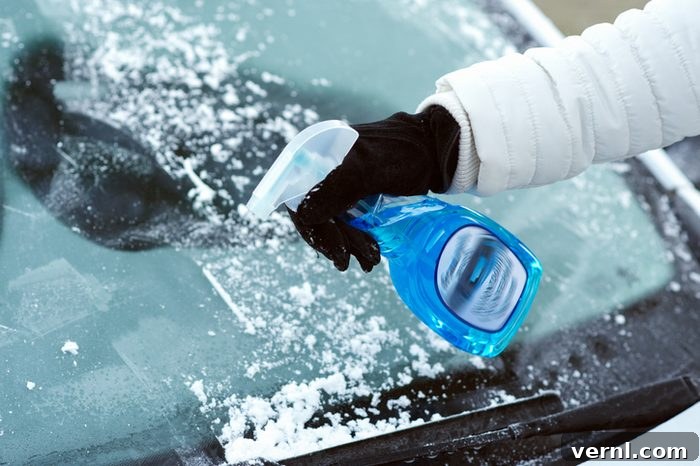
Among the most beloved and effective hacks for rapid defrosting is a simple homemade solution you can prepare in minutes. This ingenious spray leverages the unique properties of rubbing alcohol to melt ice almost instantly. To create your powerful defroster, simply combine one-third cup of water with two-thirds cup of rubbing alcohol in a standard spray bottle. Give the bottle a good shake to ensure the liquids are thoroughly mixed. Once prepared, liberally spray this solution directly onto your icy windshield. Within moments, you will witness the ice and frost beginning to dissolve, making it incredibly easy to wipe away any lingering residue.
The scientific principle behind this hack is straightforward yet highly effective: rubbing alcohol possesses a significantly lower freezing point than water (typically around -128°F or -89°C, depending on the concentration). When applied to the ice, the alcohol rapidly lowers the freezing point of the water molecules in the ice, causing them to transition from solid to liquid much faster. This not only accelerates the melting process but also leaves a residue on the glass that temporarily makes it less likely for new ice to form immediately, offering a brief period of protection. This method is exceptionally efficient for those facing a thick layer of ice and needing a quick, reliable solution without resorting to potentially damaging techniques. Learn more about defrosting car windows in seconds.
Optimizing Your Car’s Built-In Defrost System
Your car’s internal defrost setting is, of course, a primary tool designed specifically for this purpose. However, many drivers don’t fully optimize its use. For the most efficient defrosting, start your car and immediately turn on the defroster to full heat and maximum fan speed. Direct the airflow specifically to the windshield. Crucially, turn off the recirculation mode; using fresh air (external intake) will help dry out the cabin and prevent interior fogging, which often accompanies defrosting. While your car’s defroster works by gradually heating the glass, combining it with the visor trick or the rubbing alcohol spray can dramatically enhance its performance, reducing the overall time required to achieve a perfectly clear view. Allow the system a few minutes to warm up and work its magic before attempting to scrape. Patience, combined with these other methods, will yield the best results.
The Role of Plastic Scrapers and Commercial Defroster Fluids
For tackling stubborn layers of ice or completing the defrosting process, store-bought tools remain invaluable. A high-quality plastic ice scraper is an essential winter accessory. When using a scraper, always apply gentle, even pressure and push the ice away from you, working from the top down. Exercise extreme caution to avoid scratching your windshield; never use metal tools or anything abrasive. Scratches not only impair visibility but can also weaken the glass. Alternatively, commercial windshield defroster fluids, readily available at any auto supply store, offer a convenient and effective solution. These pre-formulated sprays are designed to quickly melt ice on contact and can be a lifesaver on particularly severe frosty mornings. They often contain chemical compounds that lower the freezing point of water, much like the rubbing alcohol solution, providing a rapid melting action without the risk of damage associated with harsh scraping. For more tips on removing ice from your windshield, check out our detailed guide.
Prevention is Key: Minimize Ice Formation
The best way to deal with an icy windshield is to prevent it from forming in the first place. Several proactive measures can significantly reduce the amount of ice accumulation overnight. Consider investing in a quality windshield cover. These covers are inexpensive, easy to apply, and act as a physical barrier, preventing snow and ice from settling directly on your glass. Simply place it over your windshield when you park for the night and remove it in the morning to reveal a clear, frost-free surface. Another simple trick is to park your car facing east if possible. The rising sun’s first rays in the morning can provide a natural, gentle defrosting effect, helping to melt away lighter layers of frost before you even step outside. Even covering your wipers with old socks can prevent them from freezing to the windshield, saving you time and potential damage. Preventing interior fogging is also crucial, so don’t forget to look up how to defog your windshield for the icy months!
Defrosting Don’ts: Mistakes to Avoid
While the goal is quick defrosting, it’s equally important to avoid methods that can cause serious damage to your vehicle or pose safety risks. Never pour hot water directly onto your windshield. The sudden, extreme temperature change can cause the glass to crack or even shatter, leading to costly repairs. Similarly, avoid using metal scrapers, spatulas, or any other sharp objects that can permanently scratch the glass, impairing visibility and creating weak spots. Resist the urge to use your wipers to clear thick ice; they are not designed for this and can be damaged, or their rubber blades can be torn, reducing their effectiveness for rain. Finally, don’t drive with a partially defrosted windshield. Limited visibility is a major safety hazard, increasing the risk of accidents. Always ensure your entire windshield and all windows are fully clear before you begin your journey.
Frequently Asked Questions About Car Defrosting
Can defrosting methods damage a windshield?
Yes, improper defrosting methods can indeed damage your windshield. Rapid and extreme temperature changes, such as pouring boiling hot water or using a hair dryer on its highest setting, can cause thermal shock. This shock can lead to cracks or even shattering of the glass due to uneven expansion. Likewise, using metal scrapers, abrasive sponges, or any sharp tools can inflict permanent scratches on the glass surface, compromising visibility and potentially weakening the windshield’s structural integrity. Always opt for gradual heating, specialized defrosting sprays, or plastic scrapers to ensure the safety and longevity of your windshield.
How do I safely remove ice chunks from my windshield wipers?
Removing ice from windshield wipers requires a gentle approach to prevent damage. First, avoid pouring hot water directly onto them while they are stuck to the windshield, as this can still affect the glass or warp the wiper blades. Instead, use a plastic ice scraper to carefully chip away as much ice as possible from around the base and arms of the wipers. Once they are mostly freed, you should be able to gently lift them away from the windshield. Continue scraping off the remaining ice from the blades themselves. After clearing the bulk of the ice, turn on your car’s defroster system and set your wipers back down. Run them at a slow speed, allowing the residual heat from the defroster to melt any remaining ice and help the wipers regain their flexibility. This gradual method minimizes stress on the wiper motor and blades. Find out why people leave their windshield wipers up in the winter.
How long does it typically take to defrost a car windshield?
The time it takes to fully defrost a car windshield can vary significantly based on several factors, including the ambient temperature, the thickness of the ice or frost, and the efficiency of your vehicle’s defroster system. On a moderately frosty morning, using just your car’s defroster might take anywhere from 10 to 20 minutes. However, by employing the accelerated methods discussed in this guide, such as the visor trick or the rubbing alcohol spray, you can drastically reduce this time to as little as 3 to 5 minutes for lighter frost, and perhaps 5 to 10 minutes for thicker ice. Combining multiple techniques, like a preventative cover followed by a quick spray and the car’s defroster, offers the fastest results.
Can I use saltwater to defrost my windshield?
While salt does lower the freezing point of water, using saltwater to defrost your windshield is generally not recommended. Although it might melt the ice, the salt solution can leave a hazy residue on your glass once it dries, which can impair visibility. More importantly, saltwater is corrosive and can cause damage to your car’s paint, trim, and other metal components over time. It can also dry out rubber seals and wiper blades, leading to premature wear. The rubbing alcohol solution is a far safer and more effective alternative that won’t harm your vehicle’s surfaces.
What’s the best way to prevent interior window fogging during winter?
Interior fogging occurs when warm, moist air inside your car comes into contact with the cold glass of your windows. To combat this, always ensure your car’s air conditioning (AC) is on, even in winter, when you use the defroster. AC units dehumidify the air, making it less likely to condense on cold surfaces. Additionally, select the “fresh air” (external air intake) setting instead of recirculation, as fresh air is typically drier than the air already inside your cabin. Keeping your windows clean on the inside also helps, as dirt and grime provide surfaces for condensation to cling to. Finally, if your car has a “defog” button specifically for the rear window, use it.
About the Expert
- Alan “Ollie” Gelfand is the esteemed owner of German Car Depot, a distinguished independent automotive service center. His expertise lies in the specialized service and repair of German-engineered vehicles, bringing invaluable insight into automotive care and maintenance, particularly for challenging winter conditions.
Embrace Winter with Confidence: Clear Views, Safe Drives
Conquering the challenges of winter driving begins with a clear line of sight, and as we’ve explored, achieving that doesn’t have to be a battle against the clock or the elements. From the surprising efficacy of the simple visor trick, validated by automotive experts, to the rapid melting power of a homemade rubbing alcohol spray, and the optimized use of your car’s built-in defroster, you now possess a comprehensive arsenal of strategies to tackle even the most stubborn frost and ice. Coupled with smart preventative measures like windshield covers and an awareness of common defrosting pitfalls, you are well-equipped to make frosty mornings a thing of the past.
Remember, visibility isn’t just a convenience; it’s a critical component of road safety. By integrating these efficient and safe defrosting methods into your winter routine, you’ll not only save precious time but also ensure that every journey begins with optimal clarity, reducing stress and enhancing your peace of mind behind the wheel. Drive safely and confidently, knowing your windshield will be clear, no matter what winter throws your way!