
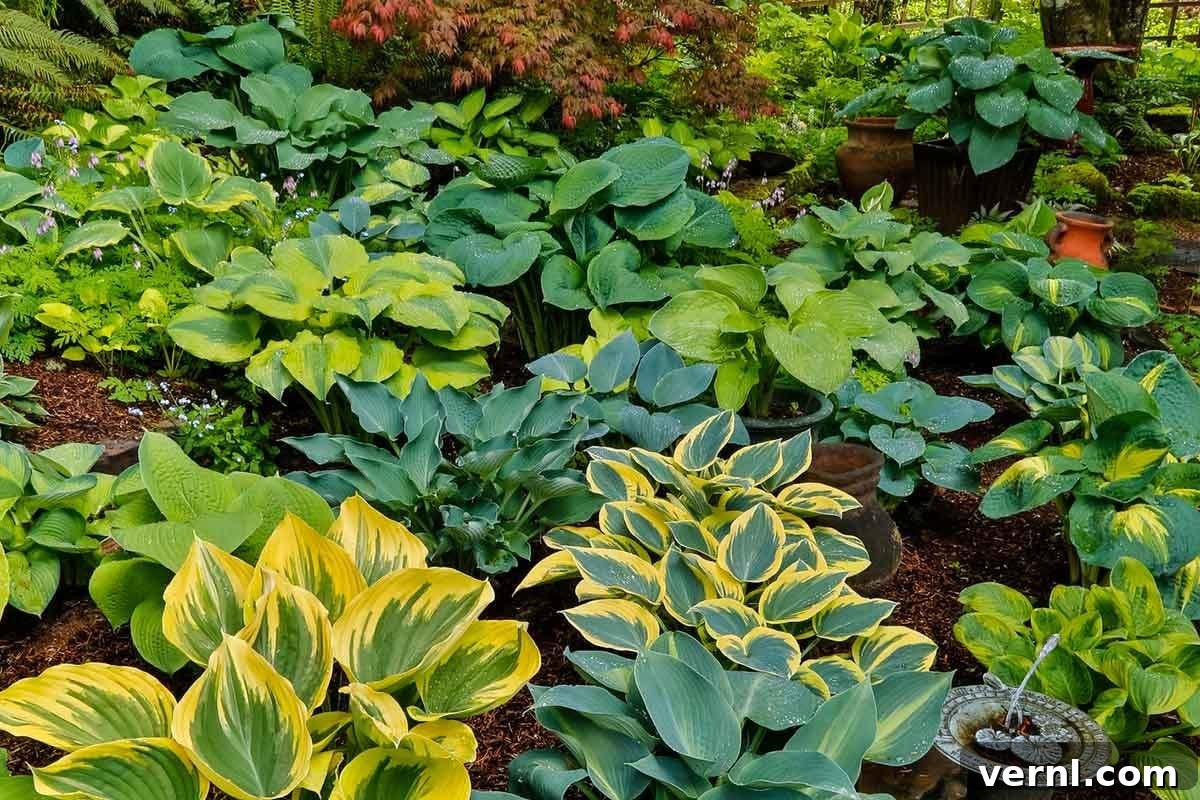
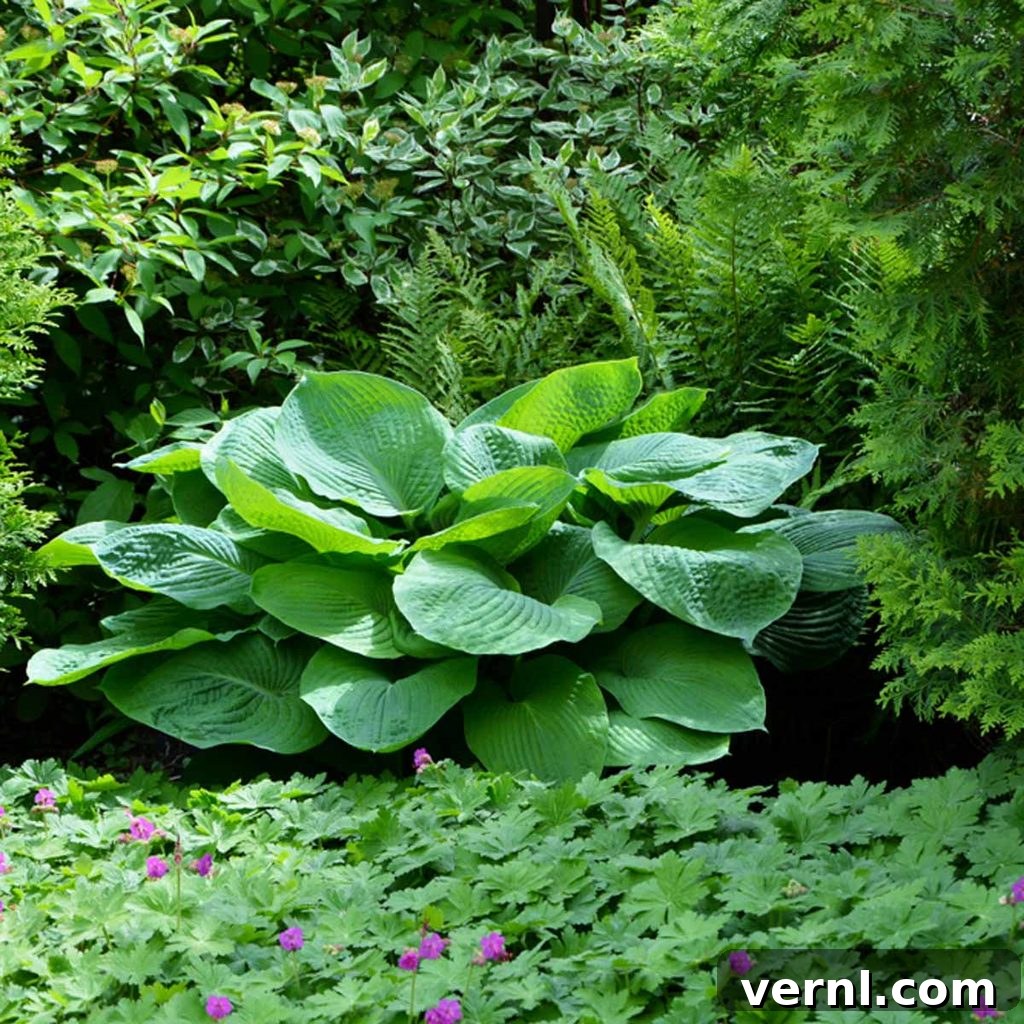
Hostas, often referred to as the “queens of the shade garden,” are undoubtedly one of the most beloved and versatile perennial plants for landscaping. Their captivating foliage, which comes in an astounding array of shapes, sizes, textures, and colors, makes them a centerpiece in any shaded retreat. As an avid gardener, I’ve found immense joy in cultivating these unique and relatively low-maintenance plants. From vibrant greens and deep blues to radiant golds and intricate variegated patterns, hostas offer an unparalleled visual feast, transforming dimly lit corners into lush, inviting spaces.
While hostas are generally considered easy to grow, cultivating them successfully does come with its unique set of challenges. My primary battles typically involve safeguarding these leafy treasures from common garden pests like deer, rabbits, and slugs, all of whom seem to share my appreciation for hostas. Despite these hurdles, the effort required to maintain these beautiful, low-growing plants in my shade gardens is always well worth it. Another delightful, albeit challenging, aspect is selecting which hosta varieties to plant, given the overwhelming number of options available.
Sharon Yiesla, a distinguished Plant Knowledge Specialist at the Plant Clinic at The Morton Arboretum, echoes this sentiment. “It can be hard to choose a cultivar because there are literally thousands of them. So it’s a good idea to make a list of the characteristics you want in a hosta before you select one,” she advises. This thoughtful approach ensures that the hostas you choose will thrive in your specific garden environment and align with your aesthetic vision. Once you’ve navigated the exciting world of hosta selection, the next crucial step is to provide them with the optimal conditions for growth, setting the stage for a flourishing and vibrant shade garden.
Choosing the Perfect Hosta: A Guide to Thousands of Varieties
The world of hostas is incredibly diverse, offering an astonishing range of options that can fit nearly any garden design or personal preference. With thousands of cultivars available, making a selection can feel overwhelming, yet it’s also part of the fun. To simplify this process, consider what attributes are most important to you. Are you looking for a tiny specimen to tuck into a rock garden, or a gigantic statement plant to anchor a large bed? Do you prefer the serene beauty of blue foliage, the brightness of gold, or the intricate patterns of variegation?
Hosta leaves vary dramatically in shape, from heart-shaped and rounded to lance-like and elongated. Their textures are equally diverse, ranging from smooth and glossy to deeply puckered, corrugated, or even heavily ribbed. Each texture catches light differently, adding another layer of visual interest to your garden. Furthermore, hostas are available in a spectrum of sizes, categorized as miniature, small, medium, large, and giant. Understanding these classifications will help you select plants that will fit perfectly into your available space and complement their neighboring plants without overcrowding.
Before you even step foot in a nursery or browse online catalogs, follow Sharon Yiesla’s expert advice: make a detailed wish list. Think about the specific microclimates in your garden, the amount of light each area receives, and the overall aesthetic you aim to achieve. Some hostas are known for their vigorous growth, quickly filling out a space, while others are slower to establish, offering a more controlled spread. By narrowing down your preferences based on size, color, texture, and growth habit, you can approach the selection process with clarity and confidence, ensuring you bring home the perfect hostas for your garden.
Understanding Hosta Hardiness: Zones and Climate Considerations
Successfully growing hostas begins with understanding their climatic requirements. Most hostas flourish best within USDA Hardiness Zones 3 to 8, with a select few varieties demonstrating tolerance for Zone 9. These zones encompass a vast majority of the United States, making hostas accessible to gardeners across diverse geographical regions. The key to this hardiness range lies in the hosta’s need for a distinct period of cold and wet weather.
This essential dormancy period, during which the plant rests and recharges, is critical for hosta health and robust growth in the subsequent season. Without sufficient chilling, hostas may fail to emerge vigorously in spring or may exhibit stunted growth. This requirement effectively rules out success in warmer desert regions or areas that do not experience a sustained cold winter. Gardeners in Zone 9, while able to grow some varieties, may need to provide additional care, such as consistent moisture and deep shade, to mitigate the effects of longer, hotter summers.
Conversely, those in colder zones (e.g., Zone 3) can still enjoy hostas, sometimes even more successfully, as the extended cold ensures proper dormancy. It’s also important to consider microclimates within your garden. A sheltered spot near a building or under a dense canopy of trees might offer slightly different conditions than an open area, potentially expanding your hosta options. Always check the specific hardiness rating for each hosta cultivar you consider, as some are more resilient to temperature extremes than others.
The Ideal Hosta Habitat: Light, Soil, and Moisture Requirements
Setting your hostas up for success hinges on providing them with the right environmental conditions, particularly regarding light, soil, and moisture. These three factors are paramount to ensuring your hostas not only survive but truly thrive, displaying their full beauty and vigor.
Optimal Light Conditions for Hostas
Hostas are renowned as shade plants, and generally, “partial to full shade” is their preferred light exposure. Partial shade typically means an area that receives 2-4 hours of direct sunlight, usually in the morning, followed by shade in the afternoon. Full shade implies less than 2 hours of direct sunlight per day, often filtered or dappled light throughout the day. While most hostas revel in these conditions, it’s crucial to understand that not all shade is created equal.
Blue-leaved hostas, for example, develop their distinctive blue hue from a waxy coating on their leaves, which can melt away in too much direct sun, turning the leaves green. Conversely, many gold or yellow-leaved hostas, as well as those with thicker leaves, can tolerate more sun, and in some cases, their colors actually intensify with a few hours of morning sun. Cultivars like ‘Liberty’ and ‘August Moon’ are excellent examples of sun-tolerant hostas, developed specifically to handle brighter conditions without scorching. However, even these varieties benefit from protection from intense afternoon sun, which can still lead to leaf burn and stress.
Perfecting the Soil: Drainage and Nutrients
The foundation of healthy hosta growth lies in their soil. Hostas thrive in loamy, rich, well-draining soil with a slightly acidic pH between 6.0 to 7.0. Loamy soil is an ideal balance of sand, silt, and clay, offering good aeration and moisture retention. Rich soil implies a high content of organic matter, which provides essential nutrients and improves soil structure. To achieve this, incorporate plenty of compost, well-rotted manure, or other organic amendments into your garden beds before planting. This enriches the soil and fosters a healthy microbial environment.
Excellent drainage is non-negotiable for hostas. They despise “wet feet,” meaning prolonged periods in waterlogged soil, which can quickly lead to root rot – a common killer of hostas. If you have heavy clay soil, amending it heavily with organic matter will improve drainage. For sandy soils, organic matter will help retain vital moisture and nutrients. A simple test is to dig a hole and fill it with water; if it drains within a few hours, your drainage is likely adequate.
Consistent Moisture for Lush Growth
Beyond soil type, consistent moisture is a critical factor for hostas. As Yiesla emphasizes, they “grow best in partial to full shade, with consistent soil moisture.” This doesn’t mean perpetually soggy soil, but rather soil that never completely dries out. Hostas are thirsty plants, especially during their active growing season in spring and summer. Deep, infrequent watering is generally preferred over shallow, frequent watering, as it encourages roots to grow deeper, making the plant more resilient to dry spells.
Mulching around your hostas with 2-3 inches of organic material such as shredded bark, leaves, or pine needles can significantly help in maintaining consistent soil moisture. Mulch also suppresses weeds, which compete for water and nutrients, and moderates soil temperature, protecting roots from extreme heat or cold. During periods of drought or intense heat, pay extra attention to watering, ensuring the soil remains moist to the touch several inches down.
Providing Ample Space
Finally, remember that hostas need space to spread out. While they may start small, many cultivars can grow quite large, developing impressive mounds of foliage. Do not plant them in an already crowded garden where they will compete for light, water, and nutrients. Research the mature size of your chosen hosta varieties and give them adequate room to grow to their full potential. Proper spacing ensures good air circulation, which can help prevent fungal diseases, and allows each plant to be admired for its individual beauty.
Battling Pests: Protecting Your Hostas from Deer, Rabbits, and Slugs
While hostas are relatively easy to grow, they are also a favorite snack for several garden pests. The lush, tender leaves are particularly appealing to deer, rabbits, and slugs. Protecting your hostas from these unwelcome visitors is an ongoing but manageable part of hosta care. Thankfully, there are several strategies you can employ to minimize damage and keep your hostas looking pristine.
Deterring Deer and Rabbits
Deer and rabbits can decimate a hosta patch overnight. For deer, physical barriers like fencing are the most effective solution, though they need to be quite tall (at least 8 feet) to be truly deer-proof. For rabbits, a shorter fence of 2-3 feet can be sufficient. If fencing isn’t practical or desirable, repellents can offer a temporary solution. Commercial deer and rabbit repellents, often made from foul-smelling or bad-tasting ingredients, need to be reapplied regularly, especially after rain. Some gardeners find success with homemade remedies involving strong scents like garlic, hot pepper, or soap, though their efficacy varies. Companion planting with strong-scented plants that deer and rabbits dislike (e.g., lavender, chives, marigolds) around your hostas can also act as a deterrent, creating a less inviting environment for these browsers.
Conquering Slugs and Snails
Slugs and snails are perhaps the most common and persistent enemies of hostas, leaving behind characteristic holes and slime trails on the leaves. Their damage can quickly diminish the beauty of your plants. One of the simplest methods is hand-picking. Armed with a flashlight, venture into your garden after dark or in the early morning when slugs are most active, and remove them manually. For a more passive approach, consider slug baits, available in both organic (iron phosphate-based) and chemical formulations. Always follow product instructions carefully to ensure safety for pets and wildlife.
Other popular methods include beer traps (shallow dishes filled with beer, which attracts and drowns slugs), barriers of crushed eggshells, diatomaceous earth, or copper tape around the base of plants, which slugs are reluctant to cross. Perhaps the most effective long-term strategy for slug control is choosing slug-resistant hosta varieties. These cultivars typically have thicker, more corrugated, or textured leaves that are less palatable to slugs. Examples include ‘Elegans’, ‘Sum and Substance’, and ‘Halcyon’.
Other Considerations: Hosta Virus X (HVX) and Root Rot
Beyond animal pests, hostas can also be susceptible to Hosta Virus X (HVX), a viral disease that causes discoloration, streaking, and distorted growth. There is no cure for HVX, so affected plants should be promptly removed and destroyed to prevent its spread. Always purchase hostas from reputable nurseries to ensure they are virus-free. Additionally, as mentioned earlier, root rot can occur in poorly draining, waterlogged soil. Ensuring proper soil drainage and avoiding overwatering are crucial preventative measures against this fungal issue.
Top Hosta Picks: Easy-to-Grow and Visually Stunning Varieties
With thousands of hosta varieties available, it can be challenging to narrow down the choices. However, focusing on ease of growth and striking visual appeal can simplify the decision-making process. Some hostas are particularly forgiving and resilient, making them excellent choices for both novice and experienced gardeners.
One perennial favorite known for its robustness is ‘Elegans’. This magnificent cultivar boasts large, heavily textured, blue-green leaves and exhibits good slug resistance, thanks to its thick foliage. It thrives in dry shade, making it a versatile option for challenging garden spots. Beyond ‘Elegans’, the sheer variety of leaf colors and patterns offers endless possibilities for creating captivating garden compositions. “Hostas come in green, blue, gold and mixtures of colors in many patterns,” Yiesla explains. “Those with patterns in them may have green leaves with cream, white or yellow margins (leaf edges) or leaves with cream, yellow or white in the middle of the leaves.”
Stunning Blue Hostas
Blue-leaved hostas are highly prized for their cool, serene tones, which are particularly effective in calming a shade garden. The blue color is due to a natural waxy coating called a glaucous bloom on the leaves. To preserve this blue, these varieties generally require more shade, as direct sunlight can melt the wax, causing the leaves to appear greener. Yiesla suggests several excellent blue cultivars: ‘Blue Hawaii’, known for its large, heart-shaped blue leaves; ‘Blue Mouse Ears’, a charming miniature hosta with thick, rounded blue leaves perfect for containers or rock gardens; ‘Blueberry Muffin’, with heavily textured, intensely blue foliage; and ‘Halcyon’, a classic medium-sized hosta with striking blue leaves that retain their color well and show good slug resistance. Other popular blue hostas include ‘Big Daddy’ and ‘Love Pat’, both featuring deeply corrugated, cup-shaped blue leaves.
Radiant Gold and Yellow Hostas
For gardeners looking to brighten up shady areas, gold and yellow-leaved hostas are an excellent choice. Their vibrant hues can range from chartreuse to deep gold, and many actually benefit from a few hours of morning sun, which can intensify their color. Yiesla recommends ‘Fire Island’, a medium-sized hosta that emerges bright yellow in spring; ‘Munchkin Fire’, a smaller, vibrant gold variety; and ‘Dancing Queen’, which displays stunning ruffled, bright yellow leaves. Other magnificent gold hostas include ‘Sum and Substance’, a giant cultivar known for its immense, smooth, golden-chartreuse leaves, and ‘Sun Power’, which forms a large, upright mound of brilliant gold foliage.
Classic Green and Variegated Hostas
While often overlooked, green hostas form the backbone of many shade gardens, providing a lush backdrop for other colors and textures. Varieties like ‘Plantaginea’ are known for their fragrant white flowers in late summer, a rare and delightful trait among hostas. Variegated hostas offer perhaps the most dramatic visual interest, combining multiple colors in intricate patterns. These can include green leaves with cream, white, or yellow margins (e.g., ‘Patriot’, ‘Francee’, ‘Wide Brim’), or leaves with a lighter center and a darker margin (e.g., ‘Gold Standard’, whose yellow center brightens with more light). Streaked and speckled varieties also add unique flair.
“Make your wish list and then look for cultivars that meet all your needs,” Yiesla advises. “Between local garden centers and online stores, you can find a hosta that fulfills all your wants.” Remember to consider not just color, but also leaf texture (smooth, puckered, corrugated), size (from tiny ‘Little Blue Mouse’ to the majestic ‘Empress Wu’), and overall growth habit to ensure your chosen hostas will thrive and bring lasting beauty to your garden.
Planting and Establishing Your Hostas: Timing and Techniques
Proper planting and initial care are crucial for establishing a robust and healthy hosta. While hostas are known for their resilience, giving them the best start will ensure they flourish for years to come.
Optimal Planting Times
According to Miracle Gro, the best times of year to plant hostas are early spring and early fall. Planting during these periods allows the plants to establish their root systems without the stress of extreme temperatures. In early spring, as soon as the danger of hard frost has passed and the soil is workable, hostas can be planted. This gives them a full growing season to settle in before winter. Early fall planting, typically six weeks before the first hard frost, is also ideal. The cooler temperatures and often increased rainfall provide excellent conditions for root development, and the plants will be well-established before their winter dormancy.
While early spring and early fall are preferred, hostas are quite forgiving. If you find yourself planting outside these optimal windows, perhaps in late spring or early summer, a good initial watering and diligent follow-up care can still lead to success. Avoid planting during the hottest parts of summer if possible, as the combination of high temperatures and intense sun can be very stressful for newly planted hostas.
Planting Techniques
When you’re ready to plant, prepare the site by digging a hole that is twice as wide as the hosta’s root ball and about the same depth. This wider hole allows the roots to spread out easily into the loosened soil. Amend the excavated soil with plenty of organic matter, such as compost or aged manure, especially if your soil is heavy clay or very sandy. Gently remove the hosta from its container and carefully loosen any circling roots at the bottom of the root ball. Place the hosta in the center of the hole, ensuring that the crown (where the leaves emerge from the roots) is level with or slightly above the surrounding soil surface. Backfill the hole with the amended soil, gently firming it around the roots to remove any air pockets.
Initial and Ongoing Care
Immediately after planting, water your hosta thoroughly. This helps settle the soil around the roots and provides much-needed moisture. For the first few weeks, especially if the weather is warm and dry, ensure the soil remains consistently moist. New roots are developing, and consistent hydration is critical for successful establishment. Once established, most hostas benefit from a balanced, slow-release granular fertilizer applied in early spring as new growth emerges. Avoid over-fertilizing, as this can lead to lush but weak growth. In the fall, after the first hard frost, the foliage will typically turn yellow and die back. You can cut back the dead foliage to ground level, which helps to minimize hiding places for slugs and prevent fungal issues.
Hostas are also excellent candidates for division every few years, especially if they become overcrowded or if you want to propagate more plants. The best time to divide hostas is in early spring as new shoots are just beginning to emerge, or in early fall. Carefully dig up the clump, divide it into smaller sections using a sharp knife or spade, ensuring each section has several ‘eyes’ (growth points) and a healthy root system, and then replant them in prepared sites.
Frequently Asked Questions (FAQ) About Hostas
What type of soil do hostas like?
Hostas thrive in loamy, rich, well-draining soil with a slightly acidic pH, ideally between 6.0 and 7.0. The soil should be high in organic matter, which helps retain moisture while preventing waterlogging. Amending heavy clay soils with compost and improving sandy soils with organic material will create the ideal growing environment.
How big do hostas get?
Hosta sizes vary dramatically, making them suitable for diverse garden spaces. “There are some hostas that are tiny enough to fit in the smallest garden, like ‘Lucky Mouse’, ‘Wonderful’ and ‘Baby Booties’,” Yiesla notes. These miniature varieties typically grow only a few inches tall and wide. “Other cultivars may be two to three feet wide, and ‘Empress Wu’ can grow five to six feet wide,” she adds. This giant hosta stands over 3-4 feet tall and can dominate a landscape with its massive, corrugated leaves, making a dramatic statement.
Do hostas need full shade?
Not necessarily. While most hostas prefer partial to full shade, the specific light requirements vary by cultivar. Many varieties thrive in partial shade (2-4 hours of morning sun). Some gold or yellow-leaved hostas and those with thicker leaves can tolerate more sun, often enhancing their color. However, all hostas generally benefit from protection from intense afternoon sun, which can scorch their leaves, particularly for blue-leaved varieties.
How often should I water hostas?
Hostas require consistent moisture, especially during their active growing season. The frequency of watering depends on your climate, soil type, and current weather conditions. A good rule of thumb is to water deeply once or twice a week, or more frequently during hot, dry spells, ensuring the soil remains moist but not waterlogged. Check the soil moisture by inserting your finger a few inches deep; if it feels dry, it’s time to water.
Can hostas be grown in pots?
Yes, hostas are excellent container plants, especially the smaller and miniature varieties. When growing hostas in pots, choose a container that is large enough to accommodate the mature size of the plant and has ample drainage holes. Use a high-quality potting mix that drains well and retains moisture. Potted hostas may require more frequent watering than those in the ground, as pots tend to dry out faster. In colder zones, containerized hostas may need winter protection to prevent the root ball from freezing solid.
When do hostas bloom?
Hostas typically bloom in mid to late summer, usually between June and August, depending on the cultivar and climate. Their flowers are often bell-shaped or trumpet-shaped, appearing on tall scapes that rise above the foliage. Hosta flowers come in shades of lavender, purple, or white. While most hostas are grown for their foliage, some varieties, like Hosta plantaginea, produce fragrant flowers that add an extra dimension to the garden.
How to divide hostas?
Dividing hostas is a simple way to propagate new plants and rejuvenate older, overcrowded clumps. The best time to divide is in early spring as the new “pips” (shoots) begin to emerge, or in early fall. Carefully dig up the entire clump, then use a sharp spade or knife to cut the crown into sections, ensuring each section has at least 2-3 “eyes” (growth points) and a healthy portion of roots. Replant the divisions immediately, following the same planting guidelines for new hostas, and water them well.
About the Expert
- Sharon Yiesla is a Plant Knowledge Specialist at The Morton Arboretum, an institution dedicated to planting and protecting trees and other plants. Her expertise provides invaluable insights into cultivating thriving gardens.