
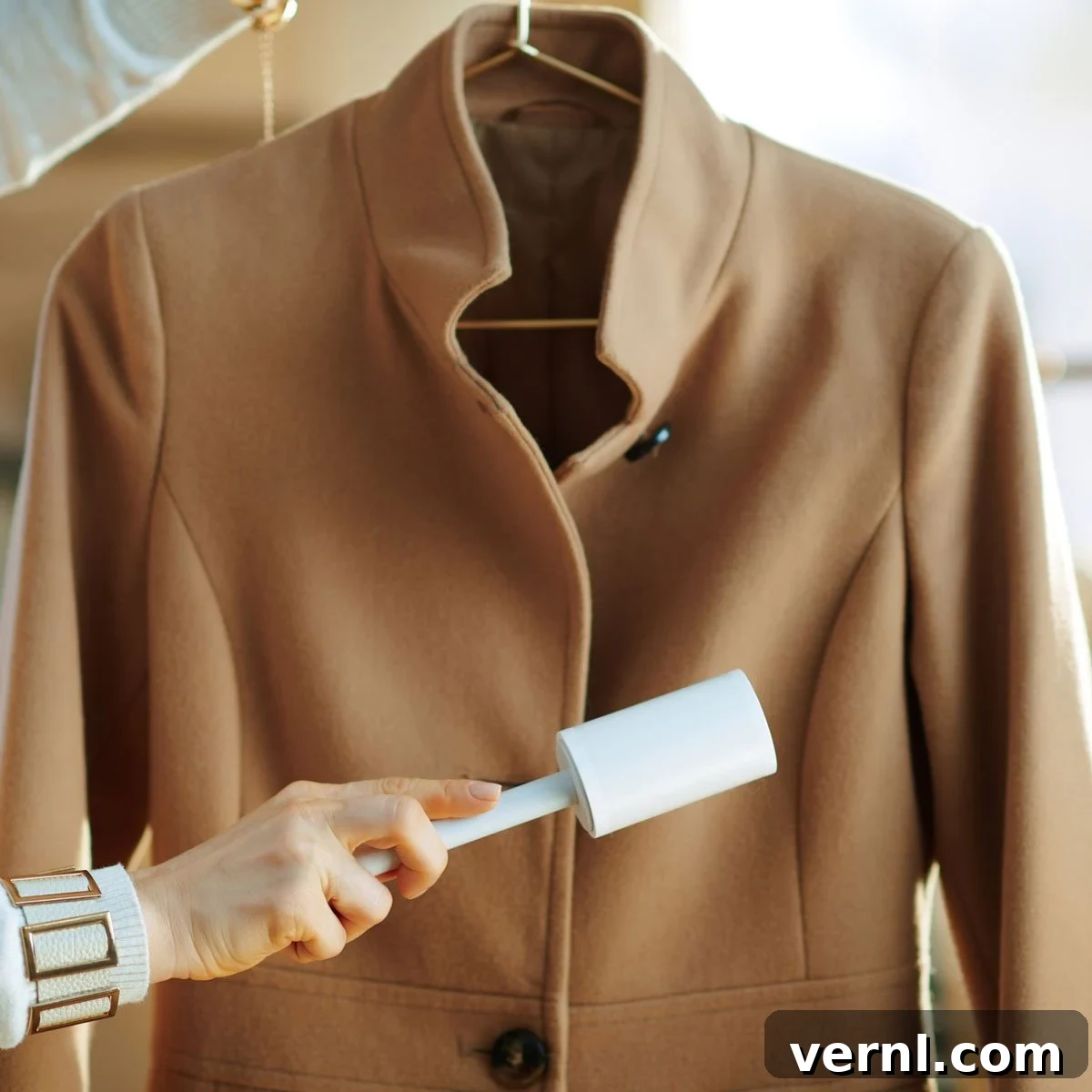
Your cherished winter wool coat is more than just a piece of clothing; it’s an investment in warmth, style, and comfort. Over time, however, even the finest wool can lose its pristine appeal, accumulating dirt, dust, and general wear. The thought of an expensive and time-consuming trip to the dry cleaner might make you delay its much-needed refresh. But what if you could restore its elegance right from the comfort of your home? This comprehensive guide will empower you with the knowledge and techniques to effectively clean your wool coat, extend its lifespan, and keep it looking as fresh and new as the day you bought it. Prepare to discover whether your wool coat is a prime candidate for at-home care and master the methods for washing your winter coat with confidence and ease.
Can You Really Wash Your Wool Coat at Home? Understanding Your Garment’s Label
The decision of whether to wash your wool coat at home hinges primarily on two crucial factors: the care label and any unique embellishments on the coat. Misinterpreting these can lead to irreparable damage, so it’s vital to proceed with caution and a clear understanding.
Decoding the Care Label: “Dry Clean” vs. “Dry Clean Only”
The care label sewn into your coat provides invaluable instructions from the manufacturer. It’s your first and most important point of reference:
- “Dry Clean Only”: If your coat’s label explicitly states “dry clean only,” this is a non-negotiable directive. This designation usually indicates that the fabric, lining, or construction of the coat is extremely delicate or prone to shrinking, stretching, or losing its shape when exposed to water and agitation. Attempting to wash such a garment at home will almost certainly result in irreversible damage, such as felting, shrinkage, or distortion. In these cases, trust the professionals and take your coat to a reputable dry cleaner.
- “Dry Clean” (without “only”): This is where you gain flexibility. If the label simply says “dry clean” or includes symbols for hand-wash, gentle cycle, or cold water wash, the manufacturer is providing a recommended cleaning method, but not necessarily the only one. For many wool coats, this indicates that professional dry cleaning is preferred for maintaining optimal shape and longevity, but carefully executed at-home washing is a viable alternative. This guide focuses on these specific garments, offering techniques to safely clean them without professional intervention.
Special Considerations: Embellishments and Fabric Blends
Beyond the primary fabric, the presence of certain details can override the general care instructions, mandating professional dry cleaning. As experts at Zoom Express Laundry strongly advise, if your coat incorporates elements like:
- Fur (real or faux): Water can damage the delicate fibers of fur, leading to matting, stiffness, or discoloration.
- Leather or Suede Trim: These materials are highly susceptible to water damage, which can cause them to shrink, stiffen, crack, or bleed dyes onto the wool fabric.
- Feather Details or Down Filling: These require specialized cleaning to prevent clumping and maintain loft.
- Heavy Beading, Sequins, or Delicate Appliqués: Water and agitation can dislodge or damage these intricate embellishments.
- Silk Linings or Other Mixed Delicate Fibers: Certain blended fabrics or linings may react differently to water than pure wool, requiring professional handling.
For any coat featuring these materials, dry cleaning is the safest and only recommended option to preserve its integrity and appearance. When in doubt, always err on the side of caution and consult a professional cleaner.
Thorough Preparation: Key Steps Before Washing Your Wool Coat
Proper preparation is half the battle when it comes to successfully cleaning your wool coat at home. Whether you opt for machine or hand-washing, these initial steps are critical for achieving the best results and preventing potential damage. Think of it as a pre-wash spa treatment for your coat.
- Empty Pockets and Secure Fasteners: Before anything else, meticulously check all pockets and remove any contents. Loose items can damage the coat or the washing machine. Zip up all zippers and fasten all buttons, snaps, or hooks. This helps the coat maintain its shape and prevents snags during washing.
- Brush Away Loose Dirt and Lint: Wool, by its nature, attracts lint, pet hair, and surface dirt. Use a good quality garment brush to gently brush off any loose debris. Start from the collar and work your way downwards in smooth, consistent strokes. This dislodges crusted-on dirt, food particles, and lint, preventing them from becoming embedded during the washing process. Brushing also helps to refresh the wool fibers and restore their natural luster.
- Pre-Treat Any Visible Stains: Addressing stains before the main wash significantly increases your chances of complete removal. Different stains require different approaches, but always act quickly. Pre-treat any stains on your coat using a method appropriate for wool. For general guidance, Woolmark, the non-profit organization synonymous with wool quality, offers an excellent stain removal guide specifically for wool garments.
- Choose the Right Stain Remover and Test Carefully: When selecting a stain remover, whether it’s a mild soap, a spot-cleaning spray, stain remover wipes, or a specialized wool solvent, prioritize products designed for delicate fabrics. Crucially, always perform a patch test on an inconspicuous area of the coat first. The underside of the hem, an inside seam, or a hidden part of the lining are ideal spots. Apply a small amount of the product with a cotton swab and observe for a few minutes. If any color transfers onto the swab, or if there’s any adverse reaction to the fabric, do not proceed with home cleaning and seek professional dry cleaning instead. This test is vital to prevent permanent discoloration or damage to your coat.
The Gentle Touch: Hand-Washing Your Wool Coat
Hand-washing is often considered the safest and most recommended method for cleaning wool coats at home, especially for structured or tailored pieces. It allows for maximum control over the process, minimizing the risk of shrinkage or distortion. Since your wool coat is likely substantial in size, you’ll need a large basin for this task—a clean bathtub works perfectly. Follow these detailed steps to gently and effectively hand-wash your valuable garment:
- Prepare Your Basin: Begin by ensuring your bathtub or large basin is impeccably clean. Rinse it thoroughly to remove any residual dirt, soap scum, or cleaning product residue that could transfer to your coat and cause streaks or damage. A clean environment is paramount for a successful wash.
- Fill with Lukewarm Water: Fill the basin with enough lukewarm (not hot!) water to fully immerse your coat without it overflowing once the coat is added. The ideal temperature for wool is generally around 85-90°F (29-32°C), similar to bathwater. Hot water can cause wool fibers to felt and shrink irreversibly, while excessively cold water may not effectively clean.
- Add Wool-Safe Detergent: As the basin fills, add a small amount of a liquid detergent specifically formulated for wool or delicates. Look for detergents that are pH-neutral, free of harsh enzymes, and preferably lanolin-rich, as these help preserve the natural oils and softness of wool. Avoid regular laundry detergents, which can be too harsh. Swish the water gently with your hands to create mild suds and ensure the detergent is evenly distributed.
- Submerge and Soak: Carefully immerse your wool coat into the prepared water. Gently push it down, squeezing lightly, until all parts of the coat are completely saturated. Avoid any aggressive scrubbing or twisting motions, which can damage the wool fibers. Allow the coat to soak undisturbed for at least 30 minutes, or up to an hour for heavily soiled items. This soaking period allows the detergent to penetrate the fibers and loosen dirt.
- Gentle Cleaning: After soaking, gently work any remaining dirt or soiled areas with your hands. Focus on areas prone to grime, like collars, cuffs, and underarms. Remember the golden rule: avoid rubbing the coat fabric against itself. This friction can cause the wool surface to pill or even felt, marring its smooth texture. Instead, use a gentle squeezing or kneading motion.
- Rinse Thoroughly: Once you’re satisfied with the cleaning, carefully drain the bathtub. Refill the tub with clean, tepid water and gently push the coat down to immerse it, allowing the rinse water to circulate through the fibers. Drain and repeat this rinsing process several times until the water runs completely clear and all traces of detergent are gone. This meticulous rinsing is crucial to prevent detergent residue from attracting new dirt or irritating your skin.
The Calculated Approach: Machine-Washing Your Wool Coat
While hand-washing offers the utmost safety, some modern washing machines, particularly top-load models with specific cycles, can handle certain wool coats with extreme care. This method is generally riskier than hand-washing and should only be attempted if your coat’s label explicitly permits it (e.g., a “machine wash wool” symbol) and your machine has the appropriate settings. If you own a front-loader, which typically uses more aggressive tumbling action, hand-washing or dry cleaning is strongly recommended. For top-loaders, follow these instructions precisely to minimize risk:
- Prepare the Washer Drum: Allow your top-load washer drum to fill with lukewarm water. Just like with hand-washing, consistency in water temperature is key to prevent shocking the wool fibers.
- Add Wool-Safe Detergent: As the drum is filling, add a liquid detergent specifically designed for wool or delicates, following the dosage recommendations on the product packaging. Using too much detergent can leave residue, while too little may not clean effectively.
- Protect Your Coat in a Mesh Bag: Turn your wool coat inside out. This helps protect the outer surface from friction and wear during the wash cycle. Place the coat inside a large, zippered mesh laundry bag. This bag acts as a protective barrier, preventing the coat from snagging, stretching, or tangling with other garments, and cushioning it from the agitator. Ensure the bag is large enough for the coat to move somewhat freely without being overly constricted.
- Soak in the Wash Water: Carefully lower the mesh bag containing your coat into the washer drum. Gently push the laundry bag down into the water and move it around with your hands to ensure the water thoroughly penetrates the entire coat. Let the coat soak in the wash-water for at least 30 minutes. This pre-soak is crucial for loosening dirt before the gentle agitation begins. Do not add any other garments to the laundry bag or the wash water, as this could lead to overcrowding or uneven cleaning.
- Select the Correct Cycle: Wash the coat on your washing machine’s “wool,” “delicate,” or “hand-wash” setting. These cycles are specifically designed for fragile items, featuring minimal agitation, a slower spin speed, and a controlled temperature range. Typically, these cycles last approximately 30 minutes, with temperatures ideally between 90 and 110 degrees F (32-43°C). If you can manually adjust the water temperature, play it safe and keep it at the lower end, around 90 to 100 F (32-38°C), to further mitigate the risk of shrinkage.
The Patience Game: Safely Drying Your Wool Coat
Congratulations, you’ve successfully washed your wool coat! Now comes the crucial final stage: drying. This step requires patience and adherence to specific methods to prevent shrinkage, stretching, or damage to the coat’s structure. Whether you’ve hand-washed or machine-washed it, your wool coat will be saturated and surprisingly heavy. Resist the urge to rush this process; proper drying is paramount for maintaining its shape and integrity.
- Initial Water Removal – Gentle Squeeze: Never twist or wring your wet wool coat forcefully. This aggressive action can severely distort the fabric and cause permanent damage. Instead, carefully lift the coat out of the washer or bathtub and gently squeeze out as much excess water as possible. Start from the top (shoulders) and work your way down, pressing the water out without twisting. Repeat this gentle squeezing process a few times until the coat is no longer dripping excessively.
- The Towel Roll Method: This technique is highly effective for removing a significant amount of residual moisture. Lay your damp coat flat on a large, clean, and thick towel. Ensure the towel is substantial enough to absorb a lot of water. Now, carefully roll the towel and the coat together into a tight cylinder. As you roll, gently press along the length of the towel roll. The towel will act like a sponge, drawing out a surprising amount of water from the wool fibers. You may need to repeat this step with a fresh, dry towel if the coat is particularly heavy or still very wet.
- Flat Drying is Essential: This is arguably the most critical rule for drying wool coats: always dry them flat. The weight of wet wool can easily stretch and deform the coat if hung up, leading to misshapen shoulders or an elongated body.
- Using a Drying Rack: The ideal method is to lay your coat flat over an indoor clothes drying rack. Arrange the coat carefully, spreading it out evenly to maximize airflow. It will likely take anywhere from 24 to 48 hours, or even longer depending on the coat’s thickness and humidity levels, for it to fully dry. During this period, turn the coat at least once, or even several times, to ensure both sides dry evenly and prevent moisture from lingering in one spot.
- Alternative Flat Drying Surfaces: If you don’t have a drying rack, you can improvise. Lay the coat flat on several clean, dry towels placed on an impermeable, clean surface. Good options include the top of your washer and dryer, a clean stainless steel or plastic tabletop, or even a protected area of a clean floor. Make sure the surface is not absorbent itself, to allow for optimal drying. Just as with a drying rack, turn the coat regularly and change out the underlying towels for dry ones if they become saturated. This prevents mildew and speeds up the drying process.
- Absolutely No Dryer and No Hanging: Under no circumstances should you put your wool coat in a tumble dryer. The heat and tumbling action will almost certainly cause irreversible shrinkage and felting. Similarly, avoid hanging the coat to dry, even on a padded hanger. The sheer weight of the wet wool will pull and distort the fabric, causing it to lose its intended shape and structure permanently.
- Ensure Complete Dryness: Before storing or wearing your coat, ensure it is absolutely, completely dry. Even a slight hint of dampness can lead to mildew, an unpleasant odor, and damage to the wool fibers over time. If you live in a humid environment, consider placing a fan nearby (not directly on the coat) to circulate air and aid in drying, but ensure it’s on a low, gentle setting.
Restoring Elegance: How to Get Rid of Unsightly Pills on Your Wool Coat
Those small, unsightly balls of fiber, known as pills or pilling, are an unfortunate but often unavoidable characteristic of wool garments. While they don’t affect the coat’s functionality, they certainly detract from its elegant appearance, making it look worn out and older than it is. According to Woolmark, pilling occurs when short fibers on the surface of the wool tangle together due to friction. This friction commonly happens in areas that rub against each other or other surfaces, such as underarms, sleeves, and along the midsection of a garment.
While you can’t prevent pilling entirely, you can effectively remove these bothersome fuzz balls once your coat is thoroughly clean and completely dry. Addressing pills after washing ensures you’re working with a clean surface and prevents any new pilling from being set into the fabric.
- Hand-Picking for Minimal Pilling: If your coat only has a few scattered pills, the simplest method is to gently pull them off by hand. Be careful not to tug too hard, which could stretch the fabric or pull out more fibers.
- Fine-Tooth Comb Method: For a more widespread but still manageable amount of pilling, a fine-tooth comb can be quite effective. Lay the coat flat on a smooth surface. With an incredibly light touch, gently comb the pills away from the fabric. The key is to be very delicate to avoid snagging or damaging the wool fibers. This method requires patience and a steady hand.
- Specialized Garment Combs for Wool and Cashmere: Investing in a specially designed garment comb for wool and cashmere can make the process much easier and safer. These combs typically have fine teeth and are designed to lift and collect pills without harming the delicate fabric beneath. Follow the manufacturer’s instructions for best results.
- Battery-Operated Fabric Shavers: For more extensive pilling, a battery-operated fabric shaver is an excellent tool and often the most efficient. These gadgets are specifically designed to safely trim away pills from fabric surfaces. Hold the fabric taut and move the shaver gently over the affected areas. Be sure to empty the lint compartment regularly for optimal performance.
- The Disposable Razor Technique (Use with Extreme Caution): If you don’t have a fabric shaver handy, a sharp, new disposable razor can be used as a last resort to de-pill your coat. This method requires the utmost care and precision. Lay the coat flat and pull the material taut over a firm surface. Lightly and gently shave the pills off the fabric, using short, controlled strokes. Be extremely cautious around seams, edges, and delicate areas to avoid cutting or damaging the fabric itself. This method carries a higher risk of accidental damage, so proceed only if confident and careful.
Maintaining Your Wool Coat Between Washes
Beyond cleaning, proper maintenance plays a vital role in preserving your wool coat’s beauty and extending the time between washes. Wool is a remarkable natural fiber with self-cleaning properties, and a few simple habits can keep it looking fresh:
- Regular Brushing: Use your garment brush not just before washing, but regularly after wearing. This removes surface dust, lint, and loose fibers before they can become embedded or contribute to pilling. It also helps to smooth the nap of the wool.
- Airing Out: After each wear, especially if you’ve been in a smoky or damp environment, hang your coat in a well-ventilated area for a few hours. Wool naturally releases odors and moisture when aired, reducing the need for frequent washing.
- Proper Storage: Store your wool coat on a sturdy, padded hanger that supports the shoulders to prevent stretching or sagging. Avoid wire hangers. Keep your coat in a breathable garment bag to protect it from dust and moths. Cedar balls or sachets can act as a natural deterrent against pests. Ensure your closet isn’t overcrowded, allowing air to circulate around the garment.
- Address Spills Immediately: Blot spills gently with a clean cloth as soon as they occur. Quick action can prevent stains from setting and make them easier to remove later.
By following these detailed instructions for washing, drying, and de-pilling, and incorporating regular maintenance into your routine, you can ensure your wool coat remains a cherished and stylish part of your wardrobe for many seasons to come. Enjoy the satisfaction of impeccably cared-for garments, achieved right in your own home.