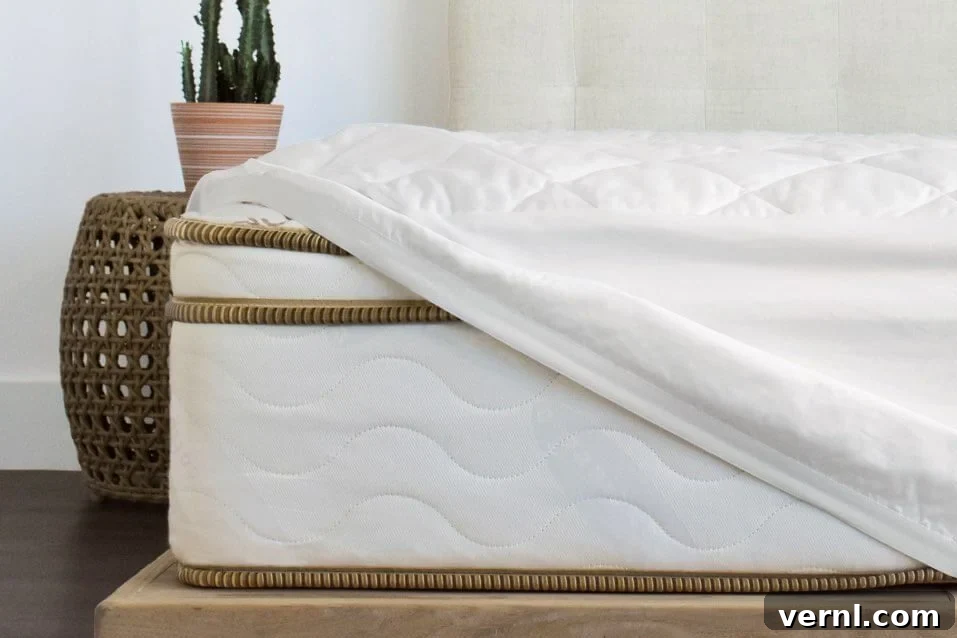
A mattress represents a significant investment in your home and your health, forming the foundation of restful sleep. Given their cost and importance, it’s only logical to implement measures that ensure their longevity and maintain their pristine condition. This is where the often-underestimated, yet incredibly vital, mattress protector steps in. Far more than just another layer of bedding, a high-quality mattress protector acts as an indispensable shield, safeguarding your valuable mattress against a myriad of threats that can diminish its lifespan and compromise your sleep quality.
With an overwhelming array of choices available on the market today, discerning which mattress protector is the perfect fit for your specific needs can feel like a daunting task. To demystify this essential purchase, we’ve consulted with fabric expert Jennifer Porter, a seasoned designer and manufacturer of sewn goods at Satsuma Designs LLC. Jennifer graciously shared her extensive expertise and invaluable insider tips, guiding us through the intricate world of mattress protectors.
From understanding their fundamental purpose and recognizing their paramount importance to identifying the key features that truly matter and mastering their proper care, this comprehensive guide illuminates everything you need to know about choosing and maintaining this must-have bedding accessory. Prepare to transform your sleep environment and protect your investment with confidence.
What Exactly Is a Mattress Protector?
While often mistakenly interchanged with a mattress pad or topper—accessories primarily designed to add an extra layer of thick, soft cushioning for enhanced comfort—a mattress protector (also widely known as a mattress cover) serves a fundamentally different and crucial role. Its primary function is to establish an impenetrable barrier, meticulously engineered to prevent a broad spectrum of potential damage from reaching your mattress.
This protective layer actively defends against unsightly stains, unpleasant odors, the proliferation of bacteria and microbes, and the intrusion of common allergens like dust mites and pet dander. More specifically, it acts as an effective shield against liquid spills, accidental leaks, sweat, dirt, dead skin cells, and other environmental aggressors. By creating this robust defense, a mattress protector ensures the hygiene and structural integrity of your mattress remain intact.
Beyond its protective capabilities, a superior quality mattress cover often delivers additional benefits that significantly enhance your sleep experience. Many modern protectors are designed with advanced fabrics that offer cooling comfort and superior breathability, preventing overheating throughout the night. Furthermore, by preserving the mattress’s original condition, a protector can significantly prolong its usable life, delaying the need for an expensive replacement. Considering these multifaceted advantages, it’s clear why a mattress protector is unequivocally regarded as an essential and non-negotiable bedding accessory in any household.
Why Investing in a Mattress Protector is a Smart Decision
The benefits of a mattress protector extend far beyond simple stain prevention; they encompass health, hygiene, comfort, and financial prudence. Here’s a detailed look at why this bedding accessory is an absolute essential:
- Peace of Mind and Damage Prevention: A mattress protector offers invaluable peace of mind, especially for families with young children or pets. Knowing that a robust barrier is in place to absorb and contain moisture from a child’s bedwetting accident or a pet mishap allows you to sleep soundly. This immediate absorption prevents liquids from soaking into the mattress’s core, which can otherwise lead to irreparable damage, unpleasant odors, and the growth of mold or mildew.
- Enhanced Sleeping Comfort and Temperature Regulation: Many advanced mattress protectors are crafted from innovative moisture-wicking materials. These specialized fabrics are designed to draw sweat away from your body, distributing it across the protector’s surface for quicker evaporation. This process helps regulate your body temperature, keeping you drier and more comfortable throughout the night, which is particularly beneficial for hot sleepers or those prone to night sweats.
- Effortless Cleaning and Maintenance: Unlike a mattress, which is notoriously difficult to clean and often requires specialized equipment or professional services, a mattress protector is remarkably easy to maintain. The vast majority are machine washable, allowing for quick and convenient cleaning at home. This simple routine keeps your sleep surface hygienic and fresh without the hassle or expense of deep-cleaning a mattress.
- Preserving Mattress Warranty Validity: A crucial, yet often overlooked, reason to invest in a mattress protector is its direct impact on your mattress warranty. The majority of mattress warranties exclusively cover manufacturing defects and explicitly exclude damage resulting from improper use, normal wear and tear, or, most commonly, liquid stains and spills. Any evidence of such damage can immediately void your warranty, leaving you without recourse should a legitimate defect arise. For this reason, nearly all reputable mattress brands strongly encourage or even require the purchase and use of a mattress protector to ensure your warranty remains valid, thereby protecting your investment.
- Superior Allergy and Hygiene Protection: Mattresses are breeding grounds for allergens such as dust mites, their droppings, pet dander, and pollen, as well as bacteria, fungi, and dead skin cells. A mattress protector creates a physical barrier that prevents these microscopic invaders from penetrating your mattress. This significantly reduces your exposure to common triggers for allergies and asthma, promoting a healthier and more hygienic sleep environment.
- Extending Mattress Lifespan: By shielding your mattress from spills, stains, allergens, and general wear and tear, a protector directly contributes to its longevity. This protective layer ensures that the internal components and external fabric of your mattress remain in optimal condition for a longer period, pushing back the need for a premature and costly replacement.
Exploring the Diverse Types of Mattress Protectors
Mattress protectors come in various designs, each offering distinct levels of coverage and protection tailored to different needs and preferences. Understanding these types will help you choose the most suitable option for your bed:
- Fitted Sheet Style: This is arguably the most common and popular type, designed to fit snugly over the top and sides of your mattress, much like a fitted bed sheet. It features elasticized edges that grip the mattress securely, preventing it from shifting or bunching during sleep. This style offers excellent general protection against spills and allergens on the top and sides, making it easy to remove and wash. It’s a great choice for everyday protection and convenience.
- Elastic Band Style: Simpler and often more budget-friendly, this type lies flat atop the mattress and is secured by elastic straps at each of the four corners. While it effectively covers the sleeping surface, it leaves the sides of the mattress exposed. This makes it less ideal for comprehensive protection against spills that might seep down the sides or for preventing dust mites and bed bugs from entering the mattress perimeter. It’s best suited for basic top-surface protection.
- Encased/Zippered Style: For the most comprehensive and robust protection, the encased or zippered mattress protector is unparalleled. This design completely encases your entire mattress, covering all six sides and sealing with a zipper. This impenetrable barrier is highly effective at blocking dust mites, bed bugs, and allergens from entering or escaping your mattress. It’s the go-to choice for individuals with severe allergies, asthma, or those looking for ultimate bed bug prevention, offering unparalleled peace of mind.
- Cooling Mattress Protectors: Specifically engineered for hot sleepers, cooling mattress protectors are designed to regulate temperature and dissipate heat. They are often crafted from superconductive materials, phase-change materials (PCMs), gel-infused fabrics, or highly breathable natural fibers like Tencel or bamboo. These advanced materials work to draw heat and moisture away from your body, promoting a cooler, more comfortable sleep surface throughout the night, effectively preventing overheating.
- Crib/Toddler Mattress Protectors: Sized precisely to fit standard crib and toddler beds, these protectors are an absolute necessity for nurseries. For obvious reasons, they are almost universally lined with a waterproof material to guard against diaper leaks, spit-ups, and potty training accidents. Beyond waterproofing, many are also designed to be hypoallergenic and easy to clean, ensuring a safe and hygienic sleep environment for the little ones.
Key Features to Consider When Choosing a Mattress Protector
Mattress protectors are not one-size-fits-all; they come with a diverse range of characteristics and functionalities. When selecting the ideal protector, it’s crucial to consider the unique needs and preferences of yourself and your family. Here are some of the most common and important features to evaluate:
Fabric and Materials
The material of your mattress protector significantly impacts its comfort, breathability, durability, and protective qualities. Common choices include:
- 100% Cotton: Known for its exceptional breathability and softness, cotton is a natural fiber that allows for good air circulation, preventing heat buildup. It’s a comfortable and hypoallergenic option, though not inherently waterproof unless treated.
- Bamboo: A sustainable and eco-friendly choice, bamboo fabric (often Tencel-Lyocell derived from bamboo) is incredibly soft, naturally hypoallergenic, and highly moisture-wicking. It offers excellent breathability and a luxurious feel, making it a popular choice for cooling protectors.
- Wool: Offers natural insulation, keeping you warm in winter and cool in summer due to its moisture-regulating properties. Wool is also naturally hypoallergenic and resistant to dust mites and mildew, though often pricier and requiring specific care.
- Polyester: An affordable and durable synthetic option, polyester is resistant to shrinking and stretching. It’s often used in combination with other materials or as a backing for waterproof membranes. While versatile, it may not be as breathable as natural fibers.
- Polyurethane (PU): Often used as the waterproof membrane layer, PU is thin, flexible, and impermeable to liquids. When bonded with a fabric like cotton or polyester, it creates a waterproof barrier without adding significant bulk.
If you prioritize environmentally friendly and health-conscious materials, look for a Global Organic Textiles Standard (GOTS) certified designation. As fabric expert Jennifer Porter advises, “Shoppers should consider opting for a natural fabric as well as a low chemical load water barrier such as a GOTS-certified polyurethane barrier.” For example, this Saatva mattress protector is GOTS-certified, made from 100 percent breathable organic cotton, which not only safeguards mattresses effectively but also excels at wicking away moisture for a comfortable sleep.
Size and Depth for a Perfect Fit
Beyond simply knowing your mattress size (twin, full, queen, king, California king), it is critically important to consider its depth. Modern mattresses, especially memory foam, pillow-top, or hybrid designs, can vary significantly in thickness. A protector that is too shallow will pull taut, potentially tearing or failing to cover the sides fully, while one that is too deep may bunch up, creating uncomfortable wrinkles.
As Porter recommends, “Use a tape measure or ruler to measure your mattress’s depth to ensure a good fit.” Most standard mattress protectors are designed for mattresses between 8 and 12 inches deep. However, if you have a thicker mattress (14 inches or more) or plan to use a mattress topper, you will require a protector with “deep pockets” or “extra deep pockets.” These are specifically engineered with more generous side fabric to accommodate greater depths, ensuring a snug, smooth, and complete fit without compromise. Options like the natural option from Avocado or the numerous choices available on Amazon are excellent examples of deep-pocket protectors.
Durability and Ease of Maintenance
The durability of a mattress protector is crucial for ensuring it withstands repeated washing and continuous use without losing its protective qualities. Many mattress protectors boast machine-washable properties, making them incredibly convenient to clean and maintain. However, to maximize their lifespan and preserve their effectiveness, it is paramount to meticulously follow the specific care instructions provided on the protector’s label or tag.
Typically, these instructions recommend washing on gentle cycles with mild detergents and, whenever possible, air drying or tumble drying on a very low heat setting. Ignoring these guidelines—for instance, using harsh chemicals, hot water, or high heat in the dryer—can prematurely degrade the material, particularly the waterproof membrane. This can lead to cracking, peeling, or loss of waterproofing, rendering the protector ineffective and necessitating an earlier-than-expected replacement. Investing in a protector made from high-quality, resilient materials will also contribute to its longevity.
Allergy Protection and Antibacterial Properties
For individuals suffering from allergies or asthma, or simply those prioritizing a pristine sleep environment, allergy protection and antibacterial properties are paramount. Many natural fabrics, such as eucalyptus-based Tencel, possess inherent antibacterial and hypoallergenic qualities, naturally resisting the growth of bacteria and common allergens. Quilted or fleece-lined covers can add an extra layer of thickness, enhancing comfort while potentially offering a denser barrier.
However, for the highest level of protection against allergens like dust mites, pet dander, and pollen, as well as notorious pests like bed bugs, encasement-style protectors are the gold standard. By completely enveloping the mattress with a zippered closure, they form an impenetrable barrier that traps existing allergens and prevents new ones from entering. This comprehensive seal effectively isolates your mattress, providing significant relief for allergy sufferers and an essential defense against infestations.
Moisture-Repelling Properties: Waterproof vs. Water-Resistant
The ability to repel moisture is a critical feature for many users, especially those with children, pets, or individuals prone to night sweats or incontinence. A truly waterproof cover is laminated on the mattress side with a water-resistant or waterproof membrane, typically made from polyurethane (PU). This membrane creates an absolute barrier, preventing liquids from soaking through to the mattress beneath. While these covers are exceptionally effective at repelling moisture and offering maximum protection, the membrane can sometimes produce a slight crinkling sound with movement, which might be a minor disturbance for light sleepers or those who shift frequently during the night.
For those seeking a quieter alternative, fabric options like tightly woven organic cotton or Tencel can offer a degree of water resistance, wicking away moisture rather than completely blocking it. However, it’s important to note that these fabrics, while quieter and often more breathable, may not provide the same impenetrable level of moisture protection as a dedicated waterproof membrane, especially against significant spills. The choice between waterproof and water-resistant depends on the level of protection required and your sensitivity to potential noise.
Cost: An Investment in Longevity
Considering the substantial cost of a quality mattress, viewing a mattress protector as an investment rather than an added expense makes sound financial sense. Mattress protector prices typically range from as low as $30 for basic models to upwards of $300 for premium, feature-rich protectors made from advanced or organic materials. The adage “you get what you pay for” often holds true here. If you’ve recently invested in a high-end memory foam, latex, or hybrid mattress, opting for a premium protector with comprehensive features like advanced waterproofing, cooling technology, and superior allergy protection is a wise decision to safeguard that investment for years to come.
Conversely, if you’re using a hand-me-down mattress or a guest bed that sees infrequent use, a reasonably priced, good-quality protector will likely suffice to provide adequate protection without overspending. The key is to balance your budget with the level of protection and features necessary for your specific mattress and lifestyle.
How to Properly Clean a Mattress Protector
Maintaining the cleanliness of your mattress protector is essential for preserving its effectiveness and ensuring a hygienic sleep environment. While most mattress protectors are conveniently machine washable, it is absolutely critical to check the specific care instructions provided by the manufacturer before purchasing and to follow them meticulously. Ignoring these guidelines can damage the protector, especially its delicate waterproof membrane.
Jennifer Porter advises, “Machine wash a mattress protector on warm or hot, according to care instructions, before the first use and launder each month after that.” This initial wash helps remove any manufacturing residues and often makes the protector softer. Regular monthly cleaning prevents the buildup of dust mites, allergens, dead skin cells, and microscopic particles. When drying, always opt for a low heat setting in the dryer or, ideally, air dry. As Porter suggests, “In summer and springtime, dry mattress covers on a clothesline outdoors for a beautiful natural result,” as fresh air and sunlight offer natural sanitization and help to maintain the integrity of the material without the risk of high heat damage.
How Long Should a Mattress Protector Last?
The lifespan of a mattress protector is influenced by several factors, including the quality of its materials, how frequently it’s used, and the diligence with which it’s cared for. According to Jennifer Porter, a well-made and properly cared-for mattress protector should provide effective protection for approximately two to three years. Beyond this period, even the best protectors may start to show signs of wear, such as diminished waterproofing, thinning fabric, or degraded elastic, reducing their effectiveness.
To maximize the longevity of your mattress protector and ensure even wear, Porter offers another practical tip: “Rotate it 180 degrees after each laundering, so the top becomes the bottom and vice versa.” This simple practice helps to distribute wear and tear evenly across the protector’s surface, preventing specific areas from fraying or wearing out prematurely, thereby extending its useful life.
DIY Tip: Don’t just discard old mattress protectors! “Repurpose old mattress protectors by cutting and sewing covers into pillow inserts, pet beds, and more,” Porter suggests. The waterproof or protective qualities can still be valuable for other household needs, promoting sustainability.
Frequently Asked Questions About Mattress Protectors
What is the difference between a mattress cover and a mattress protector?
The terms “mattress cover” and “mattress protector” are often used interchangeably in the bedding industry, which can lead to confusion. Historically, a “mattress cover” might have referred to any fabric layer placed over a mattress, including decorative ones or those offering minimal protection. However, many brands today use “mattress protector” specifically to denote products engineered to provide significant barriers against liquids, allergens, and pests. Generally, if a product emphasizes features like waterproofing, allergy protection, or dust mite resistance, it’s more accurately a “mattress protector,” offering a higher degree of functional defense than a generic “cover.” Always check the specific features and claims of the product, regardless of the name.
What are the disadvantages of mattress protectors?
While mattress protectors offer numerous benefits, they do come with a few potential drawbacks. One common complaint, especially with older models or those with thick plastic waterproof membranes, is that they can sometimes make the bed feel warmer or produce a crinkling noise with movement. This can be a significant drawback for hot sleepers or those sensitive to sound. However, modern advancements in fabric technology have largely mitigated these issues, with many contemporary protectors offering breathable, quiet, and cooling properties. Another minor disadvantage can be the initial cost, although this is often offset by the extended lifespan and hygiene benefits they provide for your mattress.
Do you put a fitted sheet over a mattress protector?
Yes, absolutely. A mattress protector is designed to be the foundational layer of your bedding, placed directly over your mattress. Once your mattress protector is securely in place and smoothed out, you should then make your bed as usual, starting with your regular fitted sheet. The fitted sheet covers the protector, followed by your top sheet, comforter, duvet, and any other decorative bedding items you prefer. This layering ensures that the protector remains clean and continues to function as the primary barrier, while your fitted sheet provides the soft, comfortable sleeping surface you interact with daily.
How often should mattress protectors be replaced?
For optimal hygiene and continued effectiveness, your mattress protector should ideally be replaced every one to two years. This timeframe can vary based on the quality of the protector, how frequently it’s washed, and the amount of wear and tear it endures. You should consider replacing it sooner if you notice any visible signs of damage, such as tears, holes, thinning fabric, a compromised waterproof membrane (e.g., cracking, peeling, or water seepage), persistent odors, or a noticeable decrease in its protective capabilities. Regular inspection will help you determine the best time for replacement.
Why You Should Trust Us
For more than 70 years, Family Handyman has been a trusted resource for practical, reliable home advice. Our editors and experts meticulously test tools, appliances, and DIY products in real homes and workshops, drawing on decades of hands-on experience to recommend only what truly works. Every guide and review is independently researched and written with one paramount goal in mind: to empower you to build, repair, and improve your home with unwavering confidence and knowledge.