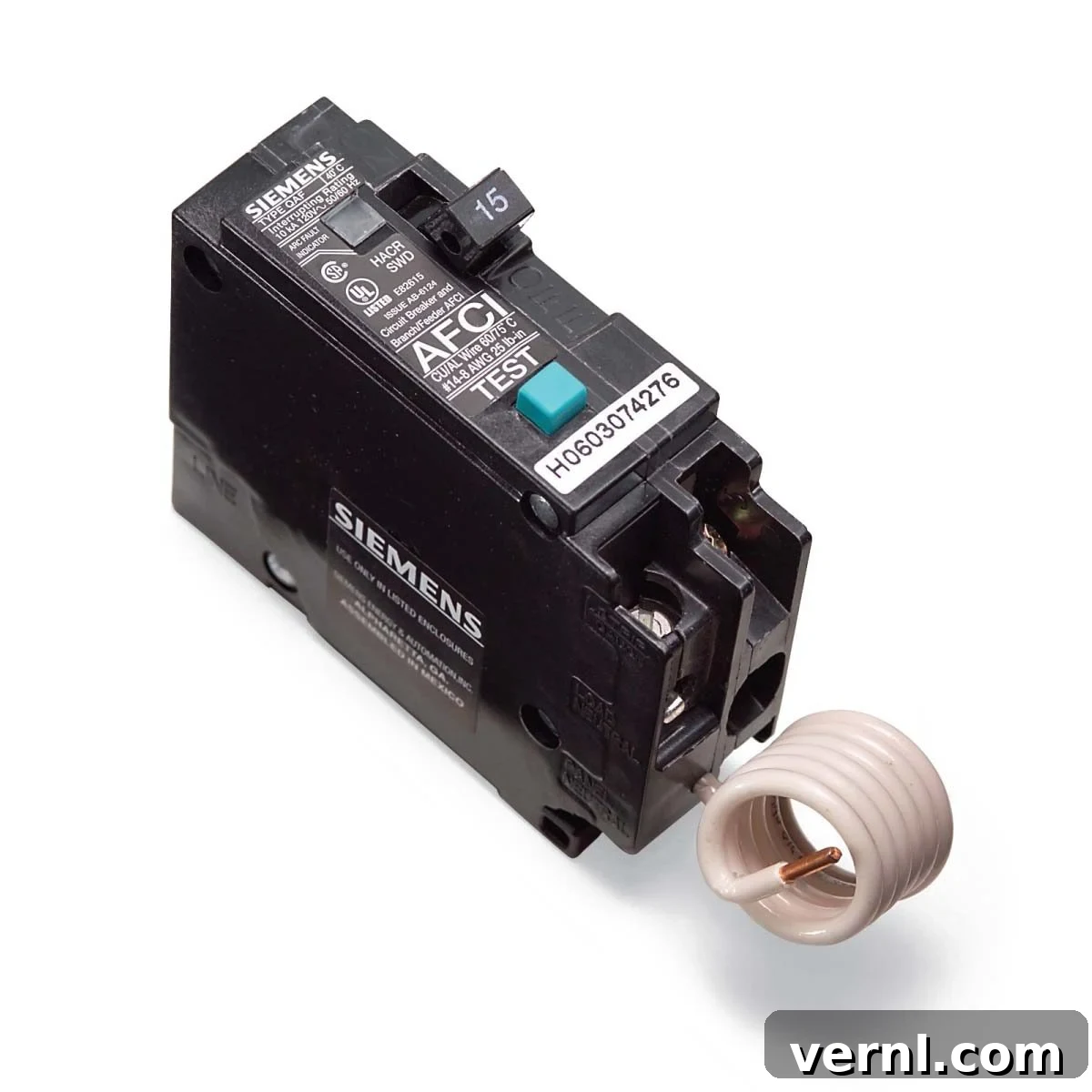
Solving AFCI Nuisance Tripping in Your Main Electrical Panel
If you’re dealing with an Arc Fault Circuit Interrupter (AFCI) that keeps tripping in your main electrical panel, causing frustrating power interruptions, rest assured you’re not alone. This common issue, often referred to as “nuisance tripping,” can be perplexing, but understanding its causes and implementing systematic troubleshooting steps can help you restore consistent power and ensure the safety of your home. While AFCIs are designed to protect against dangerous electrical fires, their inherent sensitivity can sometimes lead to false alarms.
This comprehensive guide will walk you through the intricacies of AFCIs, explain why they trip, and provide actionable solutions to diagnose and resolve frequent tripping problems. Whether your AFCI is located in your main electrical panel or a subpanel, the process for resetting it is similar to that of a standard circuit breaker. However, persistent tripping signals a deeper issue that needs attention.
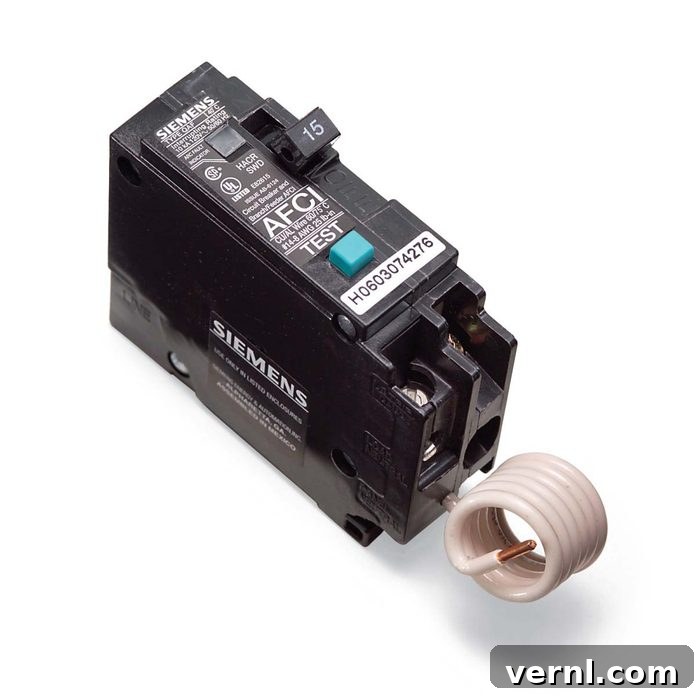
What Does an AFCI Do and Why Is It So Sensitive?
An Arc Fault Circuit Interrupter (AFCI) is a crucial safety device designed to protect against fires caused by dangerous electrical arcs. Unlike standard circuit breakers that respond to overloads and short circuits, AFCIs are engineered to detect specific patterns of electrical current that indicate an arcing fault. An arcing fault occurs when electricity “leaks” or jumps across an unintended path, such as frayed wiring, a loose connection, or a damaged appliance cord. These arcs generate intense heat that can easily ignite nearby combustible materials, leading to devastating fires.
AFCIs accomplish this vital task through sophisticated current-sensing circuitry. They constantly monitor the electrical waveform for irregularities characteristic of an arc – both parallel arcs (between hot and neutral/ground wires) and series arcs (within a single wire). When such a pattern is detected, the AFCI rapidly shuts off power to the circuit, preventing a potential fire. This advanced protection is why AFCIs are now a requirement in many areas of new or remodeled residential construction, particularly in bedrooms and other living spaces, as mandated by the National Electrical Code (NEC), with requirements for receptacle outlets in bedrooms beginning as early as January 1, 2002 (local jurisdictions may have additional requirements).
The inherent challenge with AFCIs lies in their exceptional sensitivity. While this sensitivity is necessary to detect subtle arcing conditions that might otherwise go unnoticed, it also means that AFCIs can sometimes misinterpret harmless electrical “noise” or slight current trickles from certain devices as genuine arc faults. This leads to what is known as “nuisance tripping,” where the breaker shuts off without a true hazardous arc being present. It’s a delicate balance between providing maximum safety and avoiding false alarms, and unfortunately, AFCIs are still evolving to perfect this detection process.
Distinguishing AFCIs from GFCIs: A Key Difference
It’s important not to confuse AFCIs with Ground Fault Circuit Interrupters (GFCIs). While both are life-saving electrical safety devices, they protect against different types of hazards. GFCIs are designed to protect against electric shock by detecting current leakage to the ground, which typically occurs when a person accidentally becomes part of an electrical path. You’ll commonly find GFCIs in areas where water is present, such as bathrooms, kitchens, laundries, and outdoor outlets. AFCIs, on the other hand, specifically protect against fires caused by arcing faults. Understanding this distinction is crucial for proper electrical safety and troubleshooting.
Solving an AFCI Tripping Problem: Your Troubleshooting Guide
When an AFCI keeps tripping, the first step is to methodically troubleshoot the circuit to identify the source of the problem. Start with simple solutions you can try yourself before considering professional help. The goal is to isolate the device or wiring issue that’s causing the AFCI to falsely detect an arc.
Step 1: Reset the AFCI Breaker
First, fully turn the AFCI breaker to the “OFF” position, then firmly push it back to the “ON” position. Unlike standard breakers, some AFCIs require a full reset from off to on to clear their internal fault detection memory. If it immediately trips again, a persistent issue exists.
Step 2: Isolate and Unplug Devices
This is often the most effective DIY step. The sensitivity of AFCIs means certain electrical and electronic devices can sometimes mimic the electrical signature of an arc fault, causing nuisance trips. To diagnose this:
- Identify the Circuit: Note which AFCI breaker tripped. This circuit powers specific outlets and lights in your home.
- Unplug Everything: Go to all outlets on that tripped circuit and unplug every single device. This includes lamps, chargers, televisions, computers, small kitchen appliances, and especially items known for “electrical noise.”
- Reset the Breaker: Once everything is unplugged, go back to the electrical panel and reset the AFCI breaker.
- Test the Circuit: If the breaker holds (doesn’t trip immediately), you’ve confirmed that one of the unplugged devices was the culprit.
- Plug Devices Back In One by One: Carefully plug each device back into its outlet, one at a time. After plugging in each item, wait a few minutes and see if the AFCI trips. This methodical approach will help you pinpoint the problematic device.
Common Culprits for Nuisance Tripping:
- Surge Protectors & Power Strips: These are notorious for causing AFCI trips due to their internal circuitry generating small current leakages. Try removing them from the circuit.
- Fluorescent Lights with Electronic Ballasts: The electronic components in some fluorescent fixtures, particularly older ones, can create electrical signatures that trick AFCIs.
- Lighting Controls with LED Displays: Smart dimmers or timers with LED displays can also contribute to leakage currents.
- Older or Defective Appliances: Any appliance with worn motors, damaged heating elements, or compromised internal wiring might be creating subtle arcs or leakage currents.
- Vacuum Cleaners & Power Tools: The motors in these devices, especially when starting up, can momentarily draw high current or create slight arcs at the brushes, sometimes triggering an AFCI.
Step 3: Inspect Wires and Cords
While unplugging devices often solves the problem, physical damage to wiring is another significant cause of arcing faults that AFCIs are designed to detect. Visually inspect all accessible cords and wires on the tripped circuit for:
- Fraying or Cuts: Look for exposed wires on appliance cords.
- Pinched Wires: Ensure no furniture is pushed against plugs or cords, crushing them against the wall or floor. This can damage insulation and lead to arcing.
- Discoloration or Burn Marks: Any signs of heat damage on outlets, plugs, or cords should be taken seriously.
If you find any damaged cords or appliances, replace them immediately. Do not attempt to repair frayed cords.
Step 4: Consider Overloading (Secondary Cause)
While AFCIs primarily detect arcs, an overloaded circuit can sometimes stress wiring and devices, leading to conditions that might eventually cause an arc fault or simply trip a standard breaker element. Ensure you’re not plugging too many high-power devices into a single circuit.
When to Call a Professional Electrician for AFCI Issues
If you’ve systematically unplugged all devices and inspected visible wiring, and your AFCI breaker still trips, or if it trips even when nothing is plugged in, it’s time to call a qualified electrician. There are several reasons why professional intervention is necessary:
- Defective AFCI Breaker: AFCIs themselves can sometimes be faulty. While the “test” button on the breaker confirms basic functionality, it’s not always accurate in diagnosing nuanced nuisance tripping issues. If you’ve ruled out all other causes, the old arc fault breaker itself might be defective and require replacement. An electrician can replace the unit and observe its behavior.
- Internal Wiring Problems: The most common and serious cause of persistent AFCI trips after ruling out appliances is a wiring problem within the walls, outlets, switches, or junction boxes. This requires an electrician to delve into the electrical system. They will methodically check:
- Loose Connections: Wires can become loose over time due to vibration or improper installation, creating small arcs at the connection points.
- Damaged Insulation: Wires inside the walls might be nicked or pinched, leading to intermittent arcing.
- Miswired Components: Sometimes, during initial installation or subsequent repairs, wires are improperly connected or “jammed” into boxes too quickly. If the wrong two wires make contact, even subtly, they can trip an AFCI.
- Arcing within Devices: Issues within a light fixture, ceiling fan, or a built-in appliance that isn’t easily unplugged can also cause trips.
- Advanced Diagnostics: Electricians have specialized tools to test circuits for intermittent faults and identify the precise location of an arc fault signature, which is beyond the scope of DIY troubleshooting.
- Safety & Compliance: Working inside electrical panels and behind walls carries significant safety risks. An electrician ensures that all work is done safely and adheres to the National Electrical Code and local regulations.
Preventing Future AFCI Nuisance Tripping
While nuisance tripping can be frustrating, there are steps you can take to minimize its occurrence:
- Use Quality Electronics: Invest in high-quality appliances and electronics that are less prone to creating electrical “noise” or leakage currents.
- Regular Inspections: Periodically inspect appliance cords and visible wiring for damage, fraying, or signs of wear.
- Avoid Overloading: Do not overload circuits by plugging in too many high-wattage devices.
- Proper Furniture Placement: Ensure furniture doesn’t pinch or crush electrical cords against walls or outlets.
- Professional Installation: When installing new outlets, switches, or light fixtures, ensure they are done by a qualified individual to prevent loose or improperly wired connections.
- Consider Newer AFCI Technology: If you have very old AFCI breakers that frequently trip, newer generations of AFCI technology are often more adept at distinguishing harmless electrical signatures from true arc faults, potentially reducing nuisance tripping.
Conclusion
AFCI breakers are indispensable for modern electrical safety, providing a critical layer of protection against fire hazards. While their sensitivity can sometimes lead to nuisance tripping, it’s a small price to pay for enhanced home safety. By systematically troubleshooting your electrical devices and wiring, you can often identify and resolve the cause of AFCI trips yourself. However, if the problem persists, never hesitate to call a certified electrician. Their expertise is invaluable in diagnosing complex internal wiring issues, replacing defective breakers, and ensuring your home’s electrical system is both safe and reliable. Prioritizing electrical safety and addressing AFCI tripping problems promptly will help protect your property and loved ones from potential fire dangers.