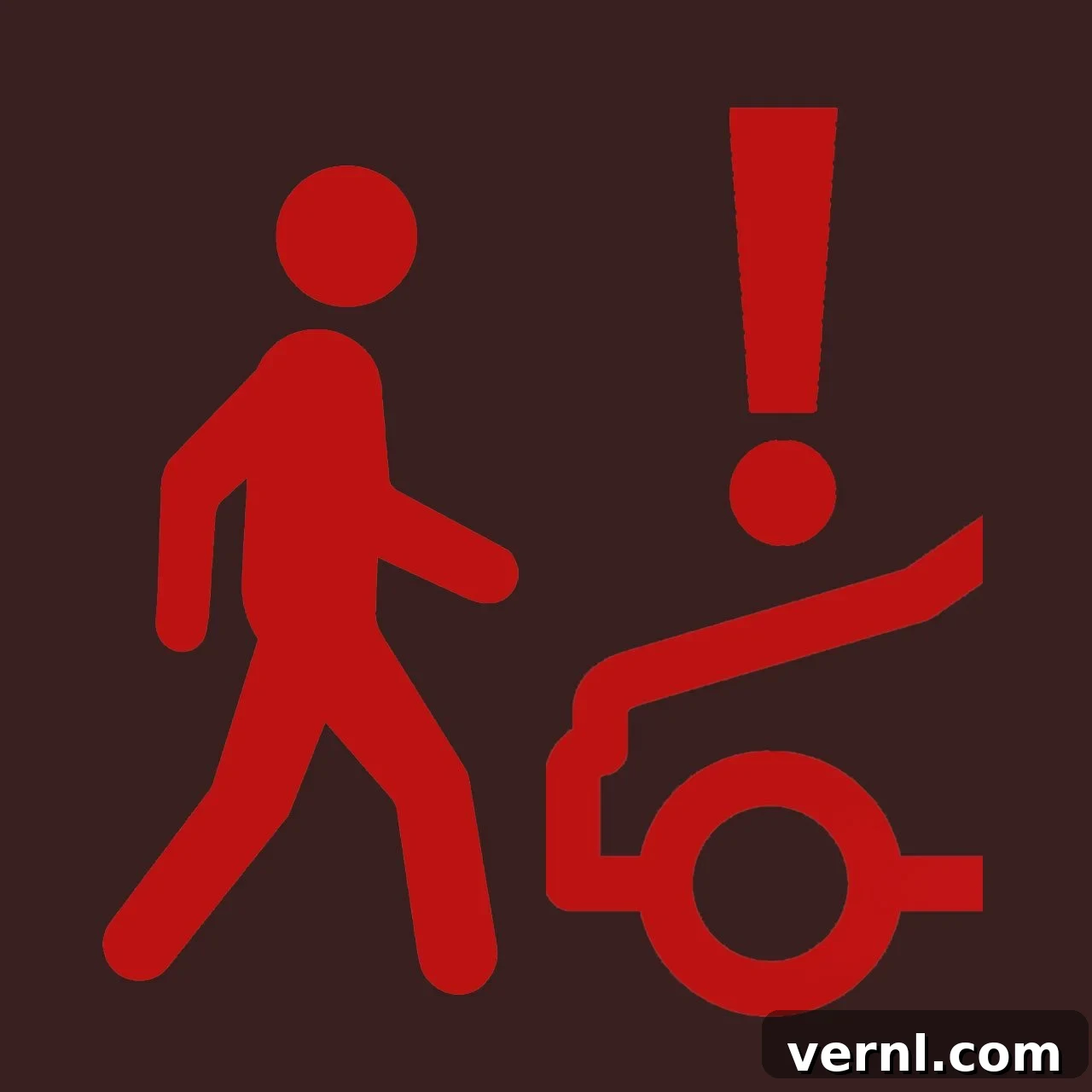
Our car dashboards are filled with a variety of symbols and warning lights. One icon you may have noticed but not recognized is the person symbol, which appears on many modern vehicles. This article explains what that person icon means, where you are likely to see it, how the system works, and what to do when the alert appears.
What Does the Person Symbol Mean and What Does It Look Like?
The person symbol is associated with pedestrian detection, a driver-assistance feature designed to identify people who may enter the vehicle’s path. When the system detects a pedestrian or a potential collision, it typically activates the symbol on the instrument cluster, center display, head-up display, or rearview camera screen. The indication may be steady or flashing, accompanied by a warning message or an audible alert.
Manufacturers use different names for this technology, including pedestrian detection, pre-collision assist, and pedestrian automatic emergency braking. Sometimes a similar symbol appears when a rear camera recognizes someone behind the vehicle during reverse maneuvers. A line through the icon, an “OFF” message, or a dimmed graphic generally indicates the feature is disabled or unavailable.
The icon’s appearance varies by make and model. You might see a stylized person standing or walking, sometimes placed inside a triangle or positioned in front of a vehicle silhouette. Consult your owner’s manual for the exact appearance and the location of related controls if your model offers this feature.
How Pedestrian Detection Works
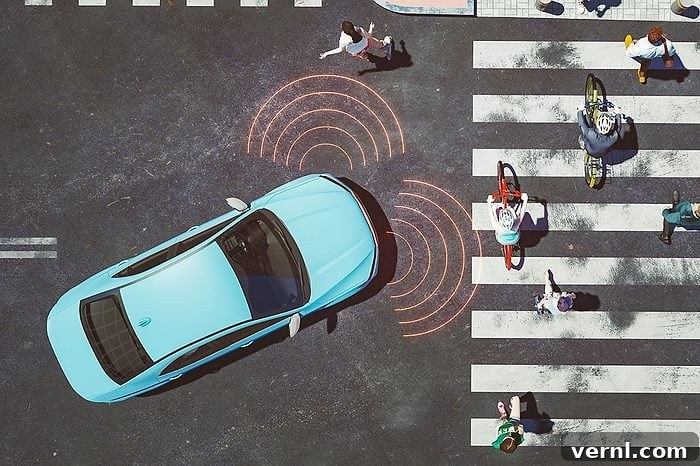
Pedestrian detection relies on forward-facing cameras, radar sensors, or a combination of both to monitor the road ahead. These sensors analyze the vehicle’s surroundings and determine whether a person is in the path and whether a collision is likely. If the system judges that a collision may occur, it will alert the driver using the person icon, audible tones, or on-screen messages. On some vehicles, automated emergency braking can engage if the driver does not respond quickly enough.
Many systems also include detection for cyclists and other vulnerable road users. Alerts are intended to give drivers extra time to slow down or stop, but they are not a replacement for attentive driving. If you see the person symbol, slow down, scan the road and sidewalks, and be ready to stop. If the warning appears while reversing, check behind the vehicle and around blind spots for pedestrians or obstacles.
False alerts can happen. Shadows, roadside objects, strong reflections, complex backgrounds, or temporary changes in lighting may confuse the sensors and trigger a warning. Recognize that the system assists drivers but does not provide perfect detection in every scenario.
When Pedestrian Detection May Not Work Properly
Pedestrian detection systems have limitations. Cameras and radar can be obstructed or impaired by dirt, mud, snow, ice, salt, condensation, or other debris. Adverse weather conditions such as heavy rain, fog, glare from low sun, or complete darkness can reduce sensor effectiveness. Sensor performance can also be affected by aftermarket accessories, stickers, or objects placed near the sensors or cameras.
Drivers can help maintain system reliability through regular inspection and basic care. Keep camera lenses, sensors, and windshield areas clean and free of obstructions. Avoid placing stickers, magnets, or other accessories near cameras and sensors. Include sensor checks or recalibration in your routine vehicle maintenance when recommended by the manufacturer or after bodywork that may affect sensor alignment.
Remember that these systems are designed to supplement safe driving, not replace it. Maintaining awareness of the road, obeying speed limits, and watching for pedestrians remain the most reliable ways to avoid collisions.
References
- Government and safety organizations publish guidance on driver assistance and pedestrian detection technologies; consult your vehicle owner’s manual for model-specific information and instructions.