
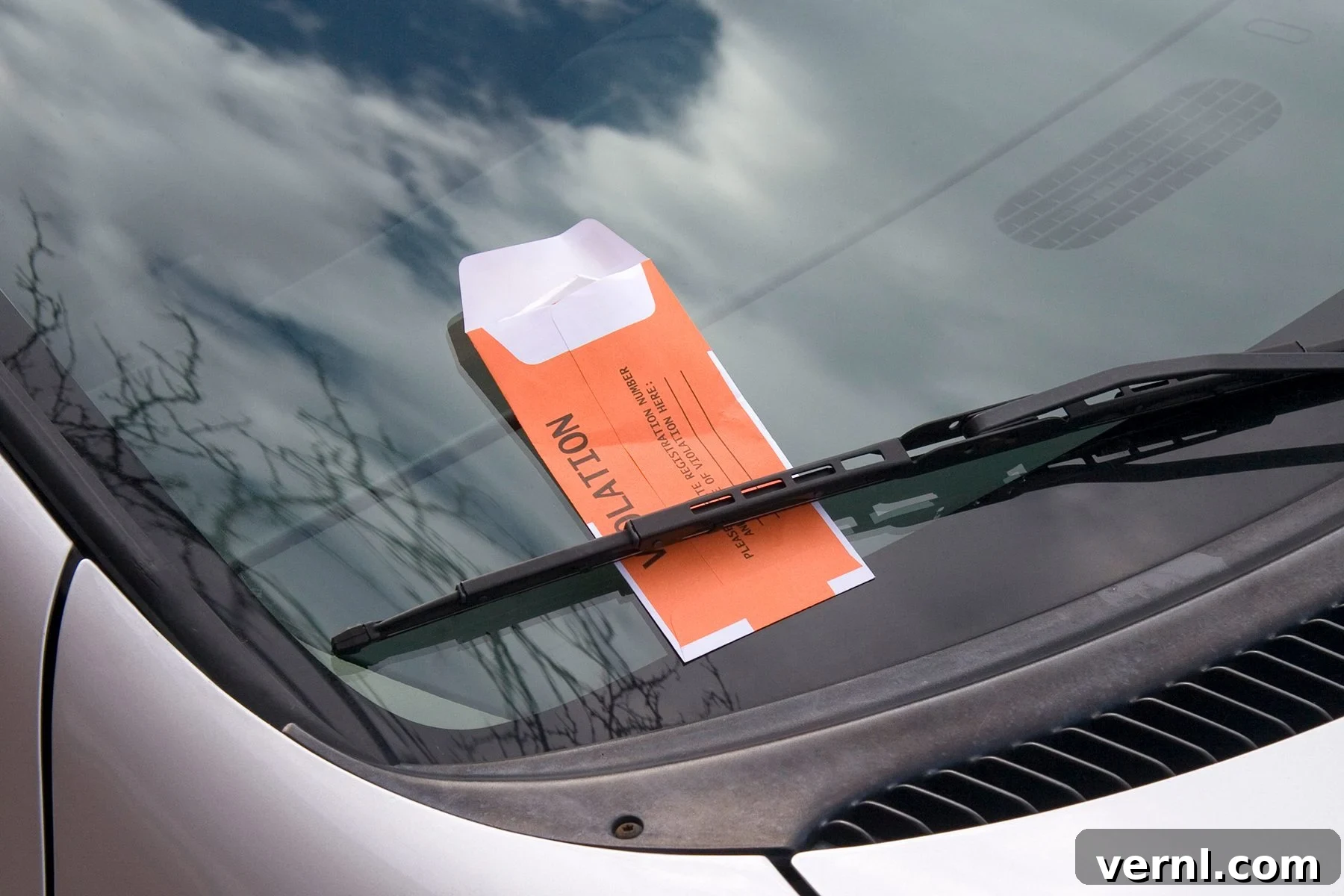
Have you ever noticed a vehicle in your neighborhood that appears to have been stationary for an unusually long time? Perhaps it sits gathering dust, tires deflating, or seemingly forgotten. This common sight often triggers a series of actions by local authorities, starting with the placement of a distinctive orange tag or sticker on the vehicle’s window or windshield. This seemingly simple marker is a clear signal that the car has caught the attention of local law enforcement and is now officially under investigation as a potentially abandoned vehicle.
An abandoned vehicle is more than just an inconvenience; it can pose various issues for a community. From becoming an eyesore that detracts from property values to creating potential safety hazards, such as attracting vandalism, accumulating debris, or even becoming a fire risk, these vehicles require prompt action. The orange tag serves as an initial warning, indicating that the car has not moved from its location for a period deemed suspicious and is now considered unsightly or a potential public safety concern without a clear explanation for its prolonged presence.
Understanding the implications of an orange tag is crucial, whether you are a concerned resident reporting a vehicle or a car owner who suddenly finds one affixed to your own property. This guide will delve into what an orange tag signifies, the legal definition of an abandoned vehicle, the steps involved in reporting one, and most importantly, what you need to do if your car is tagged by local authorities.
Understanding the Orange Tag on Your Car: A Signal from Local Authorities
An orange violation sticker, or “tag,” placed on your car window or windshield is a direct message from local law enforcement. It means that officials in your area have investigated your vehicle’s stationary status and have determined it meets the initial criteria for being “abandoned” or is in violation of specific parking or municipal ordinances. This isn’t just a casual notice; it’s a formal step in a process that could ultimately lead to your vehicle being towed and impounded.
Upon receiving such a tag, it’s essential to understand that time is of the essence. In most jurisdictions, there is a grace period, typically around 10 days, during which the vehicle owner is expected to address the issue. Failure to do so within this timeframe almost invariably results in the vehicle being towed from its location. The specific details regarding the duration of this grace period, the exact violation, and the necessary steps to resolve it are usually detailed on the tag itself. Therefore, the first and most critical action is to carefully read all information provided on the sticker.
It’s important to note that while “abandoned” is the primary reason for these tags, they can also be issued for other significant violations, such as vehicles that are illegally parked, unregistered, lack proper license plates, or have accumulated a high number of unpaid parking tickets. Regardless of the specific reason, the underlying message is clear: your vehicle is currently in violation of local regulations and requires immediate attention to avoid further penalties and costs.
Should your vehicle already have been towed from its original location, the situation becomes more complex. You will then need to contact local authorities, typically the police or parking enforcement department, to ascertain where it has been impounded. Releasing an impounded vehicle will require satisfying all outstanding fees, which can include towing charges, daily storage fees, and any associated fines or penalties. These costs can quickly accrue, making timely action paramount.
What Legally Constitutes an Abandoned Vehicle?
Defining an “abandoned car” is not always straightforward, as the specific criteria can vary significantly based on local and state laws. Generally, an abandoned car is any vehicle left unattended on public or private property for an extended period of time beyond what is permitted by state statutes and city ordinances. The core idea is that the owner has relinquished apparent possession and responsibility for the vehicle, often leaving it in a state of disrepair or neglect.
Common scenarios that lead to a vehicle being deemed abandoned include:
- Prolonged Stays on Public Property: A vehicle parked on a public street, road, or lot that has not been moved for a specific number of days (e.g., 24, 48, 72, or 96 hours, depending on local codes) and shows signs of neglect.
- Private Property Without Permission: A vehicle left on someone else’s private property (e.g., a commercial parking lot, a residential driveway, or vacant land) without the property owner’s consent. This is a common issue for businesses and landowners.
- Derelict Condition: Vehicles that are clearly inoperable, missing essential parts (like tires or engines), extensively damaged, or unregistered can be flagged as abandoned more quickly, even if they haven’t been stationary for an extremely long period.
- Outstanding Financial Obligations: In some cases, vehicles with significant unpaid parking tickets, registration fees, or liens might also be subject to abandonment procedures, especially if they are also parked illegally or for an extended duration.
The policies surrounding abandoned cars are not arbitrary; they are in place for several critical reasons aimed at maintaining public order, safety, and aesthetic standards. These include:
- Preventing Fire Hazards: Old or damaged vehicles, especially those leaking fluids, can become fire risks.
- Eliminating Unattractive Nuisances: Dilapidated vehicles are eyesores that can lower property values, attract litter, and contribute to a general decline in neighborhood aesthetics.
- Addressing Health and Safety Concerns: Abandoned vehicles can become breeding grounds for pests, collect hazardous waste, or attract individuals engaging in illicit activities. They can also pose a physical danger to children who might attempt to play in or around them.
- Freeing Up Parking Spaces: In urban areas, abandoned vehicles occupy valuable parking spots that could be used by residents and visitors.
- Environmental Protection: Leaking fluids from neglected vehicles can contaminate soil and water supplies.
An abandoned car is therefore a legal and community concern that necessitates clear definitions and enforcement mechanisms.
Varying Timeframes: How Long Before a Car is Deemed Abandoned?
One of the most common questions regarding abandoned vehicles is, “How long do you have before a car is considered abandoned?” The answer, crucially, is that it varies significantly depending on local and state laws. There isn’t a universal federal standard; instead, municipalities and states establish their own guidelines based on local needs and resources.
For instance, in some densely populated urban areas or where parking is at a premium, a vehicle suspected of being abandoned may be reported and investigated after being stationary on public property for as little as 24 hours. This stricter timeline is often implemented to ensure constant turnover of parking spaces and prevent blight. Conversely, in more rural or suburban regions, the timeframe might be more lenient, with some areas considering cars abandoned only after 72 or even 96 hours (four days) of continuous, unexplained parking in one spot.
These varying timeframes underscore the importance of understanding your specific local ordinances. Factors influencing these regulations include:
- Population Density: Denser areas typically have shorter abandonment periods.
- Parking Availability: Areas with limited parking often enforce stricter rules.
- Public Safety Concerns: Locations prone to crime or with high pedestrian traffic may have shorter periods to remove potential hazards.
- Type of Property: Regulations often differ for public streets, private residential property, and private commercial property. A vehicle left on a private lot without permission might be subject to different towing laws and timelines compared to one on a public street.
It’s always advisable for residents and vehicle owners to check with their local police department, sheriff’s office, or municipal code enforcement division to understand the precise regulations in their area. Being aware of these timeframes can prevent unnecessary issues, whether you’re reporting a vehicle or trying to avoid your own car being tagged.
How to Report an Abandoned Vehicle in Your Community
If you identify a vehicle that you suspect is abandoned, reporting it is a civic duty that contributes to community safety and aesthetics. The process for reporting an abandoned vehicle falls under the laws and jurisdiction of the specific city, town, or county where the vehicle is located. Following the correct procedure ensures that local authorities can investigate and take appropriate action.
To make a report for an abandoned vehicle, your first step should be to contact your local police department, sheriff’s department, or municipal code enforcement office. Most jurisdictions have dedicated procedures for handling such reports. You can typically find the relevant contact information on your city or county government website.
When making a report, providing as much accurate and detailed information as possible will greatly assist authorities in their investigation. Key information to include usually comprises:
- Exact Location of the Vehicle: Provide the complete street address, including cross streets, landmarks, or any other descriptive information that helps pinpoint the vehicle’s location accurately. For instance, “on Elm Street, between Oak and Maple, directly in front of 123 Elm Street.”
- Vehicle Description: Detail the color, make, model, and any distinguishing features (e.g., dents, missing parts, window tint). Most importantly, provide the vehicle’s license plate number and the state of issuance.
- Estimated Duration: Give an honest estimate of how long the vehicle has been in its current location. This helps authorities assess if it meets the local criteria for abandonment.
- Property Type: Specify whether the car is located on public property (e.g., a street, public parking lot) or private property (e.g., a driveway, vacant lot, business parking area). This distinction is crucial as different laws and procedures may apply.
- Signs of Abandonment: Mention any observable signs such as flat tires, expired tags, broken windows, accumulation of dust or debris, or obvious damage.
In most cities and towns, reports for abandoned vehicles can be made by calling the local police non-emergency contact number. Many police precincts and municipal websites also offer convenient online forms specifically designed for reporting abandoned vehicles, which can streamline the process. Once a report is filed, authorities will typically dispatch an officer or enforcement agent to investigate, verify the vehicle’s status, and if warranted, place an orange tag on it, initiating the grace period for the owner to respond.
It’s important to remember that the ultimate responsibility for an abandoned vehicle, including all towing and impoundment fees, rests with the vehicle’s registered owner. Reporting a vehicle helps ensure that these responsibilities are met and that the community remains safe and orderly.
What to Do If Your Car Receives an Orange Tag
Discovering an orange sticker on your car can be alarming, but it’s crucial to remain calm and act swiftly. This tag is a formal notification from local authorities, signaling that your vehicle is considered abandoned, in violation of parking regulations, or has other unresolved issues. Your immediate actions can determine whether you avoid costly towing fees, fines, and the hassle of reclaiming your vehicle from an impound lot.
Step-by-Step Guide When Your Car is Tagged:
- Read the Tag Carefully and Immediately: This is the most important first step. The orange sticker contains vital information. It will typically specify the reason for the tag (e.g., “Abandoned Vehicle,” “Parking Violation,” “Expired Registration”), the exact ordinance violated, a deadline for addressing the issue, and contact information for the issuing authority. Look for details regarding outstanding tickets, potential fines, and the critical deadline before towing.
- Identify the Issuing Authority: The tag should clearly state which department issued it—be it the police department, sheriff’s office, parking enforcement, or code enforcement.
- Contact the Issuing Authority Promptly: As soon as you understand why your car was tagged, contact the local police department or the specified authority. Use the non-emergency number provided on the tag or found on their official website. Explain that your vehicle has received an orange tag and you need information on how to resolve the issue. Be prepared to provide your vehicle’s license plate number and the tag’s reference number (if available).
- Understand the Violation and Requirements: Ask the representative for a clear explanation of the specific violation. Inquire about the exact steps you need to take to rectify the situation. This could involve:
- Moving the Vehicle: If it’s a parking violation or a simple abandonment tag, you may just need to move your car to a legal spot or show that it is operational.
- Updating Registration/Tags: If the issue is expired registration or license plates, you’ll need to update these with the Department of Motor Vehicles (DMV) and provide proof to the authorities.
- Paying Fines/Tickets: If there are outstanding tickets or bills, you will need to pay them.
- Making Repairs: If the car is deemed derelict or inoperable, you might need to prove it’s being repaired or moved to a repair shop.
- Adhere to the Deadline: The sticker will give you a specific timeframe—often 48 hours, 72 hours, or 10 days—to address the issue. It is absolutely critical to meet this deadline. Failure to do so will almost certainly result in your vehicle being towed and impounded. Once impounded, the costs escalate significantly with towing fees, daily storage fees, and additional fines.
- Document Everything: Keep detailed records of all communications, including dates, times, names of individuals you spoke with, and what was discussed. Take photos of your vehicle, the tag, and its location, especially after you’ve taken corrective action. Keep receipts for any payments made.
- Prevent Future Occurrences: Once the immediate issue is resolved, take steps to prevent your car from being tagged again. This includes regularly moving your vehicle if it’s parked on public streets, ensuring your registration and inspection are current, and avoiding parking in restricted areas. If you plan to leave your vehicle stationary for an extended period, especially on public property, consider notifying local authorities or arranging for it to be stored legally.
Ignoring an orange tag is the worst possible course of action. Any issues must be addressed within the indicated timeframe or the car will be towed. The sticker serves as a final warning, and prompt, decisive action is your best defense against the escalating costs and inconvenience associated with an impounded vehicle.
Preventative Measures and Best Practices to Avoid an Orange Tag
While encountering an orange tag on your vehicle can be stressful, many of these situations are preventable. By adopting a few best practices and maintaining awareness of local regulations, you can significantly reduce the risk of your car being deemed abandoned or in violation.
- Regularly Move Your Vehicle: If you park on public streets, make an effort to move your car periodically, even if it’s just a short distance. This demonstrates that the vehicle is in active use and prevents it from appearing neglected. Be mindful of street cleaning schedules and temporary parking restrictions.
- Keep Registration and Inspection Current: Expired tags are a common reason for vehicles to be flagged. Always ensure your vehicle’s registration, inspection, and license plates are up-to-date. Renew them well in advance of their expiration dates.
- Maintain Your Vehicle: A car that looks well-maintained, even if old, is less likely to be considered abandoned. Keep it clean, ensure tires are inflated, and address any visible damage that might make it appear derelict.
- Be Mindful of Parking Regulations: Always pay attention to parking signs, curb markings, and local ordinances. Avoid parking in “No Parking” zones, commercial areas for extended periods, or private property without explicit permission.
- Notify Authorities for Extended Absence: If you plan to leave your vehicle parked in one spot for an extended period (e.g., due to vacation, medical leave, or travel), especially on public property, consider notifying your local police department or parking enforcement. Some municipalities have forms or procedures for temporary parking permits or notifications that can prevent your car from being tagged.
- Secure Private Property Parking: If you own a business or private property where vehicles might be left, clearly post “No Parking” or “Tow Away Zone” signs to deter unauthorized abandonment.
- Address Breakdowns Promptly: If your car breaks down on a public street, arrange for towing or repair as quickly as possible. Leaving a disabled vehicle for too long can lead to it being tagged.
- Know Your Local Laws: Familiarize yourself with your city’s specific ordinances regarding vehicle abandonment, parking limits, and enforcement procedures. This knowledge is your best defense.
By being proactive and attentive to these details, you can ensure your vehicle remains in good standing with local authorities and avoid the inconvenience and expense associated with an orange tag and potential impoundment.
Conclusion
An orange tag on a car is more than just a sticker; it’s a critical message from your local community and law enforcement. It signals that your vehicle has been identified as potentially abandoned or in violation of local regulations, prompting an official response. Understanding the definition of an abandoned vehicle, the varying timeframes for such designation, and the proper channels for reporting or responding to a tag is essential for every vehicle owner and responsible citizen.
Whether you’re concerned about an eyesore in your neighborhood or have found a tag on your own car, prompt and informed action is key. By familiarizing yourself with local ordinances, maintaining your vehicle, and acting swiftly if a tag appears, you can contribute to a safer, cleaner community and avoid unnecessary penalties and costs. Staying informed and compliant ensures that both you and your vehicle remain in good standing with local authorities.