
In the vast digital landscape of TikTok, countless trends emerge daily, promising ingenious home hacks and lifestyle improvements. While many of these viral tips can indeed be genuinely helpful, it’s crucial to exercise caution, as some can prove to be ineffective, misleading, or, most alarmingly, downright dangerous. A recent viral sensation falls into the latter category, proposing a highly risky method for heating your home that has sparked significant safety concerns among experts.
As winter approaches and temperatures drop across the country, households are bracing themselves for significantly higher utility bills. The cost of heating is rising at an alarming rate, pushing many homeowners to seek creative and affordable solutions to save money on their home energy bills. This financial pressure, unfortunately, often leads individuals to embrace untested DIY solutions. Among the latest circulating online, one particular TikTok hack has gained immense traction, advocating the use of homemade terracotta heaters to warm living spaces.
Under the hashtag #terracottapotheater, videos demonstrating this heating method have amassed over 2 million views, quickly establishing it as a widespread phenomenon. At first glance, the concept appears harmless and deceptively simple. However, despite its innocent appearance, heating and fire safety experts are issuing urgent warnings: these DIY terracotta heaters are far from harmless. They represent significant fire hazards and pose a range of other serious threats to both your property and personal safety, making them a perilous choice for home heating.
Understanding the Viral Terracotta Heater Hack
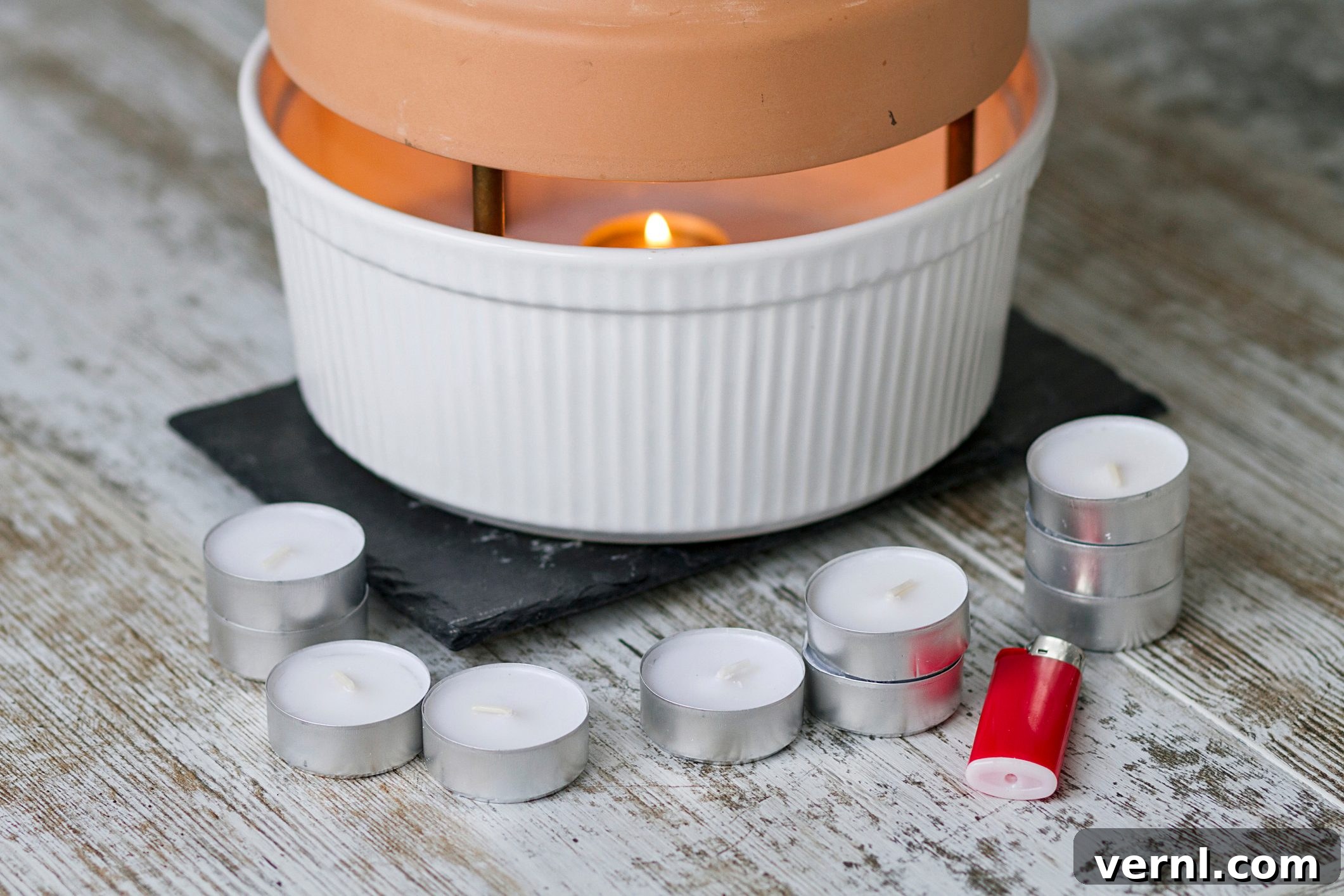
So, what exactly is a terracotta heater, and why has it captured so much attention on social media? The viral TikTok hack involves a remarkably straightforward, yet fundamentally flawed, design. A terracotta heater is essentially a makeshift device constructed from readily available materials: one or more terracotta plant pots and several lit candles.
The core concept is to invert a terracotta plant pot (or sometimes multiple pots nested together) over a cluster of lit tea lights or small candles. The expectation is that the heat generated by the burning candles will accumulate within the enclosed space of the terracotta pot. As the pot absorbs this heat, its ceramic material is supposed to radiate warmth into the surrounding room, effectively functioning as a makeshift, low-cost radiator.
Proponents of this hack on TikTok promote it as an inexpensive and accessible alternative to conventional home heating systems, especially appealing during periods of colder weather and escalating energy costs. The allure lies in its perceived simplicity and the promise of warmth without the hefty price tag associated with central heating or electric space heaters. Users showcase how they place these DIY heaters on tables or floors, believing they are creating a cozy and warm environment. However, as safety experts emphasize, the risks associated with this method far outweigh any perceived benefits, rendering it an extremely ill-advised strategy for warming your home.
Are DIY Terracotta Heaters Truly Safe? An In-Depth Look at the Dangers
While the idea of a cost-effective, DIY heating solution can be highly tempting, particularly when faced with rising energy bills, numerous fire safety professionals and heating experts are unequivocally warning against the use of terracotta heaters. They highlight that these seemingly benign setups are, in reality, dangerous fire hazards that present a multitude of serious risks, including potential health hazards beyond just fire.
1. Extreme Fire Risk from Open Flames and Melted Wax
The most immediate and obvious danger associated with terracotta heaters stems from the use of multiple open flames within a potentially unstable setup. The lit candles are a constant source of ignition. When combined with melted wax, which is itself flammable, and placed near combustible materials common in any home – such as curtains, carpets, wooden furniture, or upholstery – the risk of fire escalates dramatically. A momentary lapse in attention or a simple accident can lead to devastating consequences. The concentrated heat can also cause the wax to overheat and ignite more rapidly than it would in a regular candle holder, creating a larger, uncontrolled flame.
2. Severe Burn Hazards
Terracotta is an excellent insulator, which is why it retains heat. While this characteristic is central to the hack’s premise, it also makes the heated pot incredibly dangerous. Once the terracotta pot has absorbed heat from the candles, its surface can reach extremely high temperatures, far beyond what is safe to touch. Accidental contact with the hot pot can result in severe burns to hands, fingers, or any exposed skin. This risk is particularly high in households with children or pets, who might not understand the danger and inadvertently touch the scorching surface.
3. Instability and Tipping Hazards
The typical setup for a terracotta heater involves an inverted pot balanced precariously over several small candles. This arrangement is inherently unstable. It can be easily knocked over by a playful pet, a curious child, or even an accidental bump from an adult. If the pot is dislodged, the exposed lit candles can roll onto flammable surfaces like rugs, bedding, curtains, or even ignite any loose papers or nearby decorative items. This sudden exposure of open flames to combustible materials can lead to a rapidly spreading house fire, often before anyone has time to react.
4. Risk of Explosion from Trapped Moisture
Perhaps one of the most unexpected, yet terrifying, risks is the potential for the terracotta pot to explode. Terracotta, being a porous material, can absorb and retain moisture from the air or from previous uses (e.g., watering plants). When a pot containing even a small amount of trapped moisture is subjected to the intense, sustained heat from the lit candles, that moisture will turn into steam. If this steam becomes trapped inside the enclosed space of the inverted pot, pressure will build rapidly. As the pressure intensifies, the pot can rupture violently, sending ceramic shards flying. Such an explosion could cause serious injuries, including lacerations, eye damage, and property damage.
5. Carbon Monoxide Poisoning
A critical danger often overlooked in discussions of candle-based heating is the risk of carbon monoxide (CO) poisoning. Burning candles, especially multiple candles in an enclosed space, consume oxygen and produce carbon monoxide as a byproduct of incomplete combustion. Carbon monoxide is an invisible, odorless, and tasteless gas that can be fatal when inhaled in sufficient concentrations. While a single candle might not pose a significant threat in a well-ventilated room, using multiple candles under an inverted pot can create a more concentrated source of CO, particularly if the room is not adequately ventilated. Symptoms of CO poisoning include headaches, dizziness, nausea, and disorientation, and prolonged exposure can lead to unconsciousness, brain damage, and death. It’s imperative to have working carbon monoxide detectors in your home if you are burning anything indoors, but it’s far safer to avoid practices that increase CO production.
6. Inefficiency and Limited Heating Capacity
Beyond the severe safety risks, it’s also important to address the practical efficacy of these DIY heaters. While the terracotta pot does get hot, its ability to significantly raise the ambient temperature of an entire room is negligible. The amount of heat generated by a few tea lights is minimal, and most of it is quickly dissipated into the surrounding air. For any noticeable effect, an impractical and dangerously large number of candles and pots would be required, further amplifying all the aforementioned risks. In essence, while they might feel warm to the touch, terracotta heaters are highly inefficient at providing actual room heating and are a poor substitute for legitimate heating solutions.
In conclusion, while the intention behind seeking affordable heating alternatives is understandable, the viral terracotta heater hack is a dangerous and ineffective solution. The severe risks of fire, burns, explosions, and carbon monoxide poisoning far outweigh any minor, if any, perceived benefits. Prioritizing safety and investing in proven, safe heating methods is always the wisest course of action.
Safer and More Effective Ways to Heat Your Home (and Save Money)
Instead of resorting to dangerous DIY hacks, there are numerous legitimate, safe, and effective ways to warm a room and reduce your heating bills this winter. Many of these strategies focus on improving your home’s energy efficiency and utilizing existing resources wisely. Consider these practical projects to keep your house warm without compromising safety:
- Enhance Your Home’s Insulation: Adding or upgrading insulation in your attic, walls, and crawl spaces is one of the most effective long-term investments for retaining heat. Proper insulation acts as a barrier, preventing warm air from escaping and cold air from entering, leading to significant savings on energy bills. Consider blown-in fiberglass, cellulose, or rigid foam boards for maximum efficiency.
- Utilize Your Fireplace Safely: If you have a fireplace, enjoy the warmth it provides. Keep a fire lit throughout the day using seasoned logs or even specialized fireplace-safe candles designed for ambiance (never use regular candles directly in the fireplace for heat). Always ensure your chimney is clean and inspected annually, and never leave a fire unattended. A chimney balloon can also prevent heat loss when the fireplace is not in use.
- Invest in a Quality Electric Fireplace or Heater: Modern electric fireplaces and heaters offer warmth, ambiance, and safety. Look for models with built-in thermostats, tip-over protection, and overheat shut-off features. The best electric fireplace heater for your space can provide supplemental heat to specific rooms without the hazards of open flames or combustion byproducts.
- Seal Drafts with Weatherstripping and Caulking: Drafts around windows and doors are major culprits for heat loss. Apply weatherstripping to the frames of leaky doors and windows to create a tighter seal. Use caulk to seal any gaps or cracks around window frames, door frames, and where walls meet ceilings or floors. This simple, inexpensive fix can make a substantial difference in preventing cold air infiltration.
- Install Thicker Window Coverings: Heavy curtains, thermal drapes, or cellular shades act as an additional layer of insulation for your windows. Close them at night to trap heat inside and prevent cold air from radiating inward. During the day, open them to let in natural sunlight.
- Check for Inconspicuous Drafts: Beyond windows and doors, drafts can sneak in through unexpected places. Use an incense stick or a lit candle to check for drafts around electrical outlets, light switches, plumbing penetrations, and attic access points. Seal these openings with foam gaskets or caulk.
- Purchase a Safe Space Heater: For supplemental heating in specific rooms, a modern, safety-certified space heater is a far better choice than DIY solutions. Look for features like tip-over switches, automatic shut-off, and cool-touch exteriors. Always follow manufacturer instructions and keep the heater at least three feet away from anything flammable.
- Maximize Natural Sunlight: During daylight hours, especially on sunny winter days, open blinds and curtains on south-facing windows. Sunlight is a powerful, free heat source that can significantly warm a room. Close them again as the sun sets to trap the absorbed heat.
- Cook and Bake More Often: Utilize your kitchen appliances to contribute to your home’s warmth. Cooking and baking generate a considerable amount of heat, making your kitchen and adjacent rooms feel cozier. After baking, leave the oven door ajar (once it’s turned off and cool enough to do so safely) to allow residual heat to radiate into the room.
- Be Mindful of Open Doors: Develop the habit of quickly opening and closing exterior doors. Every time a door is left open, a significant amount of warm air escapes, and cold air rushes in, forcing your heating system to work harder.
- Have Your Air Ducts Cleaned and Inspected: Over time, air ducts can accumulate dust and debris, reducing the efficiency of your heating system. A professional cleaning and inspection can ensure your system is distributing heat effectively and not losing warmth through leaks in the ductwork.
- Dress in Layers and Use Warm Textiles: Sometimes the simplest solutions are the most effective. Dress in warm layers, wear thick socks, and use blankets and throws. A hot cup of tea or coffee can also provide internal warmth.
- Use Area Rugs: If you have hard flooring, adding area rugs can help insulate your floors and make rooms feel warmer underfoot.
- Consider a Smart Thermostat: A programmable or smart thermostat allows you to optimize your heating schedule, ensuring your home is warm when you need it and conserving energy when you’re away or asleep. Many smart thermostats can learn your preferences and adjust accordingly, leading to significant savings.
For truly dire situations or if you find yourself without power, it’s essential to know about emergency heating strategies. Explore ways to heat your home in an emergency, which often involve non-electrical solutions, but always prioritize safety and carbon monoxide detection during such events.
By implementing these proven and safe methods, you can effectively manage your home’s heating needs, reduce energy consumption, and stay warm throughout the winter without exposing yourself or your family to unnecessary risks. Always prioritize safety over trending hacks when it comes to your home’s comfort and well-being.