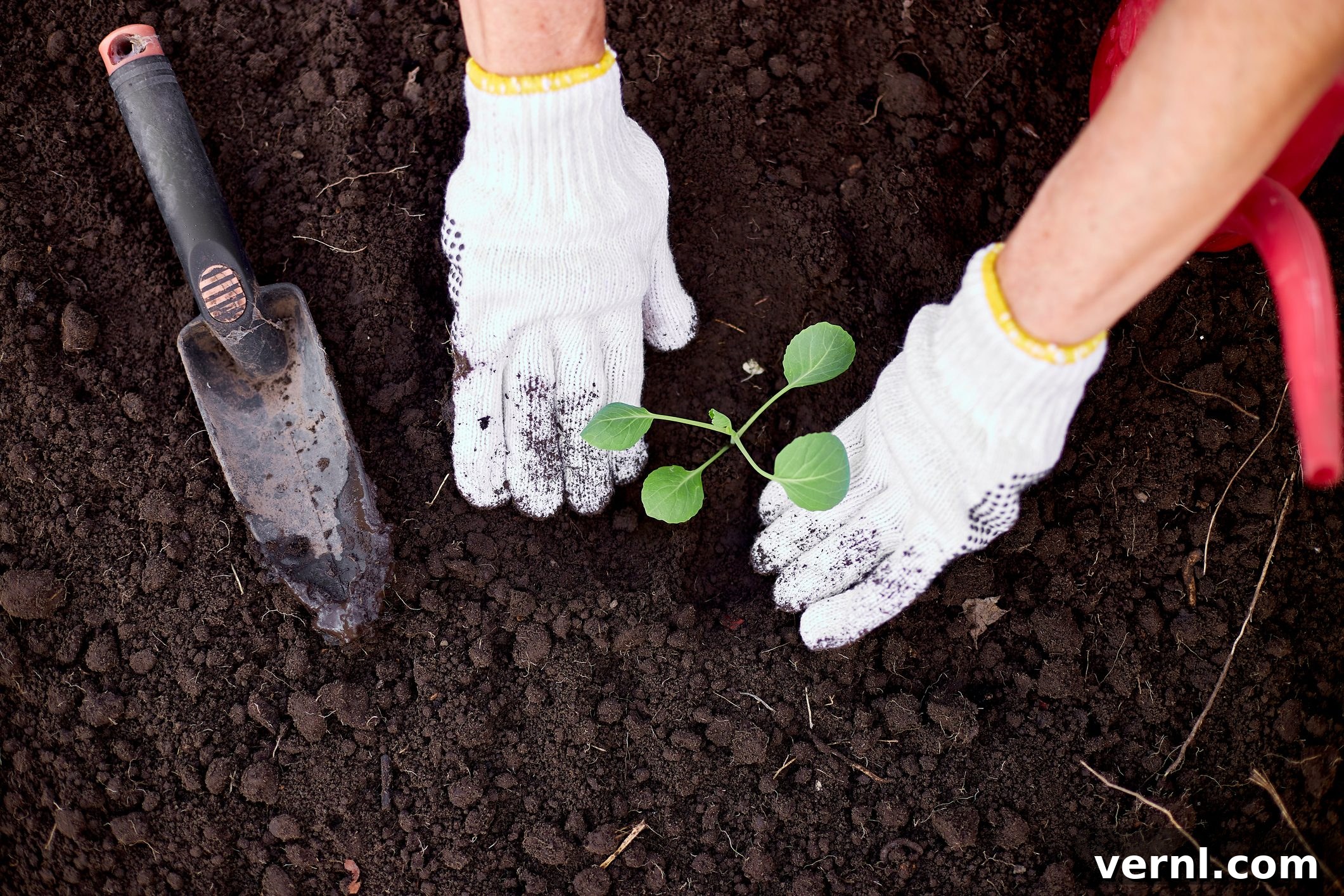
Imagine the diverse tapestry of soils across the globe: the sun-baked, dusty red dirt of the Utah desert, the rich, dark spongy soils beneath the old-growth forests of the Pacific Northwest Cascades, or a silvery-gray, sandy path weaving through the lanky Florida pines. A single glance at any of these unique soils can offer profound insights into the kind of vegetation that might naturally flourish there. In the more intimate setting of your own garden, the color of your soil serves as an equally powerful indicator, revealing not only what plants are likely to thrive but also what essential amendments you might need to introduce to cultivate a more viable and fertile growing medium.
For instance, if your garden soil exhibits reddish or yellowish hues, it often suggests a need for additional organic matter. This crucial amendment can significantly enhance its structural integrity, improve water retention, and boost its nutrient content, creating a more hospitable environment for plant life. Delving deeper into the fascinating world of soil chromatics, we’ll explore the intricate meanings behind various soil colors, offering expert insights from seasoned professionals. Greg Niewold, the owner/operator of Power Planter, and Kathy Glassey, Director of Renewable Services for Monster Tree Service, lend their invaluable expertise to guide us through this colorful journey into the heart of healthy soil.
The Coveted “Black Gold”: Understanding Black or Dark Brown Soil
Among gardeners, black or deeply dark brown soil is often considered the ultimate prize, affectionately dubbed “black gold.” This revered soil color is a direct testament to an abundant presence of organic matter, which has undergone extensive decomposition. According to Greg Niewold, “The darker the color, the more decomposed the organic matter is into humus.” Humus, the stable end product of organic decomposition, is a highly beneficial substance that gives this soil its characteristic rich, dark hue. This process is often aided by the presence of sodium, which helps in the even dispersal of organic matter and humus throughout the soil profile.
This type of soil is exceptionally fertile, boasting a remarkable capacity to retain moisture and nutrients while simultaneously providing excellent aeration. The high organic content acts as a sponge, holding water for longer periods, which is vital for plant roots. Moreover, it creates a thriving ecosystem for beneficial microorganisms, earthworms, and other soil biota, all of which contribute to a healthy soil food web and continuous nutrient cycling. Most plants, from robust vegetables to delicate ornamentals, will flourish in such an environment due to its balanced composition and high nutrient availability.
However, even black gold comes with a slight caveat. As Niewold points out, “The only caveat is that black soil may contain more moisture, so plants that like it dry, such as lavender, may not respond well.” For moisture-sensitive plants, strategies such as raised beds with a custom mix or incorporating coarse sand to improve drainage can be beneficial. To cultivate your soil into this desirable black gold, consistent effort in adding specific amendments is key. Incorporating well-rotted compost, which enriches soil structure and introduces a broad spectrum of nutrients, is paramount. Peat moss can enhance water retention and gradually release nutrients, while humates improve nutrient uptake. The addition of worm castings, rich in microbial life and plant-available nutrients, is another excellent way to boost fertility and soil health. Regular application of these amendments will progressively transform your garden into a haven of rich, dark, and vibrant soil.
The Starting Point: Light Brown or Tan Soil
Many home gardens begin their journey with soil that is light brown or tan in color. This prevalent shade can offer varying indications depending on its saturation and intensity. Generally, brown hues suggest a moderate level of organic matter and a reasonable, though not optimal, soil structure. It often implies low to moderate levels of essential elements like iron and phosphorus, and a moderate capacity for available water. This soil is not barren, but it signals room for significant improvement.
Greg Niewold notes that “Pale soil needs organic matter, fertilizing and mulching, but the soil can sustain life.” This means while it won’t produce bumper crops without intervention, it provides a decent foundation. It’s often suitable for low-water plants that don’t demand a rich, constantly moist environment. Improving light brown soil focuses on incrementally increasing its organic matter content. Regular additions of compost, aged manure, or cover crops will gradually darken the soil, improve its structure, and enhance its nutrient-holding capacity. Fertilizing, based on soil test results, can address specific nutrient deficiencies. Mulching is another critical practice; a generous layer of organic mulch helps conserve moisture, regulate soil temperature, suppress weeds, and slowly break down to contribute to the organic content over time. With consistent care and thoughtful amendments, light brown soil can be transformed into a productive and healthy medium for a wider array of plants.
The Challenge: White or Pale Soil
White or pale soils often present a stark, bleached, or washed-out appearance, sometimes appearing as light brown when completely dry. This coloration is usually a significant cause for concern, as it typically indicates a profound lack of essential nutrients and poor water retention capabilities. The paleness can suggest that your soil contains a high percentage of sand, which naturally drains very quickly and has limited ability to hold onto nutrients. Alternatively, it can signify that crucial minerals such as iron, manganese, and other vital micronutrients have been leached out, especially in areas with heavy rainfall or excessive irrigation.
Greg Niewold’s assessment is unequivocal: “White soil is not suitable for plant life as it contains little nutrients or ability to hold water.” This type of soil often lacks the organic matter and clay particles necessary to bind nutrients and retain moisture, making it incredibly challenging for most plants to establish and thrive. Roots struggle to find sustenance, and drought stress is a constant threat.
Ameliorating white or pale soil demands a considerable investment of time, energy, and resources. It requires a sustained and consistent effort to introduce large quantities of organic matter. Regular applications of well-rotted compost are vital, as it improves structure, adds nutrients, and enhances water-holding capacity. Humates, derived from ancient plant matter, can help improve nutrient availability and soil structure. Peat moss amendments can also aid in moisture retention and soil aeration. This process isn’t a quick fix; it requires ongoing commitment over several seasons to build up a fertile and viable growing medium. Given the arduous nature of improving this soil type, many gardeners find it more practical and rewarding to consider alternative gardening methods. Cultivating in raised beds filled with high-quality, purchased topsoil from a local nursery offers an immediate solution, providing an optimal growing environment without the lengthy process of soil reclamation. Container gardening is another excellent option, allowing for precise control over the potting mix and nutrient levels, ensuring your plants receive exactly what they need to flourish.
The Minerally Rich: Reddish Soil
Reddish soil, ranging in hues from light red to deep, rusty tones, evokes images of the iconic red rock landscapes of the Western U.S. As Greg Niewold aptly describes, “Reddish and red-brown soils come in a range of hues, but picture the red rocks of the Western U.S., a burnt, rusty red.” This distinctive color is primarily due to a high concentration of iron oxide, specifically hematite, which is dehydrated and gives the soil its characteristic brick-red appearance. These soils are often naturally acidic, which can influence nutrient availability, as certain nutrients become less accessible to plants in low pH conditions. They also tend to be low in calcium, a crucial nutrient for plant cell wall development, and frequently possess a high clay content.
The intensity of the red color can provide further clues about the soil’s characteristics. A darker red often suggests a greater presence of organic matter, which can improve drainage and nutrient retention, mitigating some of the challenges associated with high clay content. Conversely, a bright, vivid red typically indicates excellent drainage, as the iron oxides are fully exposed to oxygen and water flows freely. A pale red, on the other hand, might signal that nutrients have been leached out, reducing the soil’s fertility.
Despite their challenges, reddish soils can be highly productive with the right management. Niewold suggests that vegetables with shallow roots that appreciate consistent moisture, such as lettuce, green beans, and chard, can do particularly well in red soil due to its water-retaining properties, especially if it has a good clay component. Plants like broccoli, Brussels sprouts, and cabbage also thrive in red clay soil because their robust root systems can anchor themselves effectively in its denser structure. To optimize reddish soil, it is crucial to incrementally increase its organic matter content through regular applications of compost, aged manure, or by planting cover crops. This helps improve soil structure, enhance drainage, and gradually release a broader spectrum of nutrients. Additionally, it’s often necessary to address specific mineral deficiencies revealed by a soil test. To counteract the natural acidity and raise the pH to a more plant-friendly range, you can add lime. Various types of lime exist, such as dolomitic or calcitic lime, each offering slightly different benefits. It’s essential to conduct a soil pH test before applying lime to ensure the correct amount is used, as over-liming can also cause nutrient deficiencies. Careful management of reddish soil can transform its inherent mineral richness into a highly productive garden environment.
The Oxidized Earth: Yellow or Yellow-Brown Soil
Yellowish soil, or yellow-brown soil, shares a kinship with its reddish counterparts, but its distinct hue stems from the presence of a different iron oxide mineral: goethite. Unlike the dehydrated hematite found in red soils, goethite is a hydrated form of iron oxide, meaning it contains water molecules bound within its structure, giving the soil its characteristic yellow or yellowish-brown appearance. As with red soils, the brightness of the yellow color can offer clues about the soil’s drainage and nutrient availability. A brighter yellow generally indicates better drainage and aeration, suggesting that the iron oxides are well-oxidized and moisture doesn’t linger excessively.
However, yellow soils often face common issues such as poor drainage and compaction, particularly if they have a high clay content. When compacted, these soils can restrict root growth and prevent proper air and water circulation. If the soil appears pale yellow, it is often a sign of nutrient leaching, indicating that essential minerals have been washed away, leaving the soil less fertile. This can occur in areas with heavy rainfall or where irrigation is not managed efficiently.
Regardless of the specific shade of yellow your soil exhibits, the overarching recommendation for improvement remains consistent: you will need to significantly increase its organic matter content. Regular incorporation of rich, well-decomposed compost is crucial, as it enhances soil structure, improves drainage in compacted areas, and boosts the soil’s capacity to retain both moisture and nutrients. Green manures or cover crops, tilled into the soil, also provide excellent organic material, enriching the soil over time. For areas with persistent drainage issues, considering the addition of coarse sand can sometimes help, though it must be done carefully to avoid creating a concrete-like mixture with high clay soils. A comprehensive soil test is highly recommended for yellow soils to pinpoint specific nutrient deficiencies and pH imbalances, allowing for targeted amendment strategies. By consistently working organic matter into yellow soil, gardeners can gradually transform it into a more permeable, nutrient-rich, and productive growing medium.
The Alarm Bells: Gray or Green Soil
Encountering gray or green soil in your garden should immediately raise a red flag, as these colors are potent indicators of significant underlying problems. Such coloration almost invariably points to severe waterlogging or extremely poor drainage. When soil is constantly saturated with water, oxygen is driven out, creating an anaerobic (oxygen-deprived) environment. In these conditions, aerobic bacteria—the beneficial microorganisms that efficiently break down organic matter in healthy soil—cannot survive. Instead, anaerobic bacteria take over. These bacteria decompose organic matter much more slowly and incompletely, leading to the accumulation of various reduced compounds, including iron sulfides, which impart the characteristic gray-green hues to the soil.
Greg Niewold’s expert opinion confirms the severity of this issue: “Gray-green soil is not suitable for plant life, as it contains little nutrients and roots will not have the oxygen needed to grow.” Plant roots, like most living organisms, require oxygen for respiration. In waterlogged, anaerobic conditions, roots effectively suffocate, leading to stunted growth, nutrient deficiencies, and ultimately, plant death. Furthermore, the incomplete decomposition of organic matter means that nutrients are locked away in forms unavailable to plants.
Remediating gray or green soil requires a multi-faceted approach, with drainage improvement as the absolute priority. First, it is essential to allow the soil to dry out as much as possible, which might involve pausing irrigation or waiting for natural drying periods. Once the soil is workable, amend it regularly and generously with organic matter such as well-rotted compost, aged bark fines, and peat moss. These amendments help improve soil structure, creating larger pore spaces that allow for better aeration and water percolation. If the problem is in containers, ensure they have ample drainage holes and that you are using a high-quality, well-draining potting mix. For in-ground problems, more significant interventions might be necessary, such as digging trenches, installing French drains, or creating raised beds to lift the planting area above the waterlogged zone. Beyond structural changes, watering practices are critical. Niewold advises, “Also, water your garden in the morning, not the evening. When you water too late in the day, the soil stays wet overnight.” Watering in the morning allows the sun and air to help dry the soil surface throughout the day, reducing the risk of prolonged saturation. Addressing gray or green soil is a commitment, but with proper drainage and continuous organic matter enrichment, you can reclaim your garden from these challenging conditions.
Beyond Color: Other Essential Soil Health Considerations
While soil color provides an excellent initial snapshot of its health and potential, it is merely one indicator among a symphony of vital factors that contribute to a thriving garden. A holistic understanding of soil health requires delving into its physical, chemical, and biological properties. Kathy Glassey succinctly captures this broader perspective: “Not only do we look at color, but we smell for an earthy, fresh odor.” This fresh, earthy aroma, often described as petrichor, is a clear sign of a healthy, active microbial population and good aeration. Conversely, a sour or sulfurous smell can indicate anaerobic conditions and a struggling soil ecosystem.
Soil Structure: This refers to how individual soil particles (sand, silt, clay) bind together to form aggregates. Good soil structure, often described as “crumbly” or “friable,” is paramount. It allows for optimal water infiltration, drainage, and aeration, providing oxygen to roots and beneficial microbes. Poor structure, such as compacted or cloddy soil, impedes root growth and nutrient uptake.
Soil Composition (Texture): The proportions of sand, silt, and clay determine soil texture. Sandy soils drain quickly and don’t retain nutrients well. Clay soils hold water and nutrients but can become compacted. Silty soils offer a balance. The ideal texture is “loam,” which provides an optimal balance of drainage, water retention, and nutrient holding capacity. Feeling your soil to judge its consistency and composition is a practical way to understand its texture. The “ribbon test” can help determine the clay content.
Soil pH: A measure of soil acidity or alkalinity, pH profoundly impacts nutrient availability. Most plants thrive in a slightly acidic to neutral range (pH 6.0-7.0). If your soil is too acidic or alkaline, essential nutrients can become locked up, even if they are present in the soil. Regular pH testing and strategic amendments (lime for acidity, sulfur for alkalinity) are crucial for maintaining the right balance.
Nutrient Content: Beyond the presence of organic matter, specific levels of macro- (nitrogen, phosphorus, potassium) and micro-nutrients (iron, manganese, zinc, etc.) are critical for plant growth. A professional soil test can precisely identify deficiencies or excesses, allowing for targeted fertilization rather than guesswork.
Diversity of Biology: Healthy soil is a living ecosystem teeming with life. Earthworms are excellent indicators of good soil health, as their tunneling improves aeration and drainage, and their castings enrich the soil. But the soil food web extends far beyond earthworms, including beneficial bacteria, fungi (especially mycorrhizal fungi that form symbiotic relationships with plant roots), protozoa, and nematodes. These microscopic organisms play pivotal roles in nutrient cycling, disease suppression, and overall plant vitality.
Glassey eloquently summarizes this holistic view: “But the bottom line is, it’s time we view soil as an ecosystem. We need to begin talking about soils in a similar manner as our diets, because many variables matter and every type is different. Understanding the species you are planting and its specific needs is always a professional’s number one place to start. Still, the soil ecosystem is the foundation, and we all need a strong foundation in which to thrive!” This perspective emphasizes that soil is a complex, dynamic environment, and successful gardening requires understanding its intricate interdependencies. Practices like crop rotation, cover cropping, and minimizing tillage can further enhance soil health, fostering a vibrant foundation for your plants.
Frequently Asked Questions About Soil Color and Health
Can soil color change over time?
Absolutely, soil color is not static. It can change significantly over time, particularly with consistent human intervention. When you introduce organic amendments like compost, well-rotted manure, or peat moss, they gradually break down and integrate into the existing soil, typically darkening its hue. Conversely, actions like tilling, which brings lighter subsoil to the surface, or significant leaching due to heavy rainfall can lighten the topsoil color. The type of vegetation grown can also influence color, as different plants contribute varying amounts of organic matter and root exudates.
Can soil color affect soil temperature?
Yes, soil color has a direct and measurable impact on soil temperature. Just like darker clothing absorbs more solar radiation than lighter clothing, darker soils, especially black or dark brown varieties rich in organic matter, will absorb more heat from the sun. They tend to warm up faster in the spring and retain that heat for longer periods compared to lighter-colored soils, such as sandy or pale loamy soils. This difference in temperature can influence seed germination rates, root development, and the activity of soil microorganisms.
Does soil color indicate soil pH?
While soil color doesn’t directly tell you the precise pH level, there can be indirect correlations. For instance, reddish soils are often associated with the presence of iron oxides, which can sometimes indicate more acidic conditions, especially in regions with high rainfall that leach out basic cations. Conversely, some darker soils, rich in organic matter, tend to have a more neutral to slightly acidic pH, favorable for nutrient availability. However, these are generalizations, and a direct soil pH test is always necessary for an accurate reading, as color alone is not a reliable pH indicator.
How often should I test my garden soil?
For most home gardeners, testing your soil every 2-3 years is a good general guideline. However, if you’re establishing a new garden, noticing significant plant health issues, or making substantial changes to your soil (like adding large amounts of amendments), it’s advisable to conduct a test annually for the first few years. A soil test provides invaluable information on pH, nutrient levels, and sometimes even organic matter content, guiding your amendment and fertilization strategies.
What are some common soil amendments and their benefits?
- Compost: A cornerstone of healthy soil, compost improves structure, enriches nutrient content, enhances water retention, and fosters microbial life.
- Aged Manure: Similar to compost, it adds organic matter and nutrients, but ensure it is well-rotted to avoid burning plants with excessive nitrogen.
- Peat Moss: Excellent for improving water retention in sandy soils and aeration in clay soils. It can also slightly acidify the soil.
- Lime: Used to raise soil pH (make it less acidic). Dolomitic lime also adds calcium and magnesium.
- Sulfur: Used to lower soil pH (make it more acidic), often beneficial for acid-loving plants.
- Gypsum: Can improve the structure of compacted clay soils by breaking up aggregates, without significantly changing pH.
- Sand: Used with caution, coarse sand can improve drainage in heavy clay soils, but should be added in significant quantities to avoid creating concrete-like mixtures.
About the Experts
- Kathy Glassey is director of renewable services for Monster Tree Service.
- Greg Niewold is owner/operator of Power Planter, a third-generation soil auger company.