
Unlock Year-Round Gardening: The Ultimate Guide to Building Your Own Greenhouse
For many gardening enthusiasts, especially those residing in regions like the Upper Midwest, the growing season can feel remarkably short. Typically constrained from May through September, these precious months often pass too quickly for ambitious plant lovers. However, there’s a powerful solution that can revolutionize your gardening experience: building a greenhouse. A well-designed greenhouse harnesses the sun’s natural energy, allowing you to cultivate thriving plants as early as March and extend your harvest deep into the late fall, even reaching into winter months. Beyond extending the season, a greenhouse offers an invaluable sanctuary for less hardy plants, protecting them from the biting cold and harsh conditions of winter.
But the benefits of a greenhouse aren’t exclusive to colder climates. Even if you reside in a more temperate region, a greenhouse provides an unparalleled controlled environment. It creates a perfect microclimate, shielding your precious flora from sudden temperature swings, destructive storms, and persistent pests. Imagine cultivating delicate orchids in winter or enjoying a consistent supply of fresh herbs regardless of the outside weather. A greenhouse transforms these aspirations into reality, offering unparalleled protection and optimal growth conditions.
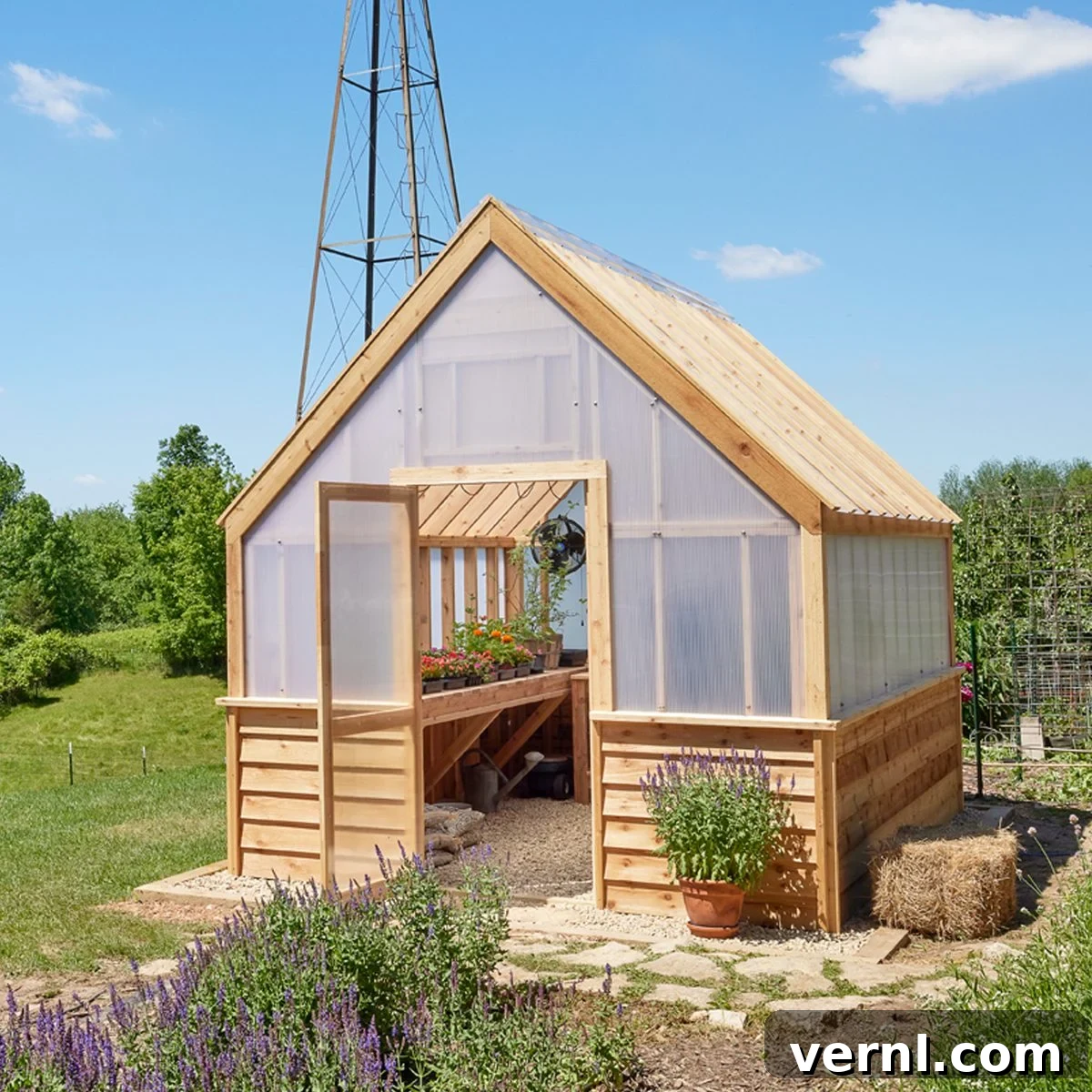
When embarking on a greenhouse project, material selection is paramount. For our own greenhouse, we opted for robust cedar framing paired with high-quality polycarbonate sheets. Cedar is an excellent choice due to its natural resistance to rot and insects, ensuring it weathers beautifully and provides long-lasting structural integrity. Polycarbonate, on the other hand, is a superior glazing material. It expertly diffuses sunlight, preventing harsh hot spots and ensuring even exposure across all your plants. This diffusion is crucial for promoting vigorous, uniform growth and preventing scorching. The combination of these materials results in a durable, efficient, and aesthetically pleasing structure that stands the test of time and elements.
The Undeniable Advantages of a Home Greenhouse
A home greenhouse is far more than just a covered space; it’s an investment in your gardening passion and a sustainable approach to fresh produce. Let’s delve deeper into the myriad benefits:
1. Extending Your Growing Season Significantly
This is perhaps the most compelling reason for many gardeners. In cold climates, a greenhouse can add months to your active growing period. You can sow seeds much earlier in spring, nurturing seedlings in a warm, protected environment before transplanting them outdoors. Similarly, tender crops like tomatoes, peppers, and cucumbers can continue producing well past the first frost, sometimes even into early winter. For those in mild climates, a greenhouse allows for year-round cultivation of certain crops, offering a continuous supply of fresh vegetables and herbs.
2. Creating an Ideal Climate for Plant Growth
Plants thrive under specific conditions, and a greenhouse allows you to meticulously control these. You can manage temperature, humidity, and ventilation, providing an optimal environment tailored to the specific needs of your plants. This control is invaluable for encouraging strong root development, lush foliage, and abundant fruiting. It mitigates the stress plants experience from fluctuating outdoor conditions, leading to healthier, more productive yields.
3. Protection from Environmental Stressors
Mother Nature can be unpredictable. High winds, torrential rains, hail, and even excessive sun exposure can wreak havoc on an outdoor garden. A greenhouse acts as a robust shield, protecting your plants from these harsh elements. This protection not only saves your plants but also reduces the effort you might otherwise spend on damage control and replanting. Furthermore, it significantly reduces the impact of late spring frosts or early autumn freezes, which can decimate an unprotected crop overnight.
4. Defense Against Pests and Diseases
While not entirely impervious, a greenhouse provides a substantial barrier against many common garden pests. Insects, slugs, snails, and even larger animals like deer and rabbits are largely kept at bay. This reduced exposure to pests naturally translates to less reliance on chemical pesticides, promoting a more organic and healthy gardening approach. Similarly, the controlled environment can help manage humidity and airflow, which are crucial in preventing certain fungal diseases that thrive in damp, stagnant conditions.
5. Cultivating Exotic and Sensitive Plants
Dreaming of growing tropical fruits, delicate orchids, or specific heirloom varieties that require precise conditions? A greenhouse makes it possible. By replicating their native environments, you can successfully cultivate a diverse range of plants that would simply not survive outdoors in your local climate. This opens up a world of possibilities for adventurous gardeners.
6. Efficient Seed Starting and Propagation
For those who love starting plants from seed or propagating cuttings, a greenhouse is an invaluable asset. The consistent warmth and humidity create the perfect nursery conditions, leading to higher germination rates and stronger, healthier seedlings. This can save you money on purchasing mature plants and allows you to experiment with a wider variety of species.
Designing and Building Your Dream Greenhouse
The journey to owning a greenhouse starts with thoughtful planning and design. Consideration of location, size, and materials is crucial for a successful and enjoyable experience.
Choosing the Right Location
Optimal sunlight is paramount. Your greenhouse should be situated in a spot that receives at least six hours of direct sunlight daily, ideally facing south to maximize solar gain throughout the day. Also, consider accessibility to water and electricity, and ensure it’s not overshadowed by tall trees or buildings.
Selecting Your Greenhouse Type
- Lean-to Greenhouses: These attach to an existing structure, like your home or garage, sharing a wall. They are cost-effective, offer easy access to utilities, and benefit from the thermal mass of the attached building.
- Freestanding Greenhouses: These are independent structures, offering more flexibility in terms of size, shape, and placement. They typically provide more usable growing space and better air circulation.
Material Matters: Framing and Glazing
As mentioned, we found cedar to be an excellent choice for framing. Its natural oils resist decay and insect infestation, making it incredibly durable in humid greenhouse environments. Other options include treated lumber, aluminum (lightweight and rust-proof), or PVC (affordable but less aesthetic). The key is to choose a material that can withstand moisture and temperature fluctuations.
For glazing, polycarbonate sheets were our preferred material. Here’s why:
- Light Diffusion: Unlike clear glass, polycarbonate scatters light, preventing harsh direct sun rays from scorching plants and ensuring all foliage receives gentle, even illumination.
- Insulation: Multi-wall polycarbonate sheets trap air between layers, offering superior insulation compared to single-pane glass, which is crucial for maintaining stable temperatures and reducing heating costs.
- Durability: Polycarbonate is virtually unbreakable, making it safer than glass, especially in areas prone to hail or strong winds.
- Lightweight: Easier to handle and install than glass, reducing construction complexity.
While glass offers aesthetic appeal and excellent light transmission, it’s heavier, more fragile, and typically provides less insulation unless double-paned. Horticultural film is a budget-friendly option but has a shorter lifespan and less insulation.
Essential Considerations: Ventilation, Heating, and Cooling
Maintaining the right climate inside your greenhouse goes beyond just the structure.
- Ventilation: Proper airflow is critical to prevent overheating and control humidity. This can be achieved through roof vents (automatic openers are highly recommended), side vents, and exhaust fans.
- Heating: In colder months, supplementary heating might be necessary. Options range from electric heaters to natural gas or propane systems. Consider insulating your greenhouse foundation and walls to maximize heat retention.
- Cooling: During hot periods, shading cloths, misters, and evaporative coolers can help prevent overheating and protect plants from stress.
Maintaining Your Greenhouse for Optimal Performance
Once your greenhouse is built, a bit of ongoing care will ensure its longevity and continued productivity.
- Cleaning: Regularly clean the glazing material inside and out to maximize light transmission. Dust, algae, and mineral deposits can significantly reduce the amount of light reaching your plants.
- Pest Monitoring: Even with a barrier, pests can find their way in. Regularly inspect your plants for signs of pests or diseases and address issues promptly using organic pest control methods when possible.
- Watering and Feeding: Greenhouse plants may require more frequent watering than outdoor plants due to higher temperatures and accelerated growth. Monitor soil moisture levels closely and fertilize as needed.
- Structural Checks: Periodically inspect the frame, vents, and doors for any signs of wear, damage, or loose components, performing repairs as necessary.
The Abundant Harvest: What to Grow in Your Greenhouse
The possibilities are endless! Here are just a few ideas for what you can cultivate in your new controlled environment:
- Vegetables: Tomatoes, peppers, cucumbers, lettuce, spinach, eggplants, herbs, and even some root vegetables thrive in greenhouse conditions.
- Fruits: Strawberries, grapes, and even small citrus trees can flourish, yielding fresh fruit out of season.
- Flowers: Grow delicate annuals for early blooms, propagate perennials, or nurture exotic flowering plants.
- Seedlings: Start all your garden seeds with confidence, giving them a head start before transplanting.
Building a greenhouse, particularly one crafted from durable materials like cedar and efficient polycarbonate, is a rewarding project that pays dividends for years to come. It’s an investment in sustainable living, fresh food, and the sheer joy of gardening without limits. Whether you’re battling a short growing season or simply seeking to provide the best possible environment for your beloved plants, a greenhouse offers the perfect solution.
For more detailed project plans and step-by-step instructions on how to construct your very own greenhouse, including comprehensive guides and material lists, we highly recommend visiting: https://www.familyhandyman.com/project/how-to-build-a-greenhouse/. Start your journey towards year-round gardening today and experience the incredible transformation a greenhouse can bring to your horticultural endeavors.