
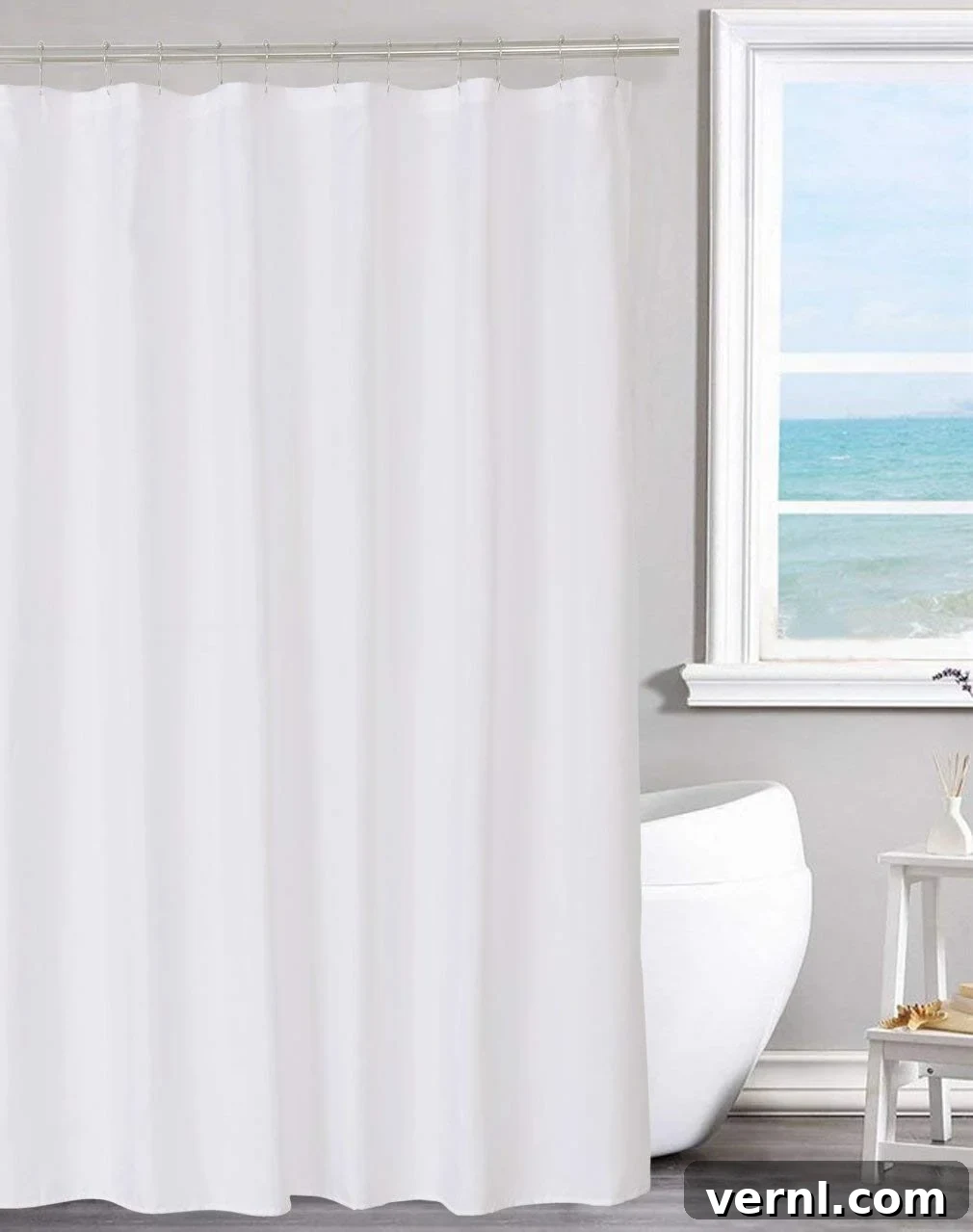
Creating a Healthier Bathroom: Understanding Your Shower Curtain Choices
The humble shower curtain, often an afterthought in bathroom design, plays a surprisingly significant role in your home’s indoor air quality and your family’s health. For years, vinyl shower curtains, primarily made from polyvinyl chloride (PVC), were the standard. However, increasing awareness and scientific studies have brought to light the potential health concerns associated with these common household items, prompting many consumers to seek safer, more sustainable alternatives.
Concerns about vinyl shower curtains ramped up considerably in 2008. A pivotal study published by the Center for Health, Environment and Justice (CHEJ) served as a major wake-up call for consumers and retailers alike. This comprehensive research revealed that PVC plastic shower curtains were not just inert barriers but active emitters of a cocktail of harmful chemicals into the air.
Specifically, the CHEJ study found that these curtains contained volatile organic compounds (VOCs), phthalates, organotins, and metals. The findings were stark: PVC shower curtains could release as many as 108 different VOCs. These compounds, known for their potential to cause developmental problems and organ issues, were not fleeting; some VOCs were detected lingering in the air for up to 28 days after the curtain was unpacked, highlighting a persistent source of indoor air pollution.
The Hidden Chemical Cocktail: Why Vinyl Shower Curtain Liners Pose a Problem
The core problem with traditional vinyl shower curtain liners lies in their material composition, specifically polyvinyl chloride (PVC). This type of plastic is inherently problematic due to its manufacturing process and the additives required to make it flexible and usable for household products. When new, and often even months later, these liners can release a range of chemicals into your bathroom environment.
Volatile Organic Compounds (VOCs) are gases emitted from certain solids or liquids. In the context of a shower curtain, these include a wide array of chemicals that can become airborne, particularly in a warm, steamy bathroom. Exposure to VOCs can lead to various health issues, from short-term effects like headaches, dizziness, and respiratory irritation to more severe, long-term problems affecting the liver, kidneys, and central nervous system. The enclosed nature of a bathroom and the heat from a shower can exacerbate the off-gassing process, concentrating these chemicals in the air you breathe.
Beyond VOCs, vinyl shower curtain liners are notorious for containing phthalates. Phthalates are a group of chemicals used to make plastics more flexible and durable. While commonly found in many consumer products, their presence in shower curtains is concerning because they are known to act as endocrine disruptors. Endocrine disruptors are chemicals that can interfere with the body’s endocrine (hormone) system and produce adverse developmental, reproductive, neurological, and immune effects. Although the exact level of risk from phthalates in shower curtains is still being fully researched and debated, as noted in a New York Timesarticle, the potential for exposure in a warm, enclosed space like a bathroom makes them a significant concern for health-conscious individuals.
The CHEJ study’s findings had a ripple effect, prompting many major retailers to re-evaluate their product offerings. Following the study, CHEJ reached out to various retailers to inquire about their plans regarding PVC shower curtains. Encouragingly, several prominent companies, including Bed Bath & Beyond, IKEA, JC Penney, Macy’s, Marks and Spencer, Sears, and Target, reported plans to completely phase out PVC shower curtains from their inventories. This shift by major retailers underscores the validity of the concerns and the market’s move towards safer alternatives. Despite these advancements, vinyl shower curtain liners made from PVC are still widely available on the market, making it crucial for consumers to be vigilant and always check product labels before making a purchase.
Beyond the Stick: Common Shower Curtain Annoyances and Simple Fixes
Chemical concerns aside, there’s a common and rather annoying phenomenon many people experience: the dreaded shower curtain cling. Always sticking to your shower curtain when you exit the shower? This unwelcome embrace is typically caused by a combination of air pressure differences and static electricity within the shower enclosure. As hot water heats the air inside the shower, it rises and escapes through any gaps, creating a low-pressure area. The cooler, higher-pressure air outside then pushes the curtain inwards, leading to the cling. Here’s how to fix it, but common solutions include choosing a heavier curtain or liner with weighted magnets or hems, ensuring good bathroom ventilation to equalize air pressure, or even simply dampening the inside of the curtain before showering to reduce static.
Safer Alternatives: Decoding Shower Curtain Liner Materials
With the concerns surrounding PVC, many consumers are actively seeking safer, non-toxic alternatives. Fortunately, the market has evolved, offering several excellent choices that prioritize health without compromising functionality or style.
PEVA and EVA: The PVC-Free Choice
When you encounter a shower curtain label that proudly states “PEVA” or “EVA,” it’s a good sign. This indicates that the product does not contain polyvinyl chloride (PVC), which, as discussed, is a known carcinogen and a source of various harmful chemicals. PEVA (polyethylene vinyl acetate) and EVA (ethylene vinyl acetate) are chlorine-free plastics, making them significantly safer choices for your bathroom.
- PEVA (Polyethylene Vinyl Acetate): This material is a non-chlorinated vinyl and is considered a much safer alternative to PVC. It is still a type of plastic, offering good water repellency and durability. PEVA liners are typically recyclable and are less likely to off-gas harmful chemicals compared to PVC. They are flexible, odorless, and maintain the functionality of traditional vinyl without the associated health risks.
- EVA (Ethylene Vinyl Acetate): Similar to PEVA, EVA is also a chlorine-free, non-toxic plastic. It is often lauded for its low-odor properties and its environmental benefits over PVC. EVA is a highly flexible and resilient material, making it an excellent choice for shower curtain liners that need to withstand daily use. Both PEVA and EVA are effective at keeping water contained within the shower without introducing problematic chemicals into your indoor air.
Choosing a PEVA or EVA shower curtain liner is a straightforward way to immediately reduce your exposure to potentially harmful VOCs and phthalates in your bathroom, contributing to a healthier home environment.
Fabric Shower Curtains: Style, Comfort, and Responsible Living
Beyond plastic alternatives, fabric shower curtains and liners have emerged as an increasingly popular and sophisticated option. They offer a blend of aesthetic appeal, tactile comfort, and often, a more environmentally friendly profile. While some fabric curtains are designed to be used without a liner, most fabric options are best paired with a separate PEVA or EVA liner to ensure complete water containment.
- Polyester: This is one of the most common fabric choices for shower curtains and liners. Polyester is inherently water-resistant, durable, and easy to clean. Many polyester liners are machine washable, making maintenance simple. They come in a vast array of colors and patterns, allowing for significant design flexibility.
- Cotton and Hemp: For those seeking truly natural fibers, cotton and hemp are excellent choices. These materials offer a luxurious feel and are highly breathable. However, because they are natural fibers, they are more susceptible to absorbing moisture and thus require careful attention to prevent mold and mildew. They are often chosen for their aesthetic appeal and natural, chemical-free properties, especially when made from organic sources.
- Nylon: Nylon shower curtains are another viable synthetic option. Similar to polyester, nylon is known for its strength, durability, and water-repellent properties. It dries quickly and is generally easy to maintain.
Preventing Mold and Mildew: Essential Care for Fabric Liners
While fabric shower curtain liners offer numerous advantages, including avoiding potential toxicity issues and enhancing bathroom aesthetics, they do come with a specific drawback: their susceptibility to mold and mildew. Fabric, by its nature, can soak up moisture, creating a perfect breeding ground for these unwanted fungi if not properly managed.
Mold and mildew not only look unsightly and produce unpleasant odors but can also pose health risks, especially for individuals with allergies, asthma, or compromised immune systems. Spores can become airborne, leading to respiratory issues and allergic reactions.
To keep your fabric shower curtain liner fresh, clean, and free of mold and mildew, consider these essential care tips:
- Ensure Adequate Ventilation: This is perhaps the most crucial step. Always run your bathroom fan during and for at least 15-20 minutes after a shower. If you don’t have a fan, open a window or leave the bathroom door ajar to allow moisture to escape and air to circulate.
- Spread Out the Curtain: After each shower, extend the curtain fully across the rod. This allows air to circulate around it and helps it dry more quickly, preventing moisture from lingering in folds where mold can thrive.
- Regular Washing: Most fabric shower curtain liners are machine washable, which is a major advantage. Aim to wash your liner every 1-2 weeks, or more frequently if you notice any signs of mildew. Use a gentle cycle with warm water and your regular detergent. For stubborn mildew spots, a cup of white vinegar or a quarter-cup of baking soda added to the wash cycle can be very effective. Always check the care label for specific washing instructions. Here’s how to wash a shower curtain, with more detailed tips.
- Hang to Dry Completely: After washing, either tumble dry on a low setting (if the label permits) or, ideally, hang the curtain back on its rod to air dry completely before showering again.
- Consider Antimicrobial Options: Some fabric liners are treated with antimicrobial agents to resist mold and mildew growth. While these can be helpful, regular cleaning remains essential.
Making an Informed Choice: What to Look For When Buying a Shower Curtain
Choosing the right shower curtain or liner involves balancing health concerns, practical needs, and aesthetic preferences. Here’s a guide to help you make an informed decision:
- Material Safety: Prioritize PEVA or EVA for plastic liners to avoid PVC, VOCs, and phthalates. For fabric options, consider polyester for durability and ease of cleaning, or natural fibers like cotton or hemp for a truly chemical-free experience, understanding their increased maintenance needs.
- Durability: Look for materials that can withstand frequent use and cleaning. Reinforced grommets and sturdy fabrics or plastics will ensure your curtain lasts longer.
- Ease of Cleaning: Machine-washable options are a huge convenience, especially for fabric liners susceptible to mold. Even plastic liners benefit from occasional wiping down. Try these tips to clean your bathroom faster and better, applying some principles to your shower curtain as well.
- Aesthetic Appeal: Your shower curtain is a significant visual element in your bathroom. Choose a material, color, and pattern that complements your decor and personal style. Fabric curtains often offer more diverse textures and designs.
- Sustainability: If environmental impact is a concern, opt for recyclable materials like PEVA/EVA, or natural, organic fabrics. Consider the longevity of the product to reduce waste.
- Budget: Shower curtains are available at various price points. While it’s tempting to opt for the cheapest option, remember that a slightly higher investment in a safer, more durable material can pay off in terms of health and longevity.
Always make it a habit to scrutinize product labels. Manufacturers are typically transparent about the materials used, allowing you to quickly identify PVC-free options. If combining a fabric shower curtain with a liner, ensure both components meet your safety and material preferences.
Beyond the Curtain: Holistic Bathroom Health
While selecting a non-toxic shower curtain is a vital step toward a healthier bathroom, remember that it’s part of a larger picture. Maintaining overall bathroom hygiene, ensuring adequate ventilation, and using eco-friendly cleaning products all contribute to a truly healthy and inviting space. By making conscious choices about the products you bring into your home, you can significantly improve your indoor environment and support your family’s well-being.
Conclusion: Your Bathroom, Your Health
The choice of a shower curtain might seem minor, but its impact on your indoor air quality and health is anything but. The transition away from traditional PVC vinyl curtains, driven by consumer awareness and scientific findings, marks a significant step towards creating healthier living spaces. By opting for PEVA, EVA, or well-maintained fabric alternatives, you can mitigate exposure to harmful chemicals like VOCs and phthalates, ensuring that your bathroom remains a sanctuary of cleanliness and well-being, free from hidden health hazards.
Shop Now