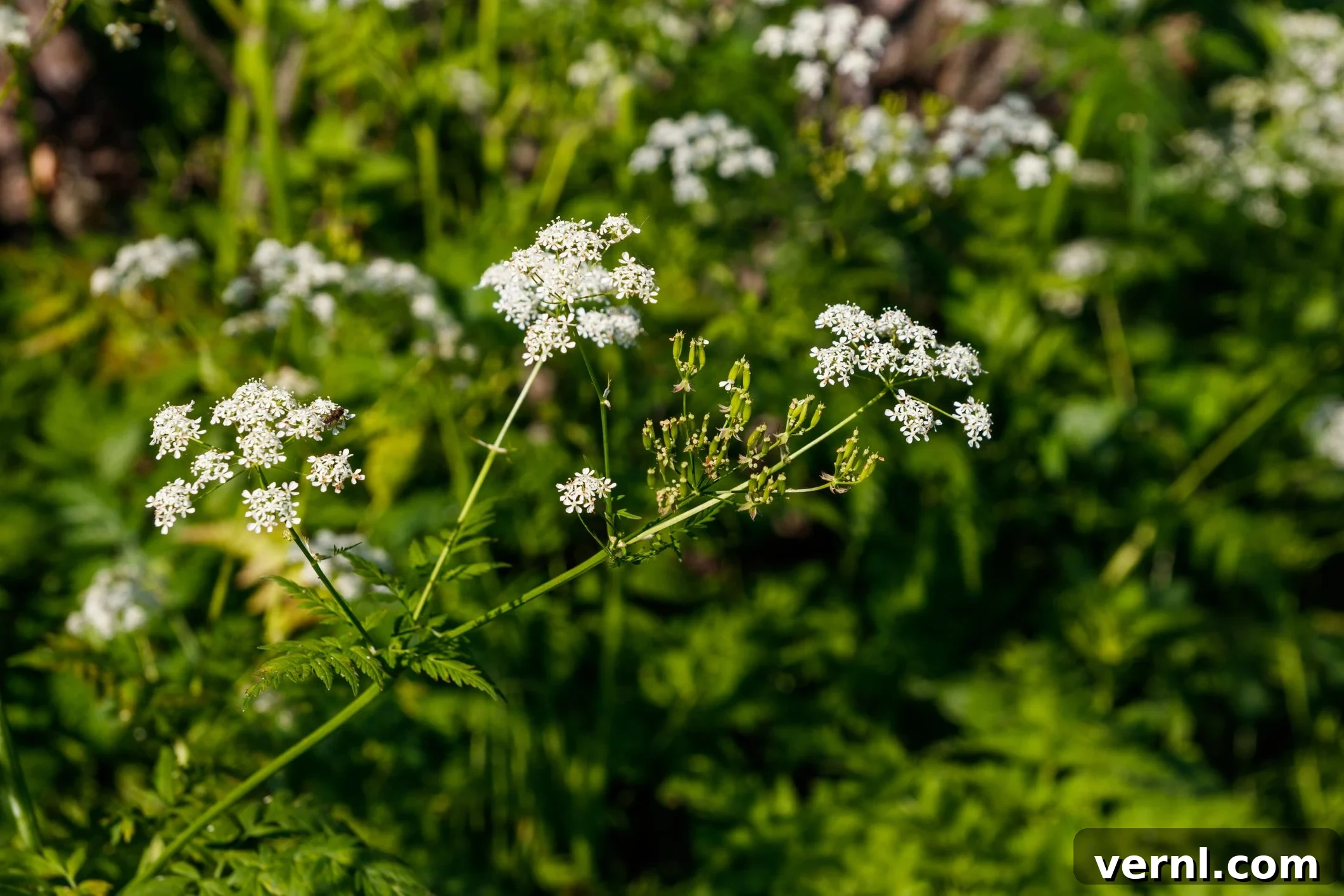
The Deadly Enigma: Understanding, Identifying, and Safely Removing Poison Hemlock
Poison hemlock (Conium maculatum) is a plant steeped in history and infamy, notorious for its role in the forced suicide of the revered Greek philosopher Socrates in 399 B.C. Beyond its historical notoriety, this highly toxic plant poses a significant threat in modern landscapes. Often mistaken for common edible plants such as parsley, parsnip, or wild carrot, poison hemlock’s widespread presence and lethal potency make its identification and proper management critical for public safety.
“Poison hemlock is the famed plant that killed Socrates,” says Em Shipman, executive director of KidsGardening.org. “Treat this plant with respect and take careful steps to eradicate it.”
The danger of poison hemlock extends beyond accidental ingestion by foragers. Its toxic compounds can cause severe reactions through skin contact and even inhalation, making awareness vital for everyone, especially those with children or pets. Learning to recognize this plant and understanding its risks is a crucial step in protecting your family and community. While you’re at it, don’t forget to learn how to spot and get rid of poison ivy in your yard, as these noxious plants often share similar habitats.
What is Poison Hemlock (Conium maculatum)?
Poison hemlock (Conium maculatum) is a large, invasive, and acutely noxious weed belonging to the Apiaceae family, which also includes common culinary plants like carrots, parsley, dill, and fennel. This botanical kinship is precisely what makes it so dangerous, as it shares visual characteristics with many edible species. Often referred to by various aliases such as poison parsley, European hemlock, spotted hemlock, deadly hemlock, California or Nebraska fern, and devil’s porridge, it is crucial to understand that this plant is entirely distinct from the non-poisonous hemlock trees (genus Tsuga), which are conifers.
Originating from Europe and North Africa, poison hemlock was introduced to the United States in the 1800s, primarily as an ornamental garden plant. Since then, it has aggressively spread across almost every state and into southern Canada, establishing itself as a formidable invasive species. It thrives in disturbed soils and moist environments, commonly found along roadsides, stream banks, irrigation ditches, field edges, and waste areas. More recently, its territory has expanded into rangelands, pastures, and even suburban areas, intensifying concerns about human and animal exposure.
As a biennial plant, poison hemlock completes its life cycle over two years. In its first year, it typically forms a low-growing rosette of fern-like leaves, focusing its energy on developing a robust taproot. In the second year, it “bolts,” sending up tall, flowering stalks that can reach impressive heights of six to ten feet. After flowering, it produces an astounding number of seeds – sometimes exceeding 35,000 per plant. These small, ribbed seeds are easily dispersed by wind, water, and animals, and remarkably, they can remain viable in the soil for up to six years, contributing to its rapid and persistent spread. Every part of this plant – from its roots to its seeds – contains highly toxic alkaloids, making it a severe threat.
The Deadly Truth: Is Poison Hemlock Poisonous?
Absolutely. The name “poison hemlock” leaves no room for doubt regarding its lethal nature. The plant contains a potent cocktail of piperidine alkaloids, including coniine, gamma-coniceine, and conhydrine, which are acutely toxic to all mammals, birds, and many other organisms. Coniine, the primary toxic alkaloid, has structural and chemical properties similar to nicotine and is rapidly absorbed through ingestion, skin contact, or inhalation.
These neurotoxins primarily target the central nervous system, disrupting nerve impulse transmission. Symptoms of poisoning typically manifest rapidly, usually within 20 minutes to three hours after exposure. Initial signs in humans can include pupil dilation, dizziness, excessive salivation, muscle weakness, trembling, and difficulty walking or coordinating movements. As the toxins take hold, symptoms can progress to a slowed or rapid heart rate, intense muscle pain, convulsions, and eventually, paralysis of the skeletal muscles and respiratory system. Death usually occurs from respiratory failure due to the inability of the diaphragm and intercostal muscles to function.
Ingestion is by far the most dangerous form of exposure, as even a small amount can be fatal. However, it’s crucial to understand that every part of the plant is poisonous, with the seeds and roots containing the highest concentrations of toxins. Skin contact with the sap can cause severe dermatitis, including blistering and irritation, particularly when exposed to sunlight (photodermatitis). Inhaling air near freshly mowed or disturbed hemlock can also cause respiratory irritation, headache, and dizziness due to aerosolized toxins. Even dead plant canes can retain their toxicity for up to three years, posing a prolonged hazard.
Poison hemlock is also extremely poisonous and potentially deadly to pets and livestock. Animals such as cattle, horses, sheep, goats, and even domestic pets like dogs and cats can be poisoned by consuming parts of the plant. Symptoms in animals are similar to those in humans and may include nervousness, muscle trembling, excessive salivation, incoordination, weakness, a rapid or weak pulse, slowed heart rate, and eventual respiratory paralysis. Livestock owners should be particularly vigilant, as animals might graze on hemlock if other forage is scarce or if young hemlock rosettes are mixed with desirable plants.
**If you suspect you or someone else has been exposed to poison hemlock, immediate medical attention is critical. Call 911 or poison control (800-222-1222) without delay.** With swift action and supportive hospital care, including respiratory support, individuals can often recover. Do not wait for symptoms to worsen.
Identifying Poison Hemlock: What to Look For
Accurate identification of poison hemlock is paramount to preventing accidental exposure, especially given its resemblance to several edible plants. Learning its distinctive features is the first line of defense.
Poison hemlock is a tall, stately plant, especially in its second year. It typically boasts a robust, upright growth habit, often reaching heights of six to ten feet, sometimes even taller in ideal conditions.
Here are the key characteristics to look for:
1. **Stems:** The most distinctive feature of poison hemlock is its smooth, hollow stems, which are typically mottled with prominent purple spots or streaks. This purple discoloration is a crucial identifier that distinguishes it from many look-alikes. The stems are also noticeably hairless, giving them a somewhat shiny appearance.
2. **Leaves:** The leaves are large, compound, and fern-like, finely divided into many small leaflets. They appear glossy green and are arranged alternately along the stem. The overall appearance is delicate and lacy, similar to parsley or dill.
3. **Flowers:** In its second year, poison hemlock produces numerous small, white flowers arranged in umbrella-like clusters called umbels. These umbels are typically three to six inches wide and are found at the tips of branched stems. Multiple umbels often form a larger, flattened flower head, creating a striking visual display. Flowering usually occurs from late spring through mid-summer.
4. **Roots:** The root system consists of a single, fleshy white taproot, which can easily be mistaken for a wild parsnip or carrot.
5. **Smell:** When crushed, particularly the leaves or stems, poison hemlock often emits an unpleasant musty, mouse-like, or parsnip-like odor. This can be another helpful, though not always reliable, identification clue.
Distinguishing Poison Hemlock from Look-Alikes:
Because poison hemlock shares characteristics with several benign plants, careful observation is essential.
* **Wild Carrot (Queen Anne’s Lace):**
* **Poison Hemlock:** Smooth, hollow stems with distinctive purple spots/streaks. Hairless leaves. Many small white flower clusters on branched stems. Unpleasant musty odor.
* **Wild Carrot:** Hairy, solid green stems (no purple spots). Hairy leaves. One main flower cluster with a characteristic small dark-purple or red flower in its center. Often shorter, usually three feet or less. Smells like carrots when crushed.
* **Wild Parsnip:**
* **Poison Hemlock:** Finely divided, fern-like leaves.
* **Wild Parsnip:** Coarser, broader, serrated leaves arranged in pairs along the stem. Produces yellow flowers, unlike hemlock’s white. Stems lack purple spots. Wild parsnip can also cause photodermatitis.
* **Garden Parsley/Dill/Fennel:**
* **Poison Hemlock:** Much taller, robust growth. Purple-spotted stems.
* **Garden Herbs:** Generally smaller, cultivated varieties. Lack the distinct purple stem mottling of hemlock.
“The plants are usually low-growing in their first year but can reach six to 10 feet in their second year,” says Shipman. “Wild hemlock also produces abundant seeds and readily spreads, forming dense stands.” Always be cautious when encountering any tall, ferny plant with white flowers in an unfamiliar area.
Safe and Effective Poison Hemlock Removal Strategies
Due to its extreme toxicity, removing poison hemlock requires careful planning, protective gear, and consistent effort. The goal is to eliminate existing plants and prevent future seed production and spread.
“Keep a lookout for it so you can control small infestations before they spread,” says Shipman. “And practice extreme caution when dealing with poison hemlock.”
Here’s a comprehensive approach to safely manage and remove poison hemlock:
1. **Prioritize Personal Protection:** This is the most critical step. Whenever you are going to handle poison hemlock, wear full protective clothing to prevent any skin contact or inhalation of toxins. This includes:
* Long-sleeved shirt and long pants (tucked into socks or boots)
* Waterproof gloves (heavy-duty work gloves over latex gloves provide extra protection)
* Closed-toe shoes or boots
* Eye protection (safety glasses or goggles)
* A dust mask or respirator to prevent inhalation, especially when disturbing larger plants or mowing.
* Consider wearing a disposable coverall for maximum protection, which can be easily removed and disposed of or thoroughly washed.
2. **Timing is Key for Manual Removal and Mowing:**
* **First-year rosettes:** These can be effectively hand-pulled or dug up. The taproot is usually not too deep, but ensure you remove the entire root system to prevent regrowth. This is best done when the soil is moist.
* **Second-year plants (before flowering):** If possible, mow, cut, or weed-whack the plants before they develop flowers or immediately after they begin to flower, but *before* seeds start to form. This prevents the production and dispersal of tens of thousands of new seeds. Repeated mowing may be necessary to deplete the root’s energy reserves and prevent re-sprouting.
* **Second-year plants (after flowering/seed set):** If the plant has already produced seeds, mowing will only spread them further. In this case, carefully cut the plants at the base, bag the entire plant material, and dispose of it immediately as outlined below. Avoid letting seeds mature and drop.
3. **Dig Up and Hand-Pull Seedlings:** Continuously monitor the area and promptly remove any new seedlings as they sprout. This vigilance is crucial for long-term control, as seeds can remain viable for several years.
4. **Take Frequent Breaks and Monitor for Exposure:** Pay close attention to any signs of skin irritation, dizziness, or respiratory discomfort during and after removal activities. If you experience any symptoms, stop immediately, wash thoroughly, and seek medical attention if symptoms persist or worsen.
5. **Safe Disposal of Plant Material:** This step is critical to prevent further contamination and poisoning.
* **Do NOT compost:** The toxins in dead hemlock plants can persist for several years, making compost unsafe.
* **Do NOT burn:** Inhaling the fumes from burning poison hemlock can cause severe respiratory injury and systemic poisoning.
* **Bag and Trash:** All plant parts, including roots and seeds, should be carefully placed into heavy-duty plastic bags, sealed, and disposed of in municipal waste. Check with your local waste management facility for specific guidelines on disposing of toxic plant material.
6. **Thorough Cleaning and Decontamination:** After handling poison hemlock, meticulously clean all equipment, tools, shoes, and clothing.
* Wash tools with soap and water.
* Launder clothes separately from other garments, using hot water and detergent.
* Shower immediately and thoroughly wash skin with soap and water, even if you think you didn’t have direct contact.
7. **Consider Herbicides with Caution:** While the original article advised against herbicides, a nuanced approach is necessary. For large infestations where manual removal is impractical, herbicides can be an option, but they must be applied correctly and safely.
* **Effectiveness:** Herbicides containing glyphosate or triclopyr can be effective on young, actively growing poison hemlock rosettes, particularly in the fall or early spring. They are generally less effective on mature, flowering plants.
* **Professional Application:** For widespread infestations or if you are unsure about application, consult a certified herbicide applicator or your local agricultural extension office. They can advise on the most effective product, timing, and safety precautions.
* **Safety First:** Always follow label instructions meticulously, wear appropriate personal protective equipment, and be aware of potential impacts on non-target plants and water sources.
8. **Seek Expert Help:** If you have a large infestation or are unsure about identification or removal methods, contact your local university cooperative extension service or agricultural extension office. They can provide guidance, resources, and even assistance in some cases.
9. **Prevention and Long-Term Management:**
* **Monitor regularly:** Continue to check the area for new growth for several years, as dormant seeds can sprout later.
* **Improve desired vegetation:** Encourage the growth of desirable plants or groundcovers to outcompete hemlock seedlings.
* **Educate neighbors:** Spread awareness about the dangers and identification of poison hemlock in your community.
By adopting these comprehensive strategies, you can effectively manage poison hemlock and minimize the risks it poses to humans, pets, and the environment. Vigilance, education, and protective measures are key to controlling this dangerous invasive plant.