
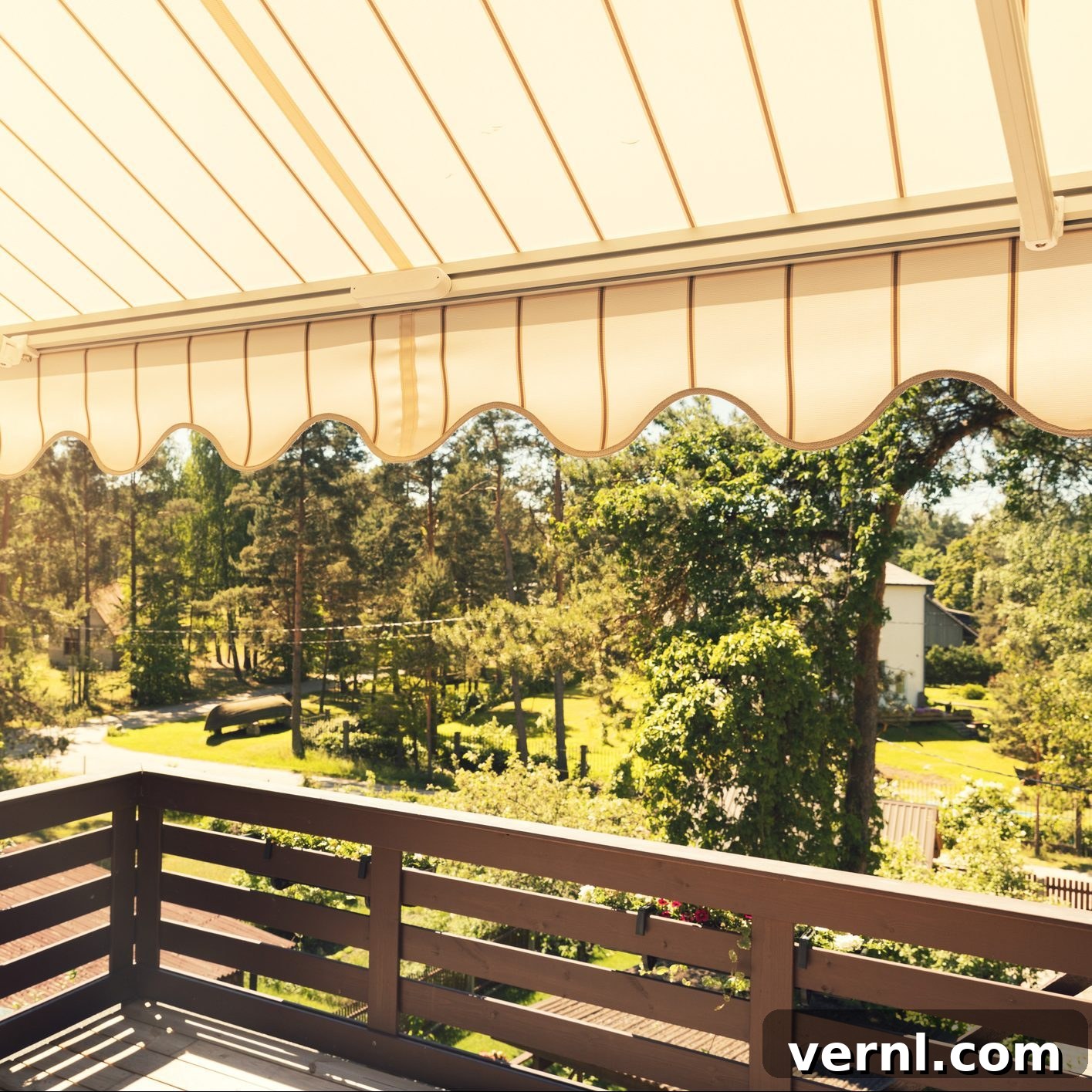
You may have overlooked the simple yet profound benefits of awnings until a moment of inconvenience struck – perhaps wrestling with keys in a downpour at your front door, or enduring the scorching sun on your newly built deck. These everyday scenarios underscore the undeniable value an awning brings to a home. Far from being mere decorative additions, awnings are highly practical structures that enhance comfort, provide protection, and even contribute to energy efficiency. If you’re considering an upgrade that offers both immediate relief and long-term advantages, delving into the world of awnings is a wise decision. This comprehensive guide will equip you with all the essential knowledge to choose and maintain the perfect awning for your home, transforming your outdoor spaces and improving your living experience.
What Exactly Is an Awning?
At its core, an awning is a robust, roof-like covering specifically designed to extend over an outdoor area, providing crucial shade and shelter from various weather elements such as relentless sun, heavy rain, strong winds, and even light snow. These versatile structures are commonly observed adorning the windows and doors of residential properties, as well as gracing the facades of commercial buildings. According to Jim Kopf, Vice President of Nashville Tent And Awning Co., the mark of a truly superior awning lies in its ability to deliver “predictable shade and protection from the elements.” This predictability means you can rely on your awning to consistently shield you and your property, regardless of the weather’s whims.
The design and functionality of awnings have evolved significantly, resulting in a vast array of options. They are available in diverse shapes, crafted from various materials, and offered in numerous sizes, ensuring there’s a perfect match for virtually any architectural style, functional requirement, and aesthetic preference. From classic fabric designs to modern metal constructions, and from compact door covers to expansive patio solutions, the choices are plentiful. A fundamental distinction among awnings, irrespective of their material composition, is whether they are fixed (permanent) or retractable (flexible).
Fixed Awnings: Permanent Protection and Enduring Style
Fixed awnings, as their name suggests, are permanently installed structures that offer continuous, unwavering protection. These are a hallmark feature of many commercial establishments, gracing their entrances and defining outdoor spaces. The construction of fixed awnings typically involves highly durable materials like aluminum, steel, or other robust metals, making them inherently more resilient and long-lasting than their fabric counterparts. Their sturdy build allows them to withstand severe weather conditions, including intense storms, significant snow loads, and even the impact of fallen tree limbs, without compromising their structural integrity. This exceptional durability comes with a higher initial investment, but it is justified by their unparalleled longevity and minimal maintenance requirements. Homeowners seeking a permanent solution for enduring protection and a consistent aesthetic will find fixed awnings to be an invaluable addition, providing years of reliable service with little to no upkeep beyond occasional cleaning.
Retractable Awnings: Versatility and Modern Convenience
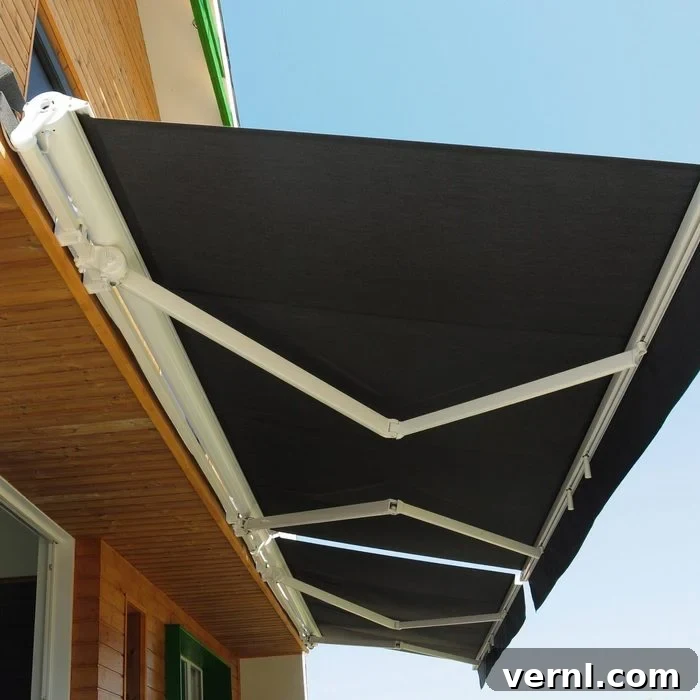
For residential applications, retractable awnings have become an increasingly popular choice due to their unparalleled versatility and modern convenience. Recent advancements in awning technology have made these systems more affordable, robust, and highly customizable, appealing to a broader range of homeowners. The primary advantage of a retractable awning lies in its flexibility: it can be extended to provide shade and shelter precisely when needed, and then effortlessly retracted or stowed away when not in use, during inclement weather like high winds or heavy snowfall, or when direct sunlight is desired. This space-saving design ensures that your outdoor areas remain open and unencumbered when the awning is not deployed.
Modern retractable awnings come with various operating mechanisms, significantly impacting their price and convenience. Manual retractable awnings are typically the most budget-friendly option, operated via a hand crank. Motorized versions, however, offer superior ease of use, controlled by a wall switch, remote control, or even integrated into smart home systems. Advanced models may feature intelligent sensors that automatically retract the awning in strong winds or extend it during intense sun, providing peace of mind and optimizing energy efficiency. This blend of adaptability, advanced features, and improved affordability makes retractable awnings a dynamic and attractive solution for contemporary homes.
Exploring the Diverse Types of Awnings
While the fundamental purpose of any awning is to offer shade and shelter, the specific design, functionality, and aesthetic vary significantly across different types. The ideal awning for your property will largely depend on its intended use, the specific location, and the stylistic impact you wish to achieve. For instance, the needs of a homeowner designing a luxurious backyard dining area for enhanced shade and privacy will differ considerably from someone primarily seeking to keep delivered packages dry by their front door. Understanding these distinctions is key to making an informed decision. Here are four primary types of awnings to consider, each with its unique characteristics and advantages:
Patio Awnings: Accessible Shade and Style
Patio awnings, sometimes referred to as shade cloths or sails, represent one of the most popular and accessible options for homeowners. Their affordability and relatively straightforward installation process make them an attractive solution for enhancing outdoor living spaces, as noted by industry expert Jim Kopf. These awnings typically feature a flat, thin design, usually constructed from high-quality, often waterproof fabric. They are mounted directly to a home’s exterior wall and extend outwards, creating an expansive shaded area over a patio or deck. Beyond their practical function, patio awnings are celebrated for their ability to aesthetically elevate an outdoor space, adding a touch of color, texture, and architectural interest.
Common materials for patio awnings include cotton, durable canvas, or robust polyester, each offering different levels of weather resistance and longevity. It’s important to distinguish that while many patio awnings are designed to be waterproof, offering protection from rain, some variants are specifically engineered to allow water to pass through. These “shade-only” versions are perfect for areas where rain protection isn’t a primary concern, such as above swimming pools or in locations where direct sunlight blockage is needed for only a few hours each day, providing UV protection and cooling without creating a water collection point. Their versatility in design and function makes them a foundational element for any inviting outdoor retreat.
Metal Awnings: Unrivaled Durability and Modern Appeal
Metal awnings stand out for their exceptional long-term protection and enduring resilience. These robust structures are frequently crafted from aluminum, a material prized for its affordability, lightweight nature, and inherent resistance to corrosion. However, other durable metals are also used, providing a range of options that promise years of performance with minimal maintenance. A significant advantage of metal awnings is their inherent strength, allowing them to withstand harsh weather conditions, including heavy snow loads and high winds, far more effectively than fabric alternatives. Furthermore, metal awnings offer considerable aesthetic flexibility; they can be custom-painted to perfectly complement your home’s exterior, offering a sleek, modern look or a classic, understated presence. This ability to match or contrast with your home’s palette ensures seamless integration.
While some metal awnings are designed for removal, many are installed as permanent fixtures. As Jim Kopf highlights, “Often metal awnings are welded to the exterior of a home or business, which makes it much trickier than, say, a patio awning, to remove.” This permanent attachment speaks to their robustness and the desire for unwavering protection. For homeowners in regions with extreme weather or those seeking a truly maintenance-free, long-lasting solution with a contemporary edge, metal awnings represent an excellent investment.
Freestanding Awnings: Flexible Shade, Anywhere You Need It
True to its designation, a freestanding awning is unique in that it is not attached to any existing wall or building structure. This independence grants unparalleled flexibility in terms of placement and application, making it an ideal solution for areas that require shade or shelter but are detached from the main property. Such spaces include expansive backyard areas, rooftop bars, poolside lounge zones, children’s playgrounds, or even temporary outdoor event spaces. The design of freestanding awnings involves a robust support system, typically comprising sturdy beams or posts that secure the awning firmly in place. This allows them to be custom-designed and configured to perfectly fit the dimensions and specific needs of virtually any outdoor area.
Many freestanding awnings utilize durable canvas or specialized outdoor fabrics for their canopy, providing effective shelter from both sun and rain. The fabric choices are often highly UV-resistant and water-repellent, ensuring comfort and protection. However, due to their independent nature and often substantial size, it is generally recommended that freestanding awnings, especially those with fabric canopies, be removed or at least have their fabric covers stored during winter months in Northern climates. This preventative measure helps protect the awning from heavy snow accumulation and strong winter winds, thereby extending its lifespan and maintaining its aesthetic integrity for seasons to come. For ultimate adaptability and shade customization, freestanding awnings offer an innovative solution.
Window and Door Awnings: Practicality Meets Curb Appeal
Window and door awnings are perhaps the most recognizable type, commonly adorning both commercial buildings and residential homes. These practical extensions of a structure’s roofline are designed to project over the threshold of a window or door, fulfilling multiple vital functions. Jim Kopf confirms that his company frequently installs residential door awnings, underscoring their popularity among homeowners. These ingenious inventions are primarily revered for their ability to keep individuals dry while they engage in common activities such as greeting guests, searching for keys, or simply entering and exiting the home during inclement weather.
Typically, these awnings are smaller in scale and often feature a curved or sloped design. This architectural choice is not merely aesthetic; it’s functional, effectively redirecting rainwater away from the entrance and windows, thereby preventing water accumulation and potential damage to the structure or landscaping below. Beyond practicality, window and door awnings are powerful tools for enhancing curb appeal, adding a decorative touch that can significantly boost a home’s architectural character and charm. Matching window awnings, particularly on South- and West-facing walls, serve a critical protective role by shielding indoor fabrics, furniture, and flooring from harmful UV rays, preventing fading and degradation. Furthermore, they are highly effective in helping to keep indoor temperatures down by blocking direct sunlight, leading to noticeable reductions in air conditioning costs during warmer months. These awnings can be fabricated from both metal for a modern, durable look or fabric for a softer, more traditional aesthetic, offering versatility to suit any home style.
The Abundant Benefits of Awnings: More Than Just Shade
While the immediate advantage of awnings – providing shade – is undeniably valuable, their full spectrum of benefits extends far beyond simple sun protection. Installing awnings around your home or business can unlock a wealth of advantages, including significant cost-saving benefits, enhanced comfort, and improved property value. Let’s explore the multifaceted ways awnings contribute to a better living and working environment:
-
Exceptional Shelter from Inclement Weather: Awnings act as a reliable barrier against a variety of harsh weather conditions. Beyond heavy rain, they provide protection from strong winds, light snow, and even hail, ensuring that your entryways, windows, and outdoor living areas remain shielded and usable.
-
Superior Shade and UV Protection: By blocking direct sunlight, awnings create comfortably shaded zones, making outdoor spaces like patios and decks more enjoyable even on the hottest days. Crucially, they also offer significant protection from harmful UV rays for people, pets, and outdoor furnishings, reducing the risk of sunburn and sun damage.
-
Protection for Outdoor Furnishings: Constant exposure to sun and rain can significantly shorten the lifespan of patio furniture, causing fabrics to fade, wood to crack, and metals to corrode. Awnings shield your outdoor investments, preserving their appearance and extending their durability, thereby saving you money on replacements.
-
Expanded Living and Entertainment Space: A well-placed awning can effectively transform an ordinary patio or deck into a functional extension of your indoor living space. It creates a comfortable, protected area perfect for outdoor dining, entertaining guests, or simply relaxing with family, seamlessly blurring the lines between indoor and outdoor living.
-
Enhanced Privacy for Outdoor Areas: Certain awning designs, particularly those with side panels or drop screens, can significantly increase privacy in your outdoor spaces. They create a more secluded and intimate atmosphere, allowing you to enjoy your patio or deck without feeling exposed to neighbors or passersby.
-
Significant Reduction in Indoor Temperatures and Energy Bills: One of the most impactful benefits of awnings is their contribution to energy efficiency. By blocking direct sunlight from entering through windows, especially those facing south and west, awnings dramatically reduce solar heat gain inside your home. This alleviates the workload on your air conditioning system, leading to a noticeable decrease in air conditioning bills and creating a cooler, more comfortable indoor environment.
-
Instant Boost in Curb Appeal and Property Value: Aesthetically pleasing and well-maintained awnings can dramatically enhance the exterior appearance of your home. They add character, color, and architectural interest, contributing to improved curb appeal. This visual enhancement can, in turn, increase the perceived value of your property, making it more attractive to potential buyers.
For commercial buildings, awnings offer even more strategic advantages. They effectively extend the business’s usable footprint, providing ample shaded and sheltered areas for customers, guests, or employees to gather, wait, or dry off before entering, thus preventing dirt, mud, or water from being tracked inside. Moreover, custom awnings emblazoned with the company’s name and logo serve as highly visible branding tools, making the business easier to locate and enhancing its professional image, ultimately attracting more foot traffic and improving customer experience.
Awning Installation: DIY or Professional Expertise?
The decision to install an awning yourself or hire a professional largely depends on several critical factors, including the type and size of the awning, its mounting location, and any accompanying technology. While some smaller, simpler awnings can be a manageable DIY project for a handy homeowner, others demand the precision and experience of a seasoned installer.
For individuals with basic carpentry skills, installing a straightforward, manual patio awning or a small fabric window awning can be a rewarding endeavor, especially with the help of an extra set of hands. This usually involves securely mounting brackets to a wall and attaching the awning frame. However, the complexity escalates significantly for larger awnings, particularly those that are heavy or require intricate mounting to different types of exterior materials like brick, stucco, or stone. The height of the installation, the need for precise leveling, and ensuring structural integrity are all crucial considerations.
When it comes to sophisticated retractable awnings, especially motorized or remote-controlled units, novice DIYers are strongly advised to hire a professional. These systems often involve electrical wiring, precise calibration of motors, and careful tensioning of arms, which can be challenging and potentially dangerous without specialized knowledge. Professionals possess the necessary tools, expertise, and safety equipment to ensure the awning is installed correctly, securely, and functions optimally, often backed by warranties. They can also advise on the best mounting solutions for your specific home structure, preventing costly mistakes and ensuring the longevity of your investment.
Awning Maintenance: Ensuring Longevity and Performance
One of the appealing aspects of modern awnings is their relatively low maintenance. Most are constructed from durable fabrics or resilient metals designed to withstand the elements. However, to truly maximize their lifespan and maintain their pristine appearance, Jim Kopf recommends providing your awnings with a little tender loving care annually or bi-annually. Regular maintenance is key to preventing buildup, preserving materials, and ensuring smooth operation.
Kopf’s advice for awning maintenance varies significantly depending on the material. For sturdy metal awnings, careful use of a pressure washer can be effective in removing stubborn dirt and grime. However, it’s crucial to exercise caution: use a wide spray nozzle, maintain a safe distance, and apply a moderate pressure setting to avoid damaging the finish. Conversely, when it comes to delicate canvas or other fabric awnings, he strongly cautions against using a pressure washer. As he recounts, “We’ve replaced quite a few canvas awnings after people have tried to clean their awnings with a pressure washer. Lots of popped seams from where someone got a little too close with the pressure washer.” High-pressure water can irreparably damage the fabric fibers, compromise waterproofing coatings, and rip seams, leading to costly repairs or replacements.
Beyond cleaning, preventative measures are equally important. Regularly trim nearby tree limbs, vines, and other vegetation to prevent them from rubbing against, staining, or damaging the awning fabric or frame. Furthermore, retracting fabric awnings during severe weather, especially high winds and heavy snow, is crucial for their protection. When it’s time for a thorough cleaning of your fabric awning, follow these gentle yet effective steps to ensure its longevity:
-
Brush Off All Loose Debris: Before introducing any water, use a soft-bristled brush or broom to gently remove leaves, twigs, dust, dirt, and any other loose debris from the top and underside of the awning. This prevents mud streaking once water is applied.
-
Hose It Down Gently: Use a standard garden hose with a gentle spray nozzle to thoroughly rinse the entire awning. This will remove superficial dirt and prepare the surface for cleaning.
-
Prepare a Mild Cleaning Mixture: Create a cleaning solution using a capful of mild, non-detergent soap, such as Woolite or Dawn dish soap, mixed with a bucket of lukewarm water. Avoid harsh detergents or bleach, as these can strip protective coatings, fade colors, or degrade fabric fibers.
-
Scrub with a Soft Bristle Brush: Apply the cleaning solution to the awning and gently scrub the surface with a soft-bristled brush. Work in sections, paying attention to any soiled areas or mildew spots. Avoid aggressive scrubbing that could damage the fabric.
-
Rinse Thoroughly: This is a critical step. Use your garden hose to rinse the awning completely, ensuring all soap residue is removed. Leftover soap can attract new dirt, promote mildew growth, and leave unsightly streaks.
-
Air-Dry Fully Before Retracting: Allow the awning to air-dry completely in the open position before retracting it. Retracting a damp or wet awning is one of the leading causes of mildew, mold, and unpleasant odors, which can permanently stain and damage the fabric.
Conclusion: Embrace Comfort and Protection with Awnings
From shielding you from unexpected downpours to transforming your deck into a cool, inviting oasis, awnings offer a powerful combination of practical benefits and aesthetic enhancements for any home or business. We’ve explored the fundamental types, from the robust permanence of fixed metal structures to the versatile convenience of retractable fabric systems, along with specialized solutions for patios, windows, and freestanding areas. Beyond their primary role of providing shade and shelter, awnings are strategic investments that contribute to significant energy savings, extend the life of outdoor furnishings, expand usable living spaces, and undeniably boost your property’s curb appeal.
Whether you’re looking to create a more comfortable outdoor dining experience, reduce your air conditioning bills, or simply add a touch of architectural elegance, there’s an awning solution perfectly suited to your needs. With proper selection and diligent, yet simple, maintenance, your awning will serve as a valuable asset for years to come. By considering the guidance provided on types, installation, and care, you are now well-equipped to make an informed decision and invest in an awning that will bring lasting comfort, protection, and beauty to your environment.