
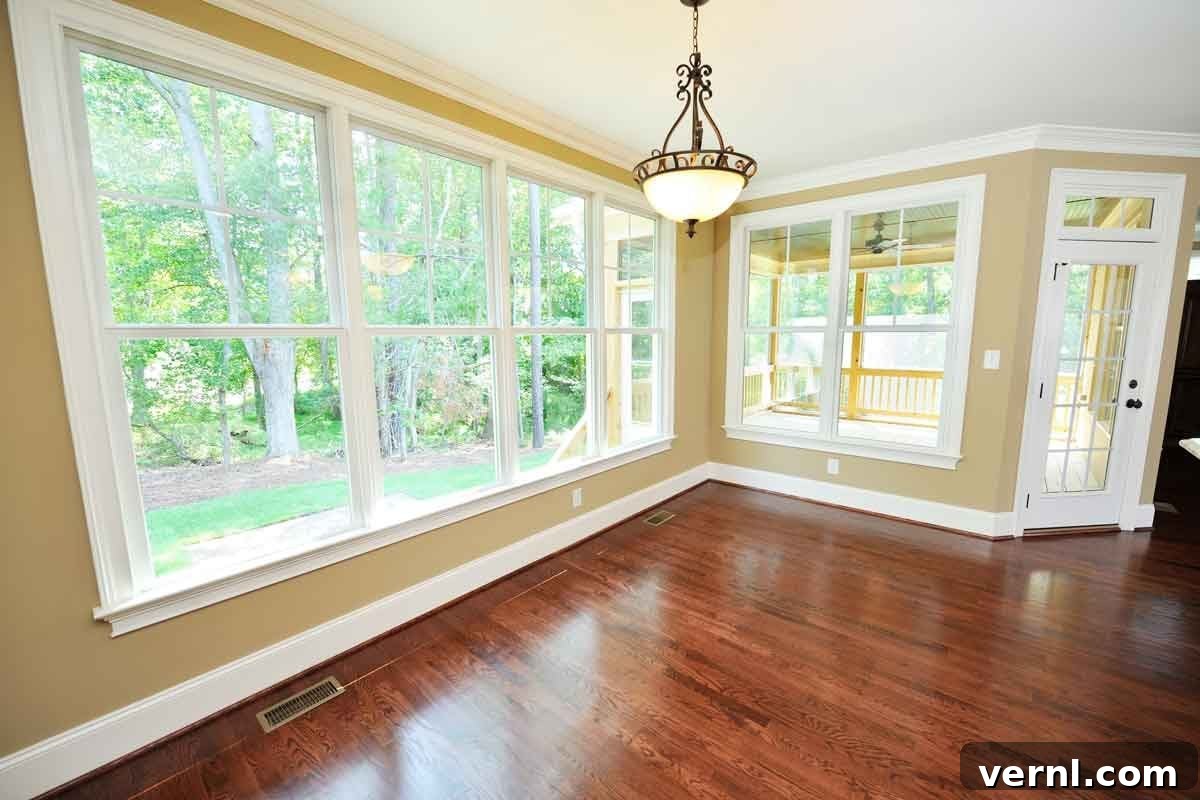
Choosing the right interior window trim is a significant decision that impacts your home’s aesthetic appeal, energy efficiency, and overall value. While we can’t tell you precisely which option is best for your unique living space, this comprehensive guide will equip you with all the essential information to make an informed decision yourself. Here’s what you need to know about interior window trim, including its vital functions, the compelling reasons you need it, and a wide array of options to consider for your next home improvement project.
What is Interior Window Trim and Why Does Your Home Need It?
At its core, interior window trim, often referred to as window casing or molding, is a decorative and functional element that covers the seam where a window frame meets the wall. Much like baseboards seamlessly transition from floor to wall, or crown molding elegantly connects walls to ceilings, window trim provides a polished, finished look around your windows.
It’s important to distinguish between interior and exterior window trim. While both serve the fundamental purpose of covering the gap between the window unit and the wall structure, their material requirements and design priorities often differ. Exterior window trim is primarily designed for durability and weather resistance, acting as a crucial barrier against the elements. “For the outside of a home, vinyl, synthetic, or exterior-rated building materials should be used,” explains Michael DiMartino, senior vice president of installations at Power Home Remodeling. Interior trim, on the other hand, prioritizes aesthetics and internal environmental control, making materials like various types of wood more viable choices due to their decorative potential.
Dual Purpose: Insulation and Decoration
Interior window trim serves two primary, yet equally important, purposes: enhancing insulation and providing vital decoration.
Energy Efficiency and Protection
From a functional standpoint, interior window trim acts as an indispensable barrier that significantly contributes to your home’s energy efficiency. “Window trim will work as an important barrier to help keep outside air out of the home, and inside air in,” says DiMartino. This critical function helps to minimize drafts, prevent heat loss during colder months, and keep cool air contained during warmer seasons, ultimately leading to lower energy bills and a more comfortable indoor environment. It adds another protective layer to the existing insulation around the window frame, further sealing potential gaps that could compromise your home’s thermal envelope. In an era where energy conservation is paramount, well-installed and properly chosen window trim is more than just an aesthetic choice—it’s an investment in your home’s performance.
Aesthetic Enhancement and Value Boost
Beyond its insulating capabilities, the decorative aspect of window trim is undeniable. It works wonders by covering any imperfections or gaps that are almost inevitable during the window installation process. “It’s just about impossible to put a window in and have everything match up perfectly so that it doesn’t need any trim,” says Melanie Musson, a window expert with USInsuranceAgents.com. Trim effectively conceals these “messy spots,” providing a clean, crisp, and professional finish that makes your windows look intentionally integrated into your home’s design.
The style of interior window trim can range from sleek and simple, offering a minimalist appeal, to elaborate designs with intricate patterns and rich colors that become a focal point of the room. This decorative element elevates the entire home’s aesthetic, adding character, depth, and a sense of completeness to each space. Moreover, quality window trim doesn’t just enhance daily living; it significantly boosts your property’s market appeal. “High-end woodwork is a big booster of home value and is often sought after by prospective buyers,” DiMartino emphasizes. When executed correctly, well-chosen window casing is a timeless piece of home décor that signals attention to detail and quality craftsmanship, making your home more attractive to potential buyers.
Exploring the Diverse World of Interior Window Trim Materials and Styles
The market for interior window trim offers an extensive array of materials and design styles, ensuring there’s an option to suit every homeowner’s vision, budget, and architectural preference. Both DiMartino and Musson agree that wood remains the most traditional and frequently chosen material for interior window trim, primarily due to its versatility and timeless appeal.
Popular Materials for Interior Window Trim
The choice of material heavily influences the trim’s appearance, durability, maintenance requirements, and overall cost.
- Wood: Wood is celebrated for its natural beauty, warmth, and ability to be stained or painted to match any décor. Different species offer distinct characteristics:
- Poplar: Highly recommended for painted trim due to its smooth, fine grain that accepts paint beautifully, resulting in a flawless finish. It’s relatively affordable and stable.
- Oak: Known for its strong, distinctive grain pattern, oak is an excellent choice for stained trim, bringing out its rich texture and natural character. It’s durable but generally more expensive.
- Pine: A cost-effective and readily available option, pine is popular for both painting and staining. It can have knots, which can be part of its charm in rustic settings or require filling for a smoother finish.
- Maple: Offers a smooth, uniform grain similar to poplar but is harder and more durable. It’s great for both painting and staining, providing a refined look.
- Finger-Jointed Pine: Made from smaller pieces of pine joined together, this material is warp-resistant and an economical choice for painted trim, offering a smooth surface.
- Wood Composites (MDF): Medium-density fiberboard (MDF) is an engineered wood product made from wood fibers, resin, and wax. It’s more affordable than solid wood, very stable, and has a perfectly smooth surface, making it an ideal choice for painted trim. However, it’s susceptible to moisture damage if not properly sealed or if used in high-humidity areas.
- Vinyl and Cellular PVC: These synthetic materials are gaining popularity, especially in commercial builds, as DiMartino notes, “since it holds up to wear and tear and is more budget friendly for larger scale projects.” Vinyl and cellular PVC are exceptionally durable, moisture-resistant, and require minimal maintenance, never needing painting or staining. They are often white and can mimic the look of wood, offering a practical and long-lasting solution, particularly in bathrooms or kitchens where humidity is a concern.
Timeless and Trending Interior Window Trim Design Styles
The design possibilities for interior window trim are virtually endless, with styles available to complement any home’s architectural language and interior design style. You’ll find options ranging from traditional Colonial, ornate Victorian, and sturdy Craftsman trim to minimalist Modern and everything in between. To simplify your choice, DiMartino identifies four common and easily accessible styles:
- Flat Window Trim: As its name suggests, flat window trim is characterized by its simple, unadorned profile. This style is an inexpensive, timeless, and versatile choice that blends seamlessly into various décor schemes, particularly modern or minimalist interiors. Its understated elegance provides a clean frame for any window.
- Colonial Window Trim: While still refined and relatively inconspicuous, Colonial trim features more intricate details than flat trim. It often incorporates gentle curves, subtle indents, and stepped profiles that evoke a sense of classic elegance. Multiple pieces of molding can be combined to achieve a wider, more pronounced colonial look, adding a touch of traditional charm without overpowering the room.
- Fluted Window Trim: Defined by its straight, uniform vertical lines or grooves, fluted window trim adds significant visual interest and architectural detail. This style can create an illusion of height, helping to make a space appear larger and more grand. Fluted trim is often associated with classical or traditional designs but can be adapted for contemporary settings to add texture.
- Ranch Window Trim: Similar to flat trim in its simplicity, ranch trim often features a slightly curved or angled face, offering a subtle departure from a completely flat profile. This style provides a clean, understated look that is adaptable to many casual or contemporary home designs, offering a soft edge rather than a sharp, angular finish.
Beyond these common profiles, you can also consider specific elements of window trim such as the casing (the vertical and horizontal pieces framing the window), the sill (the horizontal piece at the bottom), and the apron (the decorative piece beneath the sill). Understanding these components can help you design a custom look.
How To Choose the Perfect Interior Window Trim for Your Home
Selecting the ideal interior window trim involves balancing practical considerations with your aesthetic preferences. The two primary factors guiding your decision will always be your budget and the overall style you wish to achieve in your home.
Budget and Cost Considerations
When budgeting for interior window trim, it’s crucial to consider not just the initial cost of materials but also the installation expenses and any potential ongoing maintenance costs. Material choice is a significant cost driver: solid hardwoods like oak will be more expensive per linear foot than pine, MDF, or vinyl. The complexity of the trim profile also affects material waste and labor.
Your DIY ability plays a substantial role in the overall project cost. If you possess strong carpentry skills and the necessary tools, you could bypass professional installation costs, allowing you to invest in higher-quality materials like more expensive wood trim. Conversely, if you plan to hire a professional, a cheaper trim material or a simpler style might be more budget-friendly.
Ronnie Collins, a professional carpenter and founder of Electro Garden Tools, provides useful cost estimates. He states that the average cost of materials and professional installation typically ranges from $6.21 to $9.63 per linear foot. “This means that an average project will cost you around $450-$550 with labor,” he explains. “If you want to DIY, the price will be just $0.90 to $1.35 per linear foot,” dramatically reducing expenses to just materials.
Style, Architecture, and Maintenance
To choose the right style, start by gathering inspiration. Browse interior design photos online, visit home improvement stores, or even explore local architectural styles that appeal to you. Critically, consider the existing trim and molding throughout the rest of your house. Unless you plan a complete overhaul of all your home’s woodwork, it’s generally smart to match your new window trim to your existing interior trim. This creates a cohesive and harmonious look that enhances the flow and architectural integrity of your home.
Think about the architectural style of your home: a Victorian home might benefit from ornate, fluted, or multi-layered trim, while a minimalist modern home would typically call for flat or simple ranch styles. Consider the width and proportion of the trim; wider casing can make a window appear larger and more substantial, fitting well in rooms with high ceilings or grand dimensions. Conversely, narrower profiles suit smaller windows or rooms where a subtle touch is preferred.
Finally, factor in maintenance. Wood trim, especially when stained, will require periodic cleaning and possibly re-staining or repainting over time. Painted trim will need touch-ups. Synthetic materials like vinyl or cellular PVC are virtually maintenance-free, offering a “set it and forget it” solution, which might be ideal for busy homeowners or areas prone to moisture.
DIY Interior Window Trim: A Rewarding Home Improvement Project
For those with a knack for home improvement, installing interior window trim can be a highly rewarding DIY project that saves significantly on labor costs. While it requires precision and the right tools, it is certainly within the capabilities of many homeowners. The most challenging aspects typically involve accurate measuring and making precise cuts, especially mitered corners.
Essential Tools and Steps for DIY Installation
Ronnie Collins recommends using a miter saw for precise angle cuts and a brad nailer for efficient and secure fastening. Other essential tools include a tape measure, a level, a caulk gun (for sealing gaps), wood filler, sandpaper, and appropriate safety glasses. The general process involves:
- Measurement: Accurately measure the dimensions of your window opening.
- Cutting: Cut the trim pieces to size, typically using 45-degree miter cuts at the corners for a seamless joint.
- Dry Fit: Always dry fit the pieces first to ensure they fit perfectly before permanent attachment.
- Secure Attachment: Use a brad nailer or finish nails to secure the trim to the wall studs around the window frame. Wood glue can also be used for extra adhesion.
- Finishing: Fill all nail holes with wood filler, sand smooth, and caulk any gaps between the trim and the wall for a professional, sealed finish.
- Painting/Staining: Apply your chosen paint or stain to complete the look.
Considering Trimless Windows
Alternatively, for a truly minimalist and contemporary aesthetic, you might consider DIY trimless windows. This modern approach involves meticulously finishing the drywall right up to the window frame, creating a flush, seamless transition without any visible trim. Achieving this look requires exceptional precision in drywall installation and finishing, often involving specialized corner beads to ensure crisp, clean edges. It’s a sophisticated option that works beautifully in ultra-modern or industrial-style interiors.
When to Call a Professional
While DIY can be cost-effective, it’s important to know your limits. If you’re dealing with complex window shapes, historical homes that require specific restoration techniques, or if you simply lack the time, tools, or confidence to achieve a professional finish, calling a pro is always the wisest decision. Experienced carpenters can ensure flawless installation, precise cuts, and a durable finish that enhances your home’s value without the stress of a challenging DIY project.