
With the profound and ever-increasing impact of climate change being felt across the nation, a growing number of Americans are actively seeking tangible, impactful changes they can implement within their homes and communities to contribute positively to environmental sustainability. From making significant investments in electric vehicles (EVs) to embracing innovative landscaping solutions like replacing water-intensive conventional grass lawns with eco-friendly alternatives, homeowners now have a diverse array of sustainable choices at their disposal. These choices not only help reduce their carbon footprint but also play a crucial role in nurturing and preserving local ecosystems.
Among the most effective and high-impact solutions gaining traction with both urban planners and environmentally conscious homeowners is the strategic installation of bioswales. While you may not immediately recognize the term, chances are you’ve encountered a bioswale on the side of a road or within a public green space without realizing its specific function and environmental significance. For the curious and environmentally aware homeowner eager to make a difference, this comprehensive guide offers an in-depth exploration of bioswales: what exactly they are, how to easily identify them in your surroundings, and practical steps on how you can construct one to enhance the sustainability of your own home and property.
What Is a Bioswale? Understanding This Vital Green Infrastructure
At its core, a bioswale is a thoughtfully designed landscape element engineered to manage stormwater runoff, improve water quality, and promote ecological health. Much like their smaller counterparts, rain gardens, bioswales are fundamentally intended to absorb and filter water runoff. However, a key distinction lies in their scale and primary function. While rain gardens typically focus on capturing runoff from a house’s gutters and immediate yard, bioswales are specifically “designed to capture much more runoff coming from larger areas of impervious surfaces like streets and parking lots,” as highlighted by the Milwaukee Metropolitan Sewerage District (MMSD). This means bioswales tackle a broader environmental challenge, intercepting pollutants before they can reach natural waterways.
The ingenuity of a bioswale lies in its complex yet natural infrastructure. Beyond the typical layers of soil and gravel found in simpler systems, bioswales often incorporate more sophisticated elements such as pipe underdrains and overflow structures. These components are critical for enhancing the system’s capacity to handle significant volumes of water and ensure proper drainage, preventing saturation and maximizing filtration efficiency. The carefully selected layers of engineered soil, specialized aggregate, and native vegetation work synergistically to physically filter out sediment, absorb chemical pollutants, and biologically break down contaminants from stormwater. This multi-layered approach allows the bioswale to effectively filter a wide range of pollution out of stormwater, including oils, heavy metals, nutrients, and other debris that would otherwise flow directly into rivers, lakes, and oceans. Both rain gardens and bioswales ultimately leverage the power of native plants, chosen for their deep root systems and water absorption capabilities, to actively draw in excess water, stabilize the soil, and significantly prevent erosion, thereby protecting valuable topsoil and maintaining landscape integrity.
Beyond their primary role in stormwater management, bioswales offer a multitude of ecological benefits. They contribute to groundwater recharge, replenishing local aquifers by allowing water to slowly infiltrate the soil. They help mitigate the urban heat island effect by introducing more vegetation into concrete-heavy areas. Furthermore, by creating diverse plant communities, bioswales provide valuable habitat and food sources for pollinators, birds, and other beneficial wildlife, enhancing biodiversity within urban and suburban landscapes. Their linear design often integrates seamlessly into existing infrastructure, transforming previously neglected or purely functional spaces into vibrant, living ecosystems that contribute to the overall health and beauty of a community.
How Do I Spot a Bioswale? Visual Cues for Identification
Identifying a bioswale in your daily environment can become second nature once you know what to look for. The next time you’re out running errands or simply driving through your neighborhood, take a moment to observe the areas alongside streets, in medians, or near parking lots. Bioswales are frequently integrated into these public spaces as part of sustainable urban planning initiatives. They are often placed in medians or run parallel to roads, driveways, or other large impervious surfaces where runoff naturally collects.
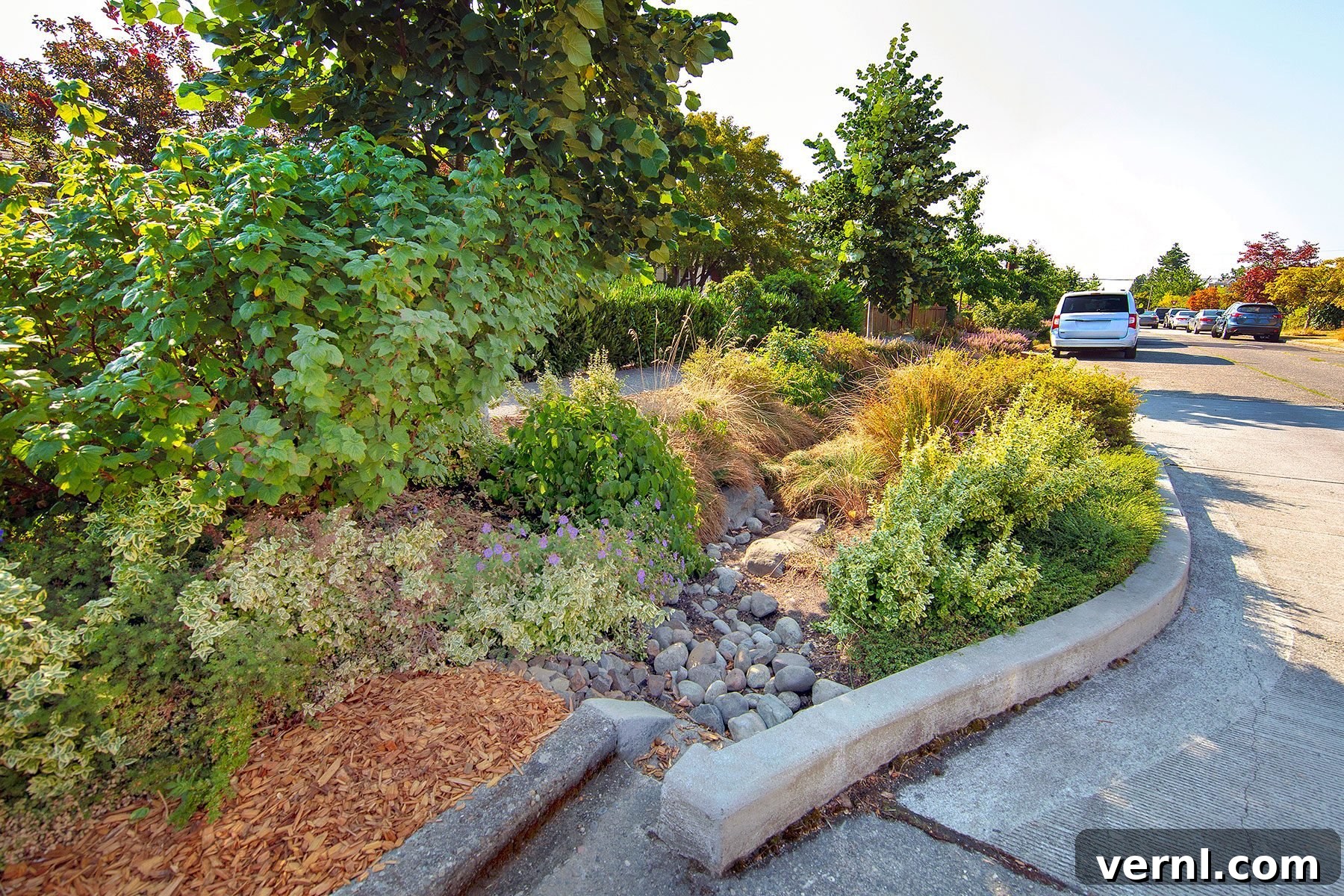
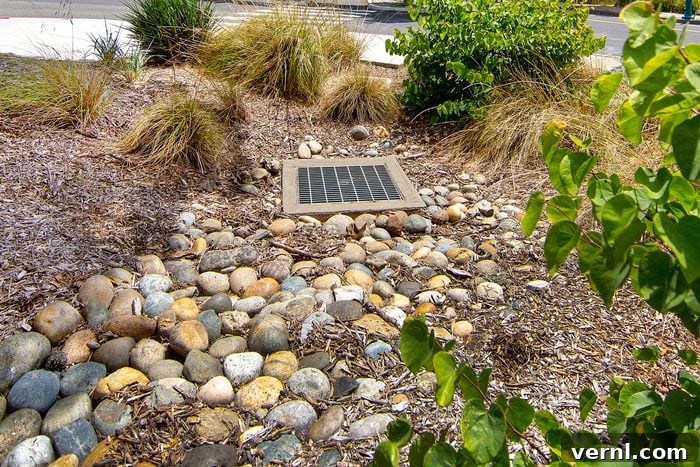
To confirm you’re looking at a bioswale, check for a few distinctive visual cues. First, examine the overall shape of the garden strip or landscaped area: Is it noticeably concave, resembling a shallow, elongated drainage ditch? This depression is intentionally designed to collect and temporarily hold stormwater. Second, observe the vegetation: Is the garden filled with a diverse array of landscaping plants, grasses, and perhaps some rocks? Bioswales typically feature native, drought-resistant, and water-tolerant plants that can withstand both periods of inundation and dry spells. These plants are crucial for water absorption and filtration. Third, look for any nearby drainage grates or overflow structures. While the primary goal of a bioswale is to absorb water, some larger or more complex installations may include grates or pipes to manage extreme rainfall events and prevent localized flooding. If you notice these characteristics – a concave shape, specialized plantings, and potential drainage features – chances are, you’re looking at a functioning bioswale, silently working to protect your local environment.
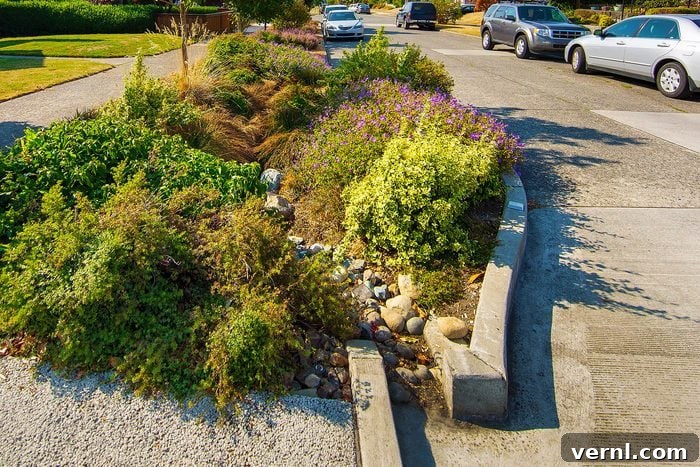
Beyond these primary indicators, you might also notice specific types of soil or mulch that appear different from typical landscaping beds, designed to optimize infiltration. The presence of varied plant heights, with taller, more water-loving species at the lowest point of the swale and more drought-tolerant plants on the slopes, also signifies a well-designed bioretention area. These subtle details all point to an intentional system designed to manage water effectively and beautifully.
How Can I Build a Bioswale? A Guide for Homeowners and Community Members
The decision to build a bioswale, whether on private property or as a community endeavor, represents a significant step towards sustainable living and responsible land management. The specific process for constructing a bioswale will vary considerably depending on whether you intend to install one on your own private property or contribute to a larger project on public land. Below, we’ve outlined practical suggestions and steps for each scenario, empowering you to bring this green infrastructure solution to life.
On Your Own Property: Creating a Residential Bioswale
Building a bioswale on your private property can be a rewarding DIY project that significantly benefits your landscape and the local ecosystem. Follow these detailed steps to ensure a successful installation:
- Choose a Strategic Location. The placement of your bioswale is paramount for its effectiveness. It should ideally run alongside a flat area that experiences poor drainage, such as a driveway, a patio, or a section of your yard where water tends to pool after rain. The goal is to intercept runoff before it becomes a problem or carries pollutants off-site. Crucially, avoid building your bioswale over existing septic tanks or utility lines. Before any digging begins, it is imperative to call 811 (or your local equivalent utility notification center) to have all underground utilities marked. This essential step prevents accidental damage to water pipes, electrical lines, gas lines, and communication cables, ensuring both your safety and the integrity of existing infrastructure. Consider areas that receive direct runoff from impervious surfaces like your roof (via downspouts redirected to the swale) or paved areas.
- Dig the Right Ditch with Precision. The dimensions of your bioswale directly impact its ability to manage water. The depth of the ditch should be carefully determined based on your soil’s infiltration rate – how quickly it can absorb water. To test this, dig a small hole (e.g., coffee-can-sized, about 6-12 inches deep) in the proposed bioswale location, fill it with water, and measure how much drains off in a 24-hour period. For instance, if water in a 12-inch deep hole completely drains within 24 hours, your bioswale can be 12 inches deep. The ideal bioswale slope ratio is 4:1 (horizontal to vertical), according to the National Association of City Transportation Officials (NACTO). Once you’ve determined the depth, multiply it by four to calculate the horizontal width of the slope for each side of the deepest point. Using the previous example, a 1-foot deep bioswale would require a 4-foot slope on each side, resulting in a total width of 8 feet at the top (1-ft deep x 4 + 1-ft deep x 4). This precise ratio optimizes both water collection and efficient filtration, allowing water to spread out and permeate the soil effectively. The shape can be linear, curvilinear, or even kidney-shaped, depending on your landscape design and the path of runoff.
- Consider an Underdrain System. For homeowners seeking the most highly filtered water or dealing with particularly dense, clay-rich soils with low permeability, installing an underdrain is a valuable enhancement. An underdrain typically consists of a perforated PVC pipe, wrapped in geotextile fabric to prevent clogging, laid at the bottom of the bioswale ditch before adding soil and gravel layers. This system helps to encourage water to disperse uniformly throughout the entire soil profile and provides an overflow route for excess water during intense storms, ensuring the bioswale doesn’t become waterlogged. While not strictly necessary for smaller installations with highly permeable soils, an underdrain significantly boosts the performance and longevity of the bioswale, especially in challenging soil conditions or when aiming for maximum water recovery (e.g., directing filtered water to a rain barrel for later use).
- Decorate and Stabilize with Rocks. Rocks play both an aesthetic and a crucial functional role in a bioswale. Fill designated parts of your bioswale with splash rocks and decorative rocks. Place the largest, most stable rocks in a bottom layer, creating a robust foundation, and then arrange smaller ones on top. Similar to the principles of creating a bocce ball court or any well-drained landscape feature, this layering strategy allows for excellent drainage, prevents erosion, and helps slow down the flow of water, allowing more time for infiltration. Get creative with your design, forming natural-looking rock “rivers” or aesthetically pleasing patterns that complement your garden’s style. Rocks also help protect the soil from the erosive force of incoming stormwater and provide visual interest, blending the functional aspect of the bioswale with your landscape design.
- Finish with Thriving Native Plants. The final and perhaps most defining step is to populate your bioswale with native plants. Native species are ideally suited for bioswales because they are adapted to local climate conditions, require less water and maintenance once established, and possess deep root systems that are excellent for absorbing water, stabilizing soil, and filtering pollutants. You can find which plants are native to your specific area here and use this guide to score great deals on native plants. It’s crucial to strategically place high-moisture tolerant plants at the deepest point of the bioswale, where water will collect most frequently, and moderate-moisture plants on the slopes. Whenever possible, opt for more mature plants as they are generally more resilient and better equipped to endure the initial impacts of rainfall and fluctuating water levels. Consider using biodegradable landscape fabric or erosion control blankets in certain areas during establishment to secure newly planted vegetation and prevent soil washout until the plants’ root systems are fully developed.
On Public Property: Engaging in Community Bioswale Projects
If your interest extends beyond your private property and you are passionate about contributing to larger-scale green infrastructure, participating in or initiating a bioswale project in your neighborhood is an excellent way to make a collective impact. However, undertaking projects on public land involves a more complex process due to regulatory, safety, and logistical considerations. You will first need to consult extensively with local zoning professionals, representatives from your local government (such as city planners or public works departments), a qualified civil engineer, and a landscape architect. These experts will help navigate the intricate planning, design, and permitting stages. Permits will almost certainly be required, as public land projects often involve changes to stormwater flow, public access, and potential impacts on existing infrastructure. This collaborative approach ensures that the bioswale is designed safely, effectively, and in compliance with all local ordinances and environmental regulations.
Fortunately, many metropolitan areas are increasingly recognizing the value of bioswales and other green infrastructure solutions to manage urban stormwater, improve air quality, and enhance community aesthetics. As a result, many cities are constantly seeking dedicated volunteers to assist in building and maintaining bioswales. Numerous nonprofit organizations are specifically dedicated to these tasks, acting as crucial intermediaries between community members and local government initiatives. Engaging with these organizations offers a fantastic pathway to contribute your time and effort, learn valuable skills, and be part of a larger environmental movement.
Below is a list of programs and organizations in some of the most populated U.S. cities. If your city isn’t listed, a quick online search for “green infrastructure volunteer opportunities,” “stormwater management projects,” or “environmental non-profits” in your local area will likely yield similar results. These groups often provide training, tools, and a supportive community for volunteers.
- New York, NY:
- Rain Garden Action in Neighborhoods Coalition (Focuses on empowering communities in lower-income boroughs to build rain gardens and bioswales).
- Harbor Protectors (Engages volunteers in protecting and restoring New York City’s waterways, which often includes green infrastructure projects).
- Los Angeles, CA:
- Los Angeles Beautification Team (Works on various community improvement projects, including green spaces and landscaping).
- Climate Cents (A platform connecting individuals to local climate action projects, which can include bioswale initiatives).
- Breathe Southern California (Promotes clean air and healthy communities, often through projects that reduce pollution, including stormwater runoff management).
- North East Trees (Focuses on urban greening, restoring natural habitats, and engaging communities in environmental stewardship).
- Chicago, IL:
- Urban Rivers (Dedicated to transforming urban rivers into thriving ecosystems, often through green infrastructure and habitat restoration).
- Ravenswood Community Council (Involved in local community development, including greening initiatives and sustainable landscaping).
- BUILD Chicago (Though primarily focused on youth development, they often engage in community improvement projects that can include environmental efforts).
- Houston, TX:
- Houston Wilderness (Works to protect and restore Houston’s vast network of natural green spaces and waterways).
- Houston Parks Board — Bayou Greenways (A major initiative focused on developing and enhancing green spaces along the city’s bayous, often incorporating stormwater management features).
- Phoenix, AZ:
- Tiger Mountain Foundation (Engages in community-based food security and environmental projects, often involving urban gardens and sustainable land use).
- Arizona Forward (A business and civic coalition dedicated to improving Arizona’s environment and economy, including sustainable development initiatives).
- Keep Phoenix Beautiful (Focuses on litter reduction, recycling, and beautification efforts that often include green infrastructure installations).
What Else Can I Do to Help the Environment? Expanding Your Eco-Friendly Efforts
While installing a bioswale is a fantastic step toward a more sustainable lifestyle, the possibilities for positive environmental action are truly endless. Every small change contributes to a larger impact, and many eco-friendly projects can be integrated into your home and daily routine with relative ease. For a quick and impactful DIY project, consider building a rain barrel. This simple system allows you to collect rainwater from your roof, which can then be used to water your garden or houseplants, reducing your reliance on treated tap water and easing the burden on municipal stormwater systems.
Another excellent way to boost local biodiversity is to create a pollinator-friendly garden. Filling your yard with flowers that specifically support bees, butterflies, and other vital pollinators not only beautifies your space but also plays a critical role in supporting ecosystems and food production. Research native plants for your region that are known to attract pollinators, ensuring a thriving habitat.
Beyond gardening, explore various inexpensive eco-friendly upgrades for your home. These might include switching to LED lighting, improving insulation to reduce energy consumption, installing low-flow showerheads and toilets to conserve water, or simply adopting energy-saving habits like unplugging electronics when not in use. Even small changes like using smart power strips can make a significant difference in your energy footprint. Furthermore, actively working to reduce your use of single-use plastic is a powerful way to combat pollution. This could involve carrying reusable bags, water bottles, and coffee cups, opting for products with minimal packaging, or choosing sustainable alternatives in your daily purchases. Every little bit truly helps, so no matter which sustainable practice appeals most to you, rest assured that your actions are collectively making a meaningful difference for the planet.