Are Earwigs Dangerous? Dispelling Myths About These Common Garden Insects
Encountering an unusual insect in your home or garden can often spark a mix of curiosity and concern. Among the many creatures that share our environment, the earwig, with its intimidating rear pincers, frequently raises questions. Many wonder: Are earwigs dangerous? Do they bite or sting? Should I worry about my children or pets? And critically, how should one safely manage their presence?
This comprehensive guide aims to demystify the earwig, often colloquially known as the “pincher bug.” We’ll explore their behavior, potential risks (or lack thereof), and offer practical advice for those moments when you find yourself sharing space with these distinctive insects. Rest assured, by the end of this article, you’ll have a clear understanding of what an earwig encounter truly means.
Understanding Earwigs: Appearance and Habitat
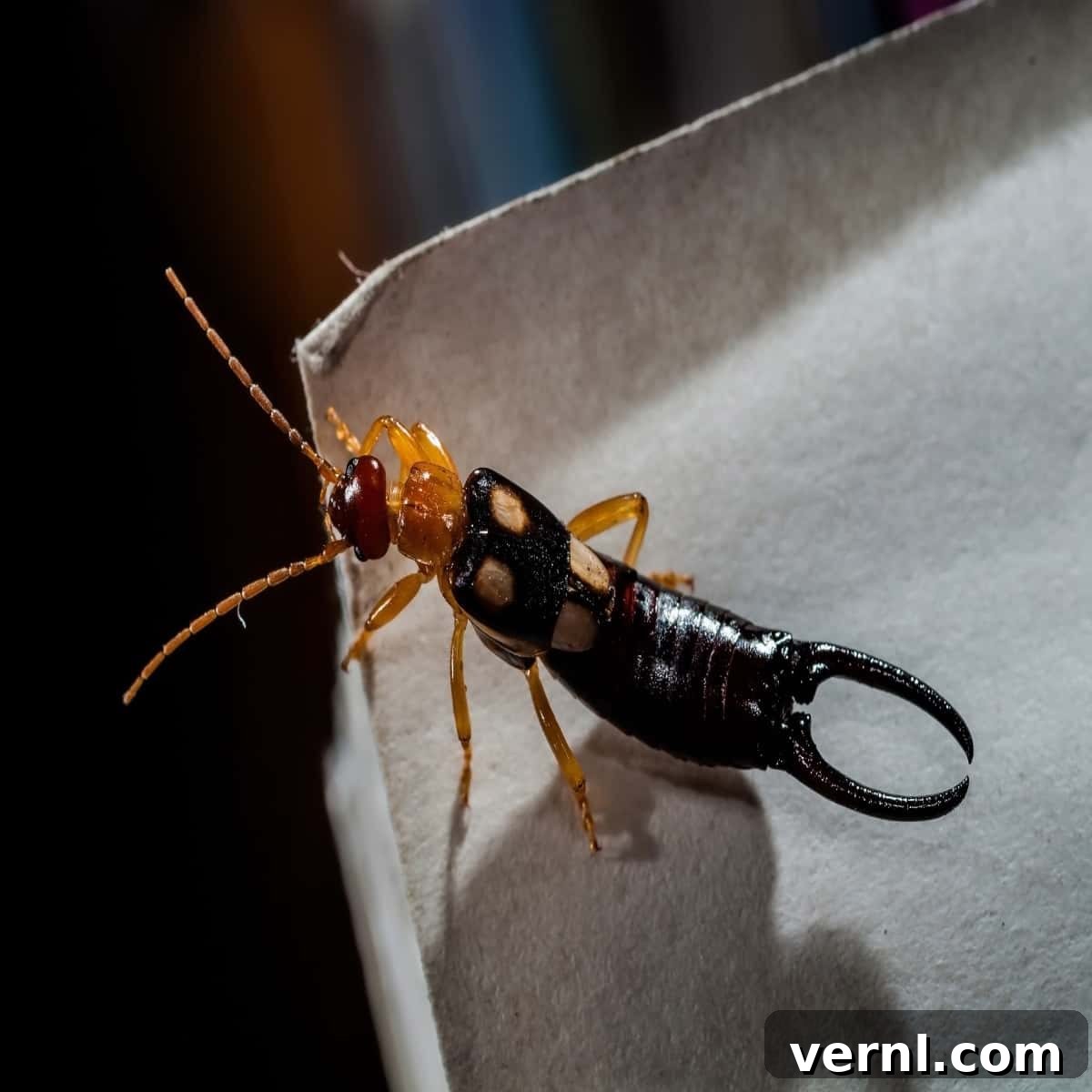
Before diving into safety concerns, let’s briefly understand what earwigs are. Earwigs (order Dermaptera) are elongated, flattened insects typically ranging from 5 to 25 millimeters in length, though some tropical species can be larger. They are easily recognized by their shiny, reddish-brown bodies and, most notably, the prominent pair of forcep-like appendages, known as cerci, located at the end of their abdomen. These cerci are more pronounced and curved in males and straighter in females.
Earwigs are nocturnal creatures, preferring cool, damp, and dark environments. They thrive outdoors in areas with decaying organic matter, under rocks, logs, leaf litter, and in dense vegetation. Indoors, they often seek refuge in bathrooms, basements, laundry rooms, or kitchens – any place with high humidity. They are omnivores, feeding on a variety of things including decaying plant material, fungi, small insects, and sometimes garden plants. Their presence is often a sign of moisture issues or abundant organic debris nearby.
The Truth About Earwig Danger to Humans
Despite their somewhat menacing appearance, earwigs are not considered dangerous insects to humans. Their hard exoskeleton and prominent pincers might make them seem intimidating, but their capacity for harm is extremely limited. There’s a common misconception, perpetuated by their name, that earwigs crawl into human ears and lay eggs. This is a myth; while any small insect could theoretically enter an ear canal, earwigs do not actively seek out human ears as a nesting site, nor do they pose a unique threat in this regard.
Earwigs do not possess stingers and therefore do not carry venom. This means they are not poisonous, nor can they inject toxins into your skin. If an earwig feels threatened, or if its body is accidentally crushed, it may release a yellowish-brown, foul-smelling secretion. This defensive mechanism, while unpleasant, is entirely harmless. It’s simply a deterrent to predators and causes no ill effects to humans or pets beyond a temporary bad odor.
Do Earwigs Bite?
A frequently asked question concerns whether earwigs bite. The definitive answer is no, earwigs do not bite. They lack the mouthparts necessary to bite humans in a way that would cause injury or leave a discernible mark. So, if you find an unexplained mark on your skin, it is highly unlikely to be the result of an earwig bite. Their feeding habits are centered around plants and small insects, not human flesh.
Can Earwigs Pinch?
While biting is not a concern, the “pincher bug” moniker exists for a reason: earwigs do have a pair of pincers that they can use. These cerci are primarily used for defense, mating, and sometimes for manipulating food. If an earwig feels scared, trapped, or cornered, it may attempt to pinch a person’s skin. However, the pinch from an earwig’s cerci is generally not painful for humans.
The sensation is more akin to a slight, noticeable nip or a gentle squeeze. Due to their relatively weak musculature and the design of their pincers, earwigs typically cannot exert enough force to cause significant pain. In very rare instances, an earwig pinch might be strong enough to break the delicate top layer of human skin. If this does occur, the treatment is simple and straightforward: clean the area with mild soap and water, just as you would any minor scratch or abrasion. For an added layer of protection against potential infection, especially since earwigs live in soil and damp environments, applying an antiseptic cream or lotion is a good precautionary measure. The risk of infection is minimal, but good hygiene is always recommended for any broken skin.
Earwigs and Your Pets: Cats and Dogs
Pet owners often worry about how common household pests might affect their furry companions. When it comes to earwigs, you can generally rest easy. Earwigs typically do not pose a threat to cats or dogs. They are not aggressive insects and will not actively seek out confrontation or contact with household animals. Like with humans, their primary defense mechanism against a perceived predator, such as a curious cat or dog, is their pincers, but these are not capable of inflicting any real damage on pets.
It’s possible for a curious cat or dog, sniffing around in the garden or investigating an earwig indoors, to get nipped on the nose or face. However, this pinch will likely be very minor, causing little to no pain, and might even go unnoticed by your pet, especially given their thicker skin and fur. Even if an earwig were to latch on momentarily, it would quickly release its grip as it realizes the futility of its defense against a much larger creature.
Furthermore, if your cat or dog happens to eat an earwig, there’s no need for alarm. As previously mentioned, earwigs do not carry venom or any other dangerous substances that would be toxic to pets. While the yellowish defensive secretion they release might result in an unpleasant taste or smell, it will not cause any systemic problems for your pet. At most, a sensitive pet might experience a mild, temporary stomach upset due to the foreign object or the foul-smelling secretion, but serious health issues are highly improbable. Ingesting an earwig is generally harmless.
Managing Earwigs Safely: Removal and Prevention
Even though earwigs are largely harmless, their presence can be considered an unpleasant nuisance, especially when they venture indoors in significant numbers. Many homeowners prefer to take measures to get rid of earwigs and prevent future infestations. When considering removal methods, safety should always be your top priority, particularly if you have children or pets in the home.
Choosing Safe Removal Methods
If you opt for chemical pesticides to manage an earwig problem, extreme caution is advised. Always read and meticulously follow the manufacturer’s instructions on the product label. Ensure that any sprays, baits, or traps are kept strictly out of reach of infants, young children, and pets. The active chemicals in these solutions can be harmful if touched, inhaled, or ingested. Apply pesticides in well-ventilated areas, consider wearing protective gloves, and keep treated areas inaccessible until the product has dried or settled as directed. Store all chemical products securely in their original containers.
For those preferring safer, non-toxic alternatives, several effective methods exist:
- Physical Removal: Simply vacuuming up visible earwigs is an immediate solution.
- DIY Traps: Earwigs are attracted to dark, moist places. You can create simple traps using rolled-up newspapers, cardboard tubes, or shallow dishes of soy sauce or vegetable oil. Place these traps in areas where earwigs are frequently seen overnight and dispose of the captured insects in the morning.
- Diatomaceous Earth (DE): Food-grade diatomaceous earth is a natural powder made from fossilized algae. It works by dehydrating insects. Sprinkle a thin layer around entry points, baseboards, or garden beds where earwigs are active. It is generally safe for pets and humans when used as directed, but always choose food-grade DE.
- Sealing Entry Points: The most effective long-term prevention is to seal cracks and crevices in your home’s foundation, around windows, and under doors. Repair leaky pipes and address any moisture issues that attract earwigs.
- Outdoor Habitat Reduction: Reduce outdoor hiding spots by clearing away leaf litter, decaying wood, compost piles close to the house, and dense ground cover. Ensure gutters are clean and direct water away from the foundation.
Preventing Future Earwig Encounters
Prevention is key to minimizing earwig presence. Maintaining a dry environment, both inside and immediately outside your home, is crucial. Use dehumidifiers in basements and crawl spaces, fix leaky faucets, and ensure proper ventilation. Keep exterior lights off at night or use yellow “bug lights,” as earwigs are attracted to light. By proactively managing their habitat and entry points, you can significantly reduce the likelihood of these harmless yet bothersome insects making themselves at home.
Conclusion: A Nuisance, Not a Threat
In summary, while their appearance can be startling, earwigs are overwhelmingly harmless to humans and pets. They do not bite, carry venom, or pose any significant health risk. Their most notable defense is a mild pinch, which is rarely painful, and a foul-smelling secretion that is non-toxic. The primary concern with earwigs is their nuisance factor, especially when they invade indoor spaces.
Understanding the true nature of earwigs can help alleviate unwarranted fears. With proper preventative measures and safe removal techniques, you can effectively manage their presence without resorting to extreme measures. Focus on reducing moisture, sealing entry points, and maintaining a tidy environment to keep these pincher bugs where they belong: mostly outdoors, doing their part in nature’s ecosystem, far from your living spaces.
Additional Earwig Information
For more in-depth information about earwigs, their life cycle, and comprehensive pest control strategies, explore these helpful resources:
- Earwig Guide
- Types of Earwigs
- Earwig Life Cycle
- Earwig Infestations
- How to Get Rid of Earwigs
- How to Prevent Earwigs
- Earwig Safety (You are currently reading this article!)
- Earwig Facts
Sources:
- The Old Farmer’s Almanac: Earwigs
- Insect Identification: Earwigs
- University of Minnesota Extension: Earwigs