Your Essential Guide to Fall Home & Lawn Preparation
As the vibrant colors of summer give way to the crisp air and changing leaves of autumn, it’s a critical time for homeowners to shift their focus to fall home and lawn maintenance. This season offers a prime opportunity to prepare your garden for winter dormancy, ensure your home is cozy and energy-efficient, and embrace the festive spirit of fall decorating. From nurturing your lawn to protecting your pipes, our comprehensive guide provides expert advice and actionable steps to help you tackle every essential task, ensuring a smooth transition into the colder months and setting the stage for a thriving spring.
Fall Lawn Care: Cultivating a Greener Tomorrow
Fall isn’t just about admiring the foliage; it’s arguably the most important season for cultivating a robust, healthy lawn. The cooler temperatures and increased rainfall provide ideal conditions for grass to recover from summer stress and build strength for the upcoming winter. Proper autumn lawn care can significantly impact your lawn’s health and appearance next spring, making it a crucial investment of your time and effort.
Planting Grass Seed in Fall for a Healthier Lawn

Autumn provides the perfect environment for establishing new grass or overseeding an existing lawn. The soil is still warm from summer, encouraging strong root development, while cooler air temperatures and often more consistent rainfall reduce stress on new seedlings. Planting grass seed in the fall allows young grass to establish a deep root system before winter sets in, making it more resilient to disease, weeds, and drought next year. This strategic timing minimizes competition from weeds, which are less active in fall, and gives your lawn a head start for lush growth in spring. Remember to choose the right grass type for your climate and properly prepare the soil for optimal germination.
For detailed instructions on timing, soil preparation, seed application, and initial care, explore our complete guide:
How to Plant Grass Seed in Fall for a Healthier Lawn
Dethatch Your Lawn for Healthier Grass Growth

Thatch, a layer of dead grass, roots, and debris that accumulates between the soil surface and the green blades, can suffocate your lawn if it becomes too thick. It prevents water, air, and nutrients from reaching the soil, creating an ideal environment for pests and diseases. Dethatching in the fall is highly recommended because it gives your lawn ample time to recover before the stresses of winter and the heavy growth of spring. Removing this dense layer allows your grass to breathe, absorb essential elements more efficiently, and develop stronger roots, leading to a more vibrant and resilient lawn in the long run.
Learn the best methods and timing for removing thatch effectively to rejuvenate your lawn:
How to Dethatch a Lawn for Healthier Grass
The Art of Pruning a Tree for Maximum Health and Growth

While often overlooked, fall is an opportune time for certain types of tree pruning. Removing dead, diseased, or damaged branches helps prevent potential hazards during winter storms and directs the tree’s energy toward healthy growth. Proper pruning techniques improve air circulation, enhance structural integrity, and can even stimulate more robust flowering or fruiting in the following seasons. Understanding when and how to prune different tree species is crucial to avoid stress or damage, ensuring your trees remain strong and aesthetically pleasing for years to come. Always use sharp, clean tools and make precise cuts to promote quick healing.
Master the techniques for healthy tree maintenance with our expert guide:
How to Prune a Tree for Maximum Health and Growth
Rethink Your Raking: Why Stopping Leaf Collection Benefits Your Yard

For generations, raking leaves has been a quintessential fall chore. However, modern landscaping wisdom suggests that completely removing leaves might not always be the best approach for your lawn and local ecosystem. A light layer of leaves can act as a natural mulch, providing insulation for grass roots and slowly decomposing to enrich the soil with valuable nutrients. Furthermore, leaves offer vital habitat and food sources for beneficial insects and microorganisms, contributing to a healthier garden biome. Instead of exhaustive raking, consider mulching leaves with your lawnmower or creating a leaf compost pile to harness their natural benefits, reducing waste and improving soil structure.
Discover the environmental advantages and practical alternatives to traditional leaf raking:
Why It’s Time to Stop Raking Your Leaves This Fall
When to Stop Mowing Your Lawn in the Fall

Determining the precise moment to cease mowing your lawn for the season can be tricky, as it largely depends on your local climate and grass type. Generally, you should continue mowing as long as your grass is still actively growing. As temperatures drop and daylight hours shorten, grass growth slows significantly. The final mow of the season is critical: cut your grass slightly shorter than usual, but not so short that you scalp it. This helps prevent matting, reduces the risk of fungal diseases like snow mold, and discourages rodents from nesting. A final mow usually occurs when sustained temperatures consistently fall below 50 degrees Fahrenheit (10 degrees Celsius).
Get clarity on the ideal time for your final fall mow and prepare your lawn for dormancy:
When Should I Stop Mowing My Lawn in the Fall?
To Rake or Not to Rake: Weighing the Benefits of Leaves

The age-old question of what to do with fallen leaves has a nuanced answer that balances aesthetics, lawn health, and environmental impact. While a thick, matted layer of leaves can indeed smother grass and foster disease, a moderate amount, especially when finely mulched, can be highly beneficial. Leaves are nature’s fertilizer, returning vital organic matter and nutrients to the soil as they decompose. They also provide insulation and shelter for overwintering beneficial insects, including pollinators, which are crucial for garden health. Consider your lawn’s specific needs, the volume of leaves, and your environmental goals when deciding whether to rake, mulch, or compost.
Explore the ecological and practical aspects of leaf management in our detailed analysis:
To Rake or Not to Rake: Weighing the Benefits of Leaves
Don’t Ditch Your Lawn Care Yet: Why Fall Maintenance Is Crucial

After a long, hot summer, it might be tempting to put away your lawn care tools, but fall maintenance is far from over. In fact, the care you provide in autumn directly influences how well your lawn survives winter and how vigorously it bounces back in spring. Key tasks like aerating, fertilizing with a winterizer formula, and continuing to water until the ground freezes are paramount. These actions help to relieve soil compaction, provide essential nutrients for root development, and ensure your grass goes into dormancy hydrated and robust. Neglecting fall maintenance can leave your lawn vulnerable to disease, winter kill, and a slower recovery come spring.
Understand the critical importance of continued lawn maintenance well into the fall season:
Don’t Ditch Your Lawn Care Yet: Why Fall Maintenance Is Crucial
How Late Can You Plant Grass Seed? What to Know for Late Season Sowing
While early to mid-fall is ideal for planting grass seed, sometimes circumstances dictate a later sowing. Understanding the limits and risks associated with late-season planting is crucial for success. The primary concern is ensuring enough time for the seeds to germinate and for the young grass to establish sufficient roots before the first hard freeze. If temperatures drop too low too quickly, seeds may not germinate or may die off as seedlings. However, dormant seeding, where seeds are planted late enough in the season that they won’t germinate until spring, is an option in some climates. This method relies on the cold stratification process to prepare seeds for spring growth, but timing is extremely precise.
Learn the latest possible windows for planting grass seed and how to maximize your chances of success:
How Late Can You Plant Grass Seed? What to Know
Get into the Spirit: Embracing Fall Decor and Outdoor Living
Beyond the practicalities of yard work, fall invites us to infuse our homes and outdoor spaces with the warmth and charm of the season. From autumnal decorations that welcome guests to preparing patios for cooler evenings, embracing the spirit of fall transforms your living environment. This section delves into creative ideas and practical tips for decorating, entertaining, and extending the enjoyment of your outdoor areas well into autumn and beyond.
When to Decorate for Fall: Finding the Perfect Timing

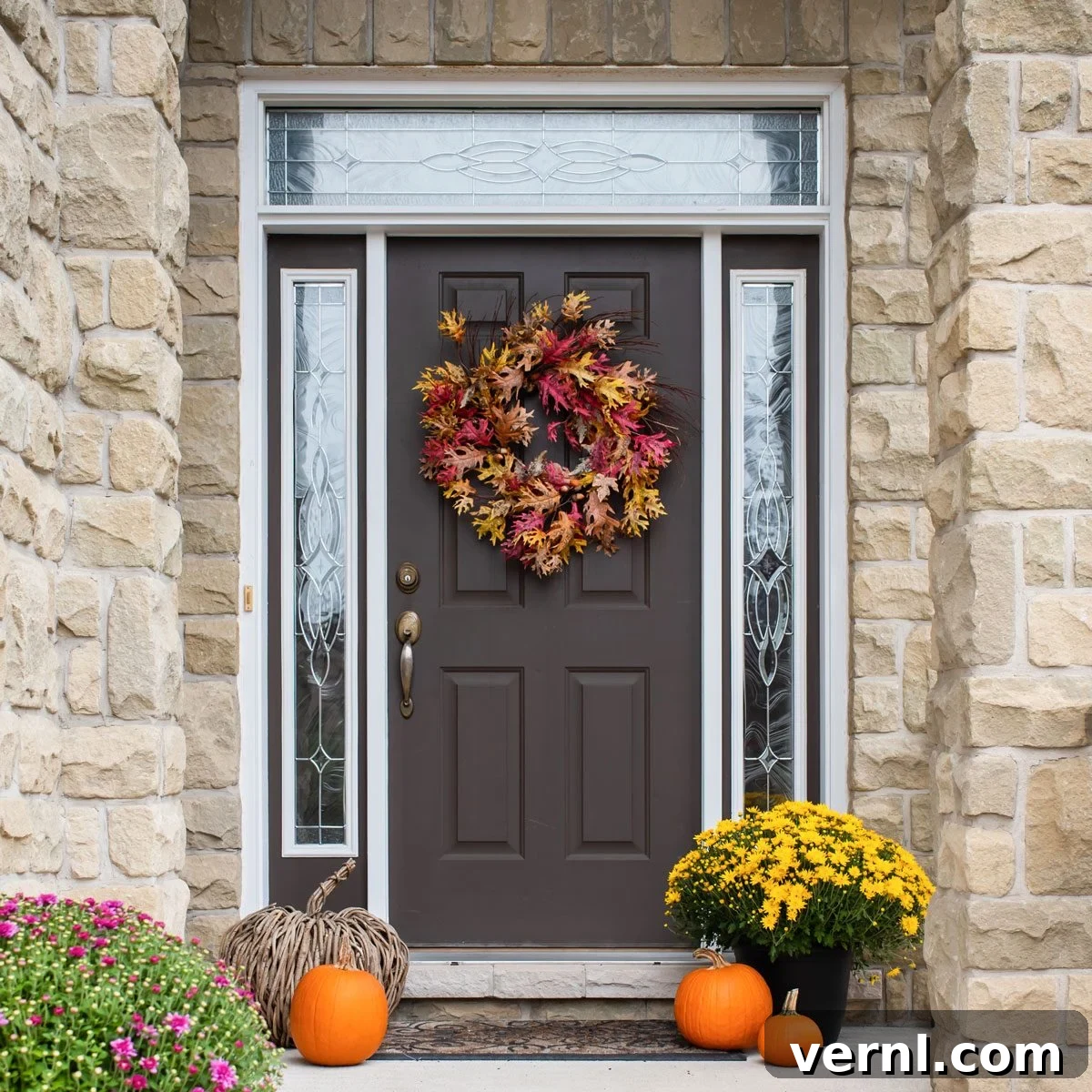
Deciding when to transition from summer to fall decor can be a delightful dilemma. While some prefer to start as soon as September arrives, others wait until the leaves begin to change or even closer to Halloween. There’s no single right answer; it often comes down to personal preference, local climate, and holiday traditions. However, aiming for early to mid-September allows you to enjoy your autumnal displays for an extended period. Focus on classic fall elements like pumpkins, gourds, cornstalks, and warm-toned floral arrangements that can carry you through Thanksgiving, then gradually transition to winter or holiday themes.
Discover the ideal timeframe for bringing autumn’s charm into your home and garden:
When to Decorate for Fall
How To Decorate a Pumpkin with Fall Leaves: Creative DIY Ideas

Beyond carving, pumpkins offer a fantastic canvas for creative fall decorating. Using nature’s own palette – fallen autumn leaves – allows for beautiful, rustic, and unique displays without the mess of carving. Collect a variety of colorful leaves, press them if desired, and then use craft glue or Mod Podge to affix them to your pumpkins. You can create intricate patterns, simple collages, or even cover the entire pumpkin for a stunning texture. This activity is perfect for all ages, adds a personalized touch to your fall decor, and celebrates the natural beauty of the season. Consider adding natural accents like berries, twigs, or twine for an extra touch.
Unleash your creativity with this eco-friendly and charming pumpkin decorating project:
How To Decorate a Pumpkin with Fall Leaves
Save Money and Get More Out of Your Fall Flower Planters

Fall planters don’t have to be expensive or short-lived. With smart plant choices and a bit of planning, you can create stunning displays that last well into the cooler months. Focus on hardier fall annuals like mums, pansies, ornamental cabbages, and kale, which thrive in cooler temperatures. Incorporate textural elements like ornamental grasses, small evergreen branches, or even dried cornstalks for added visual interest and longevity. Repurpose existing containers and consider dividing larger perennial plants from your garden to fill your planters, saving money on new purchases. Layering plants for height and contrasting colors will create dynamic and inviting arrangements.
Maximize the beauty and budget of your autumnal container gardens with these savvy tips:
Save Money and Get More Out of Your Fall Flower Planters
Prep Your Patio for Fall: A Guide to Cleaning Outdoor Cushions

As summer fades, preparing your patio for fall use and eventual winter storage is essential. A key step is thoroughly cleaning your outdoor cushions. Throughout the season, cushions accumulate dirt, pollen, mildew, and spills, which can lead to permanent stains and odors if not addressed before storage. Use a gentle soap solution, a soft brush, and plenty of water to clean them, ensuring they are completely dry before putting them away to prevent mold and mildew growth. This meticulous cleaning not only extends the life of your cushions but also ensures they’re fresh and ready for use if you continue to enjoy your patio during crisp fall days, or pristine for next spring.
Learn the best techniques for cleaning and maintaining your outdoor cushions for longevity:
Prep Your Patio for Fall: A Guide to Cleaning Outdoor Cushions
How To Build a Modern Gazebo to Enhance Your Outdoor Space

A gazebo can transform an ordinary backyard into an extraordinary outdoor living space, offering shade, shelter, and a beautiful focal point. Building a modern gazebo allows for contemporary design elements that blend seamlessly with minimalist or sleek landscape aesthetics. Beyond providing a stylish area for relaxation or entertaining, a gazebo extends the usability of your outdoor area into the cooler fall months, especially when equipped with heaters or weather-resistant curtains. This substantial DIY project requires careful planning, accurate measurements, and adherence to building codes, but the reward is a durable, attractive structure that significantly enhances your home’s value and outdoor enjoyment for years to come.
Embark on a rewarding project to create a stunning focal point in your yard:
How To Build a Modern Gazebo to Enhance Your Outdoor Space
6 Fall Porch Decor Ideas That Will Work in the Winter Too

Creating porch decor that effortlessly transitions from the warmth of fall to the chill of winter maximizes your decorative efforts and budget. The key is to select elements that embody both seasons. Think evergreens, pinecones, birch logs, and lanterns. Mums and pumpkins can be phased out and replaced with winterberries or small spruces. Using a neutral color palette with natural textures ensures versatility. A layered doormat, warm string lights, and cozy throws on outdoor seating can make your porch inviting throughout both seasons. By focusing on durable, natural elements, you can achieve a cohesive look that withstands the changing weather and remains charming from autumn’s first frost through winter’s embrace.
Discover versatile decorating strategies to keep your porch festive and inviting all season long:
6 Fall Porch Decor Ideas That Will Work in the Winter Too
The Fall and Beyond: Preparing Your Home for Winter’s Arrival
As autumn deepens, the focus inevitably shifts toward preparing your home for the colder, harsher conditions of winter. Proactive measures taken in the fall can prevent costly repairs, improve energy efficiency, and ensure your home remains a safe and comfortable sanctuary. This section covers critical winterizing tasks, from safeguarding your plumbing to maintaining outdoor equipment and understanding essential home protection plans, guaranteeing peace of mind as temperatures drop.
Prevent Frozen Pipes This Winter With This Fall Checklist

Frozen pipes are a major winter headache that can lead to extensive water damage and expensive repairs. Fortunately, most incidents are preventable with a thorough fall checklist. Key steps include insulating exposed pipes in unheated areas like basements, crawl spaces, and attics, disconnecting and draining outdoor hoses, and shutting off water to exterior spigots. For homes in colder climates, consider leaving cabinet doors open on cold nights to allow warm air to circulate around pipes under sinks. Ensuring proper sealing of cracks and gaps in exterior walls can also minimize drafts that contribute to pipe freezing. A little preparation goes a long way in protecting your home from this common winter disaster.
Equip yourself with the essential steps to safeguard your home’s plumbing this winter:
Prevent Frozen Pipes This Winter With This Fall Checklist
Simple Steps to Insulate Your Storm Door Before Winter

Your storm door plays a crucial role in your home’s energy efficiency, especially during winter. A properly insulated storm door acts as a thermal barrier, trapping a layer of air between itself and your main entry door, significantly reducing heat loss. Fall is the ideal time to inspect and improve its insulation. Check for gaps around the frame and under the sweep, replacing worn weatherstripping or applying new sealant where needed. Ensure the glass panels are tightly secured and free from cracks. These simple, inexpensive steps can make a noticeable difference in preventing drafts, lowering your heating bills, and increasing the overall comfort of your home throughout the chilly season.
Boost your home’s energy efficiency and comfort with these easy storm door winterizing tips:
Simple Steps to Insulate Your Storm Door Before Winter
Don’t Let Your Fire Pit Get Rusty: A Guide to Getting It Clean

A fire pit is a fantastic addition to any outdoor living space, offering warmth and ambiance well into the cooler fall evenings. However, exposure to the elements and residual ash can quickly lead to rust and deterioration if not properly maintained. Before storing your fire pit for winter, or if you plan to use it intermittently, a thorough cleaning is essential. Remove all ash and debris, scrub away any rust spots with a wire brush, and clean the surfaces with soap and water. Ensure it’s completely dry before applying a protective coating or covering it with a weatherproof cover. Regular maintenance extends its lifespan, keeps it looking good, and ensures it’s safe for use season after season.
Preserve your fire pit’s longevity and appearance with these effective cleaning and maintenance strategies:
Don’t Let Your Fire Pit Get Rusty: A Guide to Getting It Clean
Tips for Storing Your Garden Hose During the Winter

Improper winter storage is a leading cause of damage to garden hoses, leading to cracks, kinks, and bursts. As temperatures drop below freezing, any water left inside the hose can expand and cause significant damage. The most crucial step is to completely drain your garden hose before storing it. Coil it neatly to prevent kinks, and store it in a dry, protected area like a garage, shed, or basement. Avoid leaving it exposed to the elements, as prolonged exposure to freezing temperatures and UV rays can degrade the material. Following these simple storage tips will ensure your hose remains functional and ready for use when spring arrives, saving you the cost and hassle of replacing it annually.
Extend the life of your garden hose with these practical winter storage recommendations:
Tips for Storing Your Garden Hose During the Winter
The Essential Guide to Home Warranty Programs: Are They Really Worth It?

As homeowners, unexpected repairs can be a major financial burden, especially for older appliances or systems. Home warranty programs offer service contracts that cover the repair or replacement of major home systems and appliances that break down due to normal wear and tear. While they are not insurance, they can provide peace of mind and budget protection against unforeseen expenses. Understanding the nuances of these programs – what they cover, their limitations, deductibles, and annual costs – is vital to determining if they are a worthwhile investment for your specific home and circumstances. Comparing different providers and reading the fine print can help you decide if a home warranty aligns with your maintenance philosophy and financial planning.
Delve into the details of home warranty programs to see if they’re the right choice for your household:
The Essential Guide to Home Warranty Programs: Are They Really Worth It?