
Choosing the Perfect Wallpaper: A Comprehensive Guide to Backings and Fronts
Wallpaper has long been celebrated as a versatile and impactful element in interior design, transforming ordinary walls into captivating canvases. Far more than just a decorative covering, wallpaper serves as a profound medium for personal expression and aesthetic enhancement. As Carol Miller of York Wallcoverings eloquently puts it, “Psychologically we have a thing about putting our views, our thoughts, our feelings on the walls. From the time of cave paintings forward, we have used our walls to express ourselves.” This sentiment underscores wallpaper’s enduring appeal, transcending mere ornamentation to become a reflection of our inner world and design sensibilities.
The modern resurgence of wallpaper is driven by an incredible diversity of patterns, textures, and materials that cater to every imaginable style, from minimalist chic to maximalist grandeur. Yet, while striking visuals draw us in, it’s the fundamental composition of the wallpaper itself—its backing and front—that dictates its performance, durability, and ease of installation and maintenance. Understanding these critical components is key to making an informed decision that ensures your chosen wall art remains vibrant and intact for years to come, much like the ancient artistry it echoes.
The Anatomy of Wallpaper: Understanding Backing and Front
At its core, every roll of wallpaper is comprised of two distinct yet equally important layers that work in tandem to create the final aesthetic and functional outcome. These layers are the backing, also known as the substrate, and the front, or the front of the sheet. Each plays a pivotal role in how the wallpaper adheres to your wall, how it looks, and how well it withstands the test of time and daily life.
-
The Backing (Substrate): This foundational layer is responsible for how the wallpaper attaches to the wall. Its material composition directly influences the installation method, ease of application, and even how effortlessly the wallpaper can be removed in the future. The substrate’s properties dictate whether you apply paste to the wall, to the paper itself, or if it comes pre-adhered.
-
The Front (Front of Sheet): This is the visible surface of the wallpaper, the part that displays the pattern, color, and texture that initially captures your eye. Beyond its decorative function, the front material determines crucial characteristics such as its washability, colorfastness, resistance to wear and tear, and overall durability. It’s the protective and aesthetic layer that brings your design vision to life.
The beauty of modern wallpaper manufacturing lies in the vast array of combinations possible between different front materials and backing types. This diversity allows manufacturers to create specialized wallpapers optimized for specific environments, installation preferences, and desired aesthetic and functional outcomes. To help navigate this rich landscape and empower you to make an informed wallpaper choice, we’ve gathered insights from industry leaders: Carol Miller of York Wallcoverings, James Greenwood of Graham & Brown, and Robin Patrick of Roman Products. Their expertise sheds light on the pros and cons of various backing and front materials, ensuring your next wallpaper project is a resounding success.
For those living in temporary spaces, there are also numerous renter-friendly wallpaper options that allow for personalized decor without permanent commitment.
Understanding Wallpaper Backing Types for Seamless Installation
The backing of your wallpaper is the silent hero, dictating the entire installation experience. Choosing the right type can significantly impact the ease of application, the final finish, and even future removal. Here, we delve into the most common wallpaper backing types, detailing their characteristics, benefits, and drawbacks.
Non-Pasted: Non-Woven or Paste-the-Wall Backing
Non-woven wallpaper represents a significant advancement in wallpaper technology, making DIY installation more accessible than ever before. This innovative backing is crafted from a blend of natural and synthetic fibers, pressed together to create a material that resembles a fine, sturdy paper felt. Its key characteristic is dimensional stability: unlike traditional paper backings, non-woven material does not expand or contract when wet, which revolutionizes the application process.
With a non-woven backing, the paste is applied directly to the wall, much like painting a surface, before the wallpaper is hung. This method, often referred to as “paste-the-wall,” eliminates the need for messy pasting tables and the time-consuming process of “booking” (folding pasted paper to allow it to relax). This simplicity is a major draw for homeowners looking to tackle wallpaper projects themselves.
Pros:
-
Effortless DIY Installation: The paste-the-wall method is remarkably user-friendly. By applying paste directly to the wall, the process becomes significantly cleaner and faster than traditional techniques. You can even hang the wallpaper directly from the roll and trim it in place, minimizing pre-measuring and pre-cutting.
-
Easy Repositioning: Once applied to the pasted wall, non-woven wallpaper can be gently slid and adjusted, allowing for perfect pattern matching and alignment. This flexibility is invaluable for achieving a flawless finish, especially with intricate designs.
-
Clean Removal: Non-woven wallpapers are renowned for their “dry strippable” quality, meaning they can typically be peeled off the wall in full sheets without leaving behind a residue or damaging the underlying surface. This makes future redecoration much simpler and less time-consuming.
-
Durability and Breathability: The fibrous nature of non-woven material makes it resistant to tearing during installation and provides good breathability, which can help prevent mold and mildew growth in appropriate environments.
Cons:
-
Specific Paste Requirement: While installation is easier, it’s crucial to use the correct type of paste specifically formulated for non-woven wallpapers. Always consult the wallpaper label for precise recommendations. Using the wrong adhesive can compromise adhesion and make future removal more difficult, impacting the longevity and integrity of your installation. Robin Patrick of Roman Products emphasizes the importance of matching paste to paper for optimal results.
-
Still Messier than Peel-and-Stick: While cleaner than paste-the-paper, the paste-the-wall method still involves liquid adhesive, making it somewhat messier than peel-and-stick wallpaper, which requires no external adhesive.
Non-Pasted: Paste-the-Paper Backing
This is the most traditional method of wallpaper installation, deeply rooted in the history of wallcoverings. Paste-the-paper wallpaper typically features a standard paper backing that is designed to absorb adhesive. The key characteristic of this backing is that it will expand slightly when wet with paste. This expansion necessitates a specific application technique known as “booking,” where the pasted strips are folded onto themselves, paste-to-paste, and allowed to “relax” for a few minutes. This process ensures the paper fully expands before being hung, preventing bubbles, wrinkles, and unsightly seams once dry on the wall.
The application involves laying the wallpaper strip on a pasting table or clean floor, applying a generous and even layer of paste to the entire backing, and then folding it before carefully transporting it to the wall. This method requires a methodical approach, precise measurements, and a good understanding of the material’s behavior.
Pros:
-
A Traditional and Proven Method: For purists and those who appreciate time-honored techniques, paste-the-paper offers a classic wallpapering experience. Many professional installers are highly skilled in this method, often achieving impeccable results.
-
Wide Variety of Designs: Historically, a vast range of wallpaper designs and luxury finishes were exclusively available with paste-the-paper backing. While this is changing, many premium and artisanal papers still utilize this traditional substrate.
Cons:
-
Requires Correct Paste: Just like non-woven options, selecting the appropriate adhesive for paste-the-paper wallpaper is paramount. The wrong paste can lead to poor adhesion, difficulty in matching patterns, or damage during removal. Always verify the manufacturer’s recommendations.
-
Messier Application: Applying paste directly to the paper can be a considerably messier process compared to paste-the-wall or peel-and-stick. It often requires a dedicated pasting table, drop cloths, and more cleanup.
-
Best for Advanced DIYers or Professionals: Due to the need for precise booking times, careful handling of pasted paper, and skill in managing the paper’s expansion, this method is generally more challenging for beginners. It often yields the best results when undertaken by an experienced DIYer or a professional wallpaper hanger.
-
Time-Consuming: The booking process adds extra time to each strip’s preparation, making the overall installation slower than other methods.
Pre-Pasted Backing
Pre-pasted wallpaper offers a convenient bridge between traditional pasting and modern self-adhesive options. This type of wallpaper comes with a layer of dry, water-activated adhesive already applied to its backing during manufacturing. The installation process typically involves wetting the backing to activate the paste, then applying the paper to the wall. This eliminates the need to purchase and mix separate wallpaper paste, streamlining the preparation phase.
However, the method of wetting is crucial for optimal results. Carol Miller suggests that traditional soaking methods, where entire rolls or cut strips are submerged in water troughs, can sometimes lead to oversaturation, making the paper difficult to handle and resulting in a messy application. She recommends misting the backing with a spray bottle as a more controlled and cleaner alternative. Misting allows for even activation of the paste without excessively saturating the paper, making the application easier and less prone to mess and damage.
Pros:
-
No Separate Paste Required: The primary advantage is the built-in adhesive, which removes the guesswork of selecting the right paste and saves a step in the preparation process. This can be particularly appealing for first-time wallpaper installers.
-
Simplified Preparation: Without the need to mix or spread external paste, the setup for a pre-pasted wallpaper project can be quicker and require fewer tools.
-
Generally Less Mess: When applied correctly (especially with the misting method), pre-pasted wallpaper can result in a cleaner installation compared to traditional paste-the-paper methods.
Cons:
-
Can Still Be Messy: If not managed carefully, especially with traditional soaking, the activated paste can still be somewhat messy to handle. Over-wetting can lead to the paste dripping or making the paper overly slippery.
-
Requires Proper Activation: Ensuring consistent and adequate wetting of the backing is vital. Uneven activation can lead to patchy adhesion or areas where the paste doesn’t fully activate, resulting in bubbles or lifting.
-
Limited Repositioning: While some flexibility exists, pre-pasted wallpaper generally offers less repositioning time on the wall compared to non-woven paste-the-wall options. Once the paste begins to set, adjustments become more challenging.
Peel-and-Stick Backing
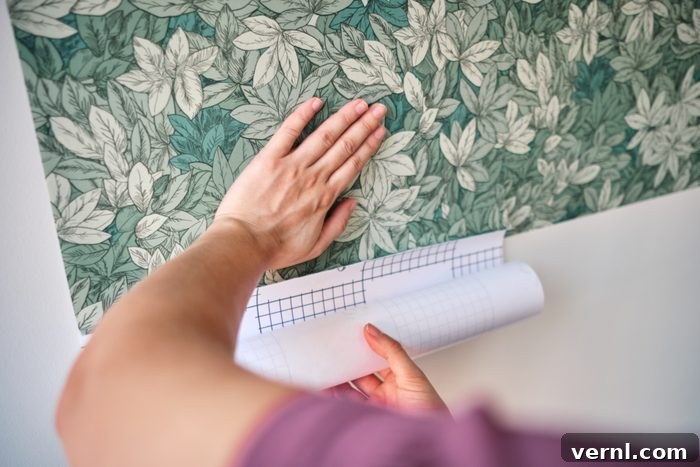
Peel-and-stick wallpaper, also known as self-adhesive or temporary wallpaper, represents the pinnacle of user-friendly installation. This type of wallpaper comes with an adhesive already applied to its back, protected by a removable liner. To install, you simply peel off the protective backing and press the wallpaper onto your wall. This method requires no water, no paste, and minimal tools, making it an incredibly popular choice for DIY enthusiasts, renters, and anyone seeking a quick and clean decor update. It’s often paired with a durable vinyl front for added resilience and washability.
The innovation in peel-and-stick technology has come a long way. Early versions sometimes suffered from issues like peeling off too quickly or sticking too aggressively, making removal difficult. However, modern manufacturers have largely addressed these concerns, producing reliable and high-quality peel-and-stick options that offer both excellent adhesion during use and clean removal when it’s time for a change.
Pros:
-
Absolutely No Messy Paste: This is arguably the biggest advantage. Without liquid adhesive, the installation process is exceptionally clean, eliminating drips, spills, and the need for extensive cleanup. This makes it ideal for sensitive environments or quick makeovers.
-
Minimal Tools Required: Application is straightforward, typically requiring only a few basic tools such as a utility knife for trimming, a smoothing tool or squeegee to remove air bubbles, and perhaps a putty knife for edges. This reduces the initial investment in wallpapering supplies.
-
Renter-Friendly and Temporary: Peel-and-stick is the go-to option for renters or those who like to frequently change their decor. Its non-damaging removal allows for personalizing spaces without fear of losing a security deposit or committing to a long-term design.
-
Fast Installation: The absence of drying times for paste and the simple peel-and-stick mechanism make it one of the fastest wallpaper options to install, perfect for weekend projects.
Cons:
-
Limited Repositioning: Unlike non-woven paste-the-wall papers that can be slid around on a wet paste layer, peel-and-stick wallpaper adheres instantly. If the pattern doesn’t line up perfectly or an air bubble forms, you must carefully lift it from the wall and reapply. This requires precision and patience.
-
Potential for Stretching: If the protective backing is peeled off too quickly or carelessly, the wallpaper material itself, especially thinner vinyl fronts, can slightly stretch. This can distort patterns and make alignment challenging, leading to visible seams or misaligned designs.
-
Surface Preparation is Critical: While it seems easy, peel-and-stick wallpaper demands a very clean, smooth, and properly primed wall surface for optimal adhesion and a seamless look. Any texture, dust, or uneven paint can show through or prevent proper sticking.
-
Adhesion Quality Varies: As mentioned, older peel-and-stick products sometimes had inconsistent adhesion. While modern manufacturers have vastly improved, it’s still advisable to choose reputable brands and read reviews to ensure reliable performance.
Exploring Wallpaper Front Materials: Aesthetics, Durability, and Functionality
Once you’ve considered the backing, the next crucial decision revolves around the front material of the wallpaper. This layer not only defines the visual appeal but also determines the wallpaper’s texture, durability, and suitability for different environments within your home. From robust vinyl to delicate natural fibers, each front material offers a unique blend of aesthetics and practical benefits.
Vinyl Front: The Workhorse of Wallpaper
Vinyl wallpaper stands out as one of the most practical and versatile options available, widely celebrated for its exceptional durability and low maintenance. It’s constructed with a vinyl layer applied over a paper or fabric backing, creating a resilient and long-lasting surface. James Greenwood of Graham & Brown notes that high-quality vinyl wallpaper can easily last for decades, outperforming many other wallcovering materials in longevity.
Beyond its robustness, vinyl also possesses valuable hygienic properties. Carol Miller points out its inherent antimicrobial characteristics, which make it an excellent choice for areas where cleanliness is paramount. “You’ll see vinyl wallpaper in hotels, restaurants and hospitality because it’s more durable than paint,” she explains, highlighting its widespread use in high-traffic commercial settings where surfaces are subject to frequent cleaning and wear. Miller further advises that vinyl wallpaper comes in various weights and thicknesses, recommending heavy-duty Type II products to fully capitalize on vinyl’s extensive benefits, especially for demanding applications.
While most vinyl wallpapers are generally washable, it’s prudent to check the scrubbable washability rating if intensive cleaning is a priority. There are distinct differences between standard washable vinyl and those specifically rated as “scrubbable,” which can withstand more rigorous cleaning agents and methods without damage.
Pros:
-
Heavy-Duty Durability: Vinyl is exceptionally resilient, resisting tears, scratches, and impact, making it ideal for busy households and commercial spaces. It withstands daily wear and tear better than almost any other wallpaper material.
-
Superior Washability and Cleanability: Its non-porous surface makes vinyl incredibly easy to clean. Spills, stains, and dirt can typically be wiped away with a damp cloth and mild soap, ensuring your walls look fresh for longer. Scrubbable versions offer even greater resistance to aggressive cleaning.
-
Excellent Colorfastness: Vinyl wallpaper is highly resistant to fading from sunlight, ensuring that its vibrant colors and intricate patterns remain true over time, even in brightly lit rooms.
-
Cost-Effective: Despite its impressive durability and longevity, vinyl is often one of the more affordably priced wallpaper materials, offering excellent value for money over its lifespan.
-
Versatile Design Options: Vinyl can be manufactured to mimic a vast array of textures and finishes, from wood grain and stone to fabric and abstract patterns, offering immense design flexibility.
Cons:
-
May Require Heavy-Duty Paste: For thicker or heavier vinyl wallpapers, particularly commercial-grade Type II, a stronger, heavy-duty adhesive may be necessary to ensure secure and lasting adhesion, which could add to installation complexity.
-
Less Breathable: Compared to natural fiber wallpapers, vinyl is less breathable due to its plastic composition. In very humid environments or rooms with poor ventilation, this could potentially trap moisture behind the paper, though modern formulations often mitigate this risk.
-
Environmental Concerns: Traditional vinyl (PVC) has raised some environmental concerns regarding its manufacturing and disposal, though more eco-friendly, low-VOC vinyl alternatives are becoming increasingly available.
Paper Front: Versatile Designs for Every Style
Paper wallpaper represents the classic and most fundamental form of wallcovering, offering an unparalleled range of aesthetic possibilities. As James Greenwood explains, “Various paper fronts and printing techniques can be used, like screen printing or digital printing.” This flexibility in manufacturing allows paper wallpaper to showcase an incredible diversity of styles, from vibrant graphic prints and intricate traditional motifs to subtle textures and sophisticated metallic sheens. You can find paper options that range from simple, matte finishes to highly reflective, glossy surfaces, and even subtly textured designs that add tactile interest to your walls.
While paper is a natural material, advancements in protective coatings and printing technologies mean that many modern paper wallpapers are more durable and washable than their historical counterparts. They are often chosen for their authentic feel, rich color depth, and the ability to achieve fine details in patterns that might be more challenging with other materials.
Pros:
-
Extensive Variety of Looks and Styles: Paper wallpaper offers the widest range of designs, colors, and patterns, making it easy to find an option that perfectly matches any interior design vision. From hand-printed artistry to mass-produced trendy designs, paper can accommodate all aesthetics.
-
Generally Washable: Many modern paper wallpapers come with a protective coating that makes them wipeable or generally washable, allowing for light cleaning to maintain their appearance. However, their washability is typically less robust than that of vinyl.
-
Breathability: Being a natural material, paper wallpaper generally offers better breathability than synthetic options, which can be beneficial in certain environments.
-
Eco-Friendlier Options: Many paper wallpapers are produced using sustainable forestry practices and can be easier to recycle or dispose of compared to plastic-based alternatives, especially if they are uncoated.
Cons:
-
Not as Washable or Heavy-Duty as Vinyl: While many paper wallpapers are washable, they are not as resistant to heavy scrubbing or moisture as vinyl. They are more prone to damage from excessive water, tears, or scuffs, making them less suitable for high-humidity areas like bathrooms or high-traffic zones.
-
Installation Can Be Delicate: Depending on the paper’s weight and finish, installation can sometimes be delicate, especially for traditional paste-the-paper types where the paper expands when wet, requiring careful handling to avoid tears or stretching.
-
Susceptible to Staining: Without a robust protective layer, paper wallpaper can absorb stains more readily than vinyl, making some spills harder to remove completely.
Grasscloth Front: Organic Elegance and Texture
Grasscloth wallpaper is a distinctive and highly sought-after natural material that brings unparalleled texture and organic warmth to any space. It is crafted from various natural fibers, such as sisal, jute, hemp, or reeds, which are meticulously woven together and then typically adhered to a paper backing. The beauty of authentic grasscloth lies in its inherent variations; no two rolls are exactly alike, featuring subtle differences in fiber thickness, color tone, and weave patterns that create a genuinely bespoke look. It’s important to note that “grasscloth” can also refer to patterns printed on other materials that mimic its natural look, so always double-check the material composition if you’re seeking genuine, tactile grasscloth.
This high-end wallpaper is renowned for its ability to add depth, dimension, and a sophisticated, earthy elegance to interiors. Its natural texture diffuses light beautifully, creating a soft, inviting ambiance, and it can also provide some acoustic dampening benefits.
Pros:
-
Popular, High-End Product: Grasscloth is a luxurious choice that instantly elevates a room’s aesthetic, often featured in designer homes and upscale projects for its unique, sophisticated appeal.
-
Made of Natural Materials: For those seeking eco-friendly and sustainable decor options, grasscloth offers a connection to nature with its organic composition. It also contributes to a healthier indoor environment due to its breathability.
-
Unique Texture and Visual Depth: The woven fibers create a rich, tactile surface that adds significant interest and warmth to walls, providing a depth that printed patterns alone cannot achieve. It makes a strong design statement.
Cons:
-
Challenging to Work With: Due to its natural fibers and delicate nature, grasscloth is notoriously difficult to install flawlessly. It can fray easily, and seams are often more visible than with other wallpapers, requiring precise cuts and careful handling. Hiring a professional installer is highly recommended to ensure a pristine finish.
-
Not Colorfast: Natural fibers are susceptible to fading when exposed to direct sunlight over time. This lack of colorfastness means grasscloth is best suited for rooms with indirect light or where fading can be managed.
-
Not Scrubbable or Washable: Grasscloth cannot withstand water or scrubbing. Moisture can damage the natural fibers, causing discoloration, shrinking, or lifting. Cleaning typically involves light dusting or gentle vacuuming, making it unsuitable for kitchens, bathrooms, or high-traffic areas prone to spills.
-
Expensive: As a premium, labor-intensive product, grasscloth wallpaper is significantly more expensive per roll than most other wallpaper types, both in material cost and often in professional installation fees.
-
Susceptible to Damage: Its delicate nature makes it prone to damage from sharp objects, pets, or aggressive cleaning attempts. Repairing damaged grasscloth can be challenging.
Paintable Front: Customization and Damage Control
Paintable wallpaper features a raised design or texture, providing a unique solution for both aesthetic enhancement and practical wall repair. Unlike traditional wallpaper, its primary purpose isn’t the pattern it displays upon purchase, but rather the texture it imparts, which is then brought to life with a coat of paint. This makes it an incredibly versatile option for homeowners who desire a customized color palette while still benefiting from the visual interest and dimension that texture provides.
One of its most significant advantages is its ability to cover minor imperfections or damaged walls, such as hairline cracks, uneven surfaces, or old plaster, offering a smooth and refreshed appearance without extensive wall preparation. The beauty of paintable wallpaper lies in its adaptability: you can customize the color to perfectly match your decor, and if your style evolves or you simply want a refresh, you can easily paint over it with a new color, giving your room an instant facelift. While painting over wallpaper can sometimes make removal harder, modern paintable wallpapers are designed with this in mind. James Greenwood confirms that advancements in materials allow the seams to reappear with steam, making removal manageable when the time comes, despite layers of paint.
Pros:
-
Hides Wall Imperfections: Effectively conceals minor cracks, uneven plaster, or other blemishes on walls, providing a smooth and uniform surface without the need for extensive plastering or sanding.
-
Easily Adds Texture to Walls: Creates architectural interest and depth, mimicking the look of plasterwork, beadboard, or other decorative finishes at a fraction of the cost and effort of traditional methods.
-
Highly Customizable: Offers complete freedom to choose any paint color, allowing for perfect coordination with existing decor and the flexibility to easily change the room’s palette in the future.
-
Second Most Durable After Vinyl: Once painted, many paintable wallpapers, especially those made from heavier paper or non-woven materials, become very durable, offering good resistance to wear and tear. The paint layer adds an extra protective barrier.
-
Easy to Refresh: When you’re ready for a change, simply paint over it with a new color, offering a quick and economical way to update your space without stripping and re-wallpapering.
Cons:
-
Pattern Can Be Obscured by Paint: Over time, multiple layers of paint can start to fill in the textured details, potentially softening or hiding the original raised pattern. To maintain the design’s prominence, Carol Miller suggests using techniques like dry brushing or other faux painting methods to make the pattern stand out.
-
Additional Cost and Labor for Painting: While often inexpensive per roll, comparable to vinyl, you must factor in the additional cost of paint and the time/effort required to paint the wallpaper after installation. This can make the overall project cost similar to or even higher than some pre-finished wallpapers.
-
Requires Skillful Painting: Achieving an even, professional-looking paint finish on a textured surface requires careful technique to ensure all crevices are covered without paint pooling.
Fabric, Beaded, or Flocked Fronts: Luxurious Textures
For those seeking to infuse their homes with unparalleled luxury, warmth, and opulence, wallpapers with fabric, beaded, or flocked fronts offer truly exquisite options. These are high-end decorative products designed to add a plush, tactile dimension and a sense of refined elegance to interior spaces. James Greenwood describes them as materials that “tend to add plush accents to a home,” transforming walls into sumptuous backdrops that evoke a feeling of grandeur and comfort.
- Fabric Wallpaper: These feature real textiles—such as silk, linen, velvet, or grasscloth weaves—adhered to a backing. They offer a soft, rich texture and a natural, sophisticated drape, bringing warmth and a bespoke feel to walls.
- Beaded Wallpaper: Embellished with tiny glass beads, this type catches and reflects light in a stunning, shimmering way. It creates a glittering, jewel-like effect that can be breathtakingly beautiful, especially in areas where light can play off its surface.
- Flocked Wallpaper: This classic luxury wallpaper features a raised, velvety pattern created by applying tiny textile fibers (flock) onto a surface. The flocked areas provide a soft, tactile contrast against the smoother background, reminiscent of historical damask or velvet textiles, adding depth and a distinctly opulent feel.
Pros:
-
Special, Luxurious Look: These materials provide an unmatched level of sophistication, texture, and visual drama that elevates a room’s aesthetic. They are often chosen for formal living rooms, dining rooms, master bedrooms, or accent walls where a grand statement is desired.
-
Enhanced Tactile Experience: Beyond visual appeal, the textural qualities of fabric, beads, and flock invite touch, adding a sensory dimension to your interior design.
-
Unique Light Play: Beaded wallpapers, in particular, interact with light beautifully, creating sparkling effects that change with the angle of view, adding dynamic interest.
Cons:
-
Require Professional Installation: Due to their delicate nature, intricate patterns, and high cost, these wallpapers demand extreme care and precision during application. Professional installation is almost always recommended to ensure a flawless finish and to avoid costly mistakes.
-
Delicate and Difficult to Clean: These materials are generally not washable and must be cleaned very carefully, typically with light dusting or gentle vacuuming. Spills or stains can be challenging, if not impossible, to remove without damaging the material. They are best suited for low-traffic areas.
-
Expensive: As highly specialized and often handcrafted products, fabric, beaded, and flocked wallpapers are typically the most expensive wallpaper materials available, reflecting their intricate manufacturing processes and luxurious components.
-
Less Durable: Compared to vinyl or even many paper wallpapers, these delicate fronts are more susceptible to physical damage, such as snags, tears, or crushing of the texture, requiring careful handling and placement.
Foil or Metal Front: Dazzling Accents
Foil and metal wallpapers are unique choices designed to bring a striking, highly reflective aesthetic to interior spaces. These wallpapers typically feature a thin layer of actual metallic foil (such as aluminum) laminated onto a paper or non-woven backing. The metallic surface can be smooth and mirror-like, brushed, or embossed with patterns, creating captivating light reflections and a distinctly contemporary or glamorous vibe. They are less common than other types but offer an unparalleled visual impact for those seeking a bold statement.
However, their delicate nature is a significant consideration. Foil wallpapers tend to be very thin, making them susceptible to damage and showing any imperfections on the underlying wall. If the idea of a full metal front seems too fragile, many wallpapers achieve a similar shiny look through the use of metallic inks printed on more robust materials, offering a compromise between aesthetics and durability without the extreme fragility of actual foil.
Pros:
-
Distinct and Dramatic Look: Foil and metal wallpapers create an incredibly unique and luxurious aesthetic, reflecting light to make rooms appear brighter and more spacious. They add a sophisticated sparkle and modern edge that is difficult to replicate with other materials.
-
Enhances Light: Their reflective surface can brighten a room, especially those with limited natural light, by bouncing available illumination around the space.
Cons:
-
Tend to Be Fragile: The thin metallic layer is prone to creasing, scratching, and tearing during installation and use. Even minor imperfections on the wall beneath can show through the reflective surface, requiring exceptionally smooth wall preparation.
-
Difficult to Install: Due to their fragility and the way they highlight wall imperfections, foil and metal wallpapers are among the most challenging to install. Precision is paramount to avoid creases or visible seams, often necessitating professional installation.
-
Expensive: These specialized wallpapers are typically high-cost items, reflecting the materials and complex manufacturing processes involved.
-
Shows Wall Imperfections: Any bumps, dents, or unevenness on the wall beneath will be amplified by the reflective surface, making meticulous wall preparation essential.
Cork Front: Sustainable Style and Natural Appeal
Cork wallpaper is an increasingly popular choice for homeowners looking to incorporate natural, sustainable, and tactile elements into their interior design. Made from thin veneers of natural cork, which is harvested from the bark of cork oak trees without harming the tree, this wallpaper is laminated onto a paper or non-woven backing. Cork is not only a naturally renewable resource but also boasts unique aesthetic and practical properties. As Carol Miller notes, “It’s natural, it’s beautiful. It has interest because of all these natural holes in the cork itself.” These natural variations, including subtle textures and inherent perforations, ensure that each installation of cork wallpaper is distinct and character-rich.
Beyond its unique visual appeal, cork can be dyed into a wide array of colors, from its natural earthy tones to vibrant hues, offering greater design flexibility than one might initially expect from a natural material. It introduces warmth, organic texture, and a touch of the outdoors into interior spaces, often contributing to a calm and grounded ambiance.
Pros:
-
Natural, Sustainable Product: Cork is harvested from the bark of cork oak trees in a way that allows the tree to regenerate, making it an excellent choice for eco-conscious consumers. It’s biodegradable and contributes to a healthier indoor environment.
-
Unique Texture and Character: The natural grain and inherent imperfections of cork create a distinctive, organic texture that adds depth, warmth, and visual interest to walls. No two rolls are identical, ensuring a unique finish.
-
Acoustic Benefits: Cork naturally possesses sound-absorbing properties, which can help to dampen noise and improve the acoustics of a room, making it ideal for bedrooms, studies, or home theaters.
-
Insulating Properties: Its cellular structure provides some thermal insulation, potentially contributing to energy efficiency by keeping rooms warmer in winter and cooler in summer.
Cons:
-
Expensive: Due to its natural origin, specialized harvesting, and manufacturing process, cork wallpaper is generally one of the more expensive options on the market.
-
Can Be Hard to Work With: The inherent stiffness and delicate nature of cork veneers can make installation challenging. It requires careful handling, precise cutting with a very sharp blade, and often specific adhesives. It is highly recommended to consider hiring a professional installer experienced with natural materials to ensure the best outcome.
-
Not Highly Washable or Durable: While some cork wallpapers may have a light protective coating, they are generally not suitable for scrubbing or heavy cleaning. They can be prone to scratching or denting if subjected to heavy impact, making them less ideal for very high-traffic areas or environments prone to spills.
-
Susceptible to Fading: Like many natural materials, cork can be susceptible to fading or discoloration if exposed to prolonged direct sunlight.
Essential Pro Tips for Wallpaper Success
Choosing and installing wallpaper can be a rewarding home improvement project, but success often hinges on careful planning and attention to detail. Beyond understanding the different types of backings and fronts, here are some crucial professional tips to guide you through your wallpaper journey, ensuring a beautiful and lasting result.
-
Consider Your Project and Room Context: Before making a selection, always think about where the wallpaper will be installed and its intended function. If you’re wallpapering a high-traffic area like a bustling hallway or a child’s playroom where it might be bumped, scratched, or dirtied, opt for a heartier, more durable, and highly washable wallpaper like Type II vinyl. As James Greenwood advises, if it’s going behind a headboard in a bedroom, where it’s less likely to experience wear, you can afford to choose a more delicate or luxurious material, such as a fabric or grasscloth.
-
Always Read the Manufacturer’s Directions — Before You Buy and Before You Begin: This cannot be overstated. Every wallpaper is unique, and manufacturers rigorously test their products to provide specific instructions for optimal installation, longevity, and even ease of removal. “We test and test, and then we test again,” Carol Miller emphasizes, “We’ve done the legwork for you.” Reading these instructions before purchasing helps you understand the requirements (e.g., specific paste, special tools) and ensures the wallpaper is suitable for your DIY skill level. Re-reading them just before installation will refresh your memory and prevent common mistakes that can lead to bubbles, peeling, or difficulty in future wallpaper removal.
-
DIY vs. Professional Installation: Deciding whether to hang wallpaper yourself or hire a professional is a critical choice. Robin Patrick suggests considering several factors: the complexity of the pattern (large repeats or intricate designs are harder to align), the sturdiness of the paper (delicate materials are less forgiving), and the cost of the wallpaper itself. If you’re investing in expensive, high-end wallpaper or if you lack confidence in your DIY skills, hiring a professional can save you time, frustration, and potential costly mistakes, ensuring a flawless and lasting finish. Professionals have the tools, experience, and techniques to handle challenging situations.
-
Thorough Wall Preparation is Key: Regardless of the wallpaper type, proper wall preparation is fundamental for a successful outcome. Walls should be clean, dry, smooth, and primed. Any existing cracks, holes, or textures should be filled and sanded. Priming creates a uniform surface that aids adhesion and makes future removal easier, especially for non-pasted wallpapers. Skipping this step is a common cause of bubbles, visible seams, and poor adhesion.
-
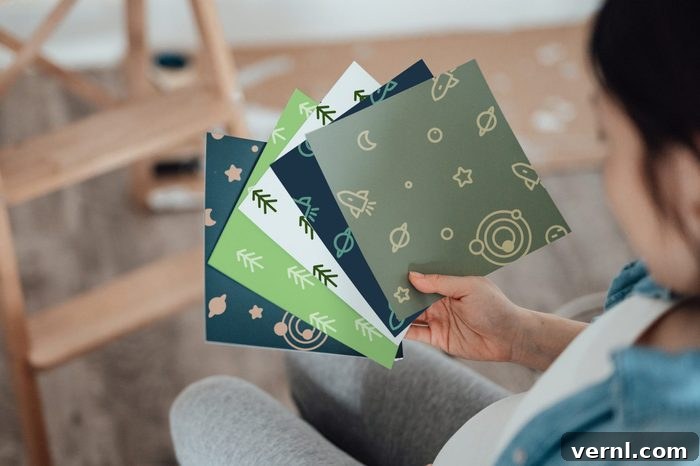
Order Samples and Test: Before committing to an entire room, always order samples of your chosen wallpaper. Test them on your wall in different lighting conditions throughout the day to see how the color and texture appear. For peel-and-stick, test a small strip in an inconspicuous area to ensure it adheres well and removes cleanly without damaging the paint.
-
Proper Tools Make a Difference: While some wallpapers require minimal tools, having the right equipment for your chosen method will significantly ease the process. Essential tools often include a plumb bob or laser level for straight lines, a sharp utility knife with plenty of fresh blades, a smoothing brush or squeegee, a seam roller, a tape measure, and a bucket for paste (if applicable).
-
Buy Enough Rolls (with extra): Always measure your walls accurately and purchase enough rolls in a single batch to complete your project, plus at least one extra roll. Dye lots can vary slightly between batches, so buying from the same lot ensures color consistency. The extra roll accounts for pattern repeats, trimming mistakes, and potential future repairs.
Making Your Informed Wallpaper Choice
Choosing the perfect wallpaper for your home is an exciting journey that blends personal style with practical considerations. By understanding the distinct characteristics of different wallpaper backings—whether it’s the DIY-friendly non-woven, the traditional paste-the-paper, the convenient pre-pasted, or the temporary peel-and-stick—you can select an installation method that best suits your comfort level and project needs. Similarly, exploring the vast array of front materials, from the robust and washable vinyl to the delicate and luxurious natural fabrics, empowers you to balance aesthetic desires with the demands of durability, maintenance, and specific room environments.
Armed with expert insights and these comprehensive details, you are now equipped to make a truly informed decision. Remember to consider the practical aspects of each material, the demands of your space, and always consult manufacturer instructions for a seamless and satisfying wallpaper transformation. Embrace the opportunity to express your unique style and create walls that truly tell your story.