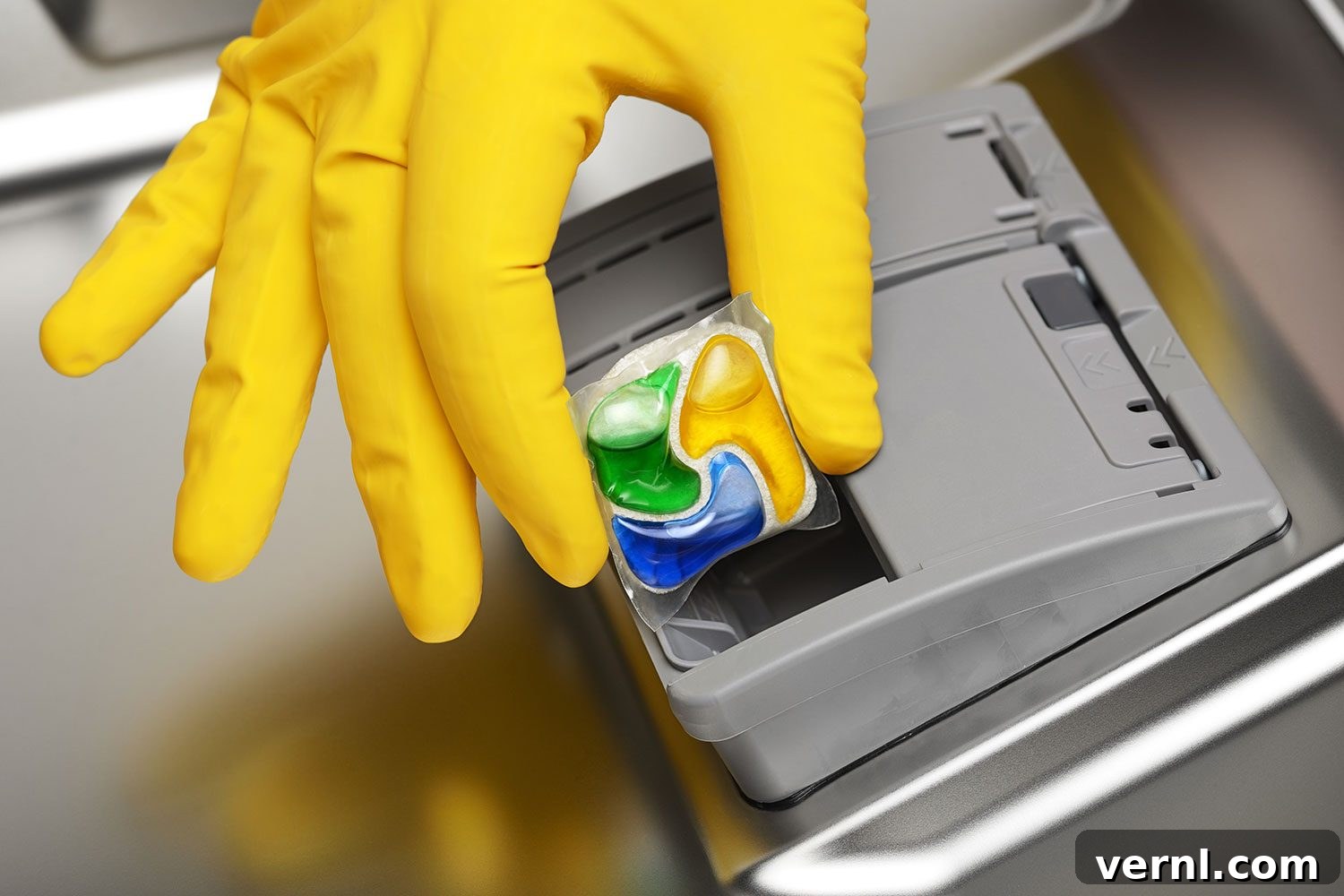
Understanding Polyvinyl Alcohol (PVA): The Hidden Plastic in Your Laundry and Dishwasher Pods
In homes across the globe, convenience often comes at an unseen environmental cost. Annually, an estimated 20 billion dishwasher and laundry pods, along with countless sheets, are consumed. While these single-use products offer undeniable ease, a critical component in their design raises serious environmental concerns: polyvinyl alcohol (PVA). This synthetic polymer, often marketed for its “dissolvable” properties, is the very material that encases or forms these cleaning essentials. Despite appearances, a recent study has revealed a troubling truth: a significant 75% of this PVA material ultimately bypasses wastewater treatment and infiltrates our natural waterways.
“The vast majority of consumers remain unaware that the seemingly vanishing wrapper around their single-dose laundry and dishwasher detergents is, in fact, a form of plastic,” explains Sarah Paiji Yoo, co-founder and CEO of Blueland, a company focused on sustainable cleaning solutions. “Much like other pervasive forms of plastic pollution, PVA possesses the undeniable potential to inflict considerable harm upon our delicate ecosystems, affecting everything from marine life to terrestrial plants and animals.” This revelation is particularly impactful as nearly all major brands, encompassing both conventional and ‘natural’ product lines, incorporate PVA into their laundry and dishwasher pods and sheets. To fully grasp the implications, it’s essential to understand polyvinyl alcohol and its far-reaching environmental footprint.
What Exactly Is Polyvinyl Alcohol (PVA)?
Polyvinyl alcohol, commonly abbreviated as PVA, PVOH, or identified as E1203 in some contexts, is a sophisticated synthetic plastic polymer. Its most familiar application within our homes is its role as the thin, seemingly innocuous wrapping that encloses individual dishwasher and laundry detergent pods. Beyond these casings, PVA is also intricately woven into disposable laundry sheets, providing structural integrity and ensuring the product remains intact until dissolved in water. The appeal of PVA lies in its unique properties: it’s a water-soluble synthetic polymer engineered to dissolve, disperse, or swell when exposed to water.
“While not scientifically precise, the term ‘liquid plastics’ effectively summarizes PVA’s characteristic behavior of dissolving or dispersing in water,” notes Stefano Magni, Ph.D., a distinguished researcher in ecology at the Department of Biosciences of the University of Milan. For a long time, this apparent dissolvability contributed to PVA being widely promoted and perceived as an eco-friendly material. However, its environmental safety and true biodegradability have recently come under intense scrutiny, sparking significant debate among scientists, environmental groups, and consumers alike.
The growing concern culminated in 2022 when a coalition of 16 prominent nonprofit organizations, alongside Blueland, formally submitted a petition to the Environmental Protection Agency (EPA). Their urgent appeal called for comprehensive study and stringent regulation of PVA within consumer packaged goods. Furthermore, they advocated for its removal from the EPA’s Safer Choice and Safer Chemical Ingredients lists, arguing that its persistent nature contradicted the spirit of these designations. Despite these compelling arguments, the EPA formally rejected the petition in April 2023, signaling ongoing challenges in addressing this emerging pollutant.
Is Polyvinyl Alcohol a Microplastic? A Nuanced Perspective
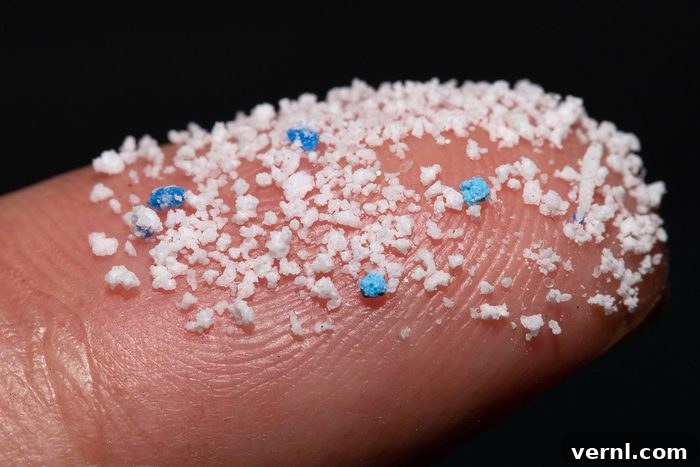
The classification of PVA in relation to microplastics is complex and often misunderstood. According to Dr. Magni, PVA is not technically a microplastic in the strictest sense of the definition. Traditional microplastics are defined as solid, non-water-soluble particles typically less than five millimeters in size. PVA, by contrast, is a water-soluble polymer, meaning it is designed to disperse and dissolve in water, not remain as distinct solid particles.
“This key distinction often makes the contamination caused by ‘liquid plastic’ like PVA less immediately visible and, consequently, less of a perceived problem for the general public compared to conventional plastic pollution,” explains Magni. He adds, “In this specific context, PVA’s ‘liquid’ state once dissolved allows it to circumvent the current regulatory restrictions that are designed to limit solid microplastics.” This regulatory loophole is a significant point of concern, as it means PVA can enter the environment unchecked by existing legislation aimed at curbing plastic pollution.
However, the similarities between PVA and microplastics are undeniable in their environmental impact. PVA is derived from fossil fuels, a non-renewable resource, and is a thermoplastic polymer. More critically, mounting evidence confirms that despite its water solubility, PVA does indeed persist in the environment. Its resistance to full biodegradation in typical wastewater treatment conditions means that it ultimately fragments and remains in various environmental compartments, behaving in ways analogous to conventional microplastics. This persistence, combined with its fossil fuel origin, leads many environmental experts to categorize its environmental consequences alongside those of other microplastic pollutants, demanding similar scrutiny and regulation.
Beyond Pods: The Diverse Applications of Polyvinyl Alcohol
While laundry and dishwasher pods are the most common household encounters with PVA, its unique properties—including film-forming capabilities, adhesive strength, and water solubility—make it a versatile polymer used across a vast array of industries. Beyond its role in consumer cleaning products and dissolvable laundry sheets, PVA is also ingeniously incorporated into fishing bait, allowing the bait to gradually release its contents in water. Its industrial applications are even more extensive and critical:
- Fibers for Construction Supplies: PVA fibers are added to concrete and mortar to improve strength and prevent cracking.
- Paper Making: It’s used as a sizing agent to improve paper’s strength, printability, and resistance to grease.
- Industrial Sealants, Adhesives, and Sprays: PVA’s strong adhesive properties make it ideal for various bonding and coating applications.
- Cosmetics: Found in face masks, peels, and hair styling products for its film-forming and binding capabilities.
- Packaging Materials: Utilized in specialized packaging where water solubility or biodegradability is desired, such as for agricultural chemicals or pre-portioned food items.
- Food Additives: Approved as a food additive (E1203) for certain uses, such as in coatings for tablets or as a carrier for flavors.
- Textiles and Clothing: Used as a warp sizing agent to strengthen yarns during weaving and in various fabric finishes.
- Latex Coatings: Enhances the properties of latex paints and coatings, improving durability and adhesion.
- Pharmaceuticals: Serves as a binder, film-former, and coating agent in tablet formulations and drug delivery systems.
- Biomedical Products: Its biocompatibility makes it suitable for medical applications, including as a lubricant in contact lenses and in various hydrogel-based medical devices.
This wide range of applications underscores the pervasive nature of PVA in our daily lives and industrial processes, further highlighting the importance of understanding its environmental fate.
The Environmental Impact of Polyvinyl Alcohol: A Growing Concern
The question of whether polyvinyl alcohol is detrimental to the environment is increasingly being answered with a resounding “probably.” The primary challenge in definitively assessing PVA’s impact stems from a significant lack of comprehensive, independent research. “While PVA has historically been regarded as safe, there is an urgent and critical need for more in-depth information regarding its potential eco-toxicity, particularly concerning aquatic organisms,” emphasizes Dr. Magni. He further warns, “Moreover, serious concerns persist about the true biodegradation capabilities of PVA once it enters aquatic environments.”
One of the most insidious problems with PVA is its deceptive nature: it only appears to fully dissolve. “Consider the simple act of mixing salt into water,” illustrates Erica Cirino, an acclaimed author and communications manager at the Plastic Pollution Coalition. “Just because the tiny grains of salt are no longer visible to the naked eye after they dissolve, it doesn’t mean the salt has ceased to exist or disappeared from the water.” Similarly, when PVA “dissolves,” it disperses into smaller polymeric chains or nanoparticles within the water, rather than breaking down into its fundamental, harmless constituent elements through complete biodegradation.
This incomplete breakdown leads to a cascade of potential environmental problems and risks:
- Inefficient Wastewater Treatment: A critical flaw in our current infrastructure is that most conventional wastewater treatment plants are simply not equipped to effectively break down or capture dissolved PVA. These plants are primarily designed to remove solid waste and certain chemical pollutants, not to handle complex synthetic polymers that disperse in water. Consequently, a substantial portion of PVA bypasses treatment and ends up directly discharged into oceans, rivers, canals, and ultimately infiltrates soil ecosystems.
- Ecological Contamination and Bioaccumulation: Once PVA enters the natural environment, it becomes a persistent contaminant. Experts are particularly alarmed by its potential to enter and subsequently ascend the food chain. PVA’s polymer structure can act as a sponge, potentially absorbing and concentrating dangerous chemicals, persistent organic pollutants (POPs), antibiotics, and heavy metals present in the environment. This process, known as bioaccumulation, could lead to biomagnification as these contaminated particles move up the trophic levels, posing severe health risks to marine life, wildlife, and ultimately humans who consume affected organisms.
- Human Health Concerns: The lack of unbiased, comprehensive research into PVA’s health effects on humans is a major red flag. Alarmingly, recent studies have even detected PVA in human breast milk, underscoring its pervasive presence in our bodies. “Historically, health-related research on PVA/PVOH has almost exclusively been conducted on nonhuman animals like rodents and dogs, predominantly funded and conducted by PVA/PVOH producers,” notes Cirino. She adds, “The limited independent research that has focused on humans indicates concerning links to inflammation and irritation, particularly when exposure to PVA/PVOH occurs over prolonged periods, suggesting potential chronic health impacts that require urgent investigation.”
- Environmental Justice Disparities: The production cycle of most plastics, including PVA, disproportionately impacts vulnerable communities. Manufacturing facilities for PVAs are frequently located in underserved low-income, rural, and BIPOC communities. These “fenceline communities” bear the brunt of local air and water pollution, exacerbating existing health disparities and fueling profound environmental injustices.
- Climate Change Contributions: The entire lifecycle of PVA, like all plastics, begins with fossil fuels. The extraction, refining, and manufacturing processes release substantial quantities of greenhouse gases, contributing to climate change. Furthermore, these industrial activities often release a cocktail of toxic chemicals known to cause a wide array of human health problems, from respiratory issues to developmental disorders.
Despite these mounting concerns and the petition filed by environmental groups, the EPA declined to take direct action on PVA. This decision highlights the ongoing challenge of regulating emerging pollutants and the powerful influence of industry. However, advocates remain undeterred, exploring alternative avenues such as creating a public signature petition to galvanize public support and demand increased, independent research into PVA’s ecological and health impacts.
Sustainable Alternatives to PVA Pods and Sheets
For those motivated to reduce their environmental footprint and specifically avoid PVA, a growing number of effective and eco-friendly alternatives are available. As suggested by Erica Cirino, making simple swaps can significantly diminish your exposure to this hidden plastic. Embracing these alternatives not only protects waterways but also supports a more sustainable lifestyle.
DIY Laundry Soap: Simple, Natural, and Effective
Creating your own laundry soap is a surprisingly straightforward and cost-effective method to eliminate PVA from your laundry routine. This DIY approach allows you to control the ingredients and reduce plastic waste associated with commercial products.
To make your own, combine 14 ounces of washing soda (sodium carbonate) with an equal 14 ounces of borax (sodium tetraborate) or baking soda (sodium bicarbonate). Then, incorporate 4.5 ounces of natural Castile soap flakes. For an even more sustainable approach, prioritize purchasing these ingredients in bulk, paper packaging, or refillable containers. Store your finished mixture in a sealed glass jar or a metal tin to maintain freshness and keep moisture out. For standard laundry loads, use one tablespoon of this homemade laundry soap per small load, and two to three tablespoons for larger, heavily soiled loads. This natural blend is effective, gentle on fabrics, and entirely free of synthetic polymers.
DIY Dishwasher Soap: Sparkle Without the Plastic
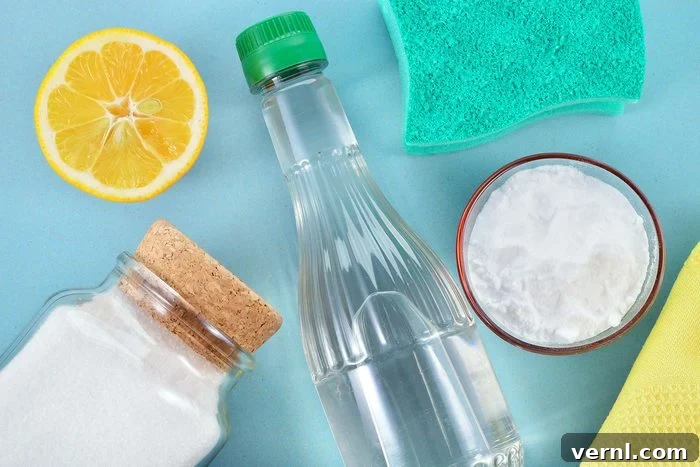
Just like with laundry, you can craft your own powerful and eco-friendly dishwasher detergent, ensuring your dishes come out sparkling without introducing PVA into your wastewater. This DIY recipe is simple to prepare and offers excellent cleaning performance.
Start by combining one cup of washing soda, one cup of baking soda, one cup of food-grade citric acid powder, and one cup of kosher salt. Mix these ingredients thoroughly until well combined. Store this mixture in an airtight, plastic-free container to prevent clumping and maintain its potency. For each load of dirty dishes, use one to two tablespoons of this homemade powder. The citric acid acts as a natural descaler and rinse aid, while the washing soda and baking soda provide powerful cleaning action.
For added convenience, you can transform this powder into hardened dishwasher tablets. Simply swap the citric acid powder for one cup of fresh lemon juice, which will act as a binder and add a natural degreasing boost. Mix until a thick paste forms, then press the mixture firmly into a reusable silicone ice cube tray. Allow the tablets to harden overnight. Once firm, pop them out and store them in an airtight container. Use one tablet per load for spotlessly clean dishes, completely free from hidden plastics.
Thoughtfully Purchased Products: Brands That Prioritize Sustainability
If the DIY route isn’t feasible, there are conscious choices you can make when purchasing cleaning products. When buying laundry soap, actively seek out natural, powdered formulations that explicitly state they are free from plastic ingredients and come in plastic-free packaging. Reputable brands that often meet these criteria include EarthHero, Meliora, and Blueland. These companies are committed to transparent ingredient lists and sustainable packaging solutions.
Additionally, consider exploring the Plastic Free Future’s interactive map. This invaluable resource allows you to locate refill shops in your vicinity, where you can purchase bulk natural liquid or powdered laundry detergents. Refill stations are an excellent way to eliminate single-use plastic packaging entirely from your cleaning regimen, promoting a truly circular economy for household essentials. By making informed choices, consumers can collectively drive demand for genuinely sustainable and plastic-free cleaning solutions, safeguarding our planet for future generations.