The Unseen Hero: Understanding Your Car’s Tow Eye for Safe Vehicle Recovery
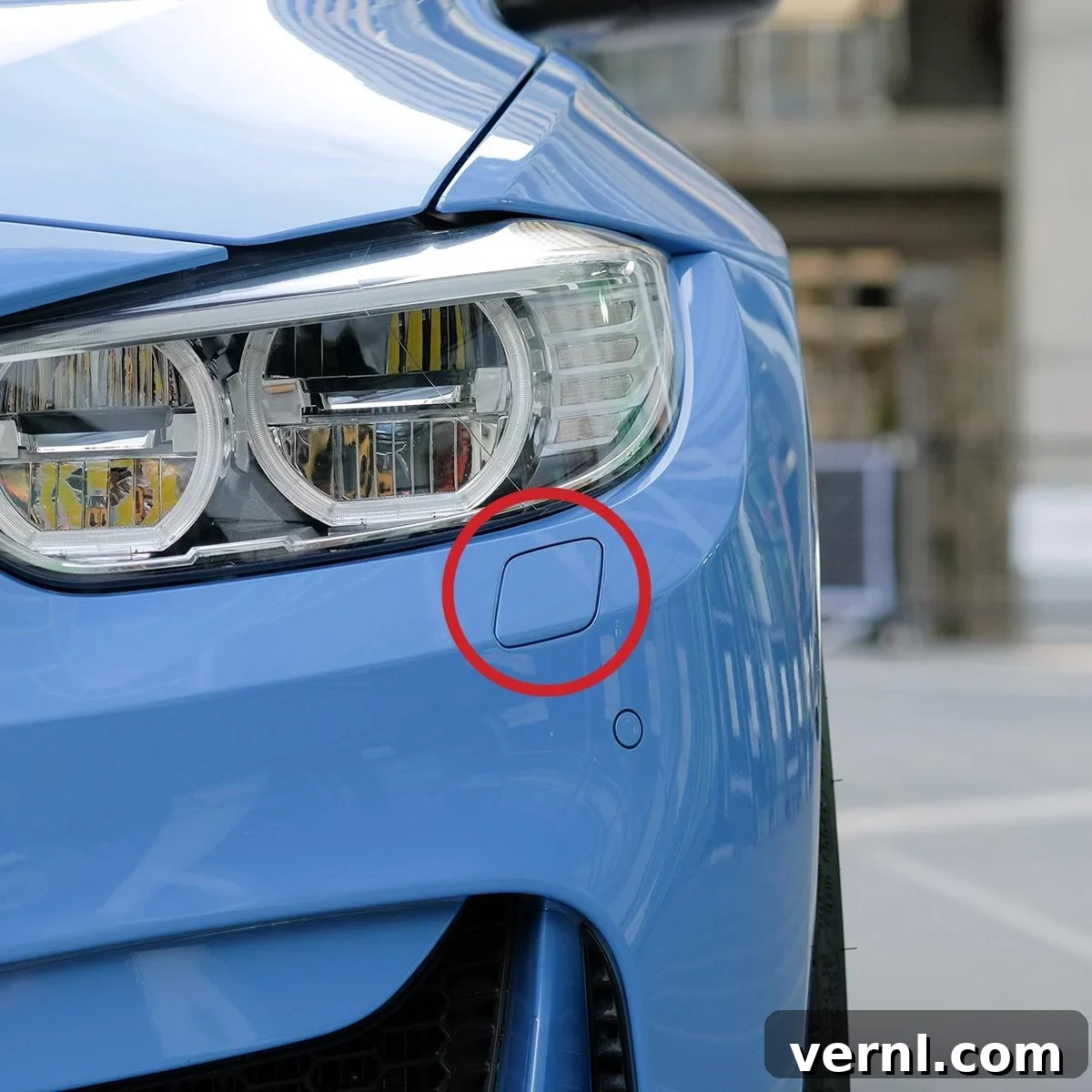
Ever noticed a small, often unassuming square panel on the front or rear of your vehicle and wondered about its purpose? For many car owners, this little plastic cover remains an enigma, rarely, if ever, removed. However, tucked neatly behind this discreet panel is a vital component known as a tow eye. This dedicated, reinforced attachment point is specifically engineered to facilitate safe and secure car towing and vehicle recovery. Without it, attempting to tow your car could lead to significant damage or even unsafe situations. Understanding how tow eyes work and their importance is crucial for every vehicle owner, ensuring peace of mind in the event of a breakdown or a stuck situation.
In the world of automotive safety and roadside assistance, the tow eye is often an unsung hero. It’s a fundamental part of your car’s design, yet its function is typically discovered only when an emergency arises. This comprehensive guide will delve into everything you need to know about tow eyes, from locating them on your vehicle to understanding their proper use and why they are indispensable for secure emergency towing.
What Exactly is a Tow Eye and Why Is It So Important?
A tow eye, sometimes referred to as a towing point or recovery point, is a robust, threaded socket integrated into your car’s chassis, typically hidden behind a removable cap on the front and/or rear bumper. Its primary function is to provide a strong, designated point for attaching a tow hook or a recovery strap. Unlike other parts of your vehicle, the tow eye is designed to withstand the immense forces involved in pulling a stationary or stuck car, distributing the load across the vehicle’s frame rather than fragile bodywork.
Many modern vehicles, particularly smaller passenger cars, are not equipped with permanent, exposed tow hooks like those often seen on heavy-duty trucks or SUVs. These larger vehicles often feature a sturdy, fixed metal hook on their front grille or bumper, built for rigorous off-road recovery. For smaller cars, however, aesthetic considerations and pedestrian safety regulations mean these hooks are concealed. This is where the tow eye design becomes ingenious: it provides the necessary strength and functionality only when needed, maintaining the car’s streamlined appearance the rest of the time.
The Critical Role of Tow Eyes in Safe Vehicle Recovery
The importance of using a tow eye cannot be overstated when it comes to vehicle recovery. Attempting to attach a tow cable or strap to any other part of your car, such as a suspension component, axle, control arm, or even the bumper itself (unless explicitly designed as a tow point), is a recipe for disaster. These parts are not designed to handle the dynamic pulling forces of towing and can easily bend, break, or deform. Such improper towing attempts can lead to:
- Severe Structural Damage: Ripped bumpers, damaged suspension systems, bent chassis components, or even tearing off parts of the vehicle’s undercarriage.
- Compromised Safety: A failure of an improperly attached tow point can cause the tow cable to snap back with dangerous force, potentially injuring bystanders or causing further damage to vehicles.
- Increased Repair Costs: What might seem like a minor towing inconvenience can quickly escalate into expensive repairs for components not covered by standard insurance if damage results from improper towing.
By utilizing the tow eye, you leverage a factory-designed and tested anchor point, ensuring the safest and most efficient method of pulling your vehicle out of a difficult spot or onto a tow truck. It is a testament to careful engineering, designed to protect your investment and ensure the safety of everyone involved in the recovery process.
Locating and Accessing Your Car’s Tow Eyes
Knowing the exact location of your vehicle’s tow eyes before an emergency strikes is a critical aspect of responsible car ownership. This knowledge can save valuable time and reduce stress during a breakdown, especially if you’re in a vulnerable or unsafe location.
Finding the Front Bumper Tow Eye
The front tow eye is almost invariably located on the front bumper. Look for a small, rectangular or square plastic panel, typically about 2-3 inches in size. It’s often found on one side of the bumper, either closer to the center or near the fog light area. The panel might have a subtle outline or a small indentation to indicate it’s removable. In some cases, it could even be integrated into a larger grille section.
To access the tow eye, you’ll need to remove this panel. The method for removal varies by vehicle model:
- Snap-Off Cover: Many panels simply pop off. You might need a flat-head screwdriver or a trim removal tool to gently pry it open without scratching the paint.
- Twist-Off or Slide-Off: Some covers might require a quarter-turn or a slight slide to unlock them.
- Owner’s Manual Reference: Always consult your car’s owner’s manual for precise instructions. It will detail the exact location and removal method for your specific make and model.
Once the panel is removed, you will reveal a threaded hole. This is where your dedicated tow hook will screw in. Most vehicles come with this screw-in tow hook as part of the emergency toolkit, usually found with the spare tire, jack, or in a compartment in the trunk.
Are There Tow Eyes On the Back Bumper?
Indeed! Just as important as the front tow eye, most modern vehicles also feature one or more tow eyes on the rear bumper. This is particularly useful if your vehicle needs to be pulled backward out of a ditch, a parking spot, or any situation where the front is inaccessible. The rear tow eye is located similarly to the front, hidden behind a small, removable panel on the back bumper. Again, checking your owner’s manual is the definitive way to confirm its presence and exact location.
Taking a moment to locate all your vehicle’s tow eyes now, perhaps even practicing removing the covers, can be incredibly beneficial. This proactive step ensures you’re prepared for unforeseen circumstances, enabling quick and efficient recovery when every second counts.
Properly Using Your Tow Eye and Tow Hook
Once you’ve located the tow eye and retrieved your screw-in tow hook, the process of preparing your vehicle for towing is relatively straightforward, but requires attention to detail for safety.
Attaching the Tow Hook
- Remove the Cover: Carefully remove the plastic cover on the bumper to expose the threaded tow eye socket.
- Screw in the Hook: Take your vehicle’s specific tow hook (it usually has a distinct threading) and screw it clockwise into the exposed socket until it is hand-tight. Do not overtighten with tools unless explicitly instructed by your owner’s manual, as this could damage the threads. Ensure it feels secure and doesn’t wobble.
- Connect the Tow Strap: Loop the appropriate tow strap or recovery rope through the eye of the tow hook. Ensure the strap is free of twists or knots and that it’s rated for the weight of your vehicle.
For illustrative purposes, here’s an example of how a tow eye might be used:
(Original content included an Instagram embed here. For SEO and simplicity, we reference the concept.)
View an example of a car tow hook being used for vehicle recovery on Instagram.
The Instagram reel by Driver_Ms_May typically demonstrates the practical application of a tow hook, showcasing how it provides a secure anchor point for towing.
Towing Best Practices and Safety Considerations
Even with a properly attached tow hook, towing a vehicle requires careful consideration and adherence to safety guidelines:
- Use the Right Equipment: Always use a tow strap or rope designed for vehicle recovery, matching its strength to your vehicle’s weight. Avoid chains, which can snap dangerously.
- Slow and Steady: When towing, ensure the towing vehicle pulls slowly and smoothly. Sudden jerks can cause extreme stress on the tow points and strap, potentially leading to failure.
- Maintain Distance: Keep a safe distance between the towing and towed vehicles. If towing with a rope, ensure a flag or marker is placed in the middle for visibility.
- Communication: Establish clear communication between the drivers of both vehicles. Hand signals or two-way radios can be invaluable.
- Steering and Braking: The driver of the towed vehicle must be able to steer and brake effectively. If power steering or power brakes are lost when the engine is off, significantly more effort will be required.
- Know Your Limits: If you’re unsure about any aspect of the towing process, or if the situation seems too complex (e.g., your car is in a deep ditch, overturned, or severely damaged), it’s always best to contact a professional roadside assistance service. They have the specialized equipment and expertise to handle various recovery scenarios safely.
Distinguishing Tow Eyes from Other Recovery Points
While the tow eye is a dedicated and safe towing point for passenger vehicles, it’s worth noting that other types of vehicles, particularly trucks and SUVs, often have different recovery solutions. For instance:
- Fixed Tow Hooks: Many larger utility vehicles come with permanent, exposed metal hooks bolted directly to the chassis. These are highly robust and designed for heavy-duty recovery.
- Receiver Hitches: Trucks and SUVs with a trailer hitch receiver can often use a specialized recovery shackle or hitch-mounted recovery point. These are incredibly strong but primarily designed for pulling in a straight line, often used in conjunction with a snatch strap for off-road recovery.
- Frame-Mounted Recovery Points: Some off-road vehicles might have specific points bolted directly to the frame, often reinforced, for more extreme recovery situations.
It’s crucial not to confuse these different types of recovery points or attempt to use a component not designed for towing. For standard passenger cars, the screw-in tow eye is the intended and safest method.
When to Opt for Professional Roadside Assistance
While understanding your car’s tow eye empowers you with basic recovery knowledge, there are many situations where calling a professional towing service is not just recommended, but essential. Consider contacting experts for:
- Significant Vehicle Damage: If your vehicle has been involved in an accident, even seemingly minor damage could compromise structural integrity, making self-towing risky.
- Complex Recovery Situations: If your car is overturned, in a deep ditch, stuck in mud or sand up to its axles, or in any precarious position, professional services have the specialized winches, cranes, and experience to safely extract it.
- Long-Distance Towing: Towing a vehicle for a significant distance requires specific equipment and expertise to prevent wear and tear on both vehicles.
- Lack of Proper Equipment: If you don’t have the correct tow hook, a suitable tow strap, or a vehicle capable of safely towing yours, call for help.
- Uncertainty or Lack of Experience: If you feel at all out of your depth or unsure about the process, don’t risk it. Professional tow operators are trained to handle a wide range of scenarios safely and efficiently.
The tow eye is an invaluable feature for minor recoveries or getting your vehicle onto a flatbed tow truck. However, recognizing when a situation demands professional intervention is a mark of responsible vehicle ownership and ensures the utmost safety.
Maintaining Awareness for Automotive Safety
The humble tow eye is a prime example of a small detail with significant implications for automotive safety and preparedness. Regularly checking your owner’s manual, knowing where your tow hook is stored, and understanding the basics of its use can save you from inconvenient, costly, or even dangerous situations. It’s part of a broader commitment to understanding your vehicle and being prepared for common mechanical breakdowns or unexpected incidents on the road.
By taking the time to familiarize yourself with this often-overlooked feature, you equip yourself with the knowledge to handle minor vehicle recovery challenges confidently, or at the very least, understand the process when professional emergency towing is required. Always prioritize safety, and remember that when in doubt, the experts in roadside assistance are just a phone call away.