
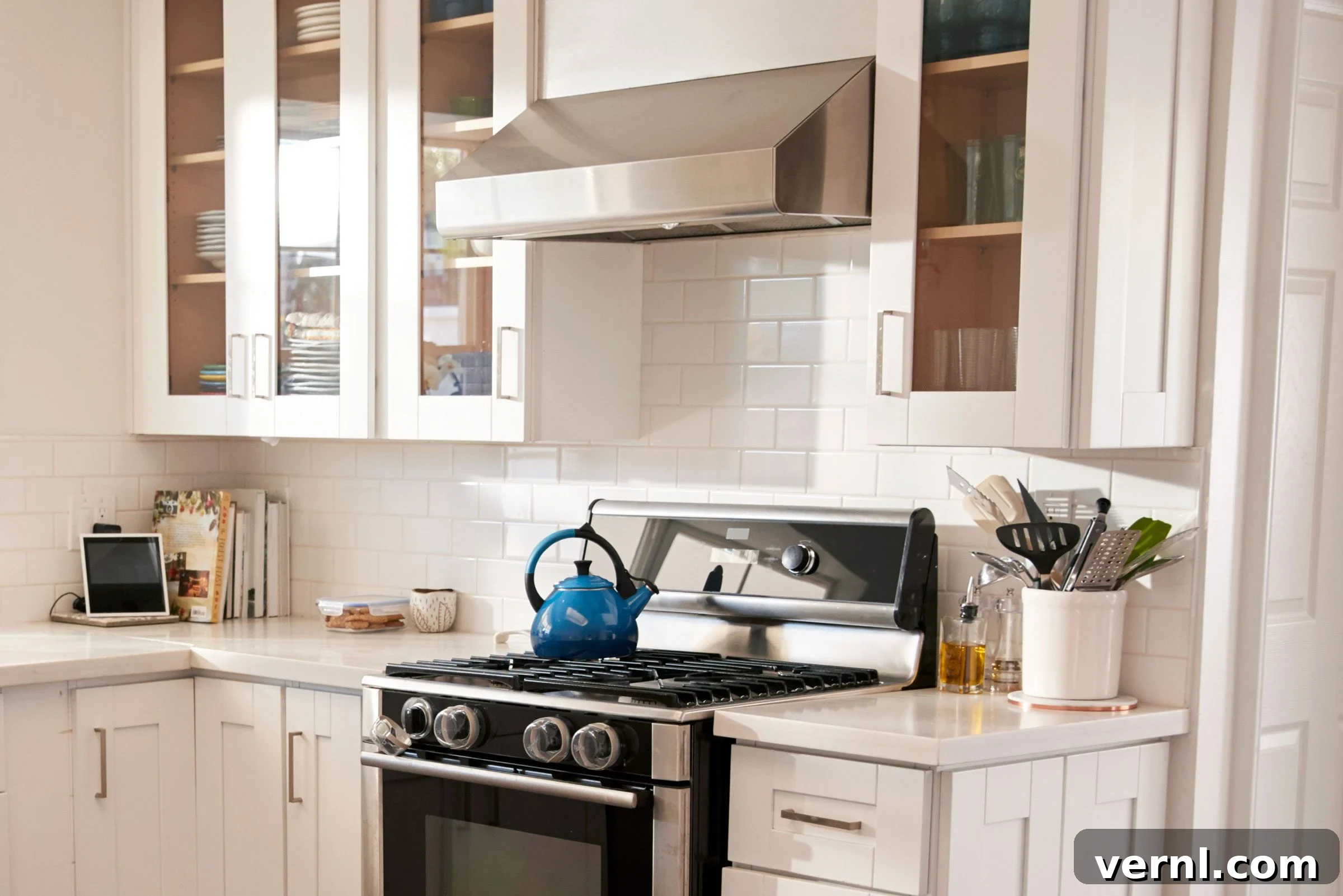
Ultimate Guide to Ductless Range Hoods: Enhance Your Kitchen Air Quality and Style
As modern homeowners increasingly embrace DIY kitchen projects, the demand for versatile and easy-to-install appliances has skyrocketed. Among these, the ductless range hood has emerged as a particularly popular choice. Offering an efficient solution for improving kitchen air quality without the complexities of traditional venting systems, these ventless wonders are transforming how we think about kitchen ventilation. Whether you’re undertaking a complete kitchen overhaul, designing a new culinary space, or simply looking to upgrade an existing appliance, understanding the ins and outs of ductless range hoods is crucial for making an informed decision that perfectly suits your home and lifestyle.
What Exactly Is a Ductless Range Hood?
A ductless range hood, often referred to as a ventless range hood or recirculating hood, is an innovative kitchen appliance strategically positioned above your cooktop. Unlike its ducted counterparts that physically expel air outside, a ductless hood operates by drawing in air from your cooking area, subjecting it to a thorough filtration process, and then recirculating the purified air back into the kitchen. Its primary mission is to capture and neutralize common cooking byproducts such as smoke, excessive steam, pungent odors, and airborne grease particles that would otherwise linger, creating an uncomfortable cooking environment and contributing to the gradual accumulation of a greasy film on surrounding surfaces, cabinetry, and even ceilings.
By effectively diverting these contaminants away from your stove and through a sophisticated multi-stage filtration system, ductless range hoods play a vital role in maintaining a comfortable, clean, and enjoyable culinary space. This system significantly reduces airborne irritants, odors, and grease, ensuring that your kitchen remains fresh and more pleasant, even during intense cooking sessions.
Ductless vs. Ducted Range Hoods: A Comprehensive Comparison
Understanding the fundamental differences between ductless and ducted range hoods is paramount to choosing the right ventilation system for your home. While both types aim to improve kitchen air quality, their methods of operation, installation requirements, and overall effectiveness vary significantly.
Ducted Range Hoods: The Traditional Ventilation Solution
Ducted range hoods represent the traditional and most powerful approach to kitchen ventilation. They are specifically designed to physically remove cooking contaminants entirely from your home. Their operation involves pulling air, smoke, grease, and odors through a powerful fan and then expelling these pollutants outdoors via a dedicated system of ductwork. This method ensures that airborne particles and heat are completely removed, offering superior air purification and temperature control, especially for heavy cooking, deep frying, or high-heat searing. However, their installation is considerably more complex, typically requiring access to exterior venting, extensive ductwork construction, and often involving significant structural modifications, making them a less feasible and more expensive option for certain homes, apartments, or DIY renovation projects.
Ductless Range Hoods: The Versatile Modern Alternative
Ductless range hoods, as expertly explained by Nick Yahoodain, CEO of Advanced Builders and Contractors, are characterized by their self-contained design: they “have no duct and sometimes are not even vented.” This lack of reliance on an external venting system is their defining characteristic and primary advantage. Because they don’t necessitate any outdoor ductwork, ductless models offer unparalleled flexibility in terms of placement and ease of installation. As Yahoodain insightfully notes, “Most homeowners go with ductless range hoods when they do not have space and no room to run ducts to the outside.” This makes them an ideal solution for apartments, condominiums, homes without existing ductwork, island cooking stations, or kitchens where running new ducts is impractical, structurally impossible, or simply too cost-prohibitive. They can be installed practically anywhere – under cabinetry, against a wall, or even as an elegant island fixture – without requiring major construction or disruption.
Key Pros and Cons at a Glance:
- Installation Flexibility & Cost: Ductless hoods are significantly easier and less expensive to install, making them a highly attractive option for DIYers and those with architectural or budget constraints. Ducted hoods, conversely, require professional installation, extensive ductwork, and often come with higher overall costs.
- Air Purification & Effectiveness: Ducted hoods offer superior removal of all airborne particles, heat, and humidity by expelling them outside, making them ideal for heavy-duty cooking. Ductless hoods effectively filter and recirculate air, neutralizing grease and odors, but they do not remove heat or humidity from the kitchen, and their overall purification capacity may be less robust for extremely heavy cooking.
- Maintenance: Ductless hoods demand regular cleaning and periodic replacement of their activated charcoal filters to maintain optimal effectiveness, typically every 3-6 months. Ducted hoods primarily require cleaning of their grease filters, with no carbon filter replacement needed.
- Energy Efficiency: While both types consume energy to power the fan and lights, ductless hoods prevent conditioned indoor air from being vented outside, which can lead to slight energy savings in heating and cooling costs compared to ducted systems that constantly draw in outdoor air.
- Noise Level: The noise level (measured in sones) can vary for both types, but ductless hoods, especially those with powerful recirculation fans, might sometimes be perceived as slightly louder due to the air being pushed back into the room.
How Does a Ductless Range Hood Achieve Air Purification?
The operational simplicity of a ductless range hood belies its sophisticated, multi-stage filtration capabilities. As Nick Yahoodain aptly puts it, “It uses a filter to clean the air inside the home and recirculates it back into the home.” This innovative recirculation process involves several key stages, each designed to tackle different types of cooking byproducts effectively:
- Initial Air Intake: The process begins when a powerful, multi-speed fan integrated within the hood actively pulls contaminated air, along with smoke, steam, and potent odors, directly from above your cooktop. This creates an updraft that captures pollutants before they can spread throughout the kitchen.
- Primary Filtration (Grease Capture): The first and often most visible line of defense involves baffle filters or mesh filters. These are typically washable components made from materials like stainless steel coils (baffle filters) or multi-layered aluminum meshes (mesh filters). Their primary function is to capture larger oil and grease particles as the air passes through. By effectively trapping these sticky particles, they prevent them from clogging the motor, extending the lifespan of the appliance, and protecting the subsequent carbon filter from premature saturation. Regular cleaning of these grease filters is absolutely essential for optimal performance and to prevent unsightly and unhygienic grease buildup.
- Secondary Filtration (Odor and Fume Absorption – Activated Charcoal Filter): After passing through the initial grease filters, the air then moves through the crucial activated charcoal filter (also widely known as a carbon filter). These specialized filters are packed with highly porous activated carbon granules, which are chemically treated to vastly increase their surface area. This unique internal structure allows them to chemically absorb microscopic odor molecules, smoke particles, and various volatile organic compounds (VOCs) that cause unpleasant cooking smells. This process, known as adsorption, effectively neutralizes and eliminates odors rather than just masking them, leaving the air fresh.
- Clean Air Recirculation: Once the air has been stripped of grease, smoke, and odors through this comprehensive filtration sequence, it is then gently pushed back into your kitchen through strategically placed vents on the hood’s body. The result is noticeably cleaner, fresher, and more breathable air, significantly improving your kitchen environment and overall home comfort.
The continuous effectiveness of a ductless range hood hinges significantly on the quality and diligent maintenance of its filters. Understanding this intricate mechanism helps in appreciating the vital role these appliances play in maintaining a healthy, pleasant, and hygienic kitchen atmosphere.
Essential Features to Consider When Choosing Your Ductless Range Hood
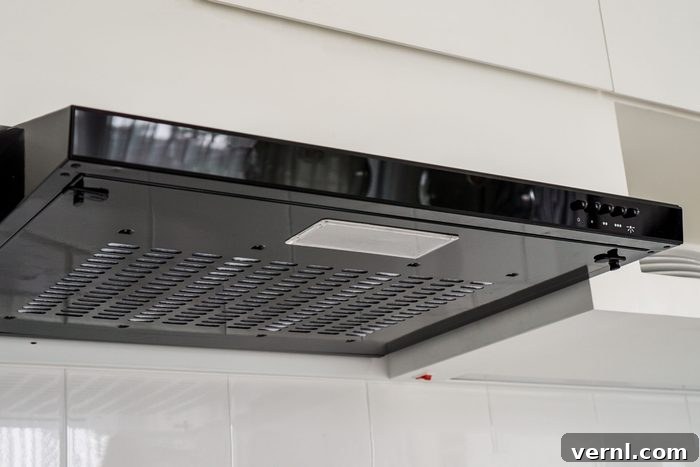
To ensure you select the perfect ductless range hood that not only efficiently meets your ventilation needs but also seamlessly complements your kitchen’s aesthetic and functional demands, keep these critical factors in mind during your selection process:
- Size and Coverage Area: The hood should ideally be at least as wide as your cooktop to effectively capture all rising contaminants, smoke, and steam. For wider ranges, professional cooktops, or those with unique layouts, consider models that extend slightly beyond the cooking surface for maximum capture efficiency. Correct sizing is paramount to prevent pollutants from escaping to the sides or front.
- Integrated Lighting: A high-quality range hood should include robust, strategically placed lighting to brightly illuminate your entire cooking surface. This significantly enhances visibility for meal preparation, ensuring safety and precision. Furthermore, many models offer a convenient low-level ambient light setting that can be left on for late-night kitchen visits, adding both functionality and a welcoming atmosphere to your kitchen. Look for energy-efficient LED lighting for longevity and cost savings.
- Fan Speeds and Airflow (CFM): Opt for a hood equipped with multiple fan speed settings. Lower speeds are ideal for simmering, gentle boiling, or light cooking tasks, offering significantly quieter operation. Higher speeds are essential for more intense culinary projects like frying, searing, grilling, or stir-frying, as they can effectively manage larger volumes of smoke and steam. While CFM (Cubic Feet per Minute) is often highlighted more for ducted hoods, a higher CFM rating in a ductless model still indicates a stronger motor and more effective air movement through the filters, contributing to better air purification.
- Noise Level (Sones): The operational noise generated by the fan can significantly impact your cooking experience and overall kitchen comfort, especially in open-plan living spaces. Range hood noise is universally measured in “sones,” with lower sone ratings indicating quieter operation. Aim for models with a low sone rating (e.g., 2-4 sones on low settings) for a more peaceful kitchen environment, allowing you to converse or listen to music without excessive fan noise.
- Material, Finish, and Design Aesthetics: The exterior material and overall design of your ductless hood should seamlessly integrate with and enhance your kitchen decor. Common and popular options include sleek stainless steel, classic black, or crisp white finishes. Beyond color, consider the mounting style – whether you prefer an under-cabinet, wall-mount, island-mount, or range insert design – to ensure it harmonizes perfectly with your kitchen’s overall aesthetic appeal and layout.
- Filter Type, Maintenance, and Accessibility: Pay close attention to the type and quality of both the grease filters (mesh or baffle; preferably dishwasher-safe for easy cleaning) and the activated charcoal filters. Ensure that these filters are easy to access, remove, and either clean or replace. Some advanced models include helpful filter-change indicator lights or reminders, which can be a valuable convenience feature.
- Control Panel and User Interface: Modern ductless hoods come with a variety of control options, ranging from traditional push buttons to sleek touch controls, intuitive digital displays, or even convenient remote controls. Choose a system that feels intuitive, responsive, and easy to operate for your daily cooking needs.
- Additional Smart Features and Connectivity: Some higher-end models offer advanced smart capabilities, such as connectivity to smart home systems, automatic fan speed adjustments based on detected cooking intensity (via sensors), or app control for remote operation and monitoring. While not always essential, these cutting-edge features can add significant convenience, efficiency, and a touch of luxury to your modern kitchen.
Seamless Ductless Range Hood Installation: A DIY-Friendly Guide
One of the most compelling advantages of ductless range hoods is their relatively straightforward installation process, making them an excellent choice for handy homeowners and those undertaking kitchen remodels. “Most homeowners can install a ductless range hood themselves if they are handy,” confirms Nick Yahoodain. With just a few basic tools – typically a level, a power drill, a tape measure, and a hammer – you can significantly upgrade your kitchen’s ventilation system without the need for complex professional ductwork installation or costly structural modifications.
While specific instructions will invariably vary by model, manufacturer, and your chosen mounting location, these general steps provide a clear and comprehensive overview of the project’s scope, empowering you to approach the installation with confidence:
- Thorough Preparation and Precise Positioning: Begin by carefully unboxing your new range hood and thoroughly reviewing the manufacturer’s installation manual. Determine the ideal mounting height for your hood; typically, it should be positioned 30 to 36 inches above the surface of your range for optimal performance. Positioning it too high will significantly reduce its effectiveness in capturing smoke and odors, while mounting it too low could risk heat damage to the unit or obstruct your cooking area. Use a level and measuring tape to accurately mark the precise center point on the wall above your cooktop where the hood will be installed.
- Securely Mounting the Wall Bracket and Hood: Refer to your hood’s specific instructions for the exact mounting points and hardware. Mark these points on the wall, ensuring they align with existing wall studs if possible for maximum stability and support. Drill pilot holes as indicated and securely attach any mounting brackets or anchor points provided with the unit. This critical step often requires the invaluable assistance of a second person to safely lift and hold the hood in place while you meticulously drill the screws into position, ensuring it is perfectly level and firmly secured to the wall.
- Establishing the Electrical Connection: The vast majority of modern ductless range hoods are designed for ease of use and convenience, coming equipped with a standard three-prong power plug. This means they typically do not require complex hardwiring into your home’s electrical system. If an appropriate electrical outlet is not already present within easy reach of your planned installation location, it is highly recommended to hire a qualified and licensed electrician to safely install one. Never attempt to wire an electrical outlet yourself unless you possess professional electrical experience and certification.
- Attaching the Decorative Chimney or Cover: Once the main body of the hood is securely mounted and successfully connected to power, proceed to attach the decorative chimney or cover panels. This essential component serves to elegantly conceal the internal workings, mounting hardware, and electrical connections, providing a clean, polished, and finished aesthetic to your installed appliance. You may need a screwdriver or other basic tools to secure these panels in place according to your specific model’s design.
- Correctly Inserting the Filters: The final crucial step in the installation process is to correctly install all filters. Carefully place the activated charcoal filters into their designated settings, ensuring they are properly rotated or clicked into place for a secure and snug fit. Additionally, make sure any washable grease filters (mesh or baffle) are correctly inserted into their respective slots. Always refer to your hood’s user manual for specific filter placement instructions and locking mechanisms to ensure maximum filtration efficiency.
- Thorough Testing of the Unit: After all components are meticulously installed and secured, plug in the hood (or confidently turn on the power at the circuit breaker if it was hardwired). Thoroughly test all functions of the appliance: confirm all fan speeds are operational, verify that the lighting works correctly, and check any other features to ensure everything is functioning perfectly before enjoying your newly upgraded and aesthetically pleasing kitchen.
Why Choose DIY Installation for Your Ductless Range Hood?
Opting for a DIY installation of your ductless range hood offers several appealing benefits, primarily significant cost savings on labor expenses that would otherwise be incurred by professional installers. Beyond the financial advantage, it also provides immense personal satisfaction from enhancing your home with your own hands. The relatively simple nature of these installations, free from the complexities and mess of running new ductwork, makes it an achievable and rewarding project for many enthusiastic homeowners.
When to Call a Professional for Assistance?
While many ductless range hood installations are indeed DIY-friendly, certain situations unequivocally warrant professional assistance to ensure safety and proper functionality. If your kitchen lacks an existing and appropriately located electrical outlet where the hood will be installed, or if you are uncomfortable with performing even basic electrical work, it is always best to consult a qualified and licensed electrician. Similarly, if you encounter any unexpected structural issues within your wall, if the hood unit is particularly heavy or unusually complex to mount, or if you simply prefer the peace of mind that comes with expert installation, hiring a professional contractor can prevent potential problems, ensure a safe and secure installation, and guarantee optimal performance.
Maintaining Your Ductless Range Hood for Optimal Performance and Longevity
To ensure your ductless range hood continues to operate efficiently, effectively, and safely for many years to come, regular and diligent maintenance is absolutely paramount. Proper care not only extends the life of your valuable appliance but also guarantees that your kitchen air remains consistently clean, fresh, and free from undesirable cooking byproducts.
- Grease Filter Cleaning: Most ductless range hoods are equipped with washable grease filters (either mesh or baffle types). These filters are the first line of defense against grease accumulation and should be cleaned regularly – ideally every 3-4 weeks, or even more frequently if you engage in heavy frying or grilling. Simply remove them from the hood and wash them thoroughly by hand in hot, soapy water, or, if they are clearly marked as dishwasher-safe, place them in your dishwasher for a convenient and effective clean. Ensure they are completely dry before reinserting them into the hood.
- Activated Charcoal Filter Replacement: Unlike grease filters, activated charcoal filters (carbon filters) cannot be effectively cleaned and must be replaced periodically. Their lifespan directly correlates with your cooking habits and frequency, but a general guideline is to replace them every 3-6 months. Over time, the activated carbon granules become saturated with absorbed odors and other airborne particles, causing them to lose their odor-neutralizing effectiveness. Always consult your specific hood’s user manual for precise replacement frequency recommendations and the correct filter models to purchase.
- Exterior Cleaning: Keep the exterior surfaces of your hood sparkling clean to maintain its aesthetic appeal and hygiene. For stainless steel surfaces, use a non-abrasive stainless steel cleaner or a damp cloth with mild dish soap, and always wipe with the grain of the metal to prevent streaks and smudges. For painted surfaces (black, white), a soft, damp cloth with a mild, all-purpose cleaner is usually sufficient. Regular wiping prevents the buildup of grease, dust, and grime, ensuring your kitchen always looks pristine.
- Fan and Light Maintenance: Periodically, inspect the fan blades for any visible grease buildup. If accessible, gently wipe them clean with a damp cloth. If your hood uses replaceable light bulbs, ensure you have appropriate spares on hand and familiarise yourself with how to safely change them when needed, always disconnecting power before attempting any electrical work.
Consistent and proactive maintenance not only preserves the aesthetic appeal and cleanliness of your ductless range hood but, more importantly, ensures it continues to provide the essential function of purifying your kitchen air, contributing significantly to a healthier and more enjoyable cooking experience.
Top-Rated Ductless Range Hoods for Your Modern Kitchen
When it comes to selecting a high-quality ductless range hood, the market offers a diverse variety of excellent options catering to different needs and budgets. Based on performance, key features, and overall user satisfaction, Nick Yahoodain, a trusted expert in the field, confidently recommends these three outstanding models:
- Best Overall Performance & Design: The ZLine ZLKB-30 KB-30 Wall Mounted Range Hood ($352) stands out as an exceptional choice for its elegant and durable stainless steel body, which is not only aesthetically pleasing but also remarkably easy to keep clean. This model boasts a powerful and versatile four-speed fan, allowing for precise ventilation control tailored to various cooking intensities. Furthermore, it features convenient dishwasher-safe baffle filters for hassle-free maintenance, making it a top contender that offers a perfect blend of robust performance, sleek design, and user-friendly convenience for most modern kitchens.
- Best Budget-Friendly Option: For homeowners seeking impressive efficiency and style without exceeding their budget, the Cosmo 36 in. Ductless Wall Mount Range Hood ($272) is an exceptional choice. Despite its highly competitive price point, this model steadfastly refuses to compromise on essential features, offering three reliable speed settings to efficiently manage diverse cooking tasks and a pair of energy-efficient LED lights that brightly illuminate your cooking area. It truly serves as a testament to affordable quality and functional design in the ductless hood market.
- Best Extra-Large Model for Wide Ranges: For kitchens featuring expansive cooktops, professional-grade ranges, or those simply requiring broader and more comprehensive coverage, the generously sized 42-inch-wide ZLine Stainless Steel (KB-42) Wall Mount Range Hood ($615) is perfectly suited. Its impressive width ensures comprehensive capture of smoke, steam, and odors across even the largest ranges. Equipped with four distinct fan settings, users gain the flexibility to precisely tailor the ventilation speed to match any cooking project, from a gentle simmer to high-heat frying, thereby ensuring optimal air quality and comfort at all times.
Choosing the best ductless range hood ultimately depends on your specific kitchen layout, individual cooking habits, aesthetic preferences, and budgetary considerations. These expert recommendations provide a strong and reliable starting point for finding a high-quality, efficient, and stylish ventilation solution that will enhance your culinary space.
Elevate Your Kitchen Experience with a Ductless Range Hood
Ductless range hoods offer a compelling, practical, and increasingly popular solution for modern kitchens, especially in homes where traditional ducted systems are not feasible due to architectural constraints, cost, or a desire for simpler installation. By efficiently filtering and recirculating kitchen air, these innovative appliances provide a consistently cleaner, fresher, and significantly more comfortable cooking environment, effectively reducing the pervasive impact of smoke, steam, airborne grease, and unpleasant odors.
Their DIY-friendly installation and versatile placement options – from under-cabinet to wall-mount and even island configurations – make them an exceptionally attractive choice for homeowners eager to enhance their kitchen’s functionality and aesthetic appeal without embarking on extensive and costly renovations. Investing in a high-quality ductless range hood is an investment in your home’s overall air quality, the comfort of your living space, and the enduring aesthetic appeal of your kitchen.
By carefully considering the essential features, thoroughly understanding the straightforward installation process, and committing to regular and proper maintenance, you can confidently enjoy the myriad benefits these innovative appliances bring to your culinary space for many years to come. Transform your kitchen into a haven of fresh air, culinary delight, and modern efficiency with the perfect ductless range hood.