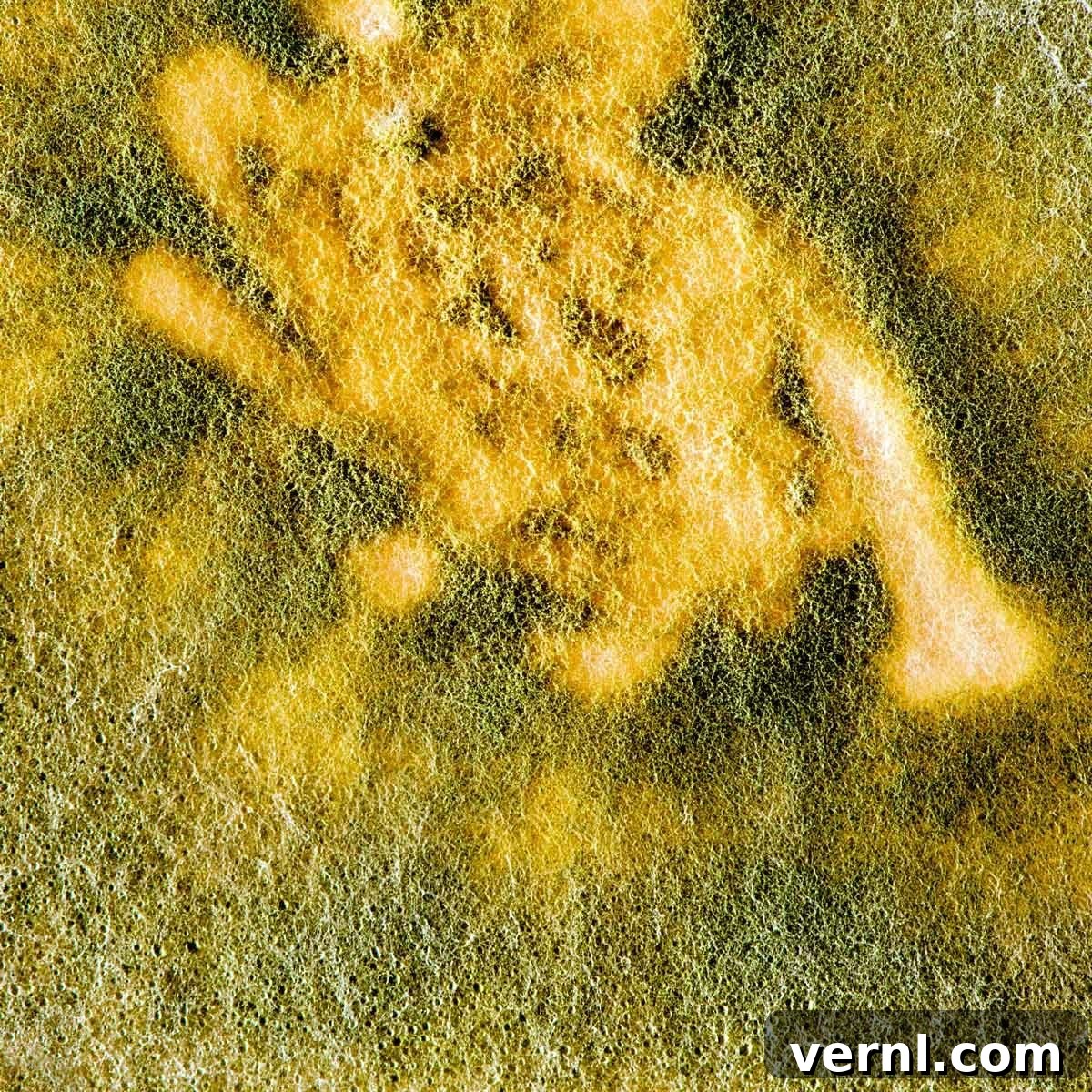
Discovering mold in your home can be a distressing experience, and it’s a problem that should never be underestimated or ignored. Among the myriad types of fungi that can infiltrate our living spaces, Trichoderma mold is a common culprit. Understanding its characteristics, growth patterns, potential health implications, and effective removal strategies is the first step toward safeguarding your home and health. This comprehensive guide will equip you with the knowledge to identify, tackle, and prevent Trichoderma infestations, helping you resolve your mold problem once and for all.
What is Trichoderma Mold? Unveiling the Microscopic World
Trichoderma is a genus of fungi with a fascinating dual nature. First identified in 1794 by the German mycologist Christiaan Persoon, this mold typically begins its growth cycle with a subtle white or off-white appearance. As it matures and prepares to release its spores, its color often transitions to various shades of green, ranging from light to dark. These microscopic spores, the reproductive units of the mold, are incredibly resilient and can be dispersed far and wide by environmental factors such as wind, water currents, and even insects.
In the natural world, Trichoderma is incredibly ubiquitous, often ranking as one of the most common types of naturally occurring mold in diverse ecosystems across the globe. Its ecological roles are surprisingly beneficial; certain species are widely utilized in industrial and agricultural applications. For instance, Trichoderma strains are known for their ability to produce a variety of enzymes, particularly cellulases, which are vital in industries like biofuel production, textile processing, and even brewing. Furthermore, in agriculture, some Trichoderma species act as biocontrol agents, protecting crops from harmful plant pathogens, and enhancing plant growth and nutrient uptake. However, despite its beneficial contributions outdoors, the presence of Trichoderma within your home environment is an entirely different matter, posing significant health risks and requiring immediate attention.
The Lifecycle and Growth Requirements of Trichoderma
Like all molds, Trichoderma thrives under specific conditions. Its lifecycle begins with a spore landing on a suitable substrate. Given adequate moisture, warmth, and a nutrient source, the spore germinates, sending out thread-like structures called hyphae. These hyphae branch out, forming a visible colony known as mycelium. Trichoderma is particularly adept at breaking down cellulose, a common component of many household materials, making wood, paper, and fabrics prime targets for infestation. While it prefers warmer temperatures, it can adapt to a wide range, and a slightly acidic to neutral pH level is generally favorable for its growth. Understanding these growth requirements is crucial for both preventing and eradicating infestations, as disrupting even one of these factors can halt its spread.
Where Is Trichoderma Mold Commonly Found in Your Home?
Given its widespread presence in nature, it’s no surprise that Trichoderma spores can easily find their way into our homes. Once indoors, they lie dormant, patiently waiting for the ideal conditions to flourish. The primary catalyst for any mold growth, including Trichoderma, is elevated moisture levels. This makes certain areas of your home particularly susceptible to infestation.
Common indoor environments where Trichoderma is most likely to appear include:
- Carpets and Rugs: Especially those in basements or areas prone to spills or high humidity.
- Upholstered Furniture: Sofas, chairs, and other fabric-covered items can trap moisture.
- Clothing and Textiles: Clothes stored in damp closets or laundry rooms are vulnerable.
- Wallpaper: The paper and the adhesive behind it can become a food source when damp.
- Wood Structures: Lumber, subflooring, wooden furniture, and even structural beams can host mold if exposed to moisture from leaks or condensation.
- Bathrooms: High humidity from showers and baths, coupled with potential leaks, creates an ideal breeding ground.
- Basements and Crawl Spaces: These areas are notoriously damp and poorly ventilated, making them prime locations for mold growth.
- Attics: Leaky roofs or inadequate ventilation can lead to condensation and mold development.
- Kitchens: Leaks under sinks, around dishwashers, or from refrigerators can foster hidden mold.
- Window Sills and Frames: Condensation buildup on windows can lead to mold growth on adjacent surfaces.
Any prolonged exposure to moisture, whether from a hidden pipe leak, roof damage, foundation issues, persistent condensation, or simply high indoor humidity due to poor ventilation, can create the perfect habitat for Trichoderma to colonize and spread. The key to prevention is meticulous moisture control and vigilance.
Understanding the Health Effects of Trichoderma Mold Exposure
While Trichoderma plays a beneficial role in nature, its presence indoors is a significant health concern, particularly due to its unique characteristics. One of the most alarming aspects of Trichoderma is its relative resistance to many common anti-fungal drugs. This makes treating infections caused by this mold considerably more challenging than with other fungal species, amplifying the threat it poses to individuals with compromised immune systems.
Vulnerable populations, including HIV patients, transplant recipients, individuals undergoing chemotherapy, the elderly, infants, and those with pre-existing respiratory conditions like asthma or severe allergies, are at heightened risk. For these groups, even seemingly minor exposure can lead to severe and potentially life-threatening infections. Trichoderma can penetrate deeper into the body, causing systemic infections that are difficult to combat.
The health threats posed by Trichoderma are sometimes likened to those of the dreaded Stachybotrys chartarum, commonly known as black mold. While their chemical compositions and primary mycotoxin productions differ, both molds are associated with serious respiratory issues and can trigger significant adverse health reactions, particularly in sensitive individuals. The danger of Trichoderma lies primarily in its allergenic potential, its capacity to cause infections, and its resistance to treatment.
Common Symptoms and Conditions Associated with Trichoderma Exposure:
- Respiratory Issues: Inhaling Trichoderma spores can lead to a range of lung infections, bronchitis, and the exacerbation of pre-existing conditions like asthma. Symptoms include persistent coughing, wheezing, shortness of breath, and chest tightness.
- Allergic Reactions: Many individuals develop allergic responses to mold spores. These can manifest as sneezing, nasal congestion, runny nose, itchy eyes, skin rashes or hives, and general fatigue. These reactions can range from mild discomfort to severe, debilitating symptoms.
- Sinusitis: Chronic inflammation of the sinuses is a common complaint among those exposed to indoor mold, leading to headaches, facial pain, and nasal drip.
- Immunological Response: For those with weakened immune systems, Trichoderma can lead to more serious, invasive infections, sometimes spreading beyond the respiratory tract to other organs.
One species, Trichoderma longibrachiatum, is particularly noteworthy for its virulence and resistance to numerous anti-fungal treatments. Infections caused by this specific strain can be exceptionally difficult to manage, underscoring the critical need for prompt identification and removal of any Trichoderma growth.
A common breeding ground for Trichoderma, as well as many other molds, is air conditioning units. The dark, damp environment created by condensation within AC coils and ducts, coupled with accumulated dust and debris, provides an ideal habitat for mold spores to germinate and grow. When the AC unit operates, these spores are then circulated throughout the home, contaminating the air and increasing the risk of exposure to all occupants. Regular cleaning and maintenance of AC systems are therefore paramount in preventing the spread of indoor mold.
Effective Strategies for Trichoderma Mold Removal and Prevention
Addressing a Trichoderma mold infestation requires a systematic and thorough approach. The core principle revolves around two critical actions: eliminating the moisture source and physically removing the mold. Ignoring either step will likely lead to recurrence.
Step 1: Eliminate the Moisture Source
This is arguably the most crucial step in any mold remediation effort. Without addressing the moisture problem, any cleaning efforts will be futile. Begin by meticulously inspecting your home for sources of dampness:
- Fix Leaks Promptly: Repair any plumbing leaks, no matter how small, from dripping faucets to a slow leak behind your washing machine or dishwasher. Check roofs, windows, and foundations for water intrusion points.
- Manage Indoor Humidity: Aim to maintain indoor humidity levels between 30% and 50%. This can be achieved through various methods:
- Dehumidifiers: Essential in damp areas like basements, crawl spaces, and even humid living areas.
- Exhaust Fans: Install and use exhaust fans in bathrooms and kitchens to vent moisture-laden air outdoors during and after activities like showering, cooking, or doing laundry.
- Heat Recovery Ventilators (HRVs) or Energy Recovery Ventilators (ERVs): These systems are particularly effective in colder climates to lower overall indoor humidity levels in winter by exchanging stale, humid air with fresh, drier outdoor air without significant heat loss.
- Improve Ventilation: Ensure proper airflow throughout your home. Open windows and doors when feasible, and avoid overcrowding spaces, which can impede air circulation.
- Dry Wet Areas Immediately: After a spill, flood, or even just a shower, ensure surfaces are dried within 24-48 hours to prevent mold growth.
Step 2: Active Mold Removal
Once the moisture problem is under control, the active Trichoderma mold and its spores must be completely removed. Proper safety precautions are essential during this stage to prevent further spore dispersal and exposure.
- Personal Protective Equipment (PPE): Always wear appropriate PPE, including an N-95 respirator or a higher-rated mask, gloves, and eye protection. Long sleeves and pants are also recommended to prevent skin contact.
- Containment: For larger mold infestations (exceeding 10 square feet), consider isolating the affected area with plastic sheeting and tape to prevent spores from spreading to other parts of your home.
- Cleaning Non-Porous Surfaces: For hard, non-porous surfaces like tiles, glass, or sealed countertops, you can use a detergent solution, a diluted bleach solution (1 cup bleach per gallon of water, though bleach is generally not recommended as a primary mold killer), or a dedicated mold cleaner. Scrub thoroughly and rinse.
- Treating Porous Surfaces: This is where Trichoderma’s resilience comes into play. Bleach is NOT considered an effective way to kill mold on porous surfaces such as wood, drywall, carpet, or fabrics. Bleach primarily disinfects the surface but often fails to penetrate deep into the material where mold roots (hyphae) reside. Furthermore, bleach introduces moisture, which can exacerbate the problem. For best results on porous materials, and often for non-porous surfaces as well, use a non-toxic, odor-free, EPA-registered fungicide specifically designed for mold remediation. These products are formulated to penetrate and kill mold at its source.
- Discard Contaminated Items: Items heavily infested with mold, especially porous ones like carpet padding, drywall, insulation, or upholstered furniture, may need to be safely bagged and discarded. It’s often impossible to completely remove mold from such materials.
- HEPA Vacuuming: After cleaning, use a HEPA (High-Efficiency Particulate Air) vacuum cleaner to remove any remaining spores from surfaces and the surrounding area.
- Thorough Drying: After cleaning, ensure the area is completely dry, using fans or dehumidifiers if necessary, before rebuilding or sealing surfaces.
When to Call a Professional
While DIY mold removal is possible for small areas (less than 10 square feet), it’s highly recommended to contact a professional mold remediation specialist if:
- The mold covers a large area.
- The mold is in your HVAC system.
- You suspect hidden mold behind walls or under flooring.
- You or someone in your household has a compromised immune system, respiratory conditions, or severe allergies.
- The mold returns after your removal attempts.
Professionals have the expertise, equipment, and training to safely and effectively remove mold, ensuring it doesn’t pose a threat to your health or property.
Long-Term Prevention Strategies
Maintaining a mold-free home is an ongoing effort. Beyond addressing current infestations, adopt these preventative measures:
- Regular Inspections: Periodically check for leaks or signs of moisture in common problem areas.
- Clean Gutters and Downspouts: Ensure they are clear and direct water away from your home’s foundation.
- Proper Grading: Ensure the ground around your home slopes away from the foundation to prevent water accumulation.
- Maintain Appliances: Regularly inspect and maintain refrigerators, washing machines, and dishwashers for leaks.
- Insulate Pipes: Insulate cold pipes to prevent condensation buildup, especially in humid environments.
- Clean Air Conditioners Regularly: As mentioned, AC units are mold hotspots. Clean coils, change filters, and check drain pans regularly.
- Avoid Storing Items in Damp Basements: Use plastic containers instead of cardboard, and consider elevating items off the floor.
- Consider Mold-Resistant Products: When undertaking renovations, choose mold-resistant drywall, paint, and insulation, particularly in moisture-prone areas.
Conclusion: Taking Control of Your Indoor Environment
Trichoderma mold, while beneficial in its natural habitat, presents a serious challenge when it invades our homes. Its ability to grow rapidly, its potential to cause significant health issues—especially for vulnerable individuals—and its resistance to certain treatments make it a formidable foe. However, with the right knowledge and proactive strategies, you can effectively manage and prevent its growth. By meticulously controlling moisture, promptly addressing any signs of infestation with appropriate cleaning methods, and understanding when to seek professional help, you can protect your home and ensure a healthy, mold-free living environment for yourself and your family. Don’t let mold dictate the health of your home; take control and breathe easier.