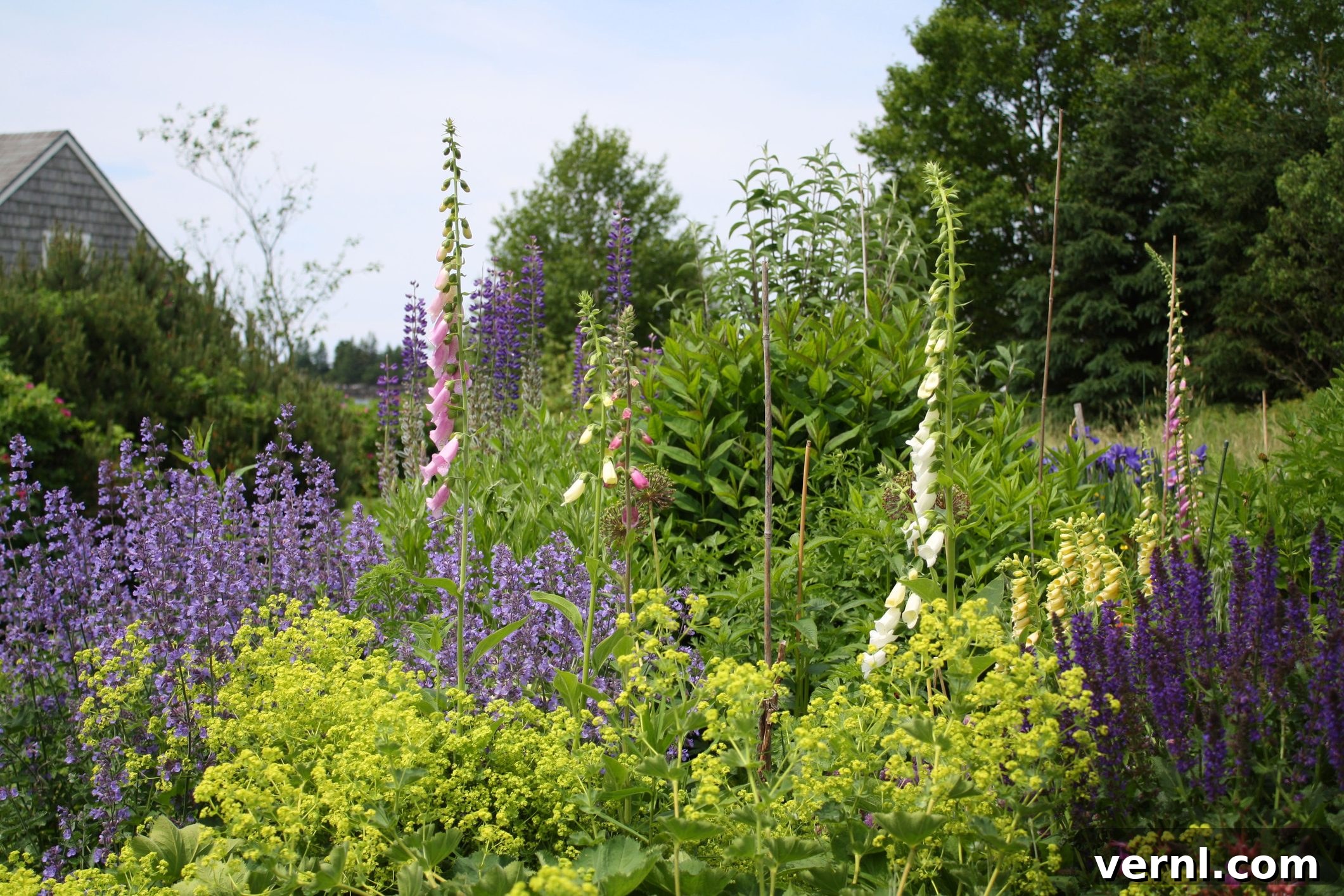
Transform Your Garden: The Power of Native Plants for a Thriving Ecosystem
In a world increasingly aware of environmental challenges, our backyards offer a unique opportunity to make a tangible difference. My own journey began in the harsh climate of the high desert, where I embarked on a mission to cultivate a landscape that could not only survive but thrive on the meager seven inches of rain we receive annually. This experiment quickly revealed a profound truth: the only plants that truly flourished, even with minimal intervention, were the indigenous species.
Native bushes like sage, rabbitbrush, and piñons, alongside resilient native flowers such as ironweed and Lewis flax, stood as testaments to nature’s inherent wisdom. These aren’t just hardy survivors; they possess an extraordinary superpower. By providing vital nectar and pollen for butterflies and bees, shelter for caterpillars, and a crucial food source for birds, native plants form the very foundation of our local ecosystems, supporting an intricate web of life.
“With a greater desire for function and beauty in landscapes, people are turning to native plants, which look aesthetically pleasing yet serve a greater purpose in the ecosystem,” explains Shubber Ali, a renowned native plant expert and CEO of Garden for Wildlife. This growing awareness isn’t just anecdotal; it’s a rapidly expanding movement.
Laura Rost, Bee City USA and Bee Campus USA coordinator with the Xerces Society, notes a significant surge in interest in their educational talks and webinars. This demand is also shifting the market, as Rost observes: “Plant nurseries are also stocking more native plants and labeling pollinator-friendly plants, thanks to increased demand. With decreases in biodiversity, people are starting to see their local ecosystems change and are wanting to help their native bee neighbors. Many of the native plants we love, native bees love too.”
Embracing native plants in your garden isn’t merely a trend; it’s a powerful statement of environmental stewardship, a commitment to beauty, and an investment in the health of our planet. Here’s a comprehensive guide to understanding their importance and integrating them into your own outdoor space.
What Exactly is a Native Plant? Defining Nature’s Originals
At its core, a native plant is a species that has naturally evolved and occurred in a specific region, ecosystem, or habitat without human introduction. These plants have deep historical roots in their local environments, adapting over millennia to the unique climate, soil conditions, and ecological interactions of their surroundings. This co-evolutionary journey means they form an inseparable partnership with the wildlife that evolved alongside them, providing essential resources for food, shelter, and reproduction.
Consider the humble caterpillar, the primary food source for a staggering 96% of backyard birds, particularly during nesting season. Many native plants serve as “host plants,” meaning specific butterfly and moth species can only lay their eggs on these plants, which then become the exclusive food for their developing larvae. Without these particular native host plants, entire insect populations, and subsequently the birds that rely on them, would perish.
Similarly, numerous species of native bees, distinct from the non-native honeybee, are highly specialized. They often depend on pollen from specific native plants to feed their young. This intricate relationship highlights why substituting non-native ornamental plants, even those marketed as “pollinator-friendly,” often falls short; they simply don’t offer the same precise nutritional and ecological benefits that native species do.
Unlocking the Multitude of Native Plant Garden Benefits
Integrating native plants into your landscape offers an array of compelling advantages, transforming your yard into a vibrant, resilient, and environmentally responsible space. If concern for wildlife is paramount, remember that native trees should form the living core of your gardening efforts, acting as the structural backbone of your ecological haven.
“Native plants are either perennials or reseed themselves naturally,” explains Shubber Ali, “meaning you’ll enjoy their return every year while also cutting down on gardening work and saying goodbye to those high-maintenance annuals.” Beyond this inherent ease, the benefits extend much further:
- Unparalleled Sustainability and Environmental Stewardship: By design, native plants are perfectly attuned to local conditions. This natural harmony translates into significantly reduced resource consumption. They minimize the need for external inputs, fostering a more self-sufficient and eco-friendly garden that actively contributes to a healthier planet.
- Reduced Water Consumption: Having adapted to regional precipitation patterns over millennia, native plants typically require far less supplemental irrigation than non-native species once established. This makes them ideal for xeriscaping and greatly contributes to water conservation, a critical concern in many areas facing increasing drought conditions.
- Flourishing Without Fertilizers or Pesticides: Native plants have evolved natural defenses against local pests and diseases, negating the need for chemical interventions. They also thrive in native soils, rarely requiring artificial fertilizers. This eliminates harmful runoff, protects soil health, and ensures a safer environment for children, pets, and wildlife.
- Minimal Maintenance, Maximum Enjoyment: Say goodbye to the endless cycle of intensive mowing and leaf-blowing. Native landscapes often embrace a more natural aesthetic, reducing time, effort, and expense. This not only saves money and frees up your time but also dramatically cuts down on noise and air pollution associated with conventional landscape maintenance.
- Sanctuary for Wildlife and Biodiversity: This is arguably the most profound benefit. Native plants provide critical food, shelter, and breeding habitat for a vast array of local fauna, including birds, butterflies, bees, and other beneficial insects. They are the essential building blocks of a thriving food web, offering specific resources that non-native plants simply cannot.
- Optimal Pollinator Support: They are unequivocally the best food sources of nectar and pollen for native pollinators and caterpillars. By planting a diverse array of native species, you create a continuous bloom cycle, ensuring pollinators have access to vital resources throughout the seasons, thereby significantly increasing local biodiversity.
- Enhanced Ecosystem Resilience: A biodiverse native garden strengthens the entire local ecosystem, making it more robust and less susceptible to the devastating impacts of invasive species, plant blights, and extreme weather events. It creates a stronger, more balanced natural defense.
- Creating Vital Habitat Oases: In areas dominated by human development and conventional lawns, each native garden serves as a crucial oasis of habitat. These interconnected pockets of green space can form vital corridors, allowing wildlife to move safely and find necessary resources, combating habitat fragmentation.
“Research shows that wildlife habitat gardens can support 50% more wildlife than surrounding conventional landscapes,” notes Ali. “Wildlife can appear within days or even moments after food, water, cover, and places to raise their young are introduced to the space.” This rapid response demonstrates the immediate and profound impact of native plant gardening.
Seamlessly Integrating Native Plants Into Your Yard
Embarking on the journey to add native plants to your yard can feel daunting, but the key is to approach it gradually and thoughtfully. Remember, transformation doesn’t have to happen overnight.
“One of the most important things to remember is that you don’t have to do it all in one go,” advises Laura Rost. “Have a bigger plan, but do it bit by bit. Maybe you can start by shrinking your lawn by creating a new flower border or swapping plants in an existing one.” This incremental approach makes the process manageable and enjoyable.
Here’s a step-by-step guide to help you get started:
- Thorough Research and Planning: Begin by identifying plant species native to your specific area. Local nurseries staffed with experts, botanical gardens, university extension offices, and native plant societies are invaluable resources. Online tools like Garden for Wildlife’s Native Plant Finder, which allows you to search by zip code, can quickly provide a personalized list of suitable plants. Consider your overall vision for the space – what areas do you want to transform first?
- Start Small and Build Confidence: If you’re new to gardening, begin with easy-to-grow, resilient native species. Even a small container garden filled with native annuals or perennials can offer a rewarding introduction. A gradual approach, like converting a small section of lawn into a native garden bed, is less overwhelming and allows you to learn as you go.
- Assess Your Yard’s Conditions: Understand your garden’s unique microclimates. Determine the soil type (sandy, clay, loam), its drainage, and the amount of sunlight different areas receive (full sun, partial shade, deep shade). Pick plants accordingly and group species with similar water and light needs together. This “right plant, right place” philosophy is fundamental to their success and your low-maintenance goals.
- Design for Year-Round Interest and Pollinator Support: Choose an array of plants that bloom in different seasons – spring, summer, and fall. This ensures a continuous supply of nectar and pollen for pollinators throughout their active periods and provides sustained visual appeal in your garden.
- Embrace a Diverse Plant Palette: Incorporate a blend of native wildflowers, grasses, shrubs, berries, and trees. This multi-layered approach provides optimal shelter, food sources, and enhances overall biodiversity. “Bees love trees!” says Rost. “Add native trees and shrubs — they are like a pollinator meadow in the sky,” offering a wealth of resources in a compact footprint.
- Responsible Sourcing of Native Plants: Purchase native plants from reputable nurseries, either local or online. Crucially, ensure that these sources avoid systemic pesticides, particularly neonicotinoids, which are highly detrimental to bees and other beneficial insects. The Xerces Society offers an excellent directory of places to buy bee-safe native plants in your area. Always ask nurseries about their pesticide use before buying.
- Proper Planting and Initial Care: After planting, apply a layer of organic mulch around your new plants. Mulch helps retain soil moisture, suppress weeds, regulate soil temperature, and slowly enriches the soil. Water native plants regularly and deeply until they are firmly established, typically through their first growing season. Once established, their natural drought tolerance will kick in.
- Integrate Holistic Natural Gardening Techniques: Beyond planting natives, adopt broader ecological practices. Strictly avoid all pesticides, herbicides, and fungicides. Allow some fallen leaves to remain on the ground over winter; they act as natural fertilizer, insulate plants, and provide crucial habitat for overwintering bees, butterflies, and other beneficial insects. Leave seed heads on plants for birds and winter interest.
Native Plant Suggestions to Inspire Your Garden
While the best choices for your garden will always depend on your specific region, local climate, and yard conditions (is it dry or wet, sunny or shaded, windy or sheltered?), some native plant categories and examples offer broad appeal and significant ecological value. Always cross-reference these suggestions with your local native plant finder to ensure they are truly native to your area.
In general, these types of plants are often excellent choices for supporting local wildlife and thriving in native landscapes:
- Sunflowers: Many native species exist, providing large amounts of pollen and seeds for birds.
- Milkweed: Essential host plant for Monarch butterflies; ensure you select a species native to your specific region.
- Aster: Late-season bloomers offering vital nectar for migrating pollinators.
- Goldenrod: Often misunderstood as an allergen (ragweed is the culprit), goldenrod is a crucial late-season food source for pollinators.
- Coneflower: A robust and beautiful perennial, popular with bees and birds.
- Blazing Star (Liatris): Striking vertical blooms highly attractive to monarch butterflies and other pollinators.
- Crabapple: Native varieties provide early spring blooms for pollinators and small fruits for birds.
- Flowering Currants: Early spring blooms offer nectar for hummingbirds and early emerging insects, followed by berries for birds.
- Rhododendrons: Native species can provide excellent habitat and nectar in woodland settings.
For more regionally specific guidance, consider these examples:
- Northeast: Eastern redbud (early spring nectar), black-eyed Susan (summer blooms, seeds for birds), and switchgrass (habitat, erosion control).
- South: Longleaf pine (iconic tree, habitat), southern magnolia (beautiful evergreen, large flowers), and yaupon holly (berries for birds, evergreen interest).
- Midwest: Big bluestem (tall grass, habitat), purple coneflower (pollinator magnet), and wild bergamot (attracts hummingbirds and bees).
- Pacific Northwest: Salal (evergreen shrub, berries), Oregon grape (edible berries, early blooms), and red flowering currant (early nectar source).
- Southwest: Saguaro cactus (iconic, supports desert wildlife), blue agave (pollinator friendly), and creosote bush (extremely drought tolerant, unique scent).
For an even more extensive list and tailored recommendations, visit the Xerces Society’s Pollinator Conservation Resource Center, an invaluable tool for any native plant enthusiast.
Ultimately, creating a native plant garden extends beyond the boundaries of your own property. “This can be a community-building opportunity,” emphasizes Rost. “Put up a pollinator sign so neighbors know why your yard looks a bit wilder. Share advice, plant cuttings, and seeds.” By engaging your community, you multiply the impact, fostering a network of interconnected habitats. If your goal is to live more sustainably and harmoniously with nature, then establishing your own sustainable permaculture garden, rooted in native species, is a powerful and rewarding step towards a greener future.