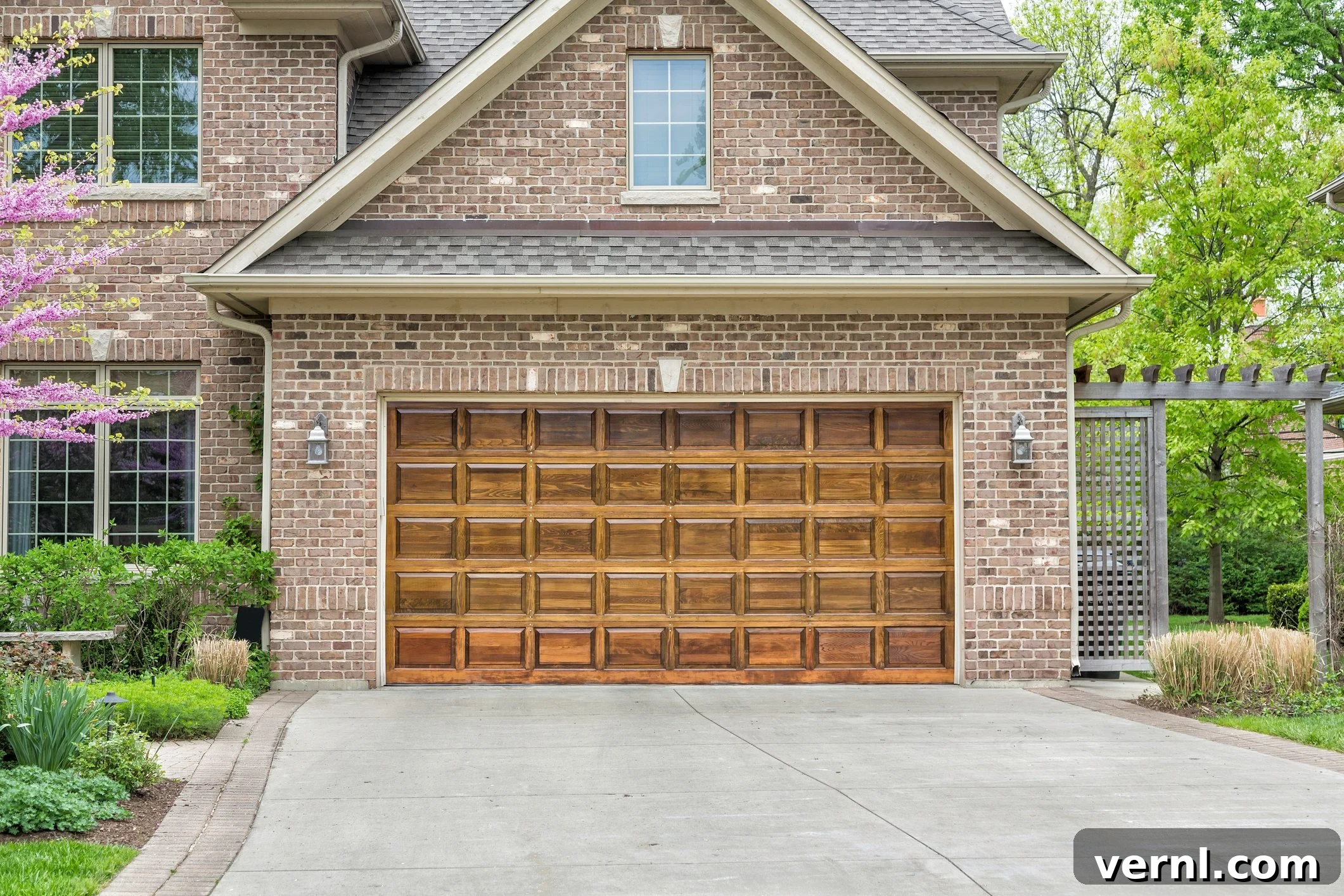
The term “garage” entered the English lexicon in 1902, initially describing the outbuildings constructed to shelter the burgeoning fleet of horseless carriages. These early structures were typically simple, utilitarian designs, often featuring swinging carriage doors crafted from basic wooden slats. As the 20th century progressed, the automobile transformed from a luxury item into a household staple. By the 1950s, it was common for families to own one, if not two, vehicles, profoundly impacting home architecture.
The humble garage evolved dramatically, often becoming an attached extension of the main dwelling and sometimes occupying a significant portion—up to 45%—of a home’s total floor space. This surge in car ownership spurred parallel innovations in garage door design and functionality. While overhead doors, first introduced in 1921, revolutionized access, wood remained the predominant material for garage doors until the 1970s, when advancements led to the widespread adoption of metal and other composite materials.
Despite the introduction of newer materials, the classic appeal of wood has never faded. Many of the vintage garage doors fondly remembered from neighborhoods of yesteryear, with their charming wood slats or more refined flat and raised panels, continue to inspire modern designs. These traditional styles are readily available today, offering homeowners a tangible connection to a bygone era while providing modern functionality. Indeed, when it comes to significantly enhancing your home’s curb appeal, few improvements rival the transformative power and timeless elegance of a new wooden garage door.
Exploring Wood Garage Door Types and Styles
Wood garage doors offer unparalleled versatility, available in a wide array of operational formats and aesthetic styles designed to complement any architectural vision. While some believe wood doors are limited to traditional designs, the reality is far more expansive, allowing for modern interpretations and classic recreations alike.
Operational Formats for Wood Garage Doors
Modern manufacturing techniques ensure that wood doors can be integrated into virtually any garage door system. The choice of format often depends on garage structure, available space, and personal preference:
- Sectional Doors: These are the most common type, consisting of multiple horizontal panels that hinge together and roll up on tracks, typically overhead. Wood sectional doors offer the classic look of a solid door with the convenience of modern operation, making them a popular choice for their efficiency and aesthetic flexibility.
- Canopy Doors: A single, solid panel door that tilts up and out, forming a canopy when open. While less common for wood due to their weight, custom designs can feature wood panels. They require overhead clearance and are favored for their simple mechanism in certain applications.
- Retractable Doors: Similar to canopy doors, but the door retracts fully into the garage on horizontal tracks, leaving the opening completely clear. This requires more internal space than a canopy door but offers a clean exterior appearance when open.
- Carriage (Swinging) Doors: Evoking a truly classic aesthetic, these doors operate by swinging outwards like traditional barn doors. Often made with wood slats or panels, they are ideal for homes seeking a historical or rustic charm. While they require clear space in front of the garage to open, their distinctive appearance is highly sought after.
- Bi-fold Doors: Consisting of two panels that fold in half vertically and then swing out, bi-fold doors offer a unique, elegant solution for wider openings or specific architectural styles. They blend the charm of swinging doors with a more compact opening mechanism.
- Slide-to-the-Side Doors: These doors open horizontally, sliding along a track parallel to the wall, often used for wider garages or those with limited overhead clearance. Wood designs can create a stunning, custom architectural feature, often favored in contemporary homes.
While roll-up doors with wood slats exist, particularly for commercial or specific aesthetic applications, steel or aluminum are far more prevalent for this type due to their lightweight and durable nature, which is more suited to the complex coiling mechanism.
Construction and Aesthetic Styles
Few contemporary wood garage doors are crafted from solid wood throughout. Instead, manufacturers frequently employ engineered wood products like plywood or hardboard, often veneered with choice woods. This approach allows for a broader range of styles at more accessible price points, while also offering enhanced stability against warping and splitting. Common styles include:
- Flat Panel: Characterized by a smooth, unadorned surface, typically a sheet of plywood finished with a high-quality wood veneer. This minimalist design is highly versatile, suiting both modern and traditional homes. It offers a clean, understated elegance that highlights the natural grain of the wood.
- Raised Panel: A sophisticated style featuring a series of smaller, recessed panels enclosed within a framework of stiles (vertical pieces) and rails (horizontal pieces). The raised panels themselves are usually veneered plywood or hardboard, while the surrounding stiles and rails are often solid wood. This construction creates depth and shadow, adding a refined, classic look that enhances architectural detail.
- Slat: Predominantly seen on carriage-style swinging doors, where individual wood slats are horizontally or vertically arranged. However, this rustic and inviting design can also be adapted for high-end sectional or canopy doors, offering a distinctive texture and a connection to traditional craftsmanship.
- Overlay Doors: While not explicitly listed, many premium wood doors are “overlay” style, where a base door is covered with wood overlays to create various designs, including carriage house styles, arch tops, and intricate patterns. This allows for immense customization and depth.
Choice of Wood Species and Alternatives
The type of wood selected is as crucial to the door’s final appearance and longevity as its style. Each species brings unique characteristics in terms of grain, color, and natural durability:
- Redwood and Cedar: Highly prized for their exceptional natural resistance to rot, decay, and insect infestation, these woods are excellent choices for exterior applications, particularly in varied climates. They also offer beautiful natural hues and distinctive grain patterns that age gracefully.
- Fir: A strong, stable, and cost-effective option, fir is often used for its straight grain and ease of finishing. While not as naturally resistant to moisture as redwood or cedar, it performs well when properly sealed and maintained.
- Red or White Oak: Known for their strength, hardness, and prominent grain patterns, oak doors exude a sense of luxury and permanence. They are durable but can be heavier and more susceptible to moisture-related movement if not meticulously treated.
- Mahogany: Offering a rich, deep color and a fine, even grain, mahogany is synonymous with high-end luxury. It’s naturally resistant to rot and quite stable, making it an excellent, albeit more expensive, choice for a sophisticated look.
- Alder: A softer hardwood with a consistent grain, alder is highly favored for its ability to accept stains beautifully, allowing it to mimic more expensive woods like cherry or mahogany. It offers a more economical pathway to a custom, refined appearance.
For even greater durability and lower maintenance, homeowners often consider composite wood. This innovative material, an amalgam of wood dust and plastic resins, perfectly replicates the aesthetics of natural wood but boasts superior resistance to warping, rotting, and insect damage. It offers a compelling alternative for those seeking the wood look with enhanced resilience. Furthermore, the use of reclaimed wood for garage doors is a growing trend, providing a unique, sustainable option that adds character and history to any home while minimizing environmental impact.
Wood Garage Door: Pros and Cons
Wood garage doors, while often considered the “gold standard” for a traditional and aesthetically pleasing look, come with a distinct set of advantages and disadvantages. Understanding these can help you determine if wood is the ideal material for your home’s specific needs and your lifestyle.
Advantages of Wood Garage Doors
- Unrivaled Aesthetics: The most significant advantage of wood is its natural beauty. No other material can replicate the warmth, character, and organic texture of real wood. Its versatility allows it to be stained or painted to match virtually any home exterior, from rustic farmhouses to contemporary estates. Wood doors instantly elevate curb appeal and can significantly boost a home’s market value.
- Exceptional Durability and Repairability: Unlike metal or vinyl, wood is highly resistant to dents and dings. Should it suffer a gouge or minor damage, wood is remarkably easy to repair; minor imperfections can often be sanded out, filled, or painted over, restoring the door to its original condition. This inherent strength also translates to excellent security against potential break-ins.
- Superior Insulation Properties: Wood is a natural insulator, offering an insulation value that is as good as, if not better than, many other garage door materials, with the possible exception of highly specialized fiberglass options. In colder climates, manufacturers can further enhance this by adding insulation layers between plywood panels, helping to maintain a comfortable temperature in the garage and potentially improving the home’s overall energy efficiency, though this will add to the initial cost.
- Sustainable and Eco-Friendly Choice: As a renewable resource, wood stands out as an environmentally conscious option. It can be responsibly harvested and, at the end of its long life, can often be recycled. Choosing a door crafted from reclaimed wood further enhances its eco-credentials, offering a unique story and minimizing environmental impact.
- High Degree of Customization: Wood garage doors offer unparalleled design flexibility. They can be custom-fabricated to fit non-standard door openings, allowing for unique architectural solutions. It’s also relatively easy to incorporate custom window designs, decorative hardware, and intricate overlays, making each door a unique piece of craftsmanship. This bespoke potential ensures the door perfectly complements your home’s distinct character.
Disadvantages of Wood Garage Doors
- Higher Initial Price Point: Premium wood garage doors are generally among the most expensive options on the market. The cost reflects the quality of the wood species, the complexity of the design (especially raised panels or solid wood construction), and the craftsmanship involved in their creation. While a significant investment, many homeowners view it as a worthwhile upgrade due to the enhanced aesthetic and home value.
- Vulnerability to Environmental Factors: Wood is an organic material, and as such, it can react to its environment. High humidity, extreme temperature fluctuations, and prolonged exposure to moisture can cause wood doors to warp, crack, swell, or rot over time. This can lead to operational issues and diminish the door’s aesthetic appeal if not properly managed.
- Demanding Maintenance Requirements: To preserve its beauty and structural integrity, a wood garage door requires consistent and diligent maintenance. It will naturally show signs of aging, such as fading or superficial cracks, if neglected. Regular sealing, painting, or staining is crucial to protect the wood from UV radiation, moisture, and pests, making it a more labor-intensive option compared to other materials.
- Considerable Weight: Wood is inherently a heavy material. This weight necessitates robust operating systems, including powerful openers and heavy-duty springs, which can add to installation costs and may require more frequent maintenance of these components. The sheer weight can also make DIY installation significantly more challenging and potentially hazardous.
Understanding Wood Garage Door Prices
The investment required for a wood garage door can vary significantly, typically ranging from $800 to $6,000 or more, with most homeowners spending between $1,500 and $3,500. This wide spectrum is influenced by several critical factors, reflecting the custom nature and diverse construction methods of wood doors.
Key Factors Influencing Cost:
- Wood Species: The type of wood profoundly impacts the price. Common woods like fir or less exotic species will be more affordable, while premium options such as redwood, cedar, mahogany, or oak will command higher prices due to their inherent qualities, durability, and aesthetic appeal.
- Construction Method: The way the door is built is a major cost driver. Less expensive doors often utilize a plywood or hardboard core with a veneer finish. Mid-range options might feature a layered construction with insulation, while the most expensive doors boast almost entirely solid wood panels or intricate custom overlays, requiring extensive craftsmanship.
- Design and Style Complexity: Simple flat panel designs are generally more affordable than complex raised panel doors, which demand more material and skilled labor. Custom designs, arch-top sections, unique window configurations, and decorative hardware additions will also increase the overall price.
- Size and Dimensions: Standard-sized doors are typically less expensive than custom-sized doors required for non-conventional openings. Larger doors naturally use more material and may require heavier-duty operating systems, contributing to higher costs.
- Insulation Levels: Many wood doors are constructed in layers, often incorporating an insulating core between wood panels. The more layers, and the higher the R-value (a measure of thermal resistance), the better the door’s insulation performance, and consequently, the higher the price.
- Manufacturer and Brand: Established brands known for their quality craftsmanship and premium materials often have higher price points. Custom door manufacturers specializing in bespoke designs will also typically be at the higher end of the scale.
- Hardware and Accessories: The type of springs, tracks, hinges, and decorative hardware chosen can influence the final cost. Heavy-duty components or specialized finishes for hardware will add to the expense.
It’s important to remember that the initial purchase price is just one component. Installation costs, which can vary based on the door’s weight and complexity, also need to be factored into the total investment.
Is Wood Garage Door Installation a DIY Project?
The decision to undertake a wood garage door installation yourself (DIY) or hire a professional largely depends on the specific type of door, your skill level, and your comfort with potentially dangerous components. While saving money on installation is appealing, safety and proper functionality should always be the top priorities.
When DIY Might Be Feasible:
In some specific scenarios, a DIY approach for a wood garage door might be considered. Carriage-style swinging doors, for instance, are generally the most accessible for experienced DIYers. Their installation process is similar to that of an entry door, primarily involving hanging robust hinges and ensuring proper alignment. Although you will almost certainly need a helper to lift and position the heavy wooden doors, the mechanical complexity is significantly lower than that of overhead systems.
However, even for swinging doors, precise measurements, level installation, and proper weatherstripping are crucial for optimal performance and longevity. Any errors can lead to uneven gaps, drafts, or doors that don’t close securely.
When Professional Installation is Highly Recommended:
For canopy or sectional garage doors, which involve complex track systems and high-tension springs, engaging a professional is strongly advised. These systems are intricate and require specialized tools, in-depth knowledge, and a keen understanding of mechanics. Here’s why professional installation is paramount for these types of wood doors:
- Safety Concerns: The springs in overhead garage door systems are under extreme tension. If mishandled, they can release with dangerous force, causing severe injuries or even fatalities. Professionals are trained to safely manage these components.
- Precision and Alignment: Proper installation requires meticulous alignment of tracks, rollers, and the door itself. Even a slight misalignment can lead to grinding noises, premature wear, and operational failures. Wood doors, being heavier, require even greater precision to prevent undue stress on the system.
- Weight Management: Wood doors are substantially heavier than metal or vinyl doors. Professionals have the necessary equipment and experience to safely lift and maneuver these heavy panels during installation, preventing damage to the door or injury to installers.
- Opener Integration: Correctly installing and calibrating the garage door opener to work seamlessly with a heavy wood door is critical for smooth, reliable operation. Professionals ensure the opener is adequately powerful and properly adjusted for the door’s weight.
- Warranty and Assurance: Most manufacturers’ warranties require professional installation to remain valid. Hiring a certified professional also provides peace of mind, knowing the job will be done correctly, safely, and efficiently the first time.
Ultimately, while DIY can save money on simple installations, the safety risks, technical complexity, and potential for costly errors associated with overhead wood garage door systems make professional installation a wise and often necessary investment.
Essential Wood Garage Door Maintenance
To ensure your wood garage door remains a beautiful and functional asset to your home for decades, consistent and proactive maintenance is crucial. Unlike low-maintenance materials, wood requires attention to protect it from the elements, prevent decay, and preserve its aesthetic appeal.
Protective Finishes: Sealing and Repainting
The cornerstone of wood garage door maintenance is the application and upkeep of a protective finish. A wood garage door must be sealed with paint, stain, or a clear exterior-grade finish to create a barrier against moisture, UV radiation, and environmental pollutants. This protective layer is vital for preventing rot, warping, cracking, and fading. To keep your door looking pristine and to ensure its longevity, you will likely need to reapply a finish every five years or so, though this frequency can vary depending on your local climate, the type of finish used, and the door’s exposure to direct sunlight and precipitation. Before reapplying, any peeling paint or stain should be carefully scraped or sanded, and the surface should be thoroughly cleaned to ensure proper adhesion. For painted doors, consider using high-quality exterior paints that offer enhanced durability and weather resistance, following the steps outlined in guides like how to paint a garage door.
Regular Cleaning for Longevity and Appearance
Routine cleaning is essential not only for aesthetics but also for preventing the buildup of dirt, grime, and mildew that can degrade the wood’s finish and surface over time. A good cleaning every six months or so should suffice. Here’s how to approach it:
- Gentle Cleaning: For most routine cleaning, a mild soap (like dish soap) mixed with water and applied with a soft brush or cloth is sufficient. Gently scrub the entire surface of the door, paying attention to any areas with visible dirt or mildew.
- Addressing Chipping or Splitting: If you notice areas where the finish is chipping or the wood is splitting, clean these spots carefully. This is a clear indicator that the protective finish is compromised and requires immediate attention, potentially including sanding and re-sealing specific areas.
- Pressure Washing (with Caution): If your door is in good structural shape and its finish is robust, you might consider using a power washer for a deeper clean. However, proceed with extreme caution. Use a low-pressure setting and a wide-angle nozzle, keeping the wand at a safe distance to avoid damaging the wood or stripping the finish. Crucially, always ensure the garage door is completely closed to prevent water from entering the garage and potentially wetting the tracks, rollers, and opener components, which could lead to rust or electrical issues.
Hardware and Component Checks
Beyond the wood itself, regular inspection and maintenance of the door’s operational hardware are vital. Lubricate hinges, rollers, and tracks (for sectional doors) annually with a silicone-based lubricant to ensure smooth operation and prevent wear. Check springs, cables, and other moving parts for any signs of wear, rust, or damage. While some minor hardware lubrication can be a DIY task, any issues with high-tension springs or complex components should always be addressed by a qualified garage door professional to ensure safety and proper function.
By committing to these maintenance practices, your wood garage door will continue to offer exceptional beauty and reliable performance, enhancing your home’s appeal for many years to come.
The Lasting Investment: Why Choose a Wood Garage Door?
In conclusion, choosing a wood garage door represents a significant investment in your home’s aesthetic appeal, structural integrity, and overall value. From its historical roots as a simple enclosure for horseless carriages to its modern-day status as a sophisticated architectural element, the wood garage door has consistently proven its enduring charm and functionality.
While the initial cost may be higher and the maintenance requirements more demanding than synthetic alternatives, the unparalleled beauty, natural insulating properties, and customizable nature of wood doors often outweigh these considerations for discerning homeowners. The ability to select from a variety of wood species, construction methods, and design styles ensures that a wood garage door can be perfectly tailored to complement any architectural style, from classic to contemporary.
Moreover, the durability of wood, coupled with its repairability and the growing trend towards sustainable and reclaimed materials, makes it an eco-conscious choice that adds character and warmth that no other material can truly replicate. By understanding the different types, carefully weighing the pros and cons, budgeting for costs, and committing to proper installation and regular maintenance, you can ensure that your wood garage door not only enhances your home’s curb appeal but also provides a reliable and beautiful entrance for decades. Ultimately, a wood garage door is more than just a functional entry point; it’s a statement piece, a testament to craftsmanship, and a timeless enhancement to your home.