
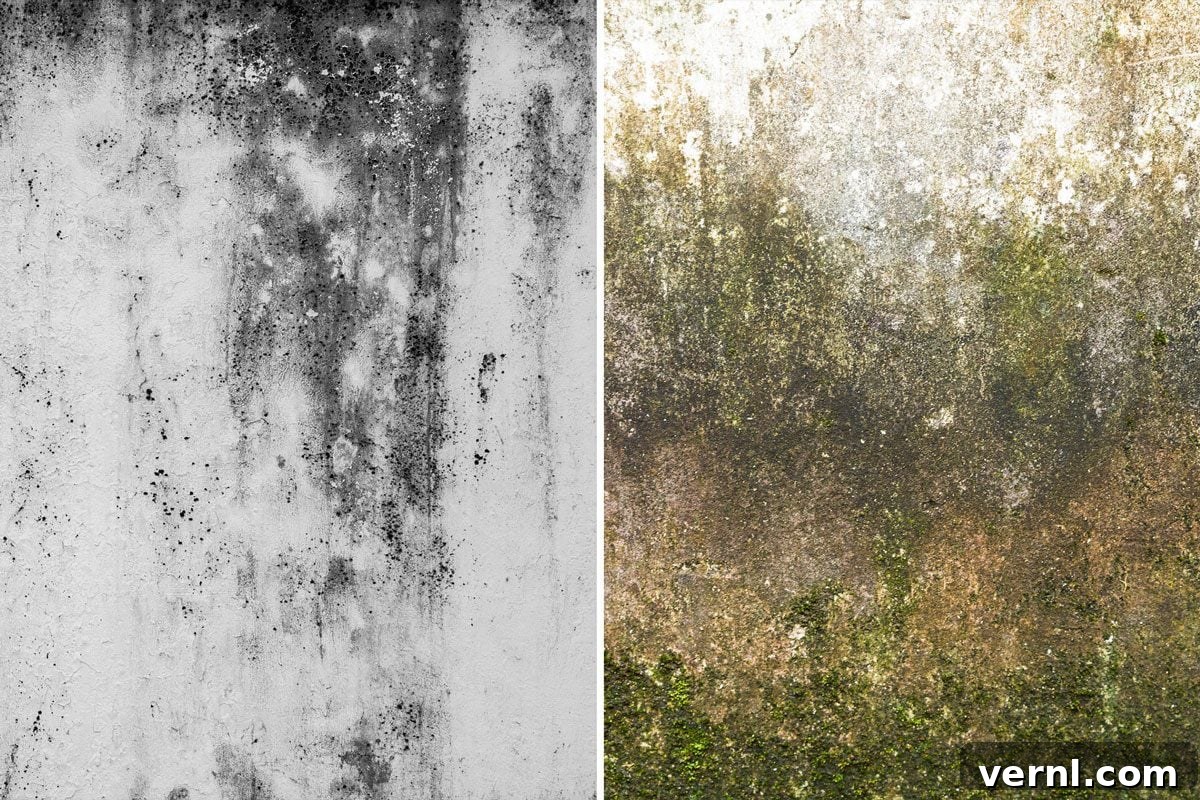
Right from the start, it’s essential to grasp a fundamental concept: mold and mildew are not distinct entities. In fact, as Michael Rubino, a renowned mold and air quality expert, emphatically states, “Mildew is just a variety of mold. It’s not a separate entity.” This crucial insight forms the basis for understanding how these pervasive fungi impact our homes and health.
So, if mildew is merely a type of mold, why do these common household pathogens, found both indoors and outdoors, bear two separate names? Consider it akin to the difference between freshly brewed coffee and instant coffee. Both are undeniably coffee, yet any connoisseur would instantly distinguish one from the other. You might think of instant coffee as “coffee lite” – it’s convenient, serves its purpose, but lacks the rich depth, aroma, and complexity of a meticulously brewed cup. Similarly, mildew can be thought of as “mold lite.”
Mildew generally presents as a less severe form of its fungal cousin. It typically lacks the aggressive toxicity of some other mold species, does not develop deep, penetrating root structures, and is often considerably easier to clean and remove. While it might be considered the “lite” version, mildew is still an irritant and certainly unwelcome within your home environment. As Rubino cautions, “Both need to be prevented from growing indoors to avoid negatively impacting the indoor air quality and causing unwanted exposure.” Understanding the nuances between these two terms is vital for effective home maintenance and ensuring a healthy living space.
This comprehensive guide will equip you with the knowledge to accurately identify a mold or mildew infestation, understand the critical differences, and provide actionable steps for prevention and removal. Safeguarding your home from these common fungi starts with informed action.
Mold vs. Mildew: Defining These Common Household Fungi
At their core, both mold and mildew are types of fungi. Their reproductive cycle relies on the dispersal of microscopic spores, invisible to the naked eye, which are constantly present in the air around us. These spores begin to establish colonies and grow in environments that offer sufficient moisture and a viable source of nutrients. This ubiquitous nature means you cannot completely prevent spores from entering your home.
According to the United Water Restoration Group, a typical indoor room can have a normal spore count ranging from 200 to 500 spores per cubic meter, and even counts up to 1,500 are considered within normal parameters. The sheer diversity of fungal life is astonishing; thousands of distinct mold and mildew species exist globally. The specific characteristics of any given colony – its appearance, smell, and growth pattern – are determined by the particular species that finds the perfect conditions to thrive and establish itself within your living space.
How To Accurately Identify Mold vs. Mildew in Your Home
Distinguishing between mold and mildew is crucial for effective treatment. Mildew, often referred to as “mold lite,” is characterized by its superficial growth habit. Unlike many other mold species that develop deep, penetrating root systems into the substrate they inhabit, mildew primarily remains on the surface. Understanding these visual and olfactory cues can significantly aid in early identification and prompt action.
Mold vs. Mildew: What Does It Look Like?
The visual characteristics are often the first indicators of whether you’re dealing with mold or mildew. A careful examination of the affected area can provide significant clues.
Mildew typically exhibits the following visual traits:
- Powdery or Downy Texture: It often appears as a flat, thin layer resembling a powdery or fuzzy substance.
- Flattish Growth: Its growth is generally two-dimensional, clinging closely to the surface rather than rising from it.
- Coloration: Most commonly, mildew appears white or gray. In some instances, it might have a yellowish or light brown tint.
- Surface Dweller: It grows exclusively on surfaces and, due to its lack of deep roots, is usually relatively easy to brush off or wipe away with a cleaning cloth. Common places include bathroom tiles, windowsills, or plant leaves.
More serious molds, conversely, display characteristics that suggest a deeper, more entrenched problem:
- Raised, Fuzzy, or Slimy Texture: Mold colonies often have a three-dimensional appearance. They can look fuzzy, velvety, slimy, or even leathery, growing in raised patches.
- Varied and Often Darker Colors: Mold comes in a wide spectrum of colors. While green and gray are common, you might also encounter brown, black (often associated with “black mold,” though many species are black), blue, red, or even purple hues. The color often depends on the specific species, its age, and its food source.
- Deeply Rooted: A key differentiator is mold’s ability to penetrate porous materials. Its hyphae (root-like structures) can grow deeply into the substrate, making it significantly more challenging to remove than superficial mildew, often requiring more than just brushing or wiping. This deep rooting is what causes structural damage over time.
Mold vs. Mildew: How Does It Smell?
Both mold and mildew are infamous for their distinctive musty odors, a byproduct of their metabolic processes as they break down organic matter. However, the intensity and character of the smell can often provide a subtle clue regarding the type of infestation.
Mildew typically produces a milder, earthy, or slightly damp smell. It might be comparable to the scent of damp towels left too long or the faint aroma of soil. While present and potentially irritating to sensitive individuals, it generally lacks the oppressive pungency of more aggressive molds.
Other, more serious mold species, on the other hand, often emit a much stronger, more pungent, and sometimes acrid odor. This smell can range from intensely musty to deeply earthy, reminiscent of rotting wood, decaying vegetation, or a neglected, water-damaged basement. The strength of the odor often correlates with the size and activity of the mold colony, indicating a more significant problem that requires prompt attention to protect indoor air quality.
Mold vs. Mildew: How to Test for It
A simple, practical test can often help differentiate between a mold and mildew colony: the brush test. If you can successfully brush or wipe away the growth from the surface, it is highly likely to be mildew. If, however, the growth resists your efforts and remains stubbornly attached, it is more indicative of a deeper-rooted mold infestation.
For those seeking a definitive identification of the mold species or to ascertain whether a particular mold is toxic, various home test kits are available. These kits typically involve taking a sample and sending it to a laboratory for analysis. While these kits can identify the species, it’s often more efficient and reliable to consult a professional mold inspector or remediator, especially for larger or persistent issues. It’s also important to note that, as far as health authorities like the Environmental Protection Agency (EPA) and the Centers for Disease Control and Prevention (CDC) are concerned, you should strive to avoid breathing spores from any mold species. The cleaning procedures for different types of mold are generally similar for homeowners, focusing on safe removal and preventing regrowth, regardless of specific species identification.
Other Important Tips for Identification
Beyond visual and olfactory cues, the specific substrate or surface on which the fungus grows, along with its preferred environment, can offer additional insights into whether you are dealing with mold or mildew.
Because mildew is primarily a surface growth, it commonly appears on non-porous surfaces. Think of areas like ceramic bathroom tiles, painted walls, glass shower doors, or even the leaves of plants. Mildew also tends to be more prevalent in dark, enclosed spaces with limited moisture, such as attics, the backs of drawers, or inside closets where air circulation is minimal.
Mold, on the other hand, thrives in damper environments and excels at penetrating porous materials. It is frequently found in areas prone to higher humidity levels and water exposure, such as basements, laundry rooms, or behind leaky pipes. Due to its deep-rooting nature, mold often infiltrates and grows within materials like drywall, old wood, the grout lines surrounding bathroom tiles, and behind deteriorating old caulk in the shower or bathtub. If you suspect hidden mold behind walls or under flooring, a professional assessment is highly recommended.
Mold vs. Mildew Prevention: Protecting Your Home and Health
The adage “prevention is better than cure” holds particularly true when it comes to mold and mildew. As mold and air quality expert Michael Rubino emphasizes, “The key to preventing mold and mildew is to reduce moisture and the number of particles like mold spores in a home.” Effective prevention strategies target both of these critical factors, creating an environment where these fungi struggle to survive and propagate.
How to Effectively Prevent Mold Growth
Mold is significantly more dependent on persistent moisture than mildew, making moisture control the cornerstone of any mold prevention strategy. Implementing these methods can drastically reduce the risk of mold infestation:
- Address Spills and Pooled Water Promptly: Any water spill, whether from an overflowing sink or a leaky appliance, should be cleaned up and thoroughly dried as quickly as possible. Even small amounts of standing water can become a breeding ground for mold spores if left unattended for more than 24-48 hours.
- Properly Dry Wet Items: After use, wet items like bathmats, towels, and wet clothes should be immediately hung up or spread out to air dry completely. Never leave damp items in a pile, as this creates localized pockets of high humidity perfect for mold growth.
- Ensure Shower Curtains and Liners Dry: After showering, separate the shower curtain and its liner to allow air to circulate freely around both surfaces. This promotes quicker drying and prevents mildew and mold from forming in the folds or on the surfaces.
- Allow Appliances to Air Dry: After using appliances that involve water, such as dishwashers or washing machines, leave their doors slightly ajar for a period. This allows residual moisture to evaporate, preventing mold and mildew from growing in damp crevices.
- Fix Leaks Immediately: Dripping pipes, leaky roofs, or faulty plumbing fixtures are prime sources of consistent moisture that fuel mold growth. Regularly inspect for leaks and address them immediately, as even a slow drip can lead to significant mold damage over time.
- Enhance Bathroom Ventilation During and After Showers: While showering, crack the bathroom door, turn on the exhaust fan, or open a window. This creates crucial airflow that helps expel moist air from the bathroom, significantly reducing humidity levels and preventing condensation on surfaces, which are prime sites for mold. Continue ventilation for at least 30 minutes after showering.
- Maintain Gutters and Downspouts: Ensure your home’s exterior drainage system is clear and functional to direct water away from the foundation, preventing water intrusion into basements or crawl spaces.
- Improve Attic and Crawl Space Ventilation: Proper ventilation in these areas prevents moisture buildup from condensation, a common cause of hidden mold.
How to Effectively Prevent Mildew Growth
While moisture control is still essential for preventing mildew, reducing the overall spore count in your living space and removing spores before they can establish colonies are equally critical strategies:
- Implement Regular Deep Cleaning Routines: Frequent and thorough cleaning removes dust, dirt, and organic debris that serve as potential food sources for mildew spores. Pay special attention to high-humidity areas.
- Dust Often and Thoroughly: Dust is a primary carrier of mold and mildew spores, as well as providing organic matter for them to feed on. Regular dusting, especially with a damp cloth or microfiber, helps trap and remove these airborne particles from surfaces.
- Invest in Quality Air Purifiers: Consider integrating air purifiers, particularly a whole-home purification system, into your HVAC. These devices are designed to capture microscopic particles, including mold and mildew spores, significantly reducing their concentration in the indoor air.
- Maintain Your HVAC System Diligently: A well-maintained heating, ventilation, and air conditioning system is crucial for air quality. Ensure regular professional inspections and cleanings to prevent moisture buildup within the ducts and units themselves, which can harbor mold and mildew.
- Upgrade and Timely Change MERV Filters: Install the highest-grade MERV (Minimum Efficiency Reporting Value) filters that your HVAC unit can efficiently handle. These filters are more effective at trapping smaller particles, including mold spores. Change them regularly according to the manufacturer’s recommendations, usually every 1-3 months, to maintain optimal filtration and airflow.
- Utilize a HEPA Vacuum Cleaner: A vacuum cleaner equipped with a High-Efficiency Particulate Air (HEPA) filter is essential for trapping microscopic spores, dust mites, and other allergens that regular vacuums might recirculate. Use it regularly on carpets, upholstery, and hard floors.
- Maintain Optimal Indoor Humidity Levels: Aim to keep your indoor humidity level between 35 and 50 percent. This range is generally considered ideal for human comfort and significantly inhibits the growth of most mold and mildew species. Use a hygrometer to monitor humidity and consider using dehumidifiers in damp areas during humid seasons.
- Ensure Proper Storage: Store items, especially those susceptible to moisture like clothes, books, and documents, in dry, well-ventilated areas, ideally off the floor and away from exterior walls.
Mold vs. Mildew Removal: Effective Strategies for a Clean Home
Once mold or mildew has taken hold, effective removal is paramount. Michael Rubino outlines the critical steps for successful remediation: “Successful remediation involves identifying and eliminating the source (of moisture) that allowed mold to grow, removing the active infestation, and addressing all related contamination.” Addressing the root cause of moisture is non-negotiable; otherwise, the infestation will likely return.
How to Safely and Effectively Remove Mold
The approach to mold removal depends significantly on the surface material. For non-porous surfaces, the task is generally straightforward. Rubino recommends applying a botanical cleaner – a product derived from natural ingredients that effectively kills mold without harsh chemicals. Allow the cleaner to sit for about 30 seconds to penetrate, then thoroughly wipe the area with a microfiber cloth. For best results, repeat this process two more times to ensure complete eradication and removal of spores and residue.
However, mold removal from porous and semi-porous surfaces is considerably more challenging. As Rubino aptly puts it, “The process is similar to pulling a weed—roots and all.” This is where many common misconceptions arise, particularly regarding the use of bleach.
First and foremost, do not use bleach on porous materials like drywall, wood, or fabrics. While bleach can visibly lighten or “bleach” the surface of mold, its active ingredient (sodium hypochlorite) does not effectively penetrate porous materials to kill the deeply embedded hyphae or “roots.” Instead, the water content in bleach can actually add more moisture to the material, potentially exacerbating the mold problem below the surface. Bleach is primarily effective as a surface disinfectant, not a deep mold killer on porous substrates.
For semi-porous surfaces such as tile grout, scrubbing with a suitable cleaning product is your best bet. Rubino specifically suggests applying 3% hydrogen peroxide. The effervescent action of hydrogen peroxide helps to lift the mold spores and staining to the surface, making them easier to wipe away. Allow it to sit for a few minutes before scrubbing and wiping.
Professional cleaner Michael Bogoyavlenskiy offers a similar, effective procedure for removing mold from tub and tile caulk, a notorious spot for stubborn mold. He recommends creating a paste by mixing hydrogen peroxide with bicarbonate of soda (baking soda). Apply this paste generously to the affected caulk and allow it to sit for several hours, or even overnight, to deeply penetrate and break down the mold. After the allotted time, simply wipe the paste away, revealing a much cleaner surface.
Always wear appropriate personal protective equipment (PPE), including gloves, eye protection, and a N95 respirator mask, when dealing with mold to avoid inhaling spores. Ensure the area is well-ventilated during and after cleaning.
How to Easily Remove Mildew
Because mildew typically does not root itself as deeply into surfaces as other forms of mold, its removal is generally much simpler. In many cases, you can often remove mildew by simply wiping it away with a damp cloth or a sponge. If a simple wipe isn’t sufficient to completely clear the area, a light scrub with the same type of botanical cleaner or hydrogen peroxide solution you would use for mold on a non-porous surface should do the trick. The key is to address it promptly before it has a chance to spread or deepen.
Mildew sometimes also appears on fabrics and upholstery, particularly in humid environments or on items stored in damp conditions. For fabrics that are machine-washable, a normal wash cycle with a good detergent, possibly enhanced with a cup of white vinegar or a mold-killing laundry additive, can effectively remove mildew. For upholstery that cannot be machine washed, a HEPA vacuum cleaner is an excellent tool to thoroughly suck up the mildew spores and surface growth. For deeper infestations in upholstery, professional cleaning might be necessary.
About the Experts
- Michael Rubino is a leading mold and air quality expert, an ardent environmental wellness advocate, and the visionary founder of HomeCleanse. His company is dedicated to combating the global health challenges posed by poor indoor air quality and toxic indoor environments.
- Michael Bogoyavlenskiy serves as the CEO of Cleaning Express, a respected domestic cleaning company and a professional facilities management provider. His firm delivers high-quality cleaning services to luxury offices, business centers, retail companies, and various other establishments.
Sources
- United Water Restoration Group: Mold Species & Mold Spore Levels; (2024).